The artichoke (Cynara cardunculus) is a type of thistle whose unopened buds (hearts) are used in Mediterranean cuisine. The photograph below is that of the wild (and therefore inedible variety) artichoke, also known as cardoon. That the artichoke is closely related to the thistle is clear from the purple head of petals that sit on top of the flower.
Cynara cardunculus
Photographed at the New York Botanical Gardens on 22nd July, 2013 using an iPhone 4S. Later processed in Adobe Lightroom simulating a single frame HDR.
Just outside the popular Prudential Center in Boston stands a tall bronze statue seemingly reaching for the sky. This statue, by Donald De Lue, was cast in Italy and installed in 1967.
Aiming high.. Prudential Center towering over the bronze statue by Donald De Lue.
The backdrop of the Prudential Center made an interesting backdrop/canvas for the dramatic pose struck by the quest eternal statue.
Technical Details
Nikon D7000 with a Tamron 18-200mm lens
Autobracket at -2, 0 +2 in Aperture Priority
Processed in Photomatix Pro and Adobe Lightroom 5.0
My recent travels in the US took me to Boston and past this imposing church. The first church of Christ in Boston is the mother church of the Christian Science Movement and was built at the end of the 19th century.
The First Church of Christ, Scientist, Boston
This HDR image above is a composite of 3 bracketed shots processed in Photomatix Pro and Adobe Lightroom 5.0. Please view a larger image by clicking on the photograph above. Any comments/criticisms/observations welcome as always.
I experimented with pictures I took of the M25/A30 Runnymead bridge over the Thames using black-and-white conversion. The first two pictures are roughly from the same viewpoint and one of these is an exact copy of the earlier post.
A BW conversion from my earlier post of the Runnymead BridgeThe spans of the bridge distribute load and prevent vibrations from damaging the older Edwin Lutyens built A30 bypass bridgeThe size of the arches are clearly evident in this image (my wife and son at the very top over the river)
Few places in the UK now seem free of people littering the place with graffiti and other detritus of modern living. The base of the bridge was littered with broken beer bottles and other unsavoury items, that destroyed an otherwise interesting scene of nature and modernity co-existing at this place. The Thames itself was tranquil and sedately flowed towards London en route to the sea towards the right of the pictures.
I went out with my miniature macro attachment to the iPhone last week and captured photographs of a few wildflowers. Apart from the overall mediocre image quality (thank you Apple!) and extremely shallow depth-of-field, the macro adapter does a reasonably good job.
Sainfoins (Onobrychis viciifolia) belong to the pea family (Leguminosae/Fabaceae). My trusted Collins Complete Guide to British Wildflowers tells me that these are generally found in dry, calcareous grasslands, which is exactly where I found these growing!
Sainfoin inflorescenceA single Sainfoin flowerSide-on view of a Sainfoin
All pictures with a iPhone 4S, the bottom two with an external macro lens attachment. All pictures corrected for contrast and white balance in Adobe Lightroom 5
Spring finally arrived in Cambridge this week. The garden suddenly woke up from its long winter slumber and burst into colour. Daffodils, Crocuses and now tulips are in bloom.
Founded in 1352, one of the constituent colleges of Cambridge University with a chequered and colourful history. The alumnus includes the famous playwright Christopher Marlowe.
This picture has had to be extensively post-processed due to low-light winter conditions (4:50 according to the college clock). Processed in Adobe LightRoom and NIK Software Dfine and Color Efex Pro.
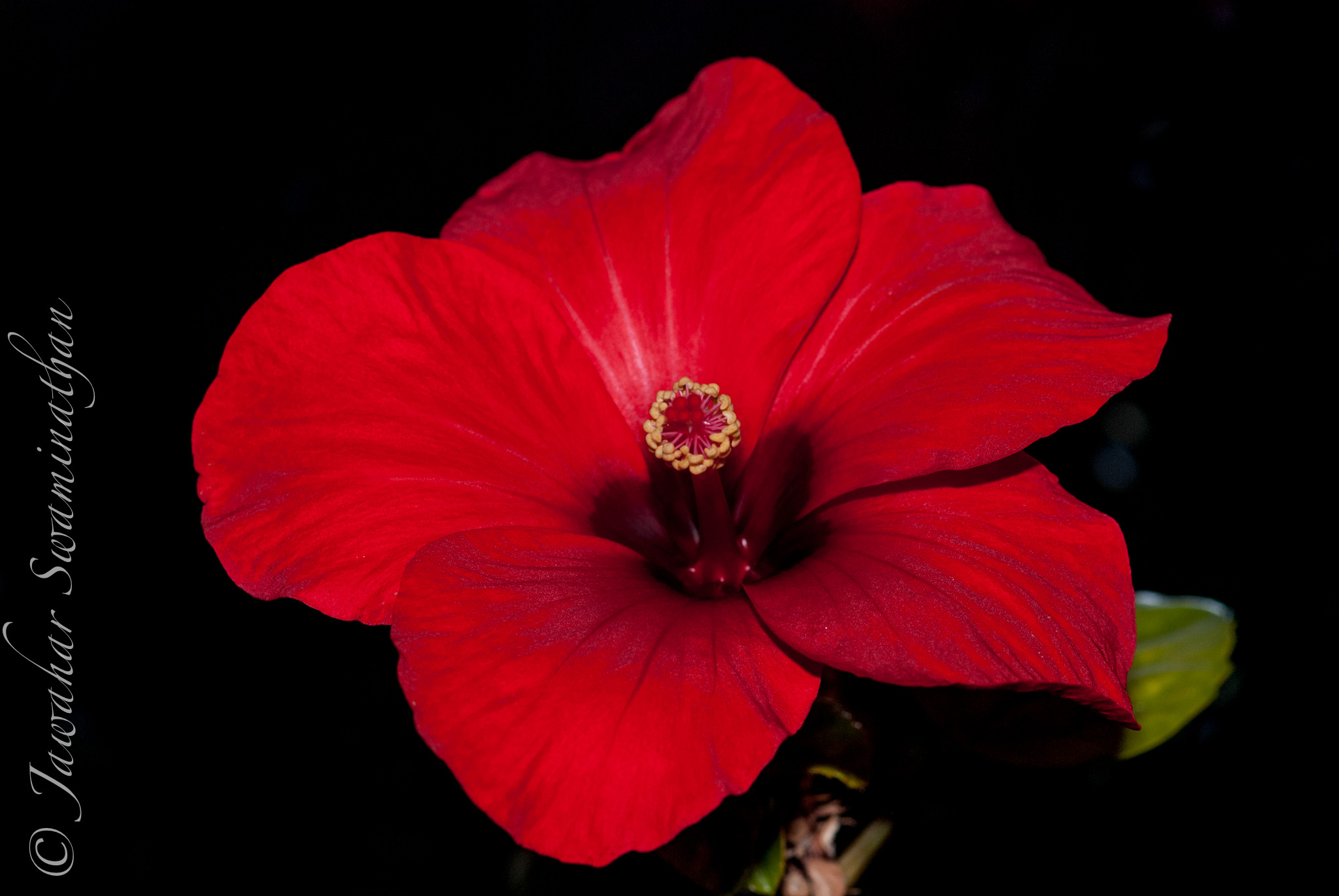
Hibiscus is a great flower to photograph. The contrast between the green sepals and bracts, showy red petals (this particular variety), deep red pistils surrounded by bright yellow stamens make a great study in contrast especially against a dark background. You may not enjoy the botany below, but I’m sure you’ll agree that nature truly offers a marvelous spectacle in the microscopic.
Click on any picture to see a larger version!!
A fully open hibiscus flower
We all learned in school botany (well some of us!) about the various parts that make up a flower. Generally, flowers have 3 components –
Calyx – made up of sepals that protect the bud in infancy and form the base of the flower
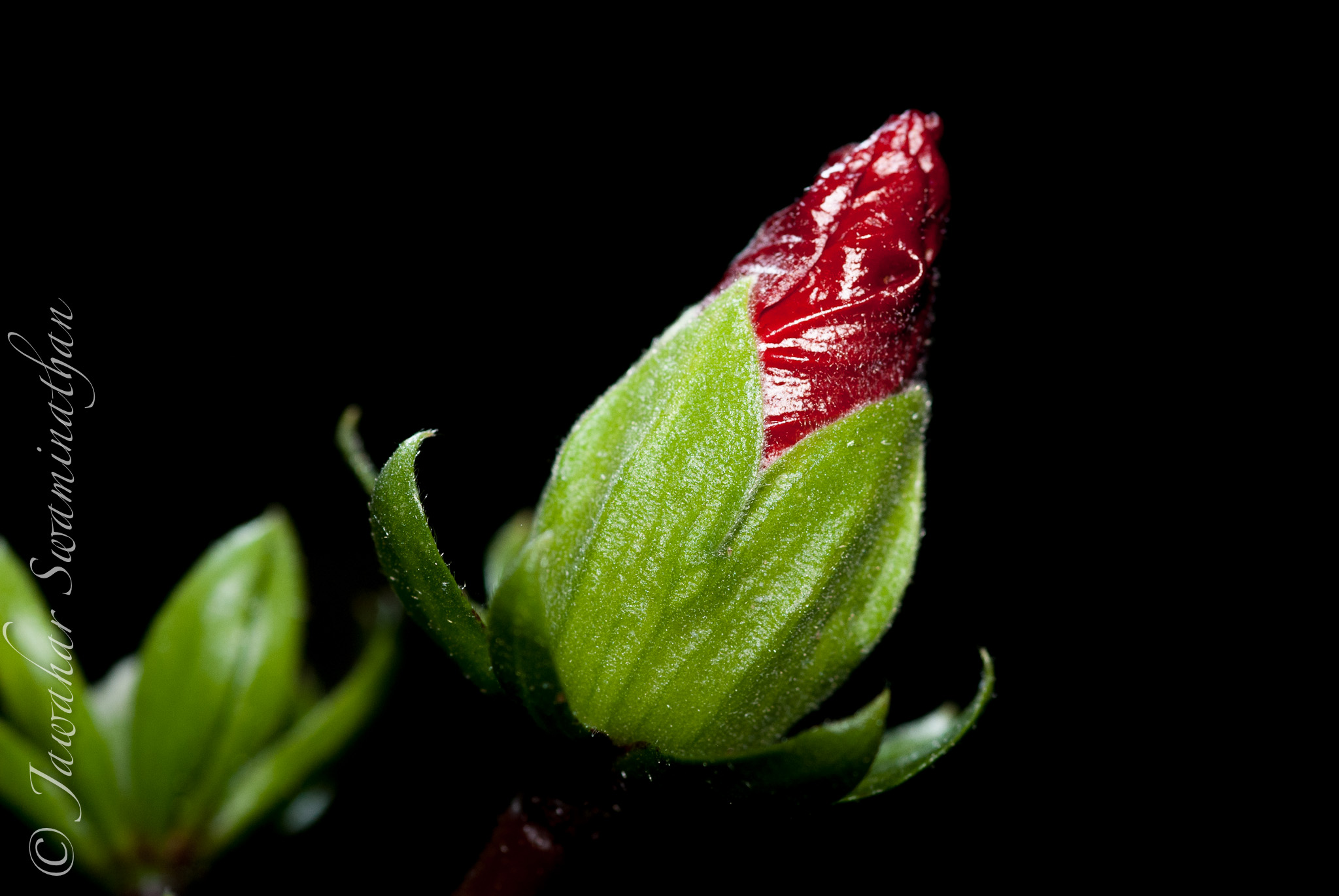
A hibiscus bud showing bracts and the calyx (which are both modified leaves!)
Corolla – made up of showy petals that encase the reproductive organs
A hibiscus petal
Reproductive parts (Corolla, Stamen) that are in turn
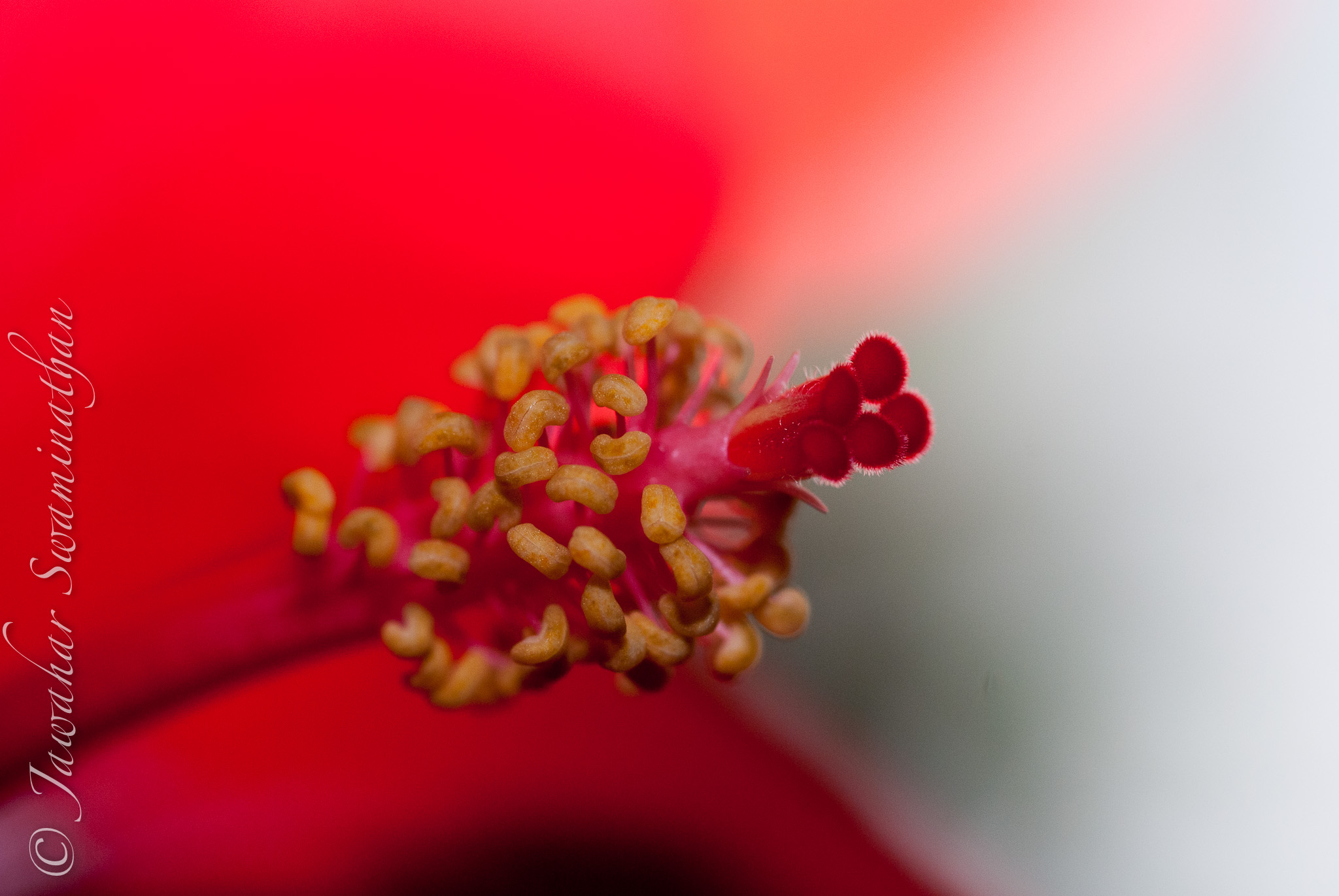
Detail of a hibiscus stamen (male) and pistil (female)Close-up of the reproductive organs of a Hibiscus flower. The yellow stamens and the red pistils.
Stamen – that make up the male reproductive parts – in turn made up of the filament that holds up the pollen sac or anther. The anther releases pollen when open.
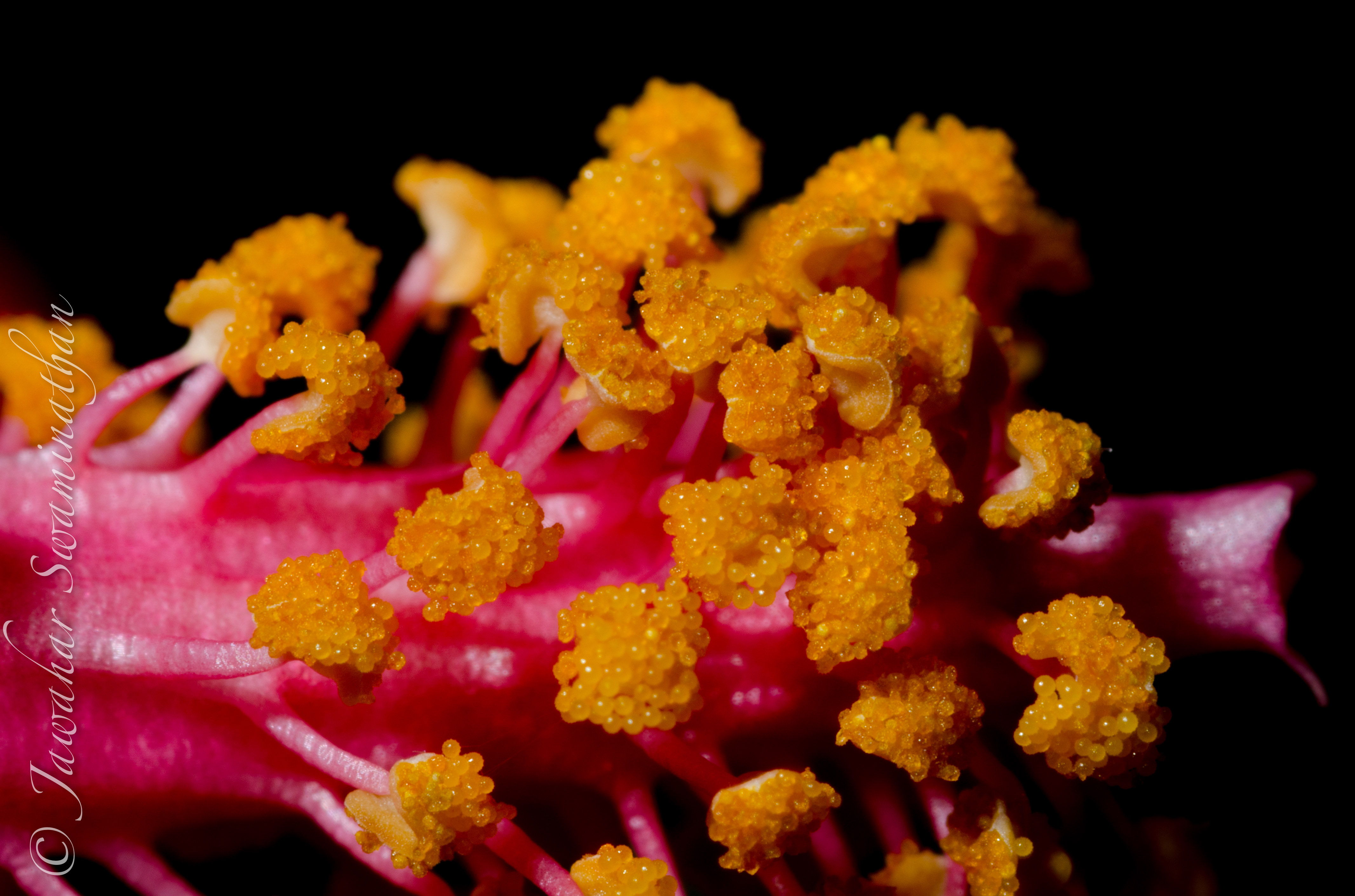
Detail of a Hibiscus flower stamen.Even closer. Glittering Hibiscus pollen on anthers held up by the filament – forming the stamen of the Hibiscus flower.
Pistil – The female reproductive parts of a flower. These are also made up of three components
Ovary – that finally forms the seed after fertilization
Style – a stalk above the ovary
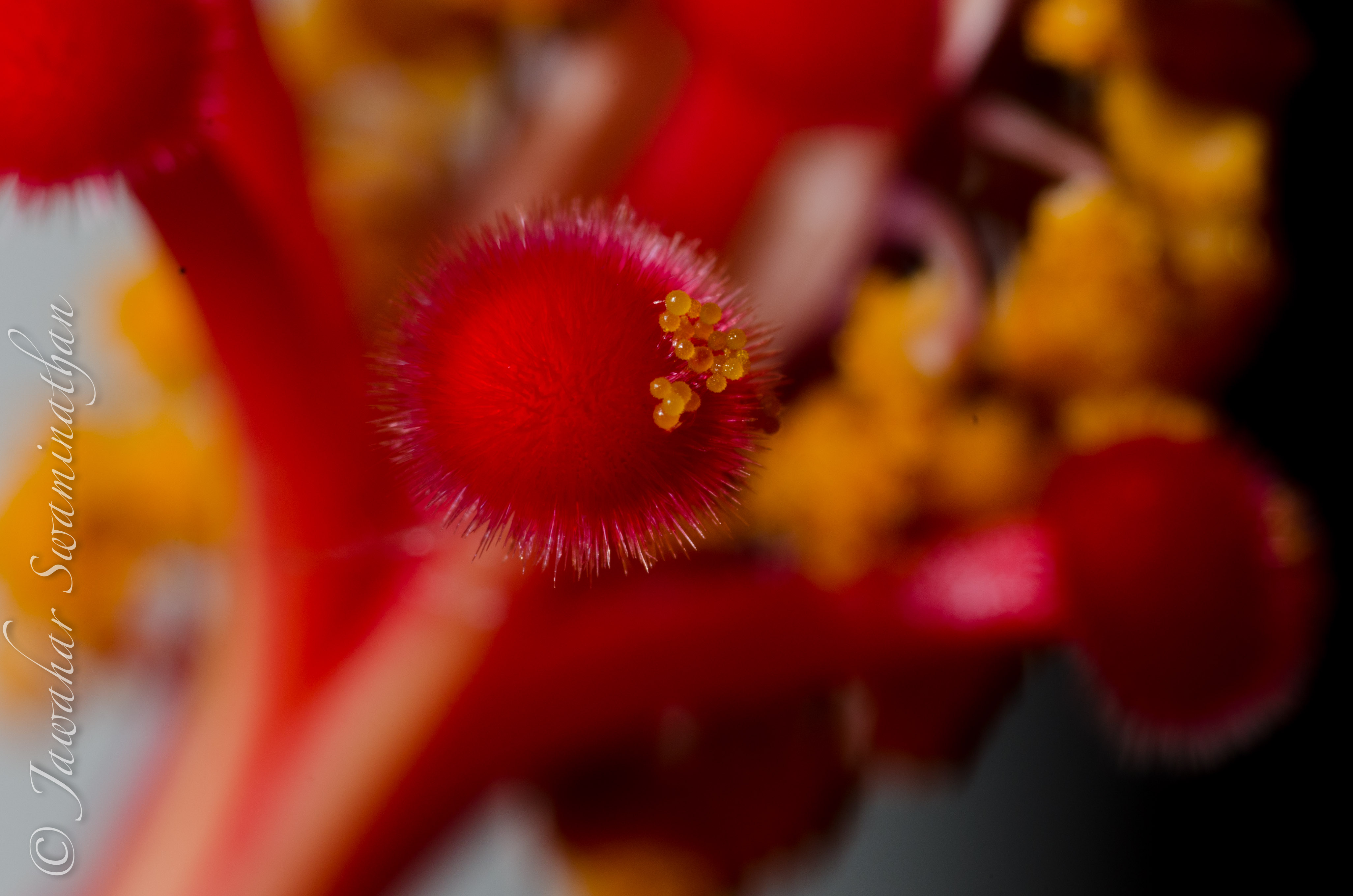
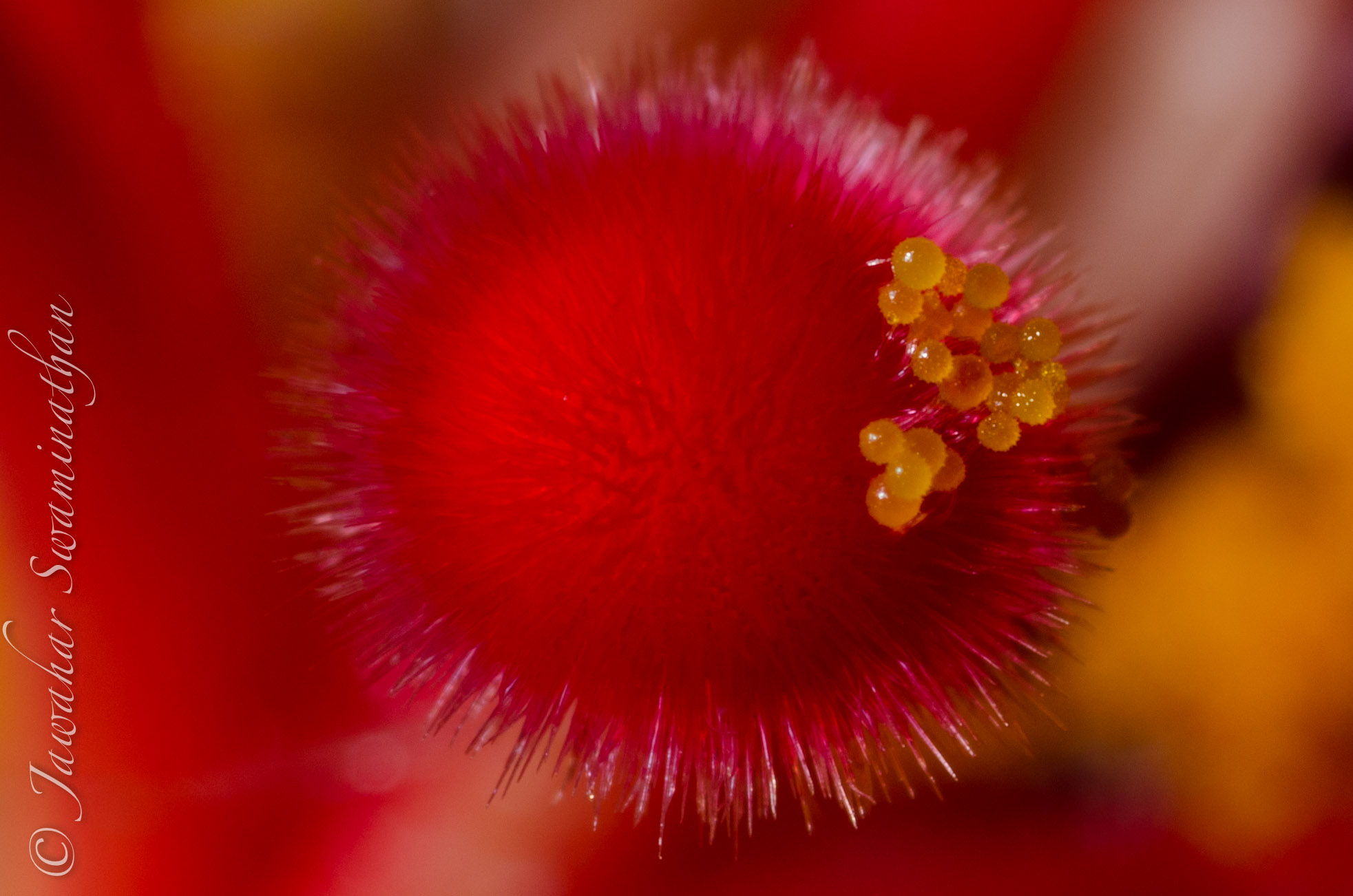
Stigma – the farthest extend of the female part of the flower which receives the pollen for fertilization. This is usually sticky and allows pollen to attach.
The stigma of a Hibiscus flower, with pollen on them.
The pollen in the above picture look spherical, don’t they? But in the picture below, which is a crop of the above, you can see that the pollen grains are spiky, thereby allowing them to stick to the stigma surface.
100% crop of a stigma showing the real structure of pollen.
Well, that’s my botany lesson! Thanks for stopping by….
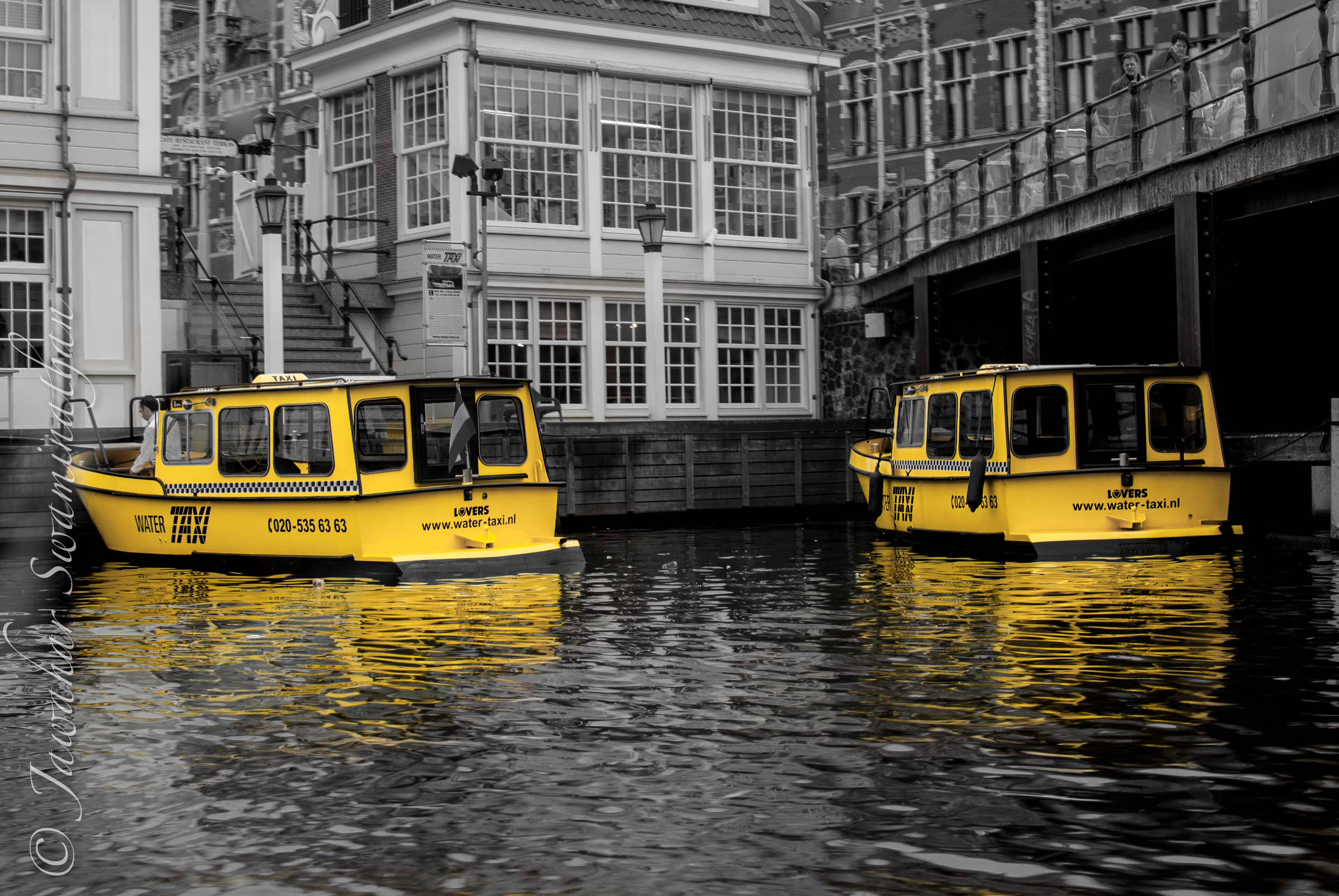
People associate Amsterdam with lots of things including “Coffee shops”, Red-light district, Vincent van Gogh and Rembrandt but rarely with canals and water. Ubiquitous in the more than 100km of canals and 1500+ bridges are the water taxis. They are an excellent way of getting around the Amsterdam old quarter avoiding traffic jams on the narrow roads.





 Juridicious