Narcissus jonquil and Narciuss tazetta are two daffodil cultivars endowed with flowers that have a heady perfume. These members of the Amaryllislily family are probably hybrids of Japanese daffodils. Each flower in the pictures below is about 1.8cm in diameter, but their heady fragrance can be felt metres away.
Any picture can be clicked upon to see a larger version.
Technical Details:
Nikon D700 with Speedlight SB-600 external flash
Sigma 105mm f/2.8 lens
Post-Processed in Adobe LightRoom 4.3 and NIK Color Efex Pro 4
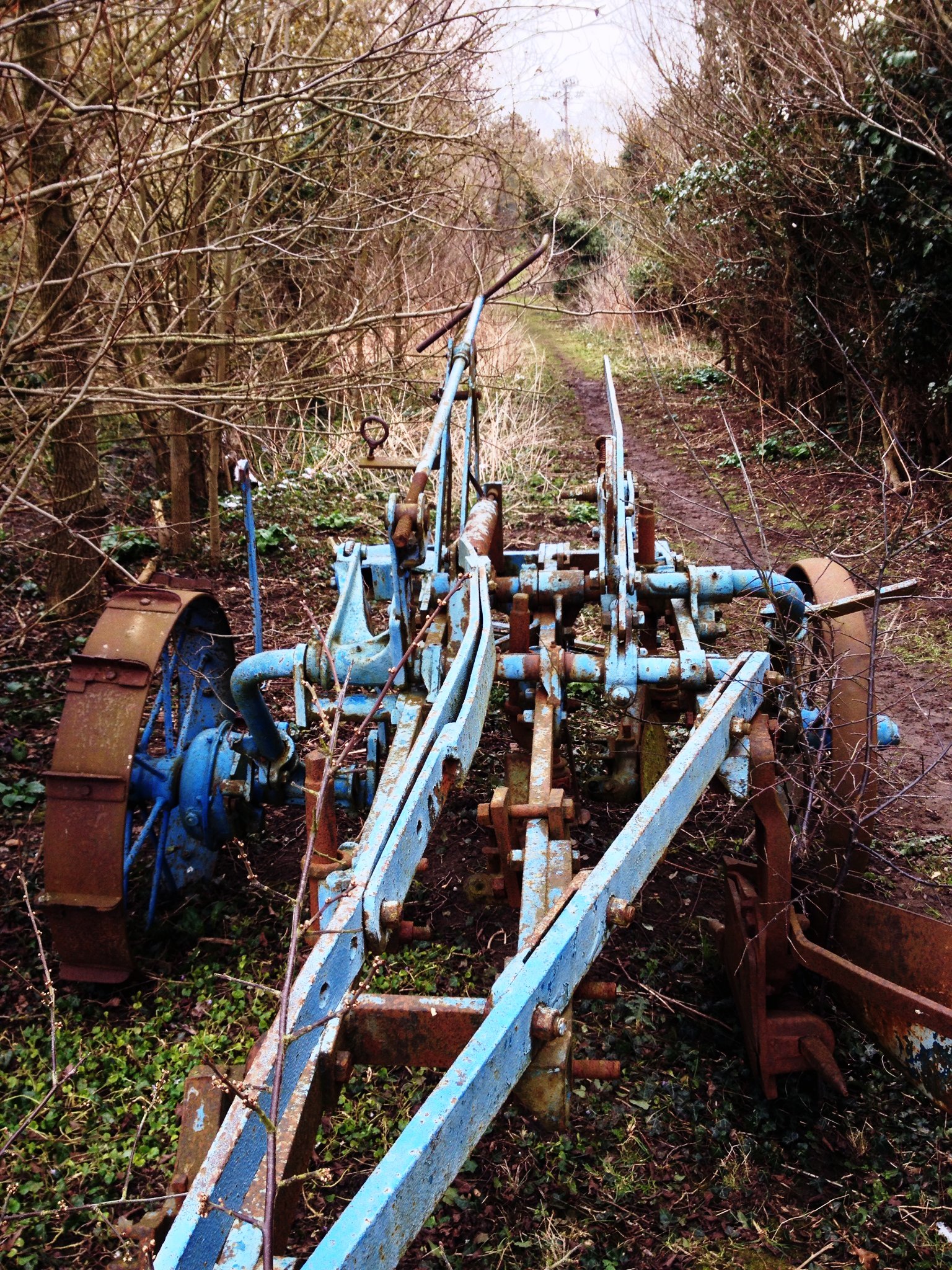
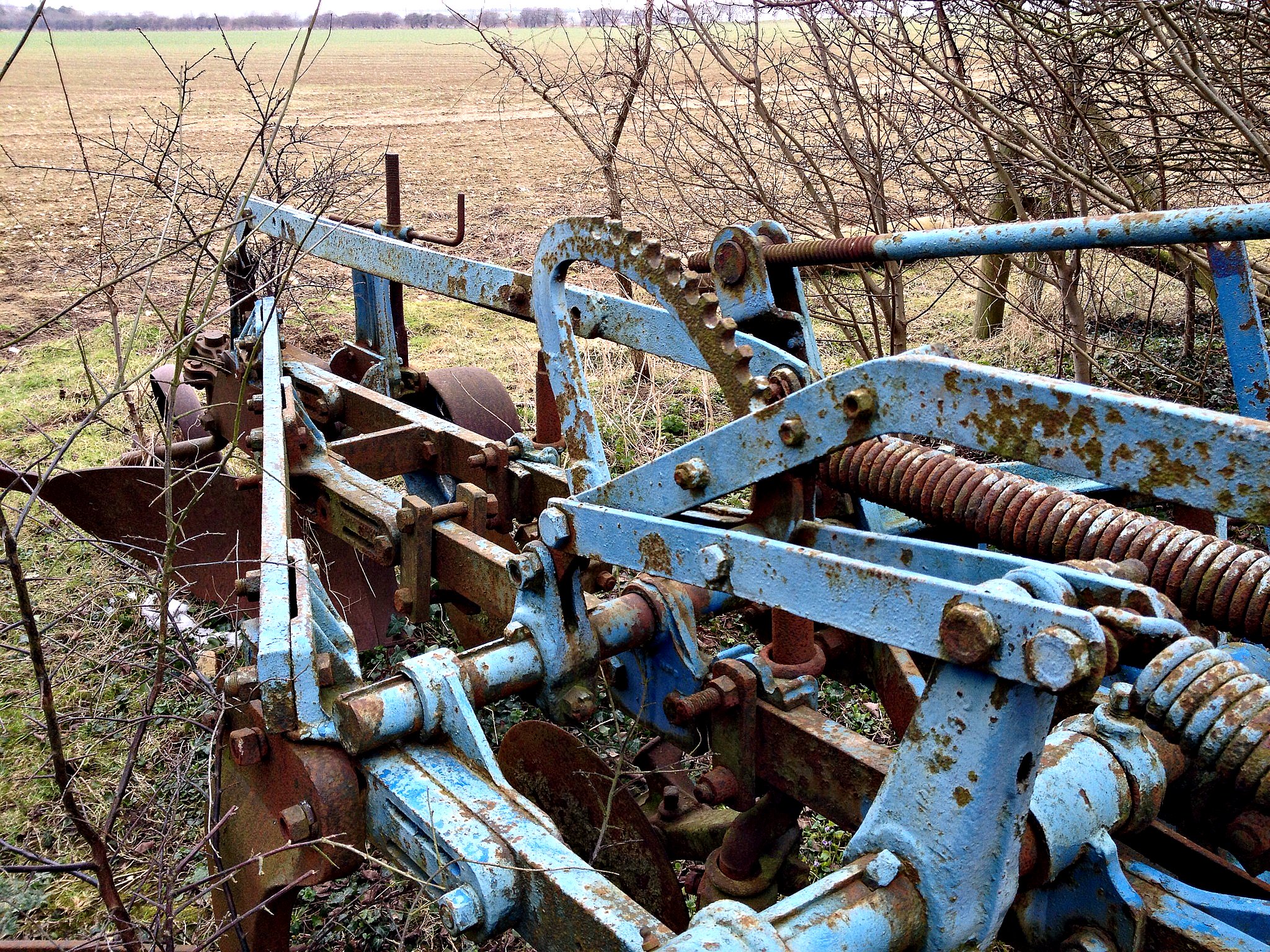
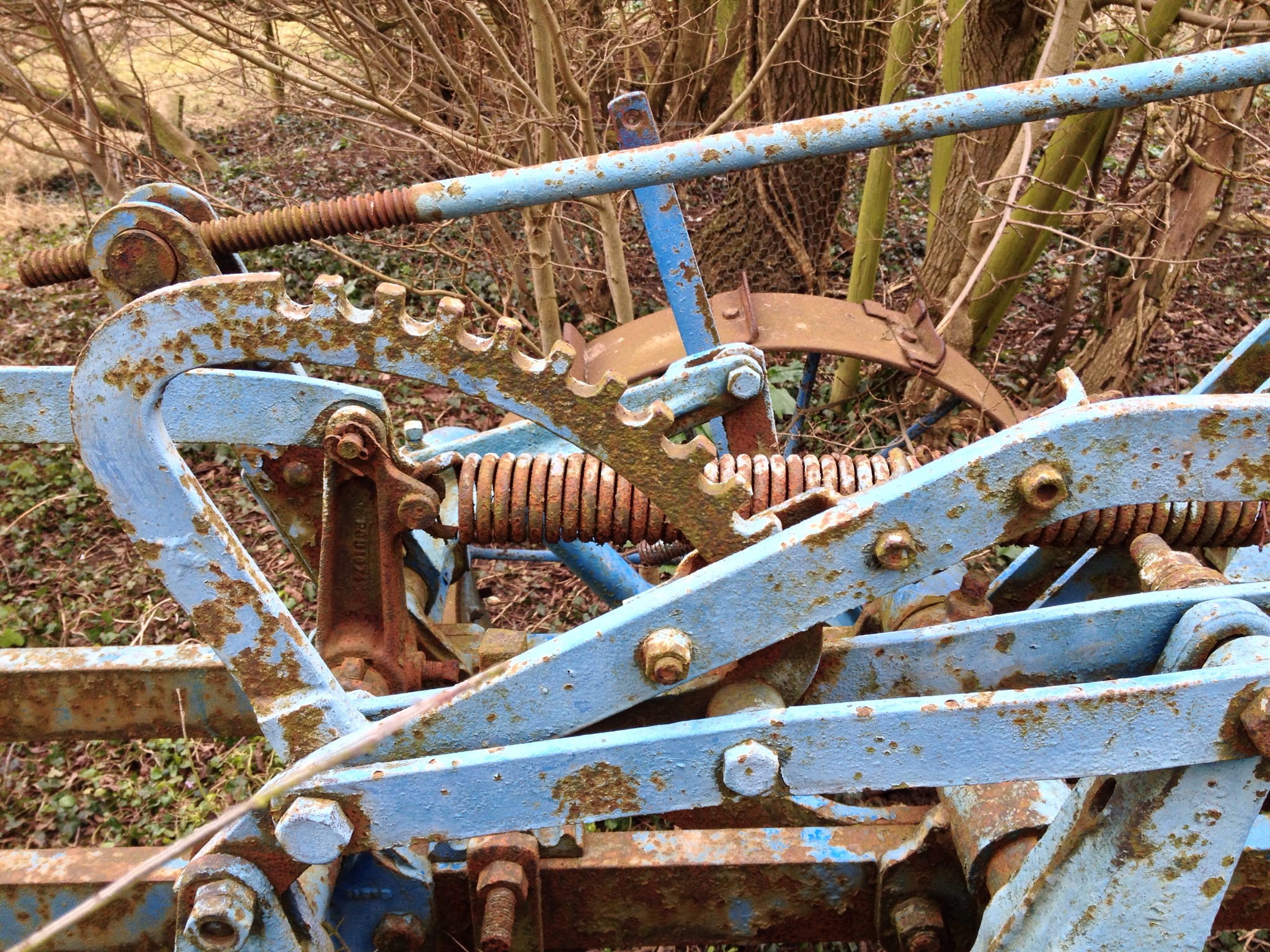
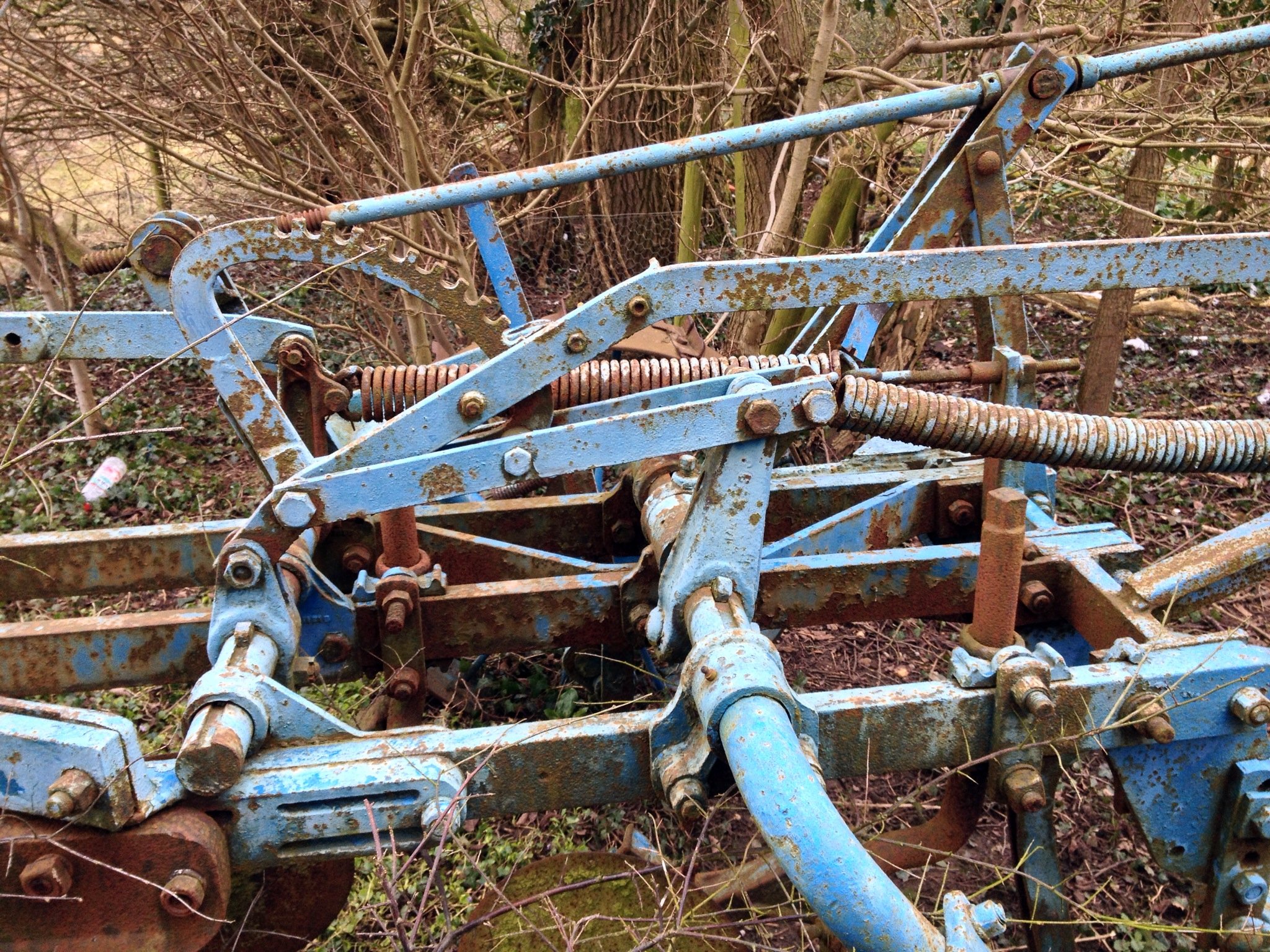
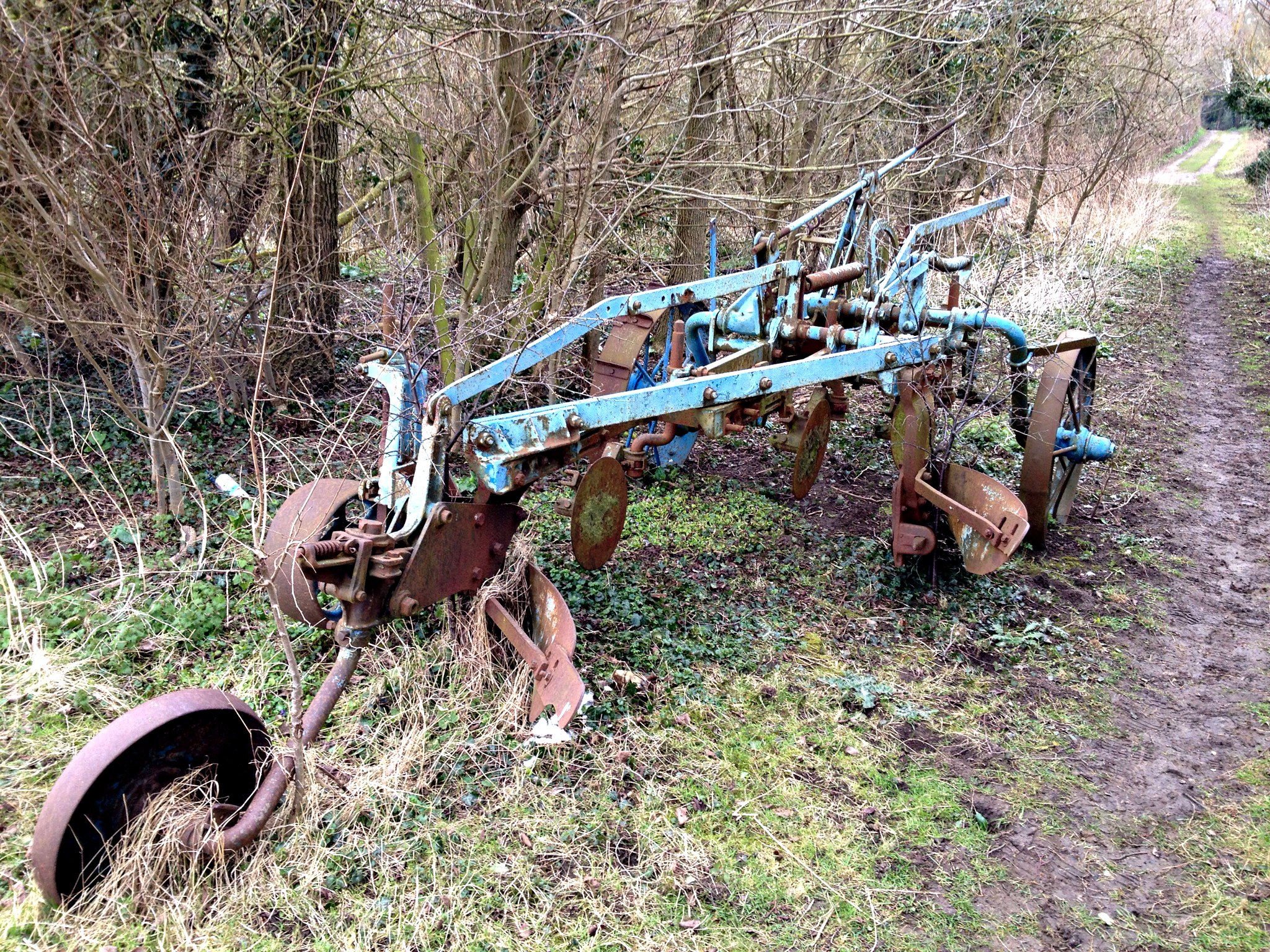
I chanced upon this piece of farming equipment on a farm in Cambridgeshire last week while on a walk. The paint has peeled away and the equipment is rusty, but I’m sure this is still in use today. If I were to hazard a guess, this is probably used on a tractor to turn the soil, but not being a farmer, this is at best just a guess.
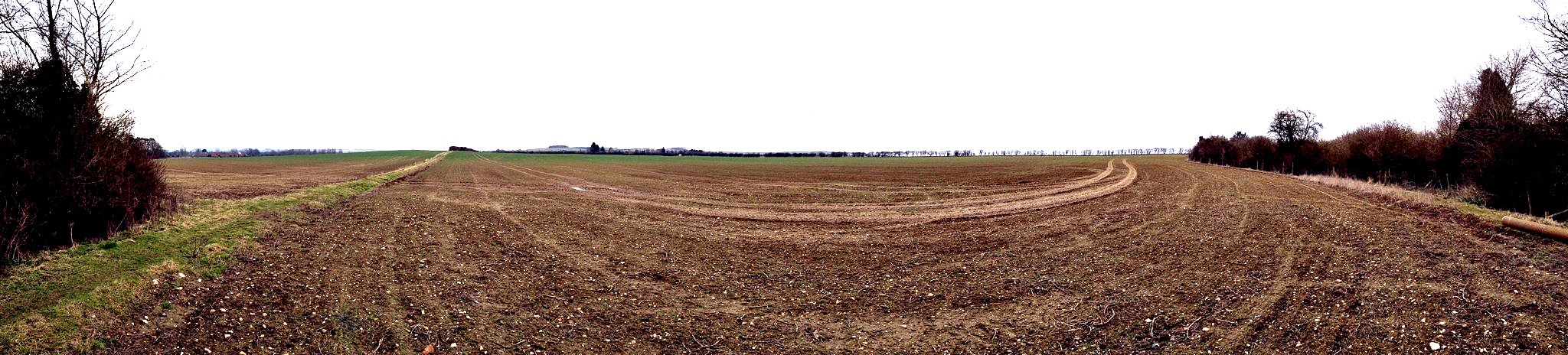
And what about the farm, a panoramic shot with the iPhone below.
All pictures from the iPhone 4S. Processed in NIK snapseed software on the phone. Click on any picture for a larger version.
This looks likely to be the most christmas-like Easter here in England this year. Snowfall this week and more expected over the Easter weekend make it hard to believe that spring is actually here. These daffodils from my garden are proof that, whilst we may not think of spring, the plants have certainly made up their minds.
External SB600 flash from left of picture. 1/250 f/3.3 ISO200External flash from underneath. 1/250, f/14, ISO200Closer still. External SB600 flash under-lit. 1/160, f/14, ISO200. Sharpened with NIK Software.
All these pictures taken outside at dusk. The black background in the photographs are a result of using an external flash combined with a high aperture setting. Final black corrections in Adobe LightRoom applied to create a fully dark background.
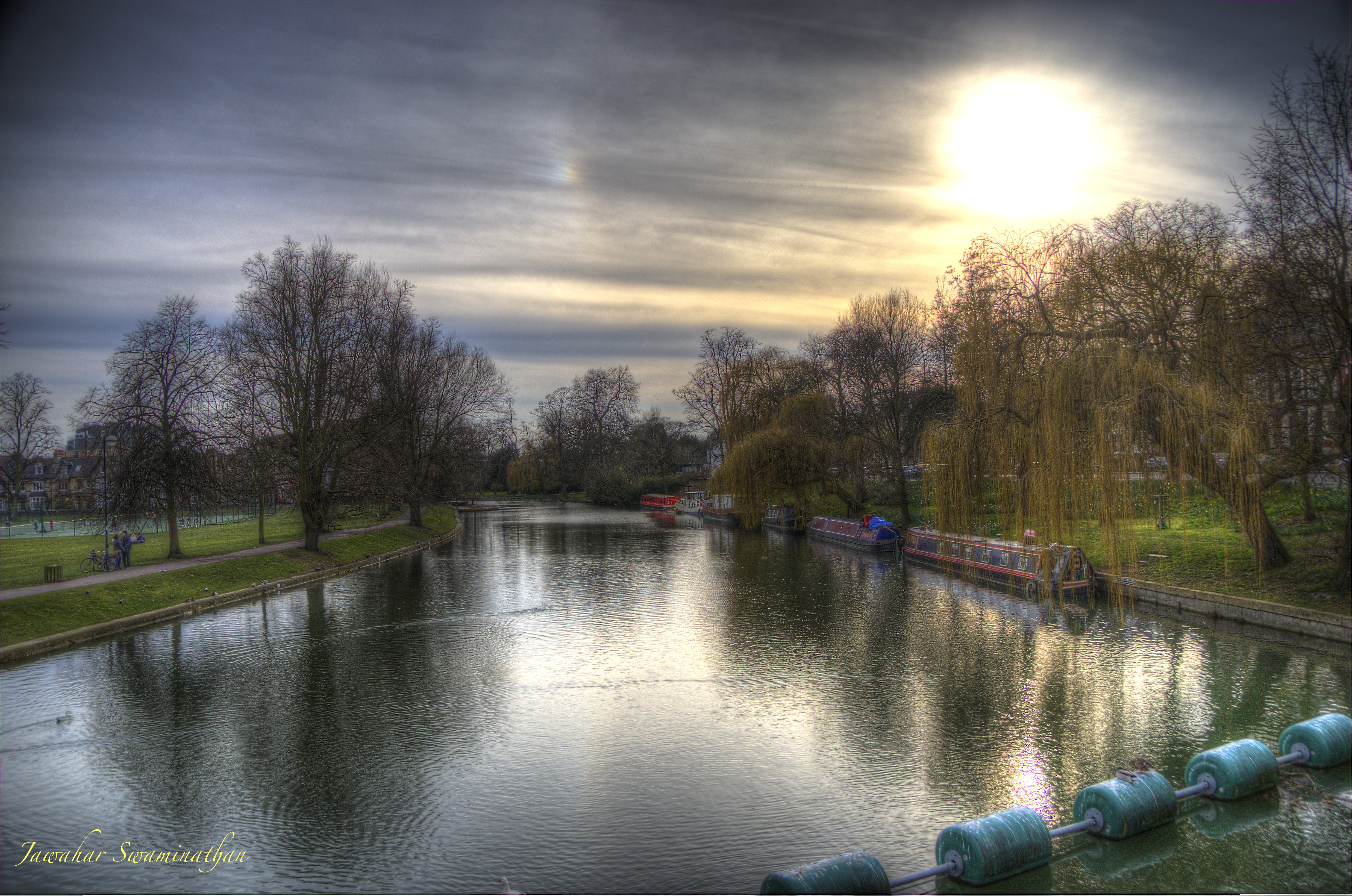
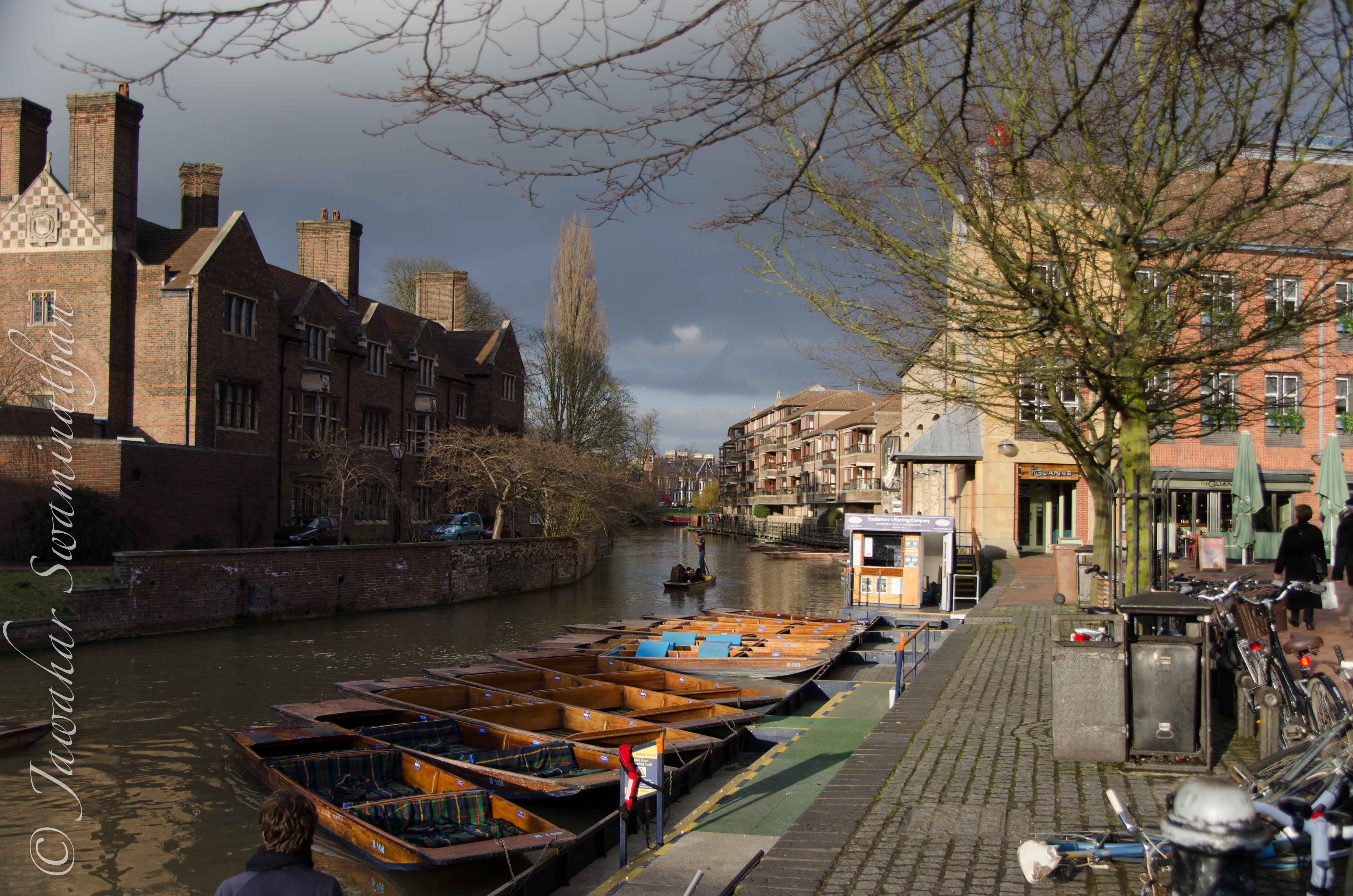
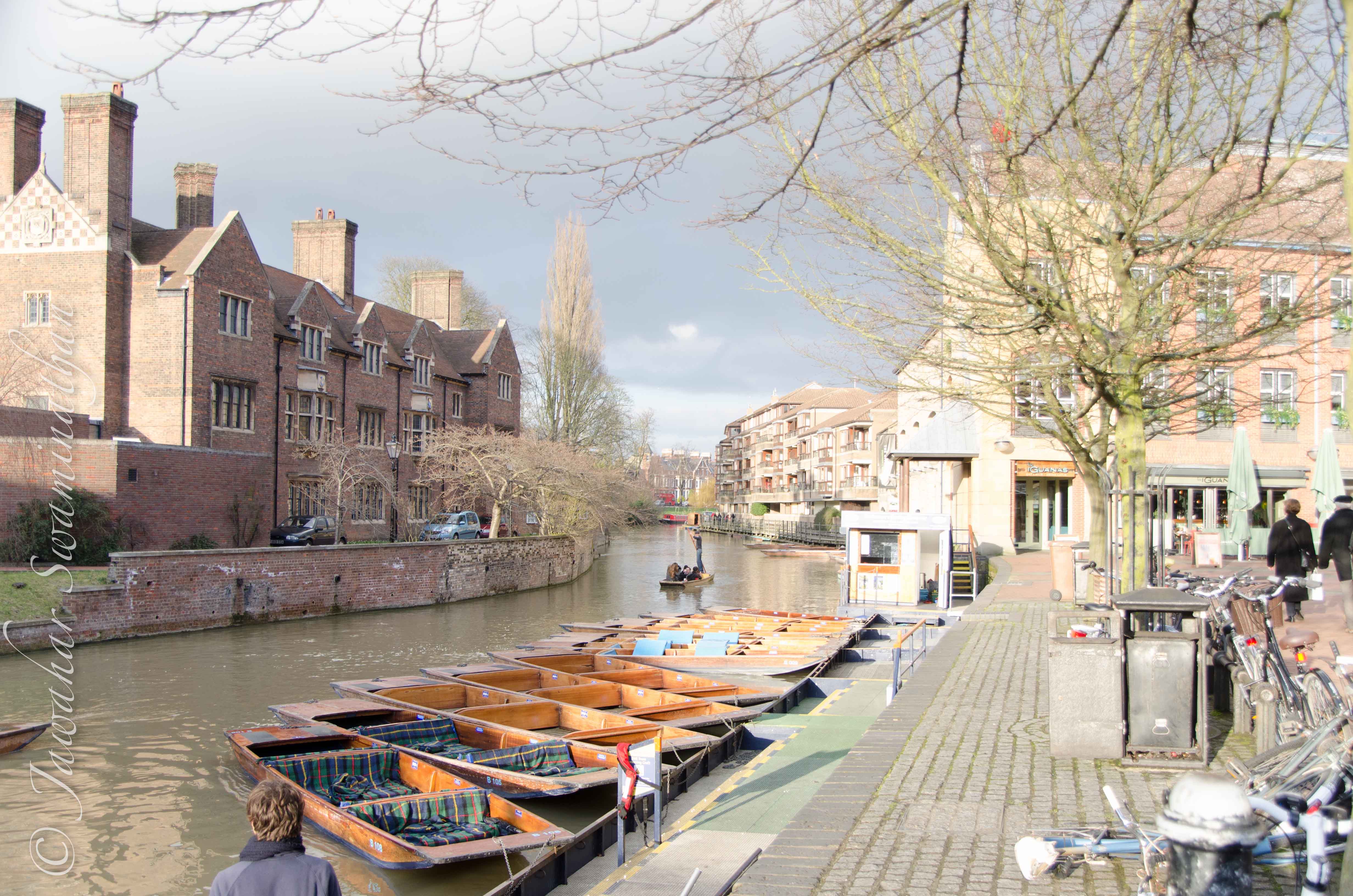
I don’t intend to flood my blog and bore you with HDRs of punting pictures from Cambridge, but I had to share this with you. The following two pictures were taken immediately after my last post and so they are slightly different in composition. However, they’ve been processed using two different software (NIK HDR Efex Pro 2 and Photomatix).
HDR Processed using NIK HDR Efex Pro 2 (Deep 1)HDR processed with Photomatix (Evaluation License)
I liked the output from Photomatix as it was more intuitive to use and seem to allow a greater range of adjustments without making the images look grungy.
The three original images that went into making these HDRs are below (bracketed at -1, 0 and +1), and merged in either HDR Efex Pro or Photomatix.
Image 1 of 3 – At normal exposureImage 2 of 3 – At -1 eVImage 3 of 3 – At +1 eV
All images taken in Nikon RAW mode – Nikon D7000, Tamron 18-250mm Lens at 23mm f/4.0 1/640, 1/1250, 1/320 exposures.
The quayside is a popular boarding place for a spot of punting on the Cam. On the day this picture was taken, the sun suddenly came up from behind bathing the place in brilliant sunshine. 3 shot HDR.
Founded in 1352, one of the constituent colleges of Cambridge University with a chequered and colourful history. The alumnus includes the famous playwright Christopher Marlowe.
This picture has had to be extensively post-processed due to low-light winter conditions (4:50 according to the college clock). Processed in Adobe LightRoom and NIK Software Dfine and Color Efex Pro.
The mathematical bridge is an 18th century wooden footbridge that connects Queens’ College across the Cam river. Although it seems to be an arch, it is composed entirely of straight timbers built to a sophisticated engineering design, hence the name. Can you see that the arch is made up of only straight timbers?
The “Mathematical Bridge”, Queens’ College, Cambridge
Local myths talk about how the original bridge had no nuts of bolts, and how no one could put it back together once it was taken apart. However, these stories are almost totally untrue. The beauty of the design of this bridge lies in how the arch has been created to create the effect of a standard bridge.







 Juridicious