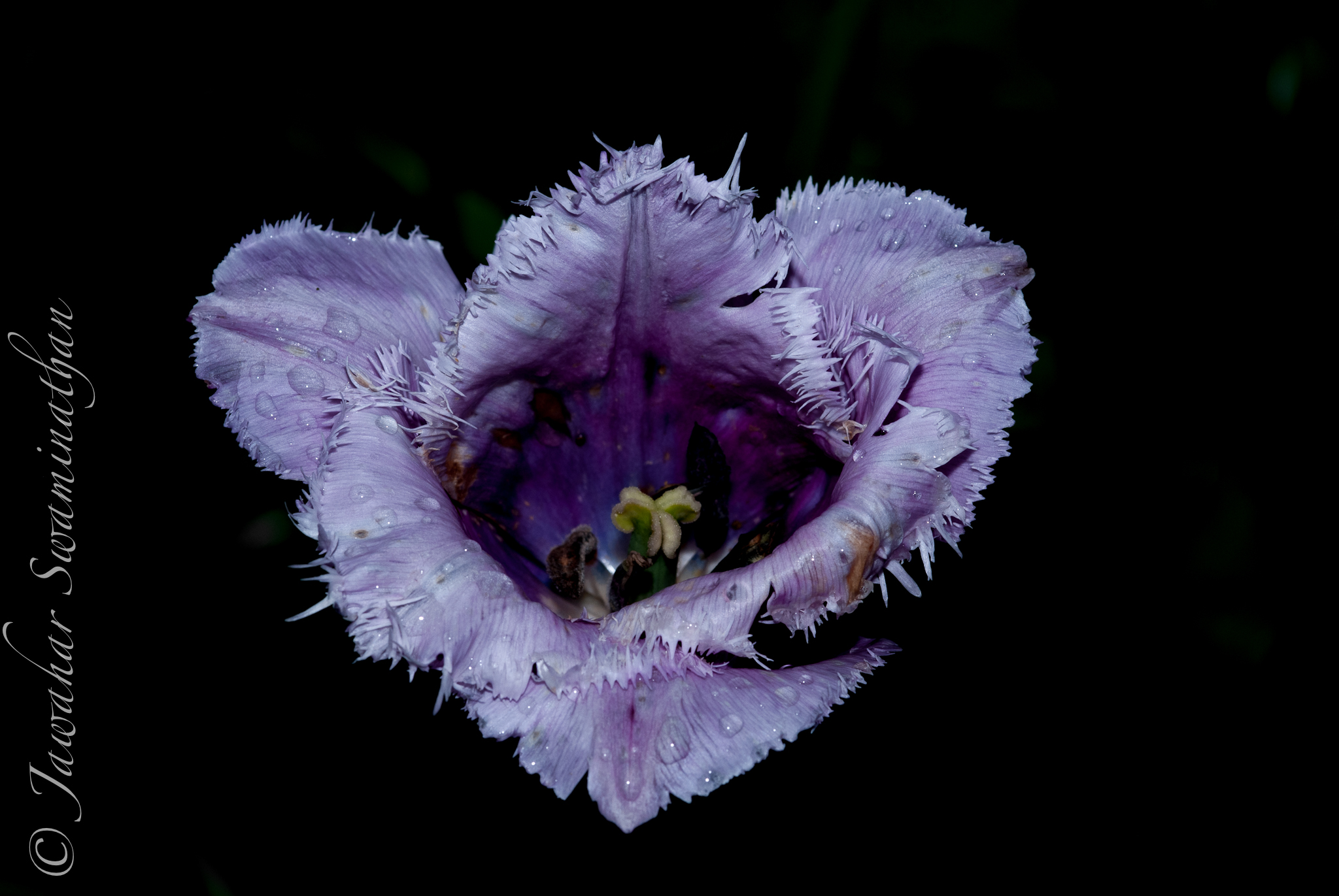
Batman (almost) tulip….
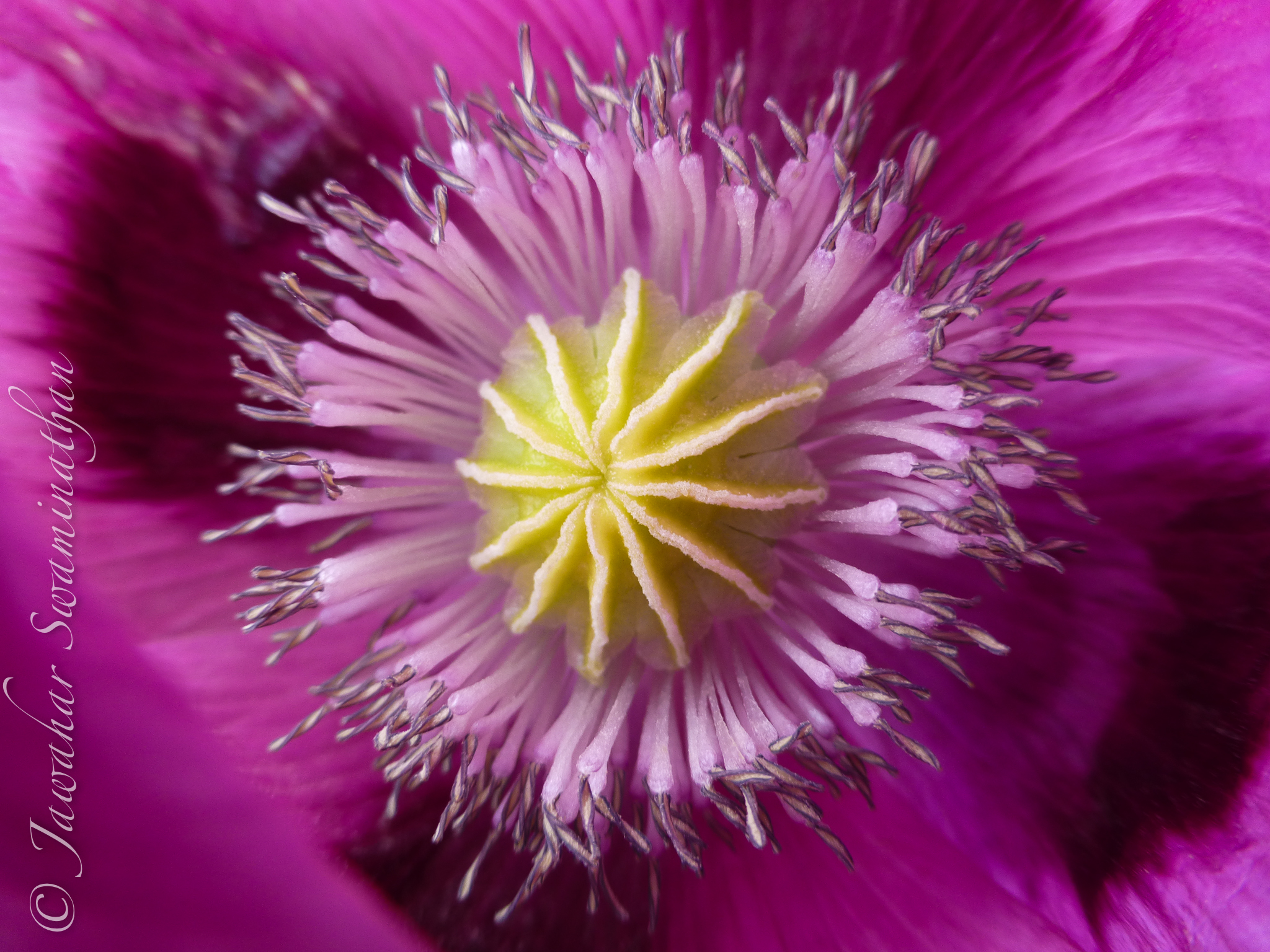
The heart of a wild poppy found growing on a hedgerow in the village of Hinxton
My last post in March on this subject dealt with the sowing and germination of often sought after indian vegetables that are difficult to grow under the temperate and wet conditions of the United Kingdom. This growing season has been one of the worst in the UK, with record rainfall and plummeting temperatures. As a result, the seedlings have had a long stay in the germinator and pots in a makeshift greenhouse. Ideally, the plants should have been out in their final positions by the beginning of May, but due to inclement conditions, they were only put outside in the beginning of June this year.
Lauki (Calabash) – The young plants have all survived the first growing phase, and were planted into plastic containers, with supporting stakes to give support to the delicate stems of the plant. Once the plants reached about a foot tall, they were trained on a trellis to enable their tendrils to twine around the support. The plants are in a sheltered place in full sun to maximise their chances of growth. The potting medium was one part topsoil, 2/3rds well-rotted compost and 1/3 grit to give good drainage.
Unfortunately, none of the ridged gourd (Turai) or bitter gourd plants made it to this stage, and died due to damping off disease brought upon by the unseasonal spring/summer this year. I have planted new seedlings using the methods described before.
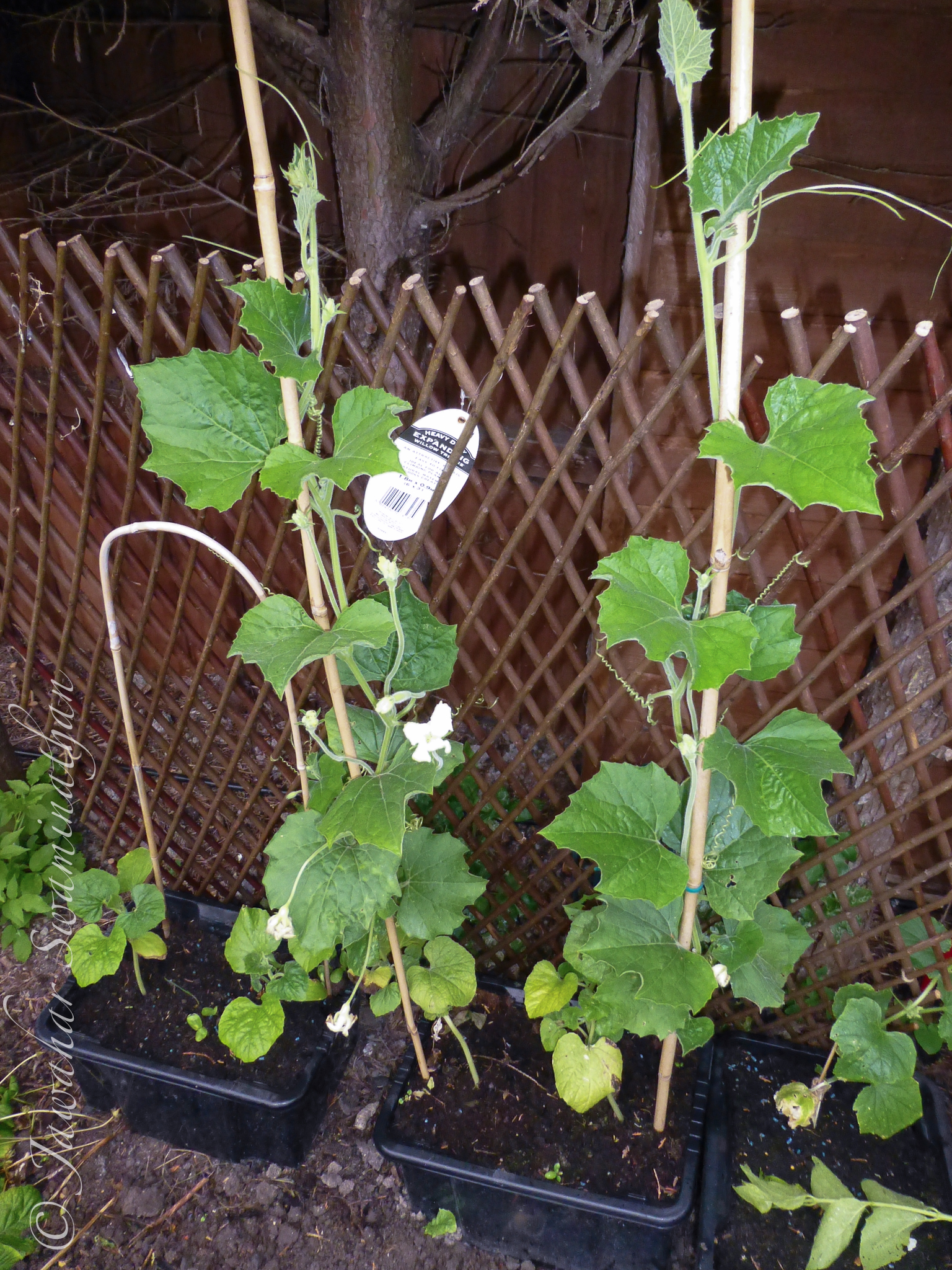
The calabash plants are now flowering profusely. As with all members of the Cucurbitaceae family, the flowers are either male or female. In most members of this family of plants, that include courgettes, pumpkins, cucumbers etc, male flowers are the first to emerge and can be easily identified by their absence of a fruit-like growth at the base of the flower. The female flowers appear a little later.

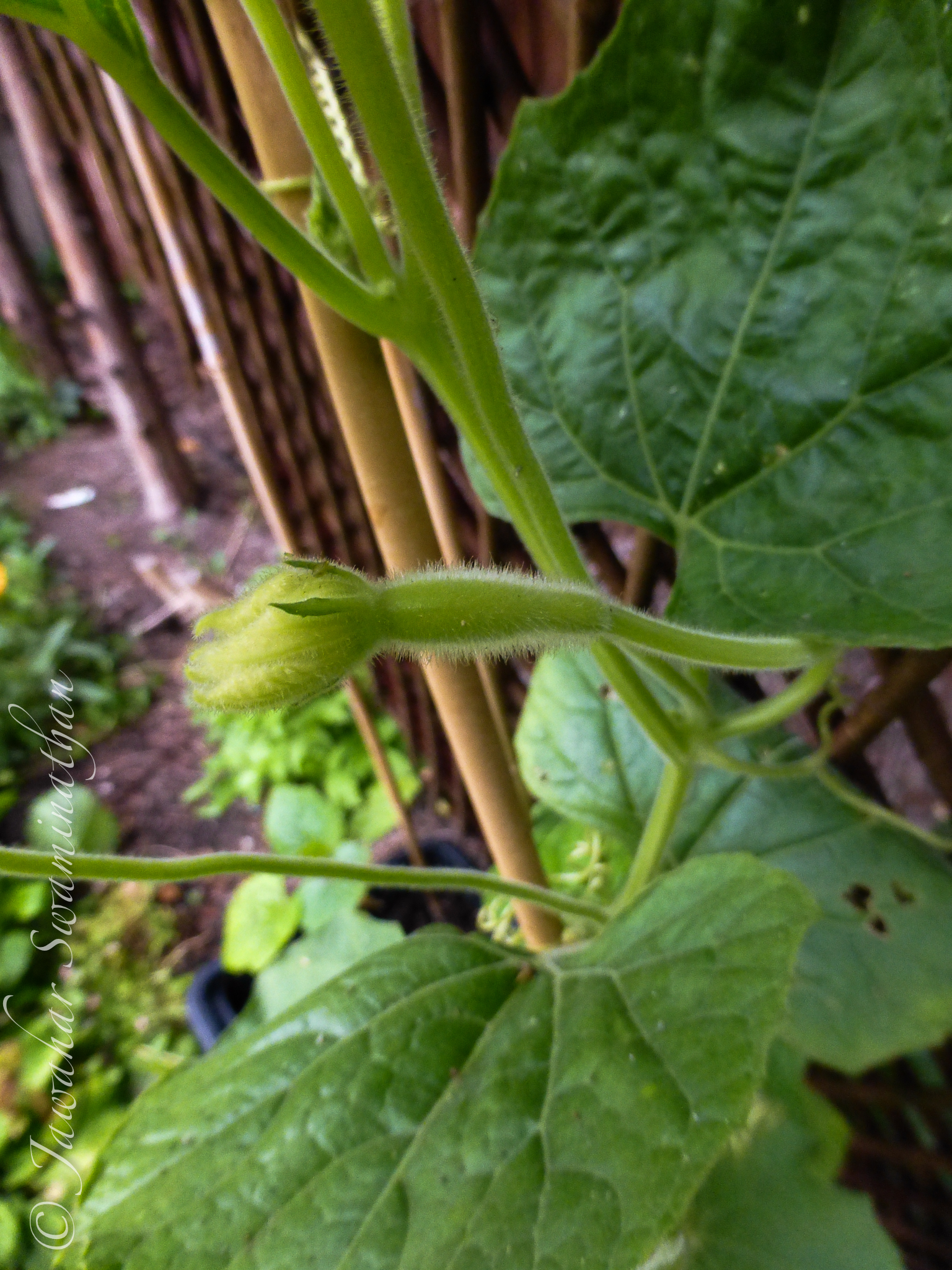
The female flowers are easily identifiable by the presence of a fruit at their base (as in the picture below).
These plants also branch extensively so it is a good idea to have a trellis or netting that allows for side shoots to grab and grow.
Now it is just an issue of wait and watch while the plant grows taller and hopefully produces decent sized gourd for consumption.
Additional Reading:
This is part 2 of my series about photography using the iPhone. The pictures below were taken with just the phone, and attempting to reach the closest focussing distance. No post-processing of the images done to alter the images from the camera.
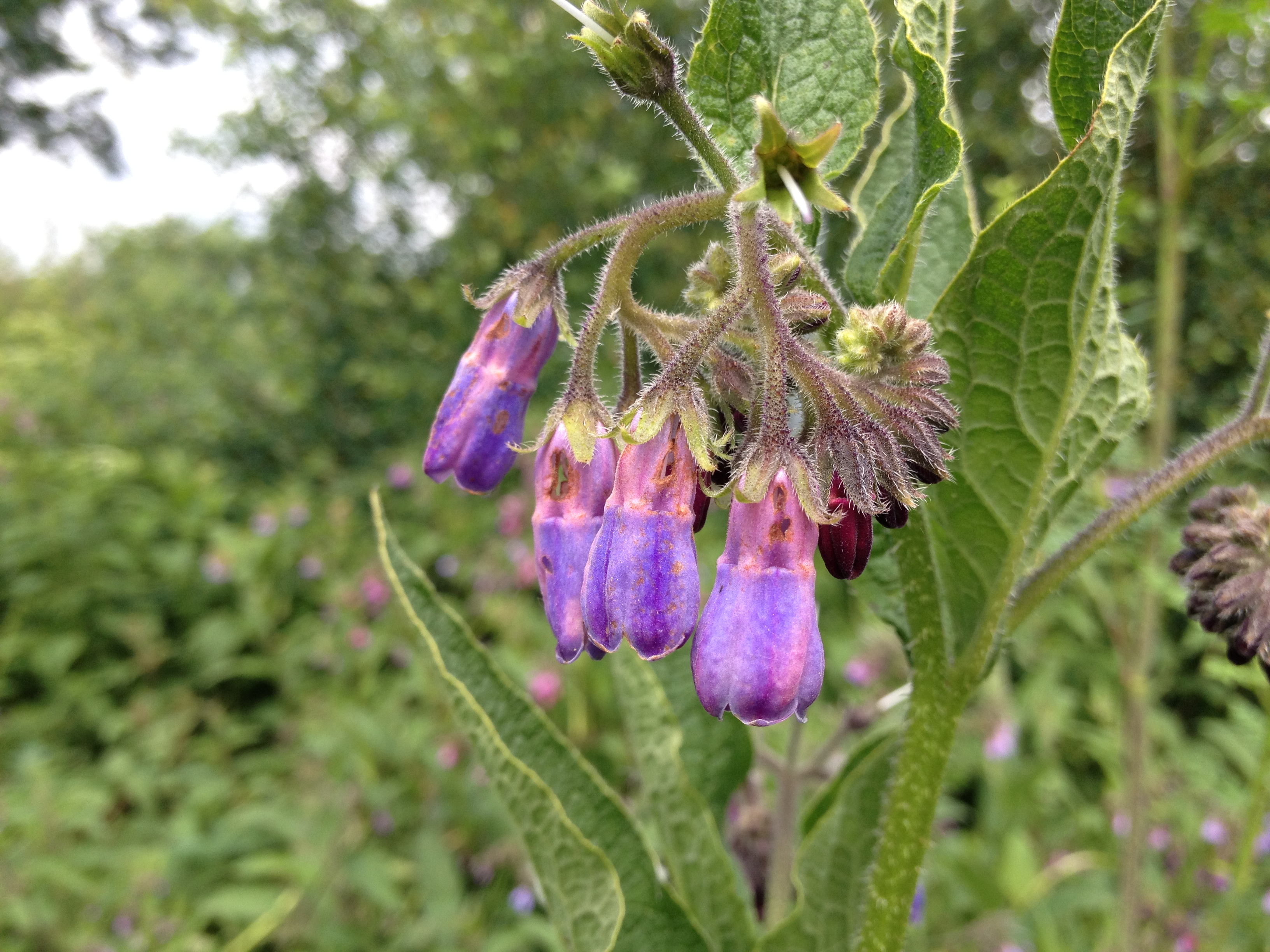
The first two pictures are those of comfrey flowers. Comfrey has known medicinal properties and generally tends to grow as a weed in the United Kingdom. One particular use of the plant is to soothe the skin from nettle rash, handy considering that these are invariably found growing close to one another!
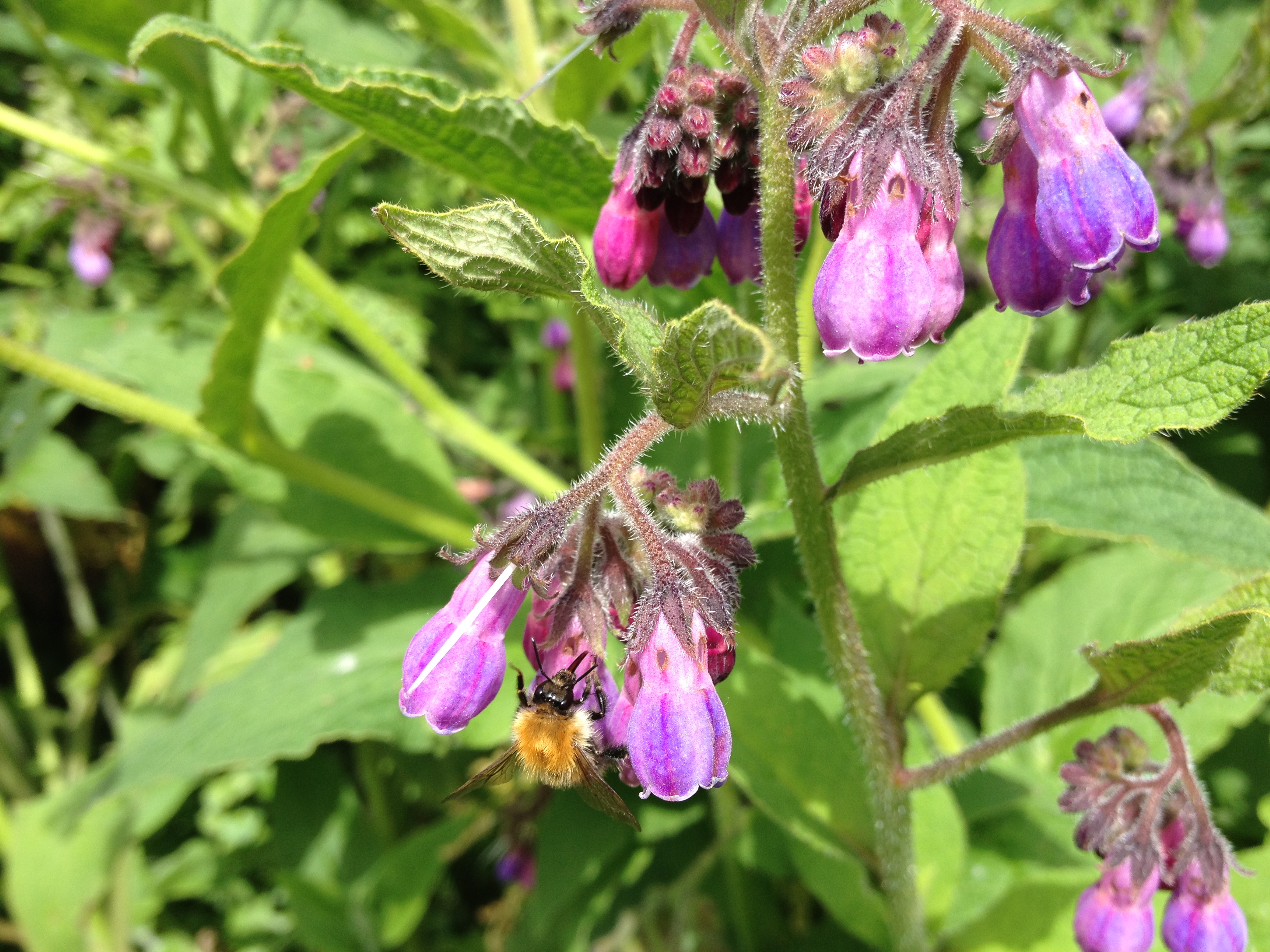
The flowers range in purple to blue and seem to change colour with age of the flower.
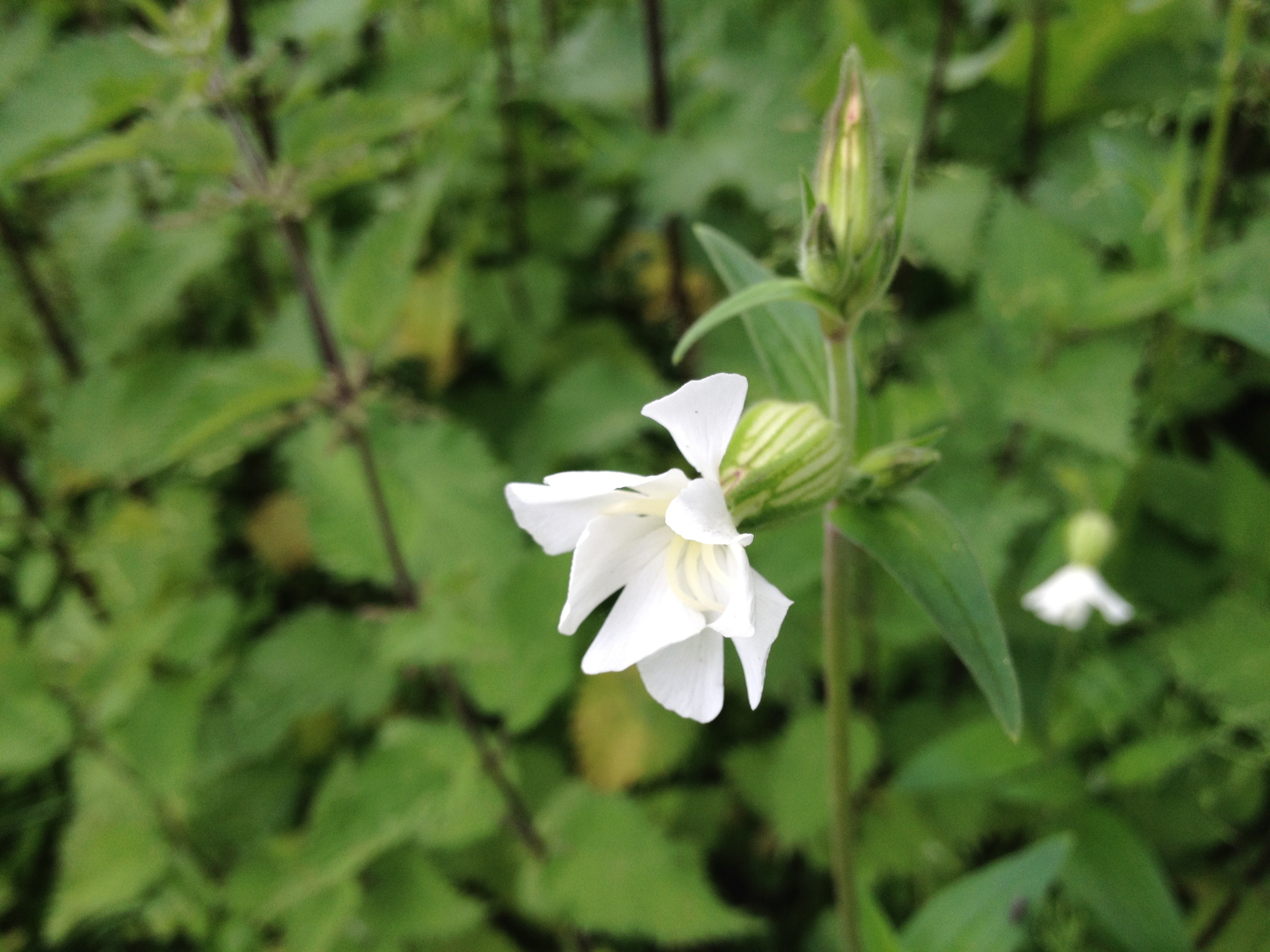
The flower below is about 2 cm across and grows in the undergrowth. Unfortunately I’ve no idea what this flower is, so if anyone knows, please let me know :-).
Given that the iPhone can take really interesting photographs without having to use software apps (Instagram etc) if the lighting is good, I’m not going to have that awful moment of panic when I realise I’ve forgotten my camera at home!
Continuing with the theme of using the iPhone camera for some standard shots. The following pictures were taken using the Camera Awesome app. No post processing done.
I must admit that the iPhone camera is pretty decent and with a minimum focussing distance of about 3-4 inches, and with the Camera Awesome app I can adjust both the focus and exposure areas.
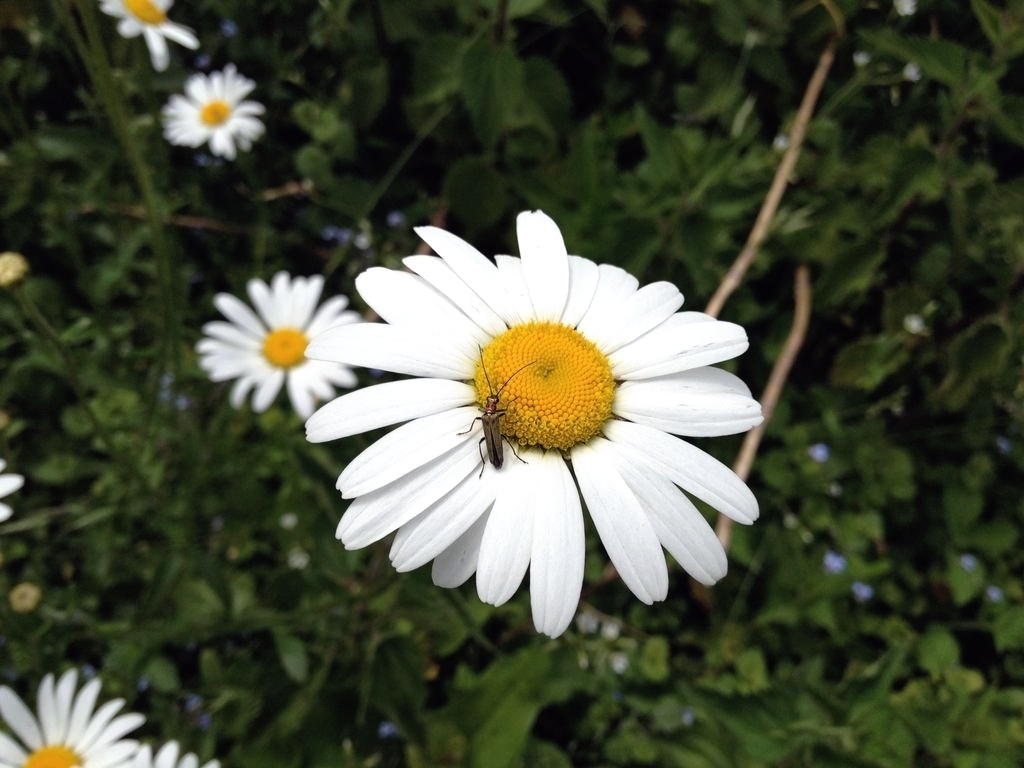

The problem with the iPhone camera remains that the lens is off centre and it takes a little time to get used to it. And in the absence of optical zoom, keeping the phone far away from oneself just increases the shake. But at the end of the day, its a phone with a camera, and a good one too!
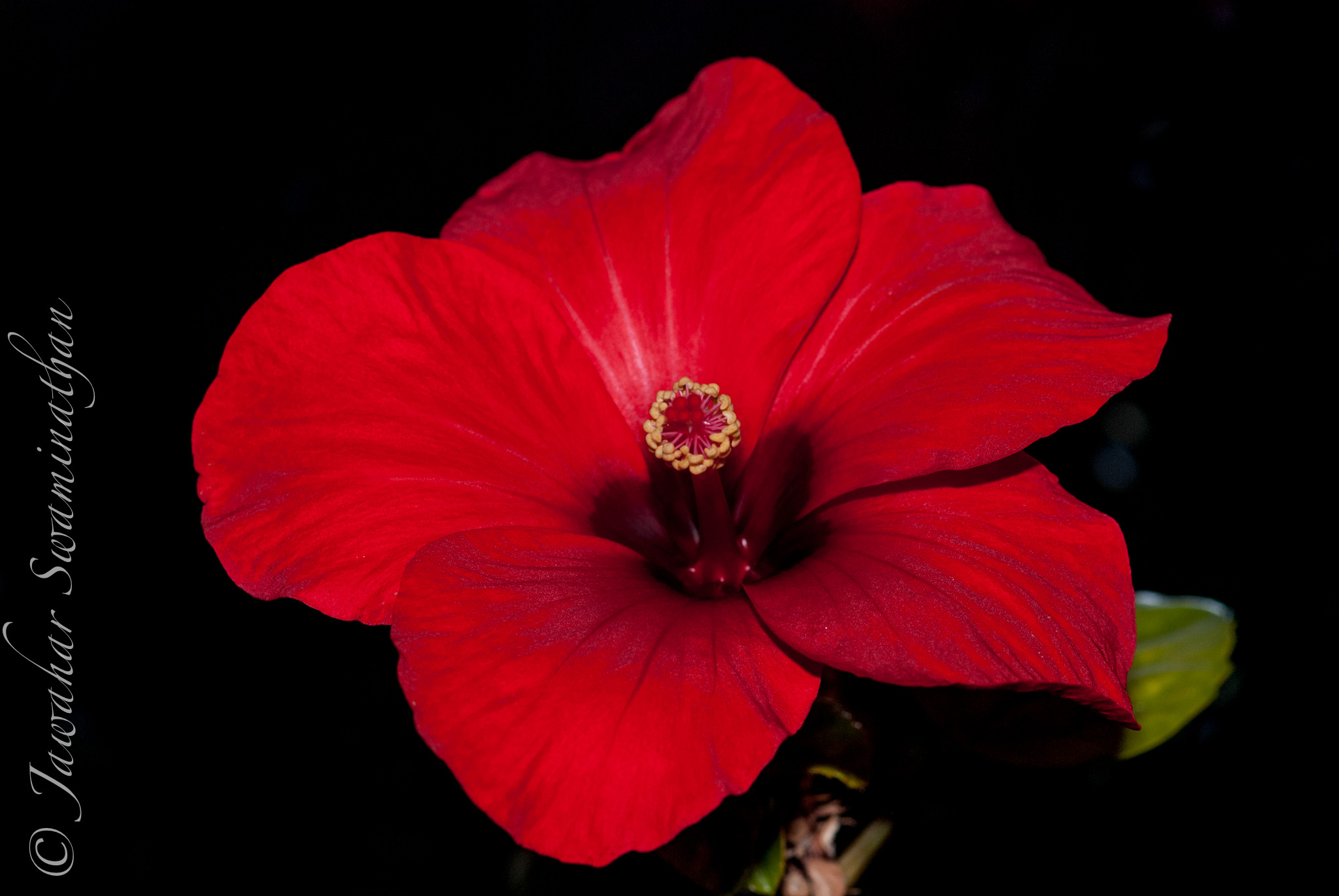
Growing Hibiscus indoors in a country like Britain poses challenges. For one, these plants need to be grown inside the house all year round, and need good warmth and sunlight. But the troubles fade when the flowers begin to appear. Big red (or orange/white depending on the variety) short-lived flowers add much-needed splash of colour indoors and offer a hint of the orient!!
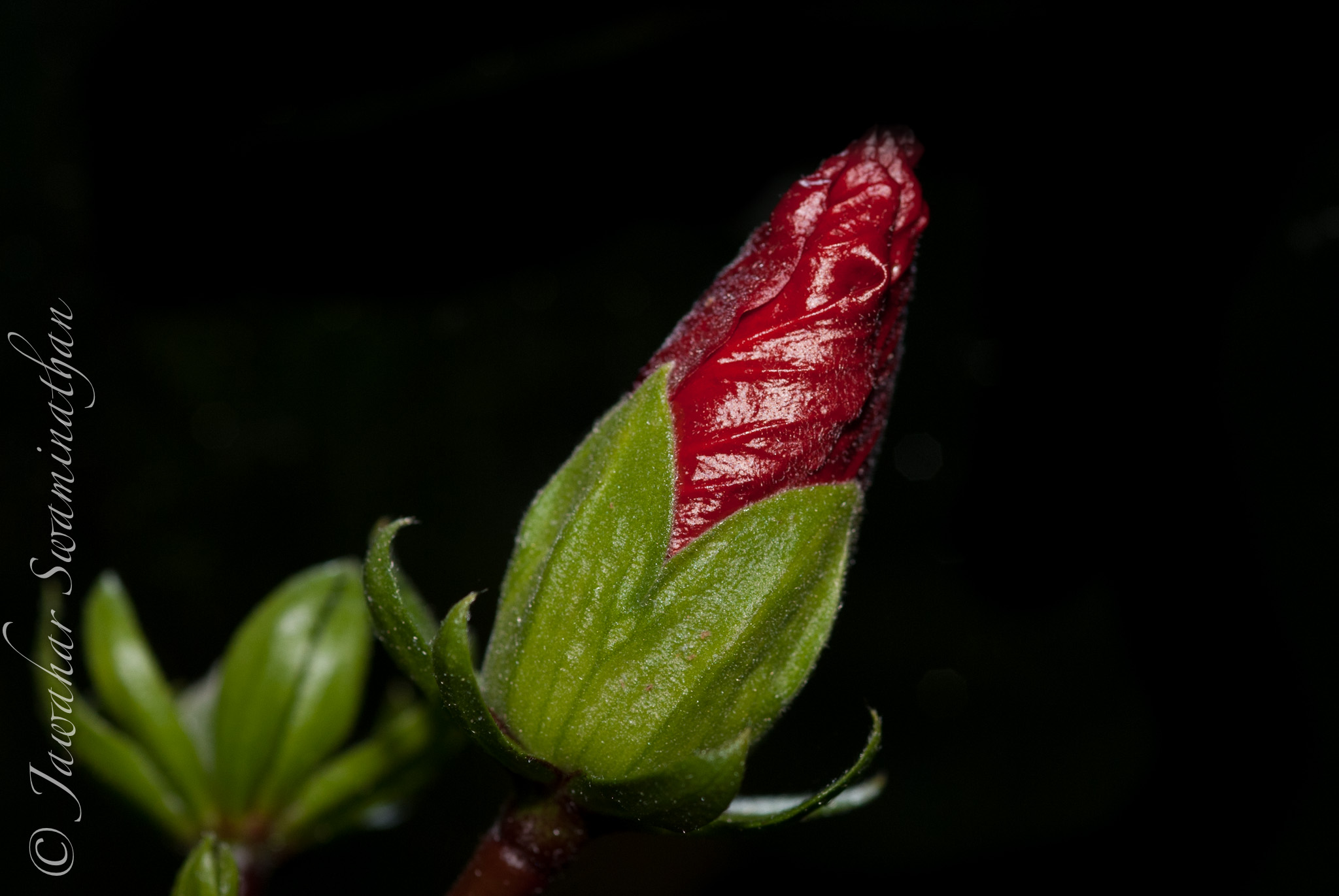
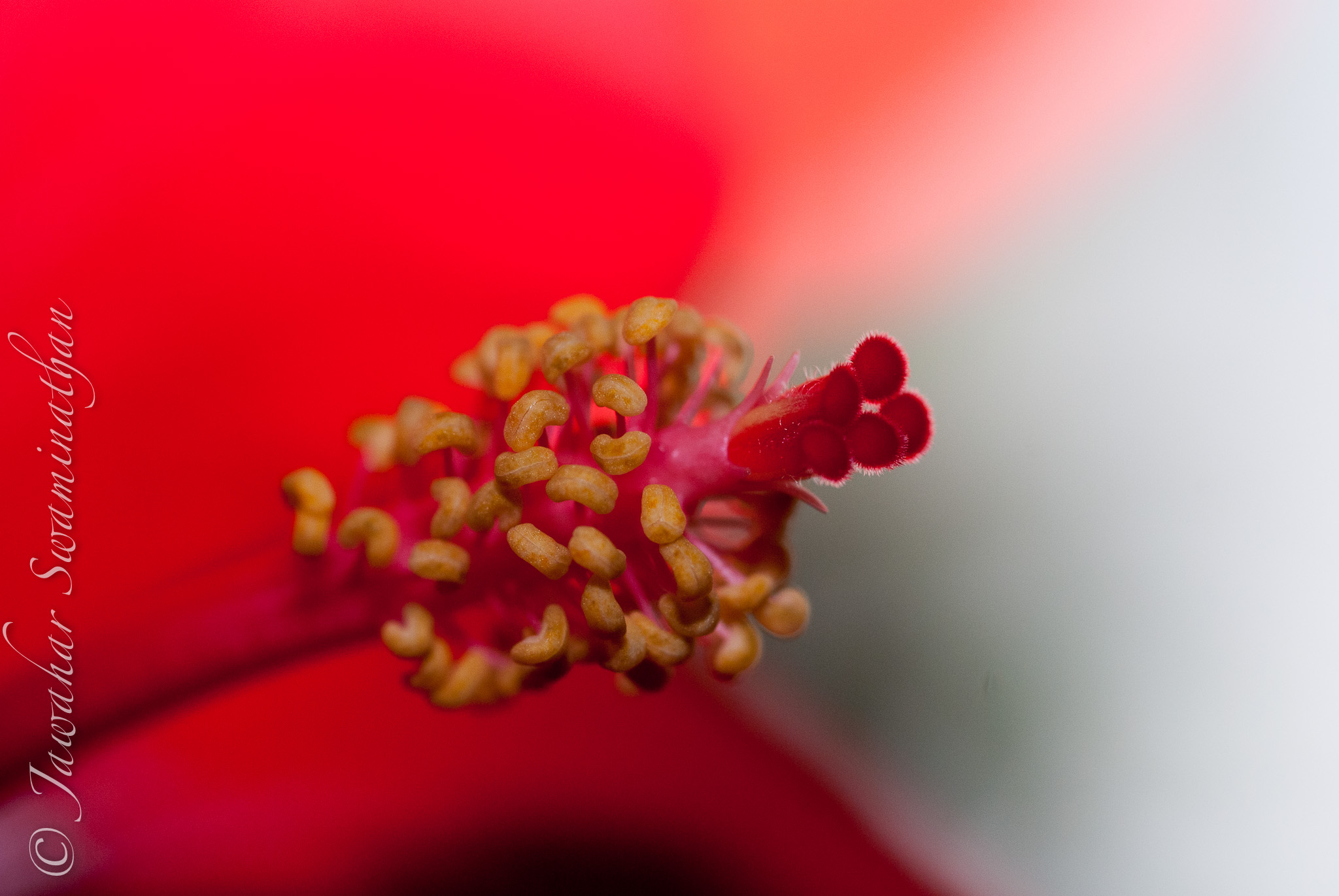
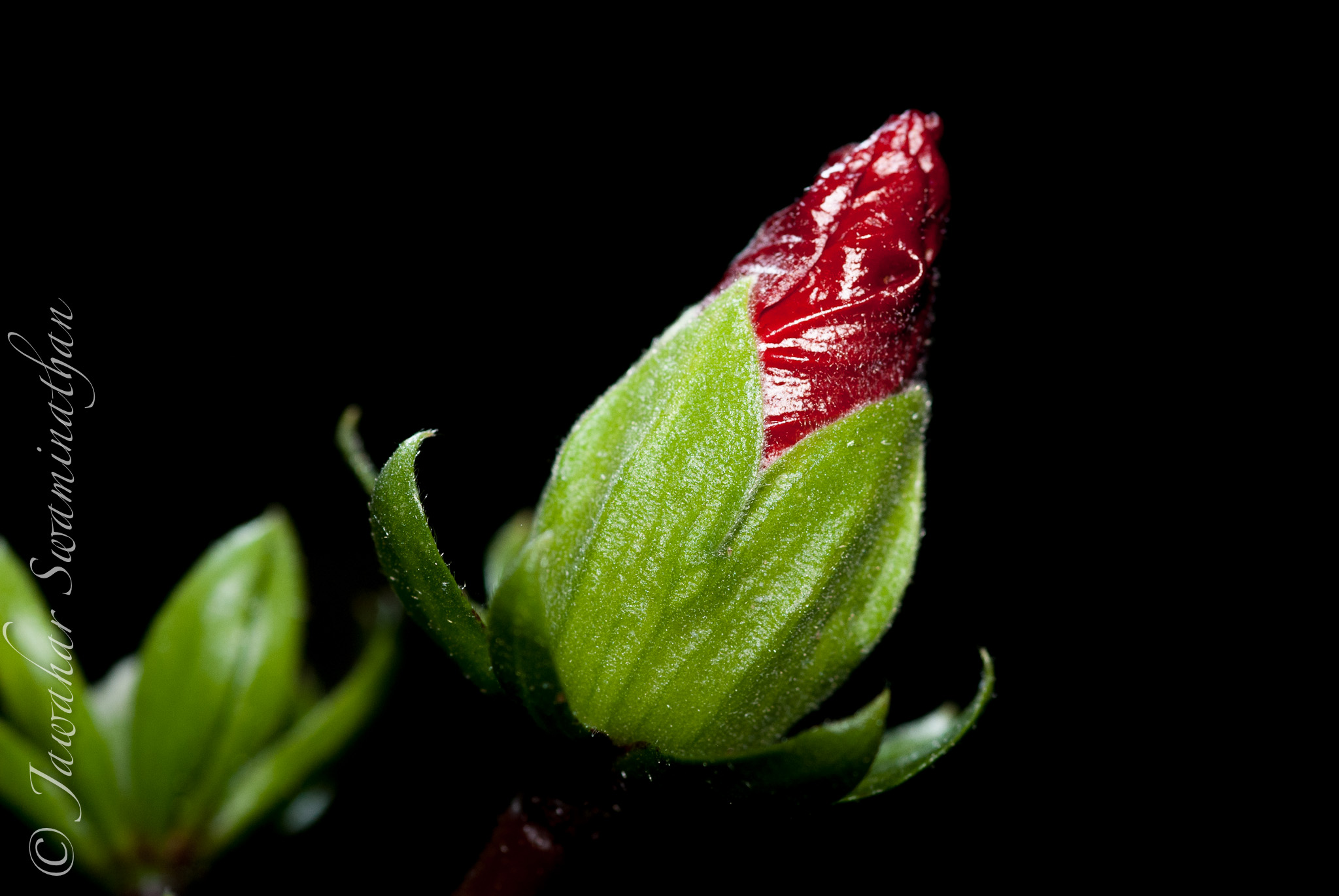
A hibiscus bud against a black background. 1/2500 f/7.1 ISO200. Flash used to underexpose background.
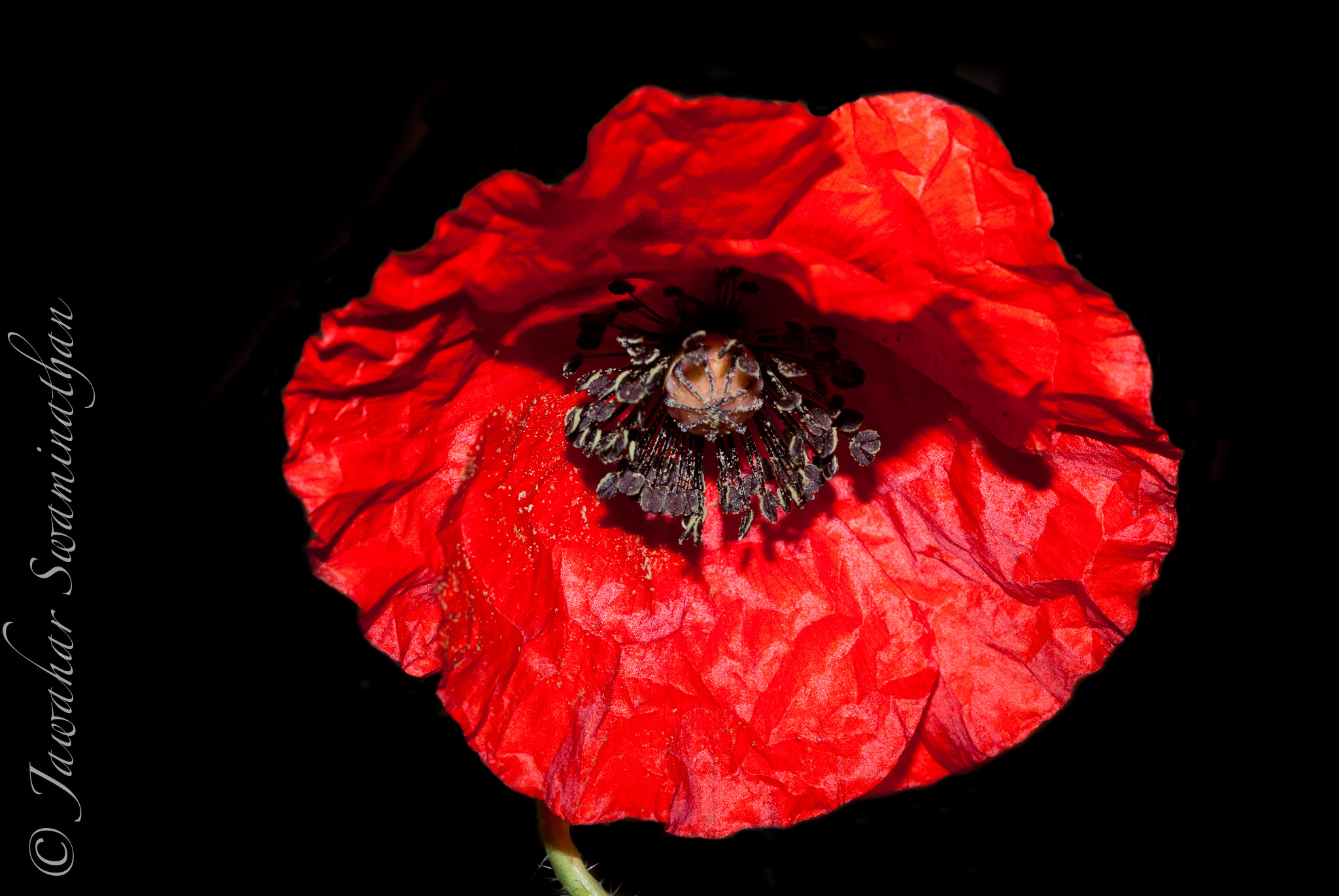
I bought a bunch of fenugreek leaves yesterday from the market, and while stripping them, found a half-dead poppy bug with stalk. Within an hour of putting the stalk in a bowl of water, the flower had opened up.. This is that very same flower. Question is? Which country did this poppy originate from? It is too cold in the UK to as yet have fenugreek plants 🙂
1/1600 F11 with flash to keep background under-exposed.
Bellis is the scientific name for a family of plants that include the common daisy. The latter derives its name from the saxon word “days eye” which describes the opening of the petals to show the bright yellow centre (eye) in the mornings, to closing them at dusk. The expression “fresh as a daisy” derives from the fact that the flower appears fresh and rested every morning.
One legend has it that the Bellis is named after a nymph or dryad called Belides. According to legend, Belides was dancing in the woods with her lover Ephigeus, and attracted the unwanted attention of Vertumnus, the god of seasons, gardens, fruits and orchards. In order to avoid Vertumnus and protect her lover Ephigeus, she turned herself into the flower we know as the daisy.
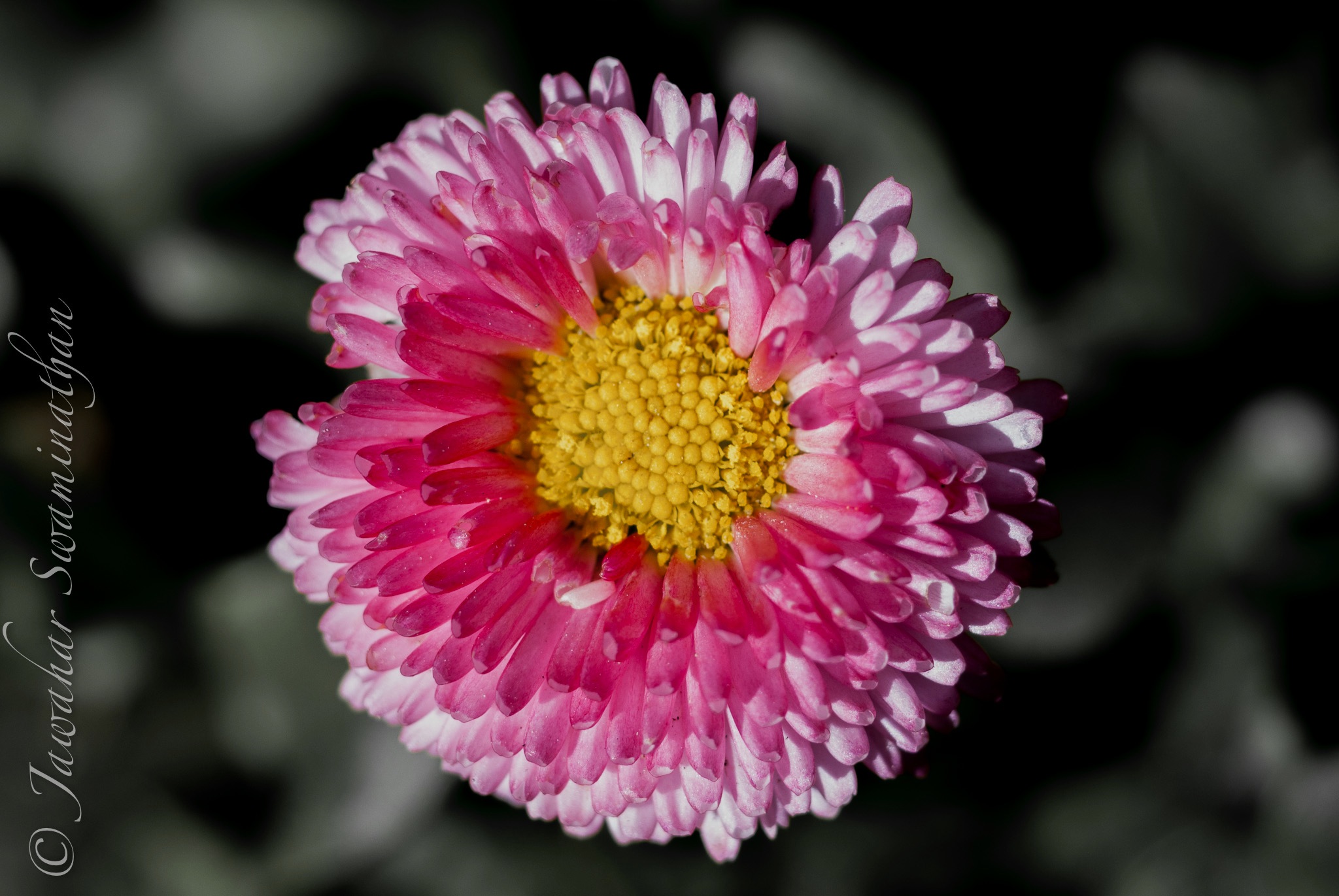
Dare I say spring might finally be on its way? After a long and bitterly cold winter here in the United Kingdom, and not to mention a few false starts along the way, it looks like spring might finally be here to stay.
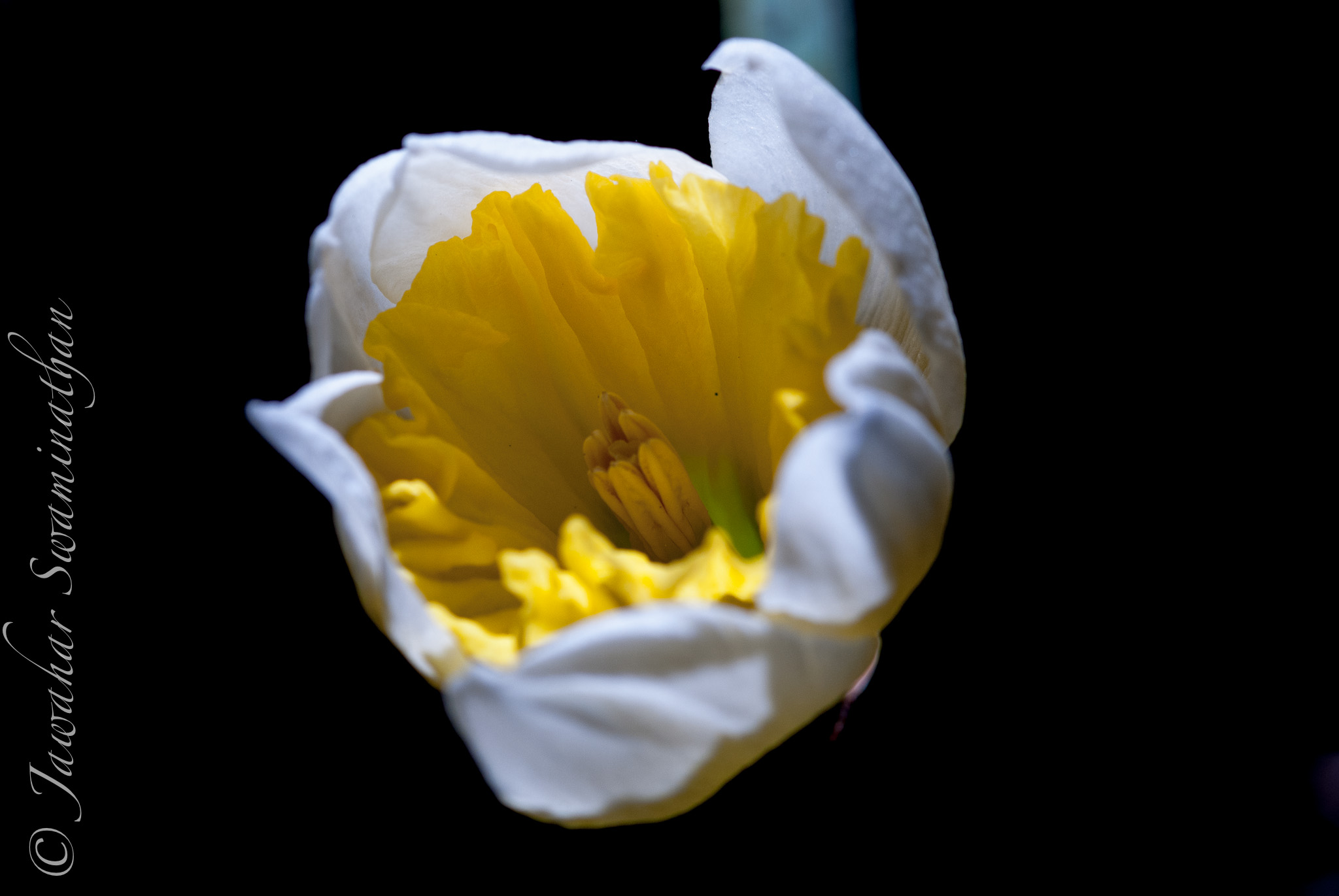
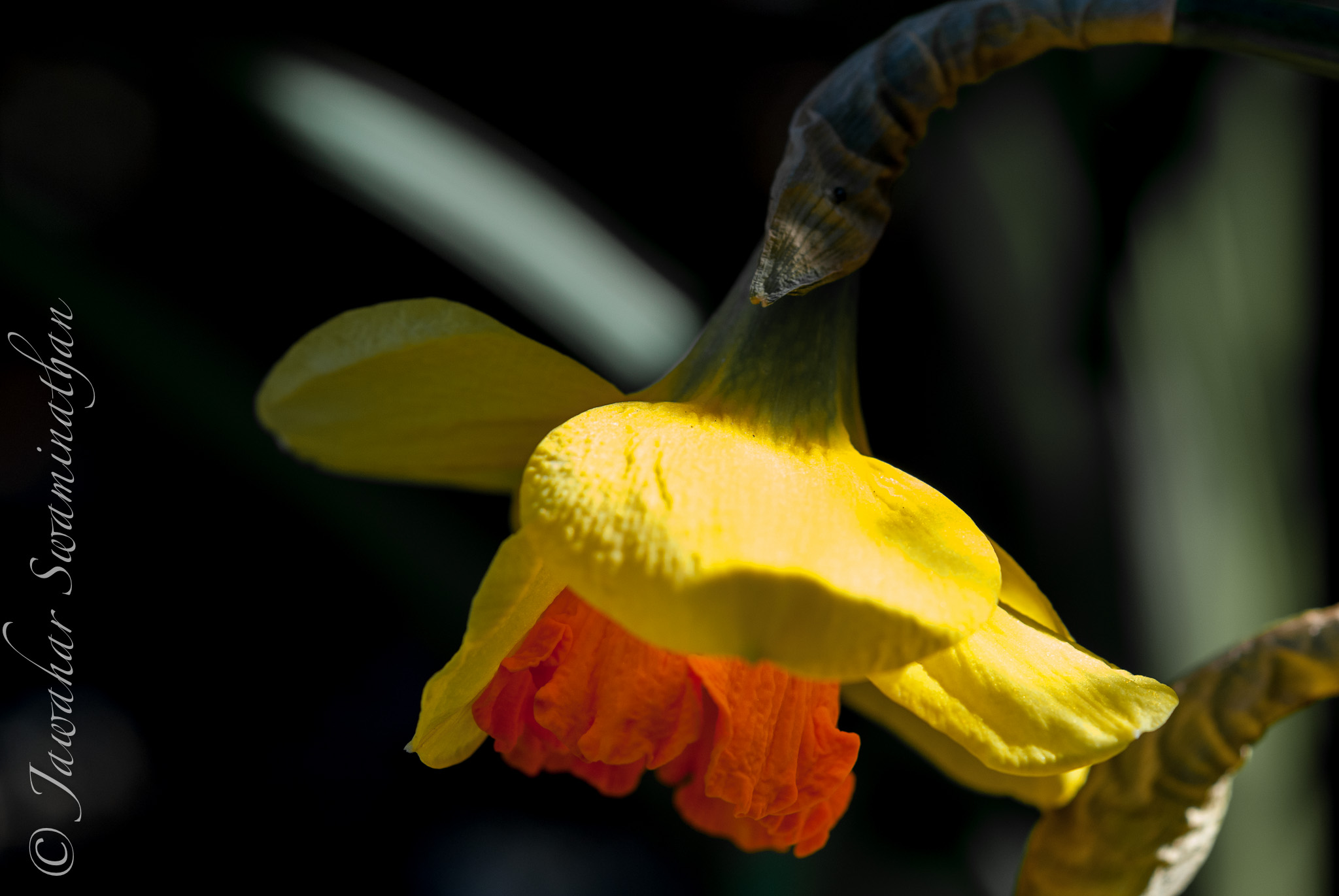
Glorious sunshine, blue skies and the signs of growth and rejuvenation. Daffodils colour the landscape in hues of yellows, oranges and white. This narcissus typifies the beauty of spring and belies activity that is obvious in nature. I shot this picture at a high shutter speed with the aperture stopped at f8.0 to keep the background dark. As it was the flower was conveniently highlighted by a lone ray of sunlight through the hedge.
Ladybird beetles show signs of renewed activity. The browns, greys give way to reds, greens and other colours resplendent of spring. And I’ve been out in the spring sunshine, in trying to capture the feeling of joy (and relief) that the days of shivering are a memory of times past and yet to come in the distant future.
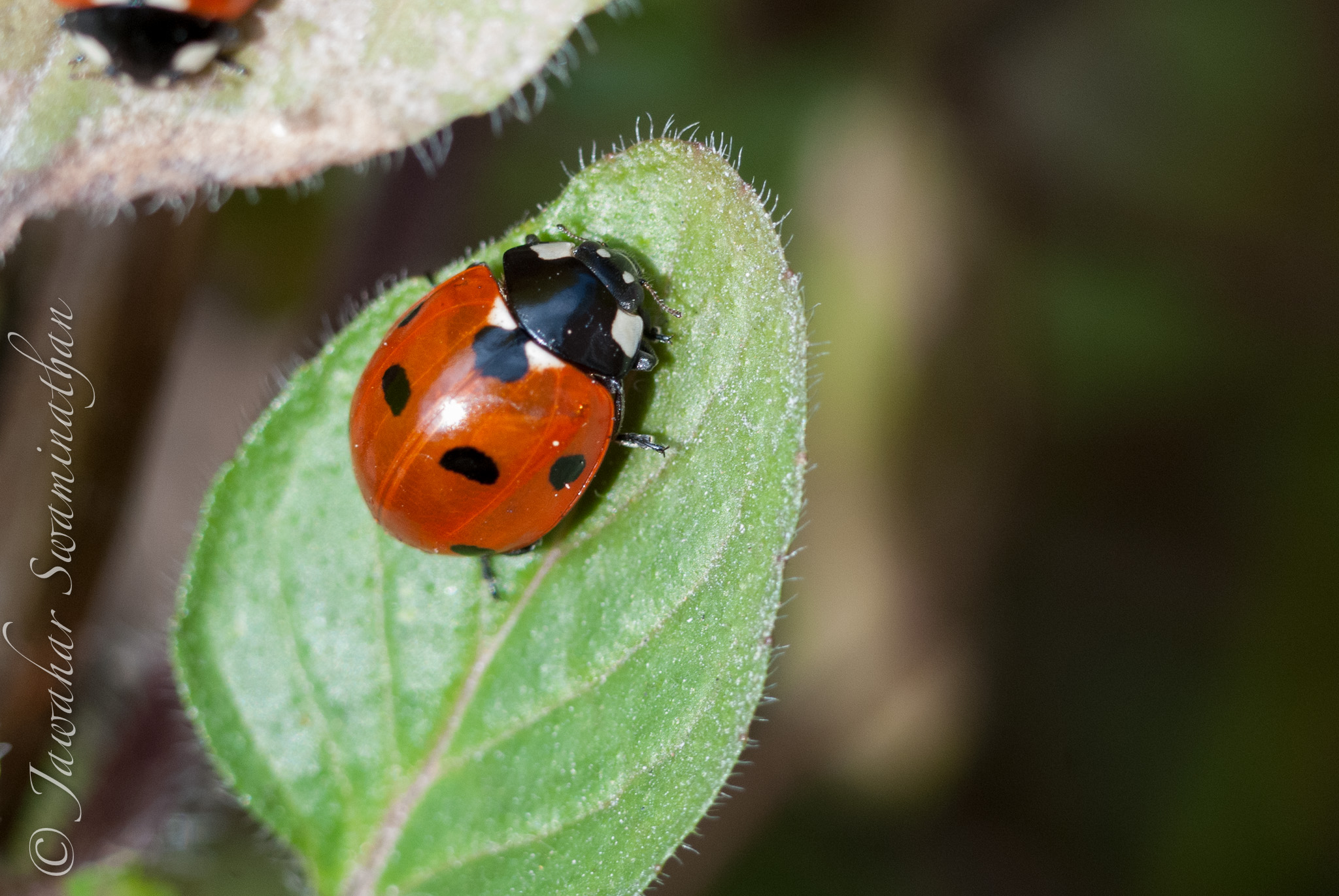
This picture was shot with the use of a 10mm extension tube with a Sigma 105mm f2.8 macro lens. The image has been cropped very slightly to remove extraneous distractions.
Surely, with so much happening around, spring is surely here to stay? This yellow-orange daffodil was shot in my garden. In order to get this angle, I had to sprawl on the ground (my muddy jeans bear witness!). 1/200 f6.3, 105mm f2.8 Sigma Macro lens.
 Juridicious