Have you ever wished you knew the name of that plant with those bright flowers that you encounter in the countryside, or even your backyard? Even if the plant were a weed you wanted desperately be rid of, wouldn’t it be nice to kill it after you knew what its name? Some people tell me there’s no fun in classification as it spoils the enjoyment that can be had by just admiring what nature gives to us. Isn’t that a bit like saying “I love this beautiful town, but I don’t really want to know where I am!“. Giving names to things we see is, to me at least, a means by which we make sense of the world around us, communicate with others, and have a common platform for exchange of information and knowledge.
My lunchtime walks in South Cambridgeshire often take me across hedgerows, fallow fields, meadows and suchlike. In the summer, these abound with myriad flowers and plants of various sizes, hues and colours. Barring the most coarse of classifications – “that looks a bit like a daisy” or “probably related to the pea family” – I didn’t have a clue on what these were called. As someone who regularly carries a camera, it was most dispiriting not to know what flower one was taking a picture of. I recently bought an excellent guide of British Wild Flowers by Paul Sterry and used it to identify the flowers that follow. There is also this brilliant website – http://wildflowerfinder.org.uk/ that is very useful in identifying wild flowers.
Another flower that I see everywhere these days is the Great Willowherb (Epilobium hirsutum). The plants are between 1-2m tall and have lots of purple flowers with white insides and a 4-lobed stigma.
Great Willowherbflower (common and widespread in the UK)Common centaury (Centaurium erythraea)– from the same family (Gentianaceae) that gives us name gentian blue.. Flowers 10-15mm across on plants that are no more than a foot tall.
Bindweed – Convolvulaceae
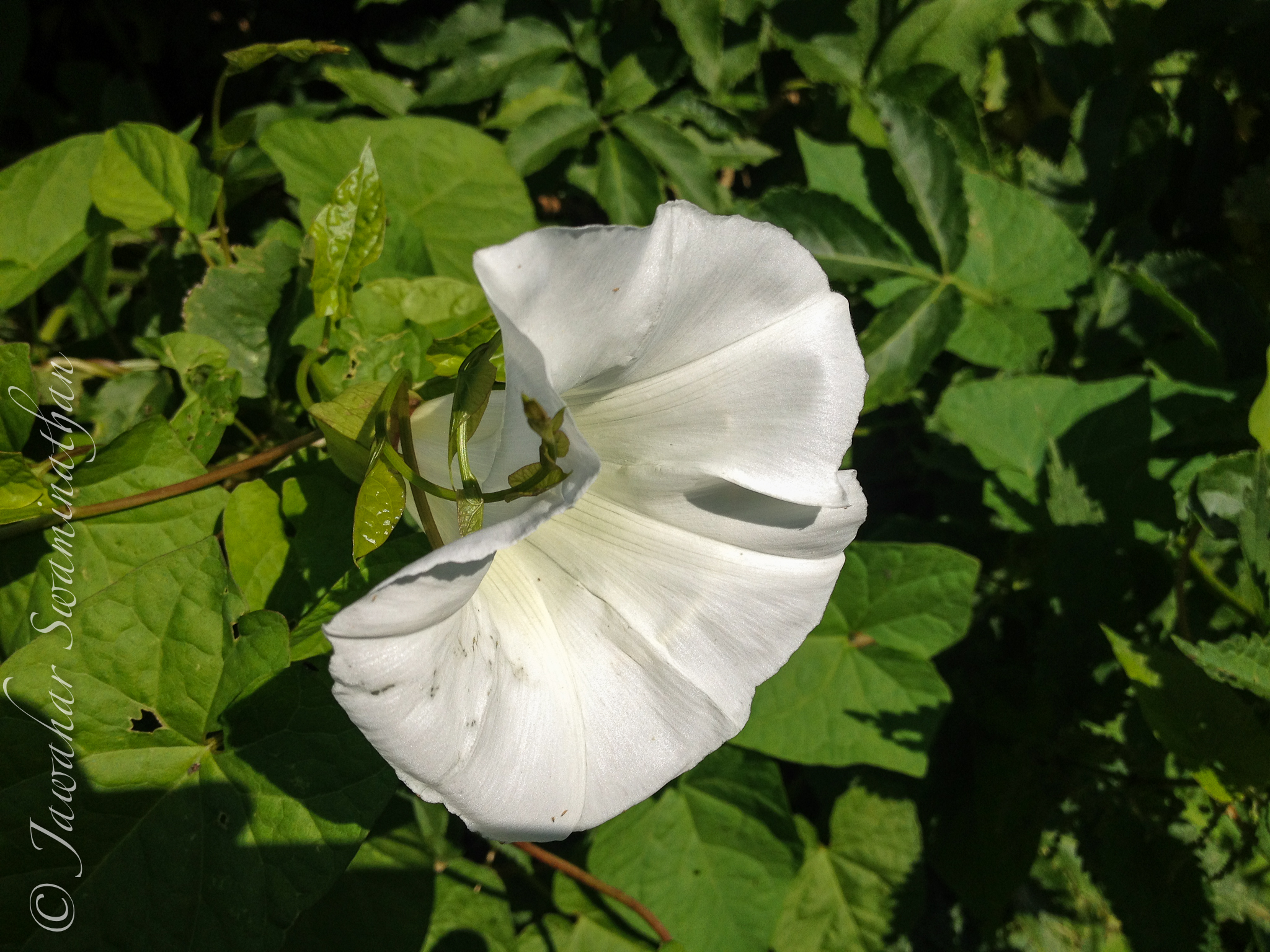
The scourge of the english garden, I didn’t realise that there are different sorts of this member of the morning-glory family of mostly creeping plants. Easily identified by their funnel-shaped flowers. The convolvulaceae also include food bearing plants like sweet-potato (Ipomoea batatas). Here are two of the bindweed family (one of these is slowly killing my hedge as well!).
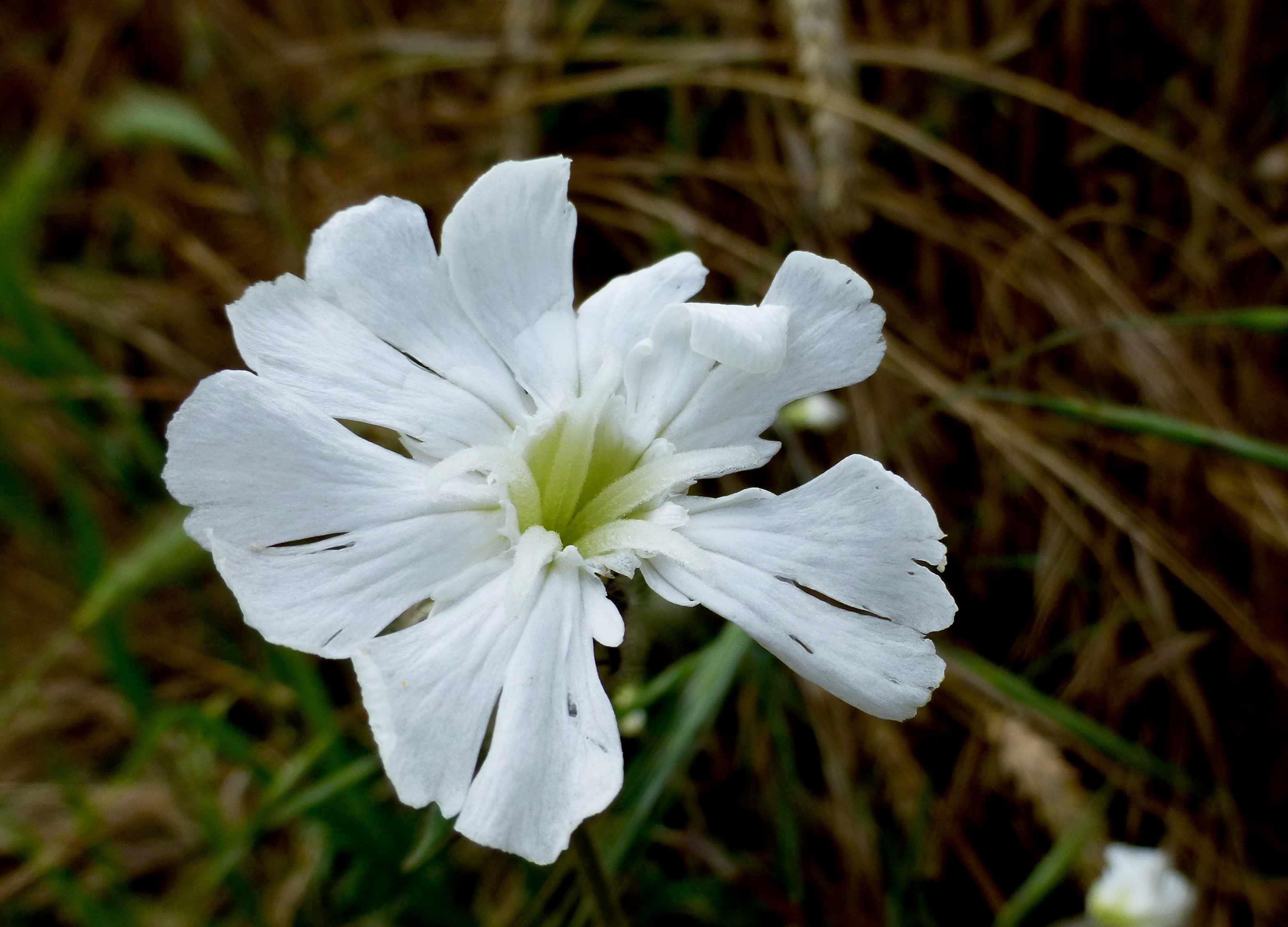
Campion: I see this plant with its funny flowers almost everywhere (they have this rather bulbous base which makes it look like the flower squeezing out), only I didn’t know what its name.
That concludes my first foray into wild flowers in Britain. As I seem to have many more unidentified flowers in my collection, it looks like I have some more reading to do! If, like me, you’ve been ignorant of the sheer variety of wild plants in your neighbourhood, I hope I’ve provided some initiative for you to get out and find out what they are.
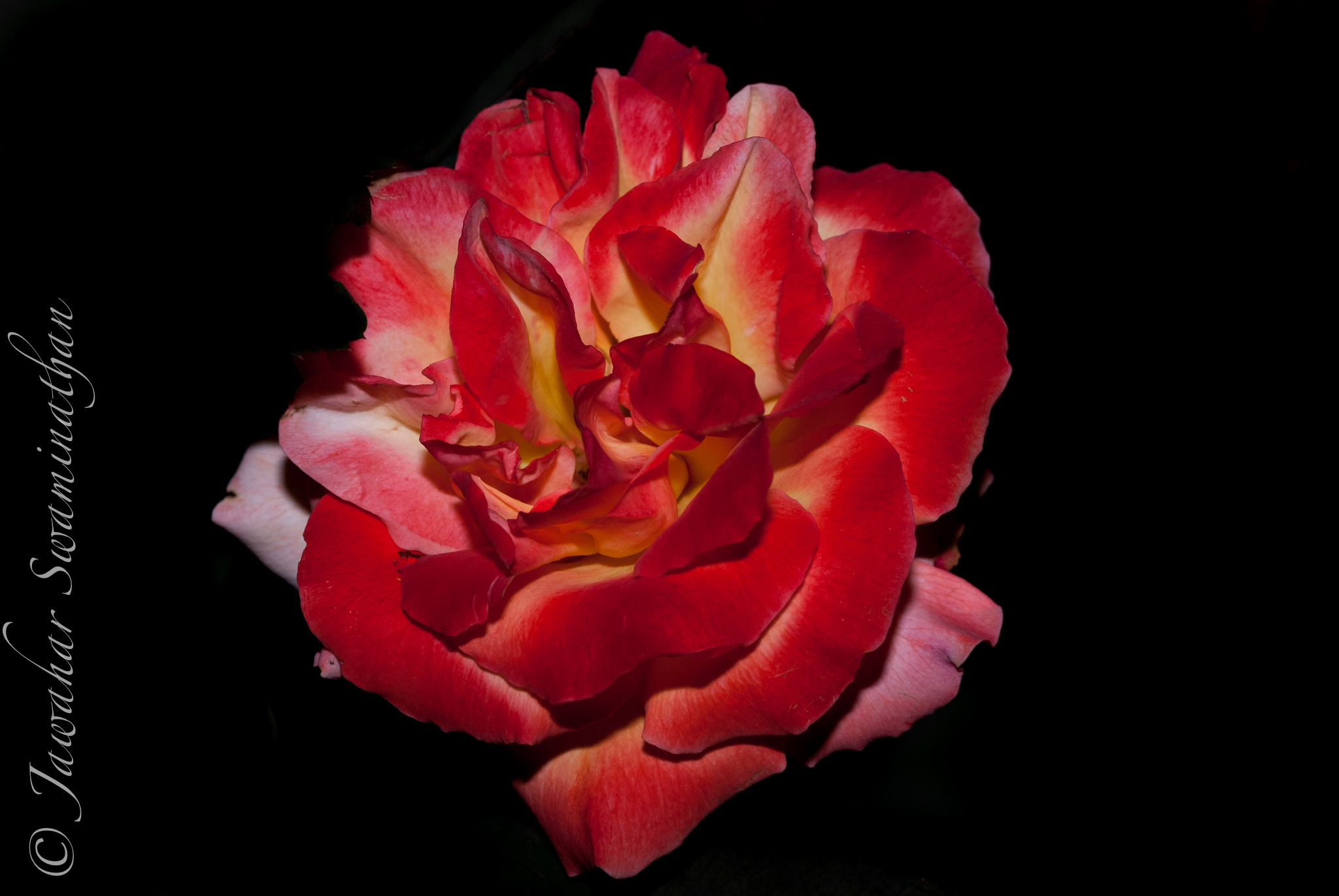
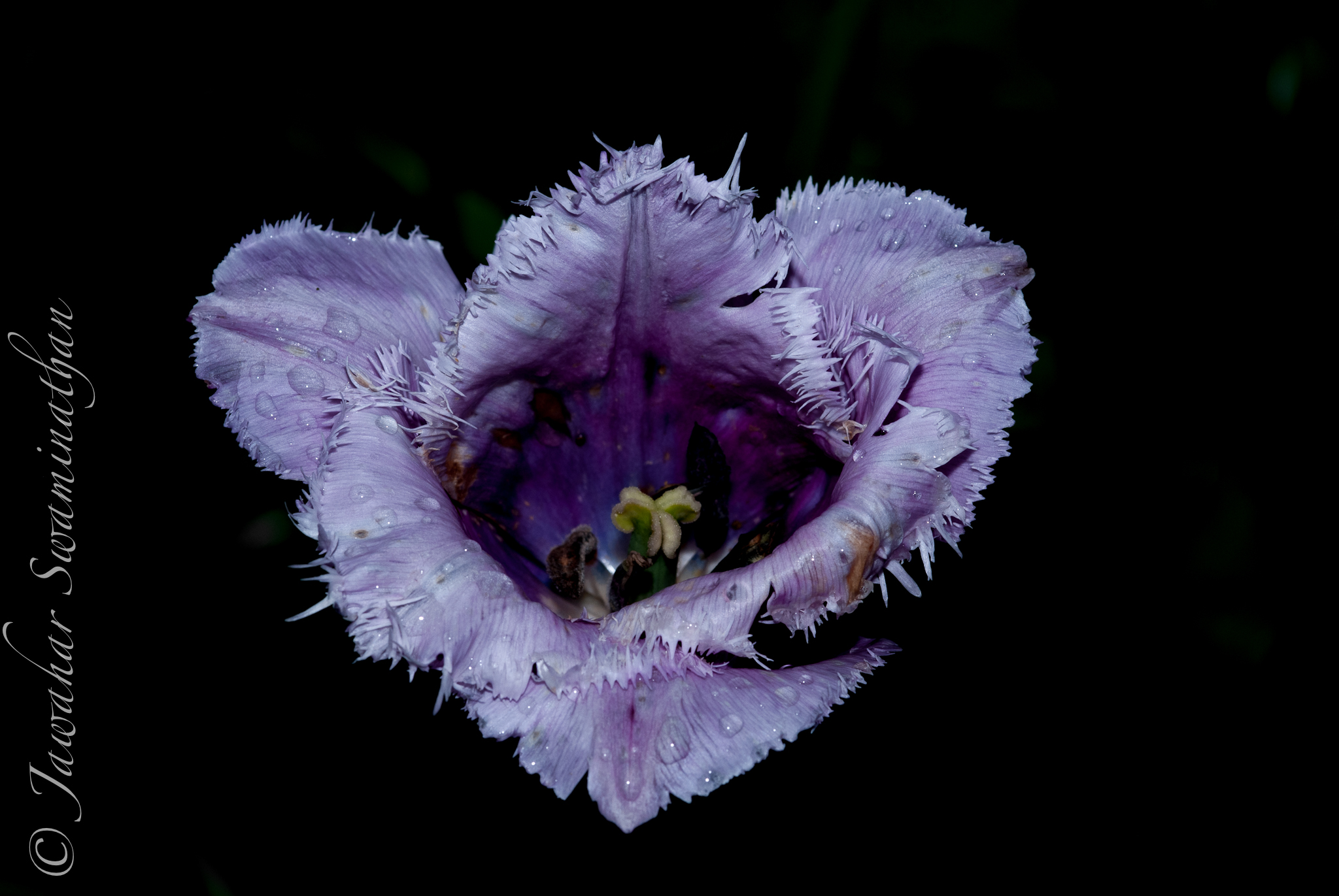
I love taking pictures with a black or underexposed background. Most of my pictures are taken in daylight. There are two tricks I use to get to a suitably dark or sometimes totally black background. As I’ve been asked many time how I do this, here’s is the first way.
Using an external flash with the camera set to a very high shutter speed (> 1/2500) and a high aperture (~f/14). This ensures that the foreground is well exposed and there isn’t enough time for the sensor to record the background which then appears dark. Slight adjustments in Lightroom to increase black and the photograph really stands out.
Original image 1/3200 f/14 with external SB600 flashAdjustments in Lightroom. Increased blacks, desaturated greens, increased highlights.
It is really that easy!! Of course, it always helps if the background isn’t too crowded or very bright. Also using a high aperture means that most of the image is in focus. In a future post, I will try to cover other ways by which I get a black background (especially in those cases where this method is not possible).
These pictures are from my last visit to India in early January. This is the Dona Paula beach in Panjim, Goa. These shots are at about 7:30PM IST, well past sunset.
Dona Paula beach, Goa. 1.6sec f/3.5 ISO200
;
Boats in a tranquil sea. Dona Paula beach. Goa 1.6sec f/4.0 ISO200
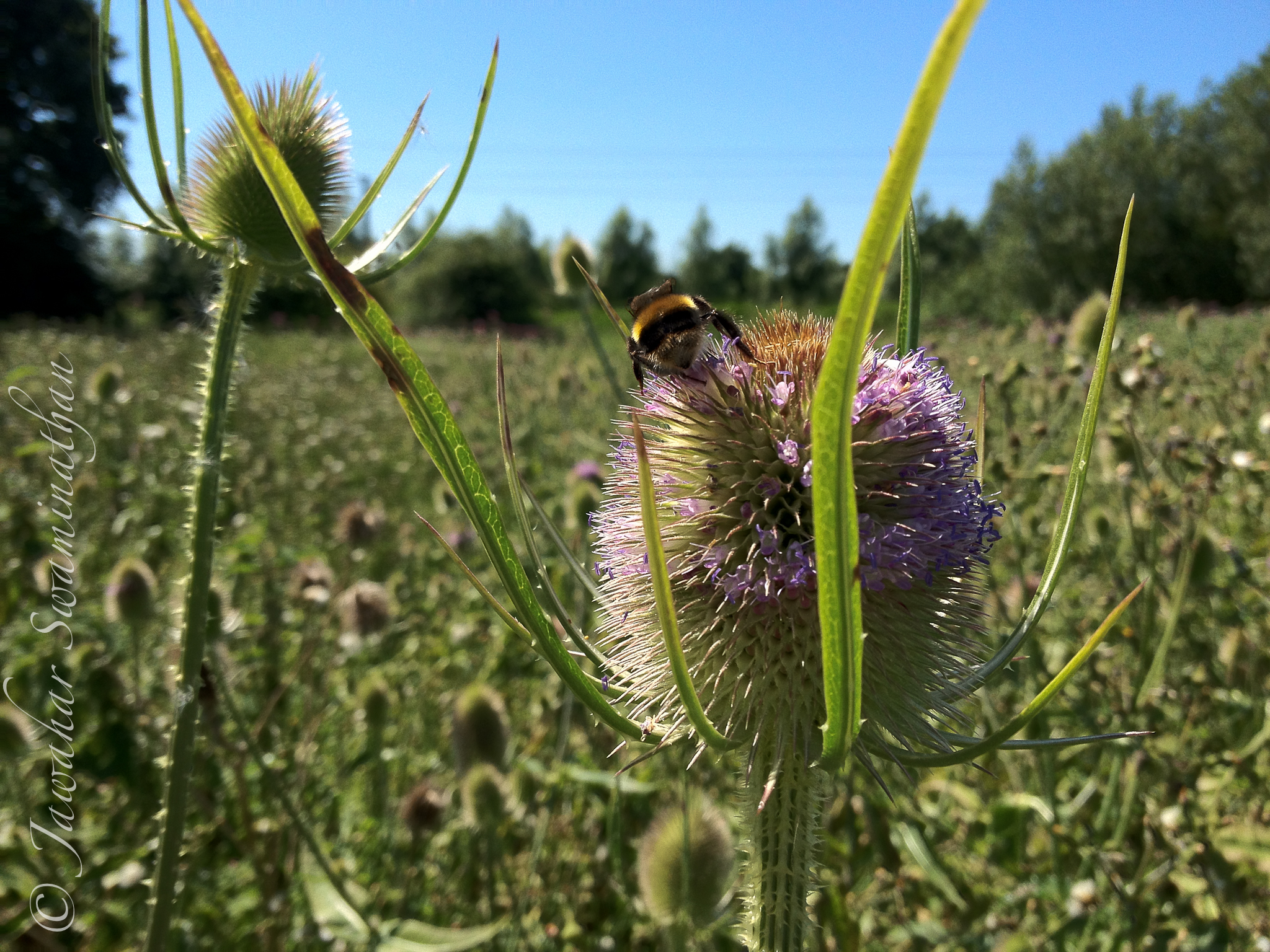
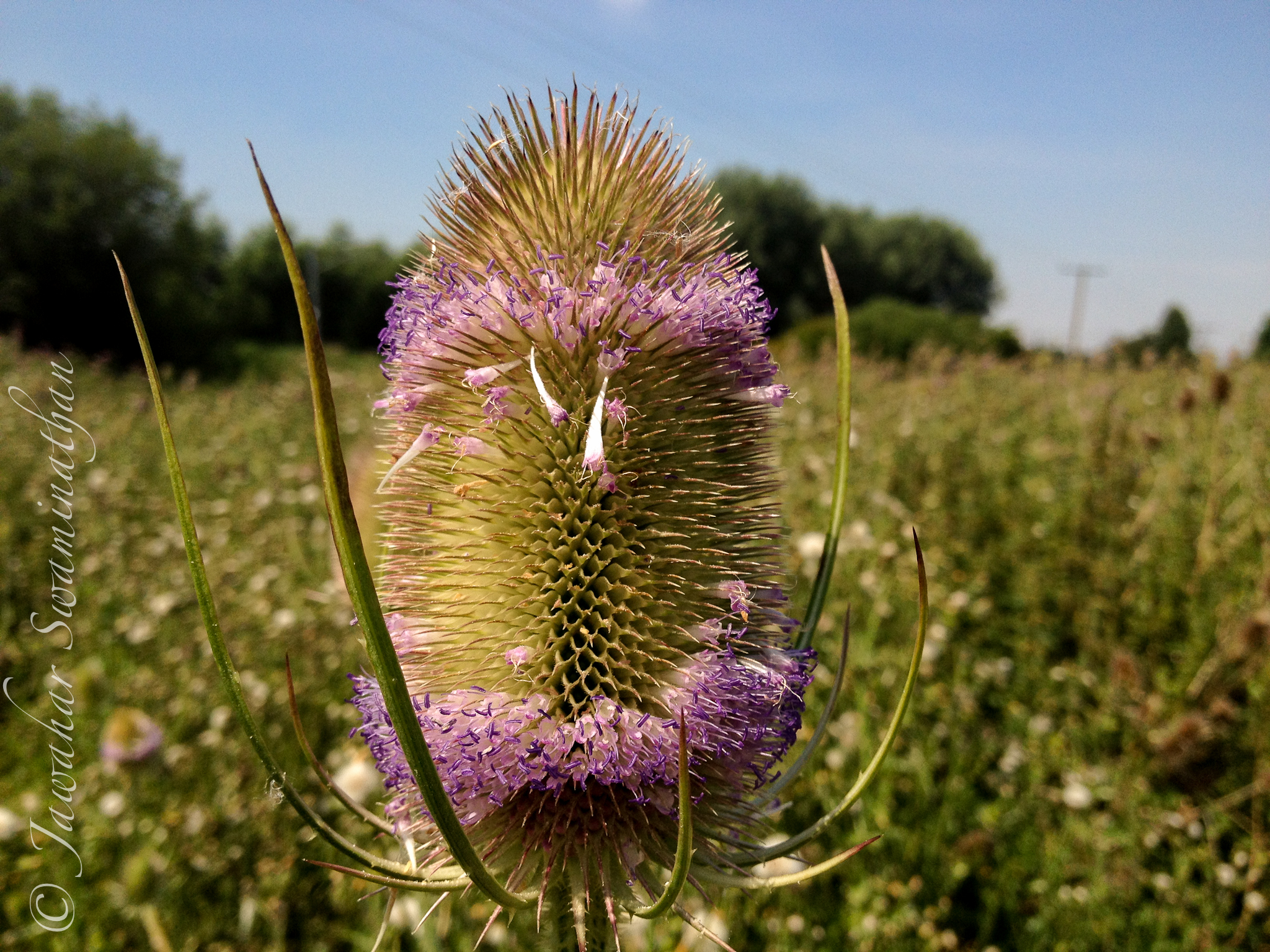
Summer time.. The meadows and hedgerows are full of wildflowers that one rarely sees in a typical english garden. Here are a few (I don’t know all their names unfortunately).
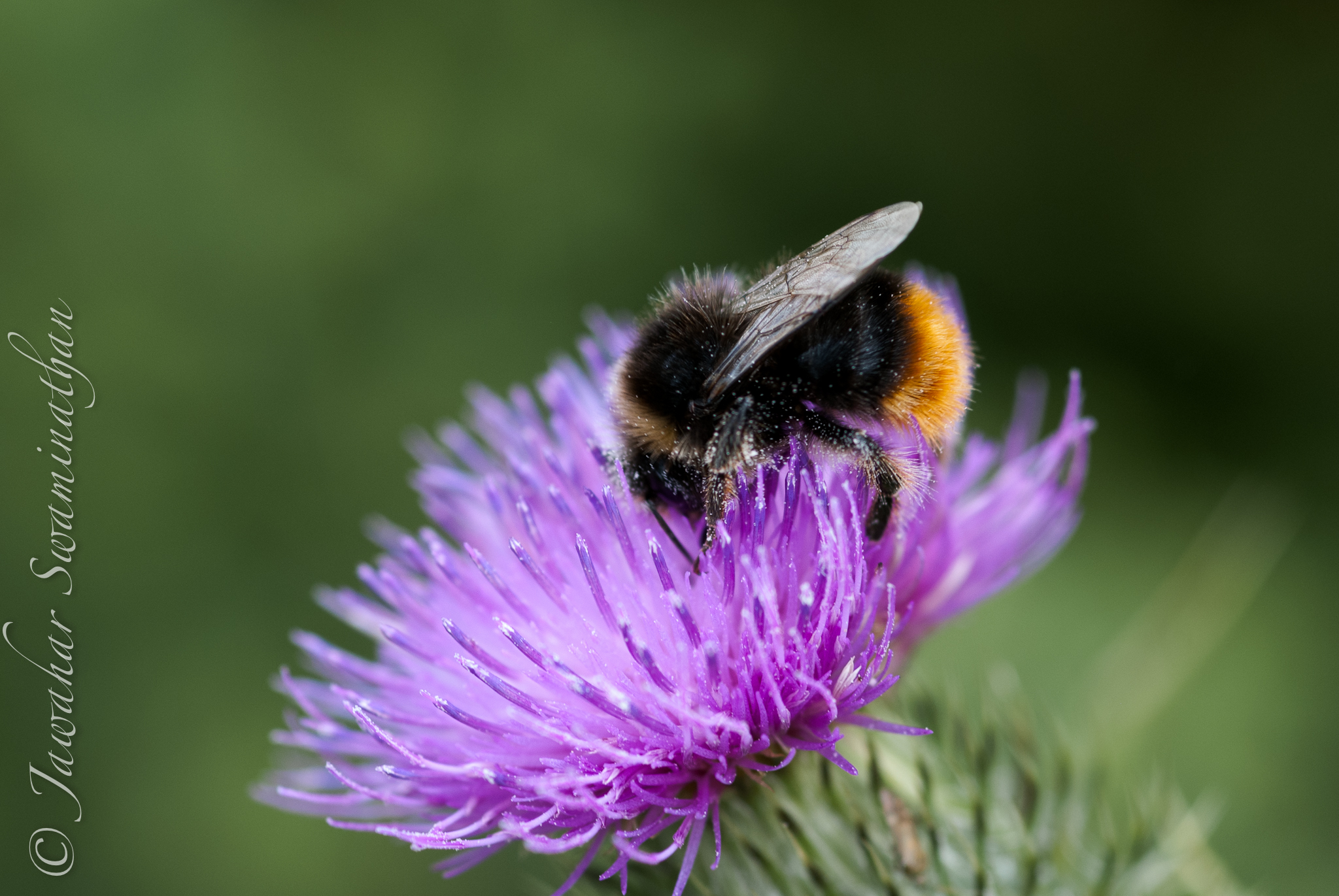
Teasel flower and a bumblebee showing its bottom!Teasel inflorescenceUnknown FlowerUnknown flowerCalystegia sepium (Hedge Bindweed or bellbind) – A perennial weed but nice trumpet flowersPretty pink flowers of unknown species
My last post in March on this subject dealt with the sowing and germination of often sought after indian vegetables that are difficult to grow under the temperate and wet conditions of the United Kingdom. This growing season has been one of the worst in the UK, with record rainfall and plummeting temperatures. As a result, the seedlings have had a long stay in the germinator and pots in a makeshift greenhouse. Ideally, the plants should have been out in their final positions by the beginning of May, but due to inclement conditions, they were only put outside in the beginning of June this year.
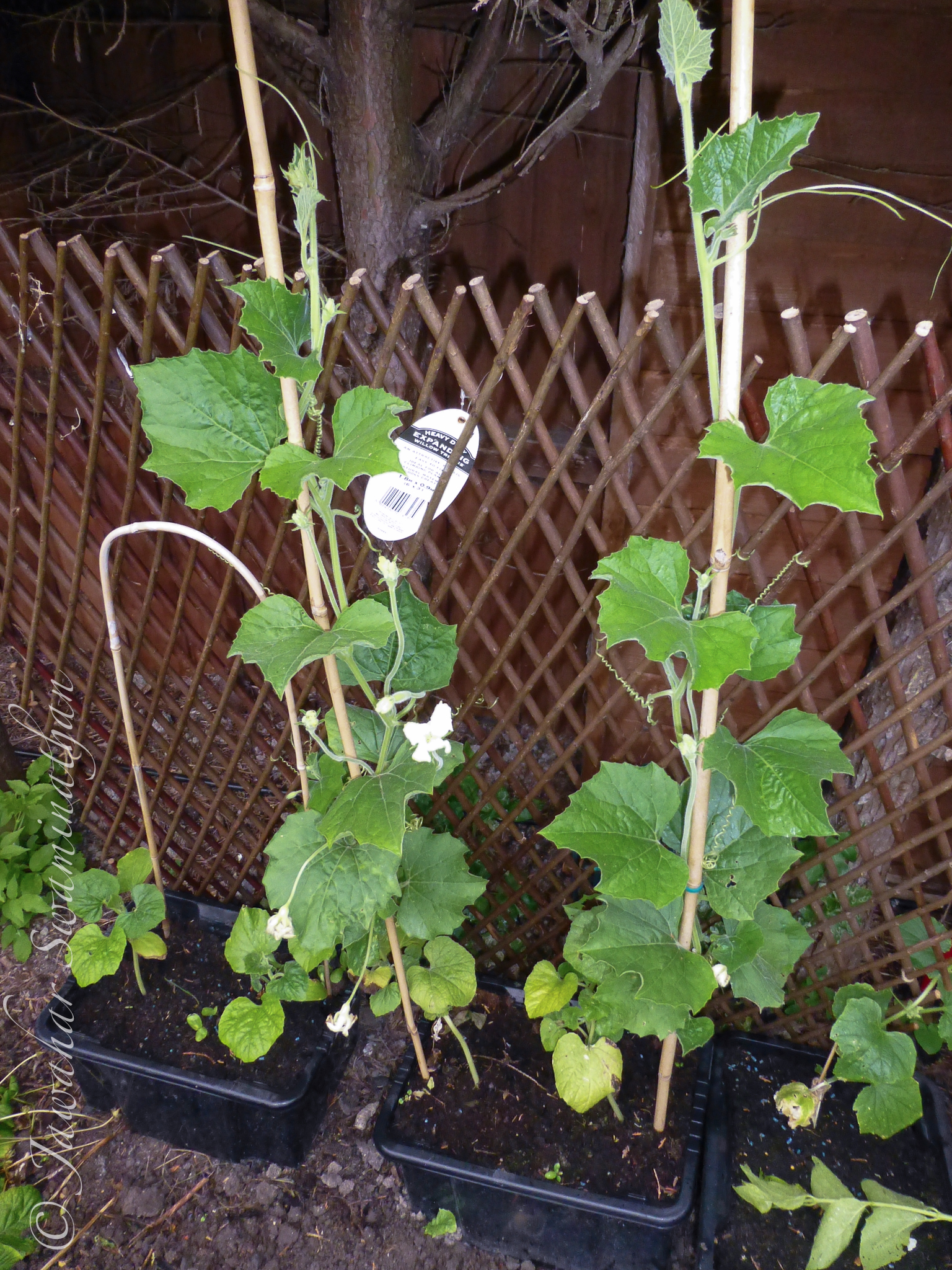
Lauki (Calabash) – The young plants have all survived the first growing phase, and were planted into plastic containers, with supporting stakes to give support to the delicate stems of the plant. Once the plants reached about a foot tall, they were trained on a trellis to enable their tendrils to twine around the support. The plants are in a sheltered place in full sun to maximise their chances of growth. The potting medium was one part topsoil, 2/3rds well-rotted compost and 1/3 grit to give good drainage.
Unfortunately, none of the ridged gourd (Turai) or bitter gourd plants made it to this stage, and died due to damping off disease brought upon by the unseasonal spring/summer this year. I have planted new seedlings using the methods described before.
Indian bottle gourd (calabash) plants. About 4 feet tall and flowering. The younger plants on the left are from a second round of germination.
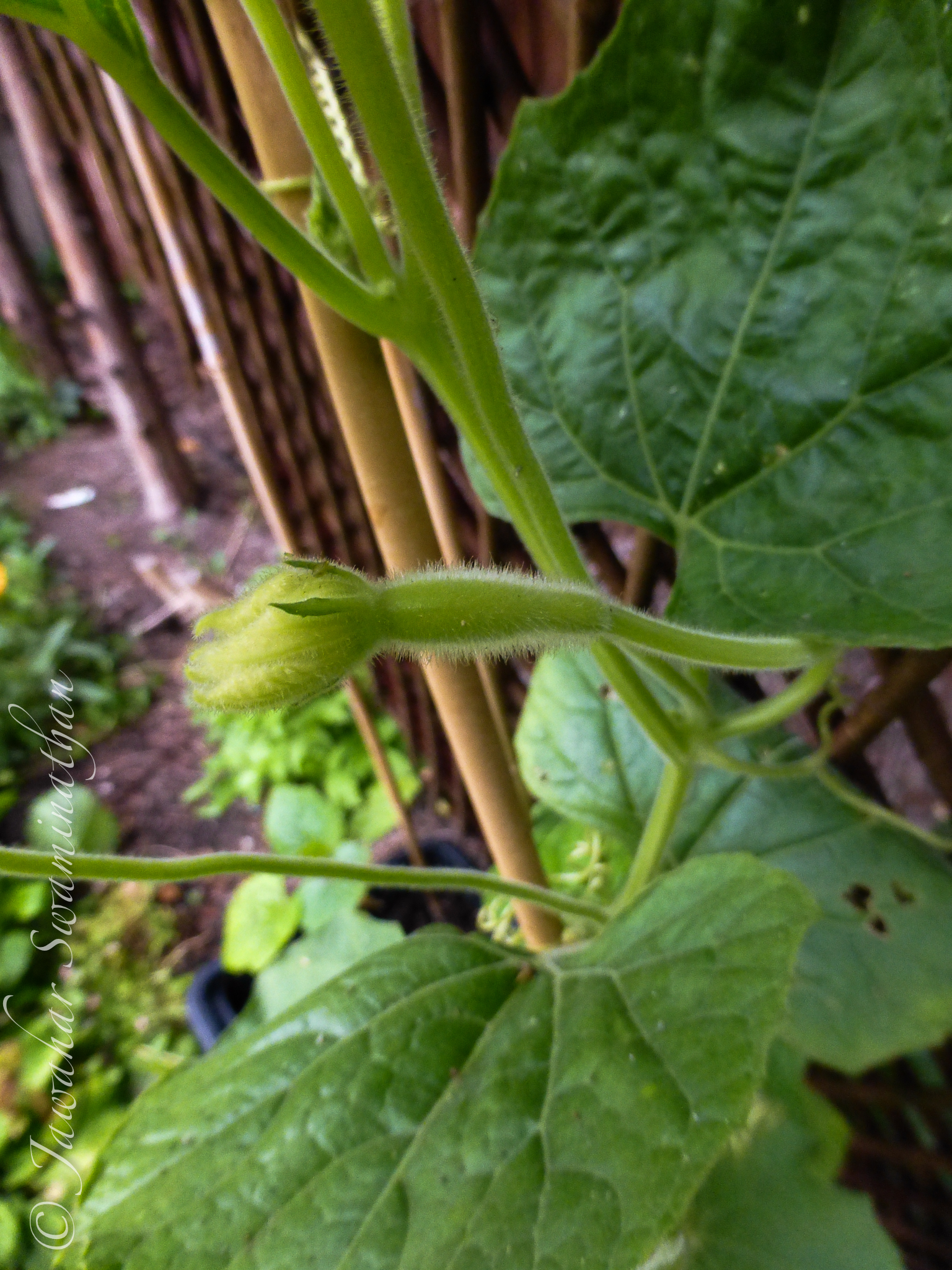
The calabash plants are now flowering profusely. As with all members of the Cucurbitaceae family, the flowers are either male or female. In most members of this family of plants, that include courgettes, pumpkins, cucumbers etc, male flowers are the first to emerge and can be easily identified by their absence of a fruit-like growth at the base of the flower. The female flowers appear a little later.
The female flowers are easily identifiable by the presence of a fruit at their base (as in the picture below).
These plants also branch extensively so it is a good idea to have a trellis or netting that allows for side shoots to grab and grow.
Now it is just an issue of wait and watch while the plant grows taller and hopefully produces decent sized gourd for consumption.









 Juridicious