I love selective colouring photographs. While this is one of the most time-consuming step of a post-processing workflow, it can breathe life into otherwise ordinary photographs. It can also be used to draw attention to a particular object in crowded field. The following pictures are my experiments with applying selective desaturation in Adobe Lightroom on a few pictures from my trip to Amsterdam 2012 spring.
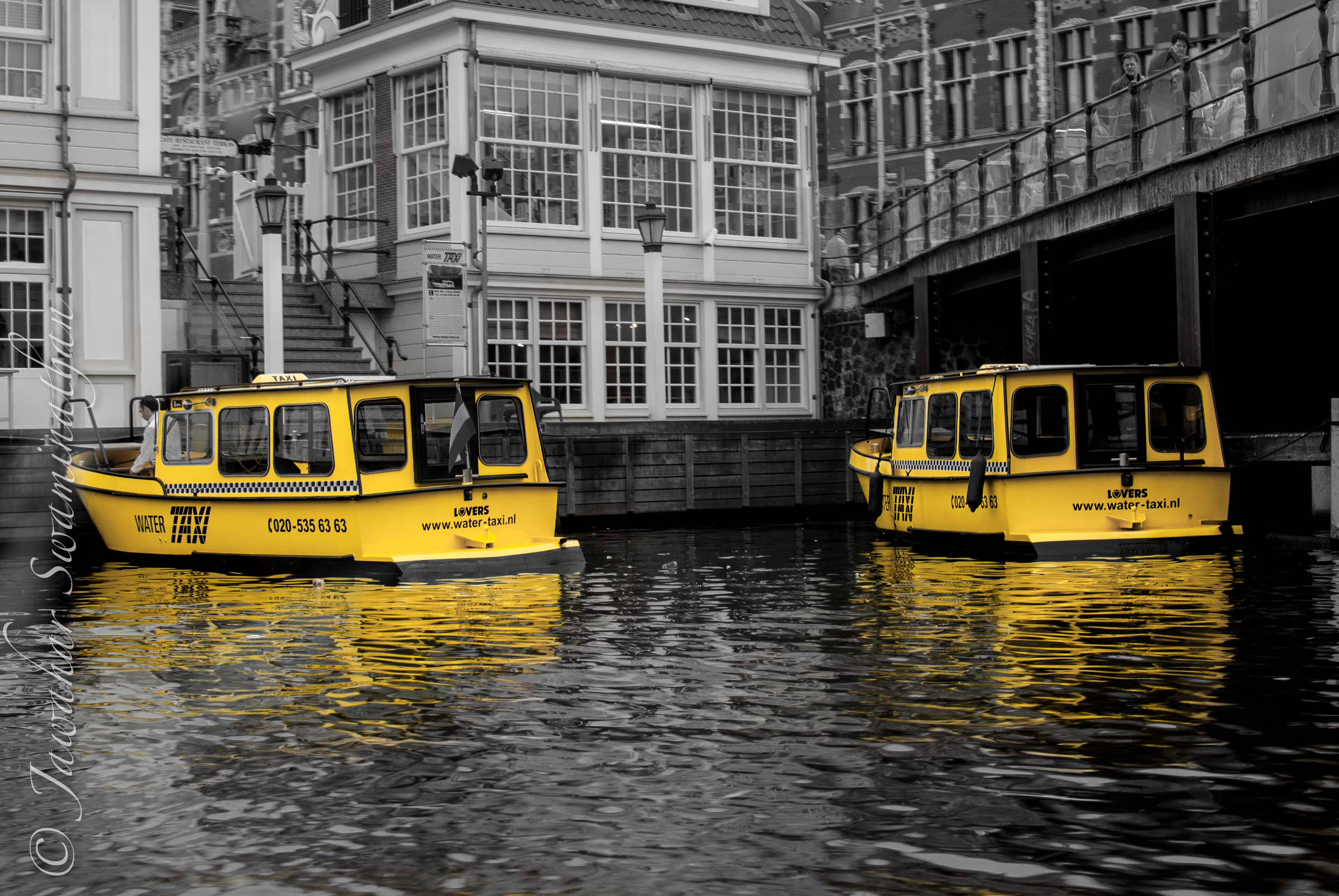
Dutch Gouda cheese on sale at the Bloemenmarkt (flower market)Housing shortage in Amsterdam has resulted in these unique permanent water homes, with plumbing, electricity and other mod cons.A sporty boat on one of the many canals in AmsterdamPreviously posted picture of water taxis in Amsterdam.
You may wish to click on the pictures to see a larger version on flickr. As always I look forward to comments and criticisms.
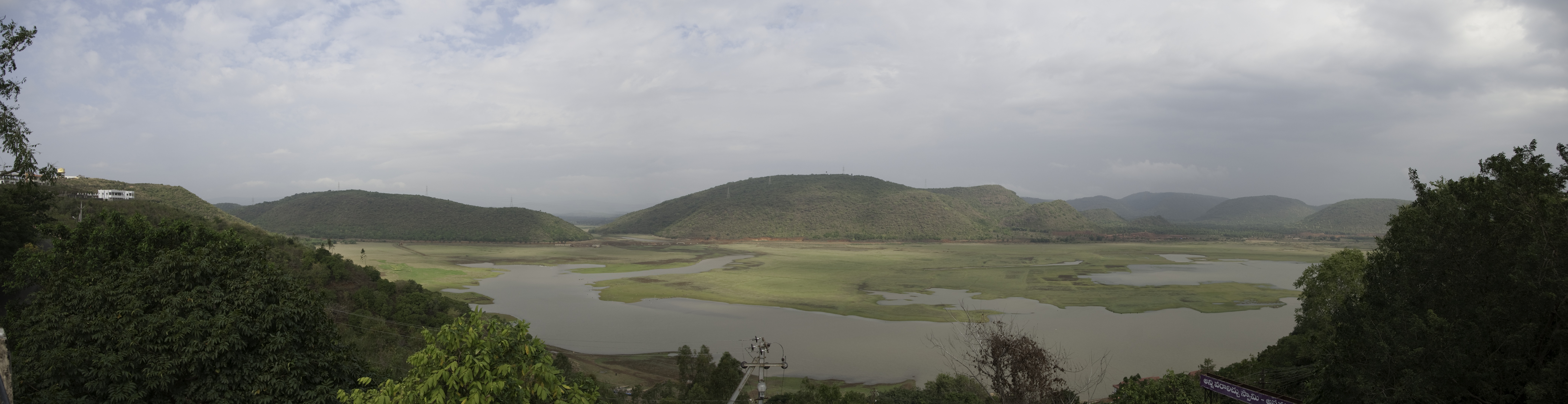
Panoramic view of the Pampa reservoir from the Sri Veera Venkata Satyanarayana Swami temple in Annavaram (click on picture to see in full size)
The temple itself is a short climb from the Annavaram village, and is also accessible by car. Legend has it that the location of the statue of the deity appeared in a dream to a local brahmin E. Prakasam, who with the help of the local zamindar (landowner) Sri Raja I.V.Ramarayanam traced the statue to the top of the hillock and helped to set up the temple in about 1891.
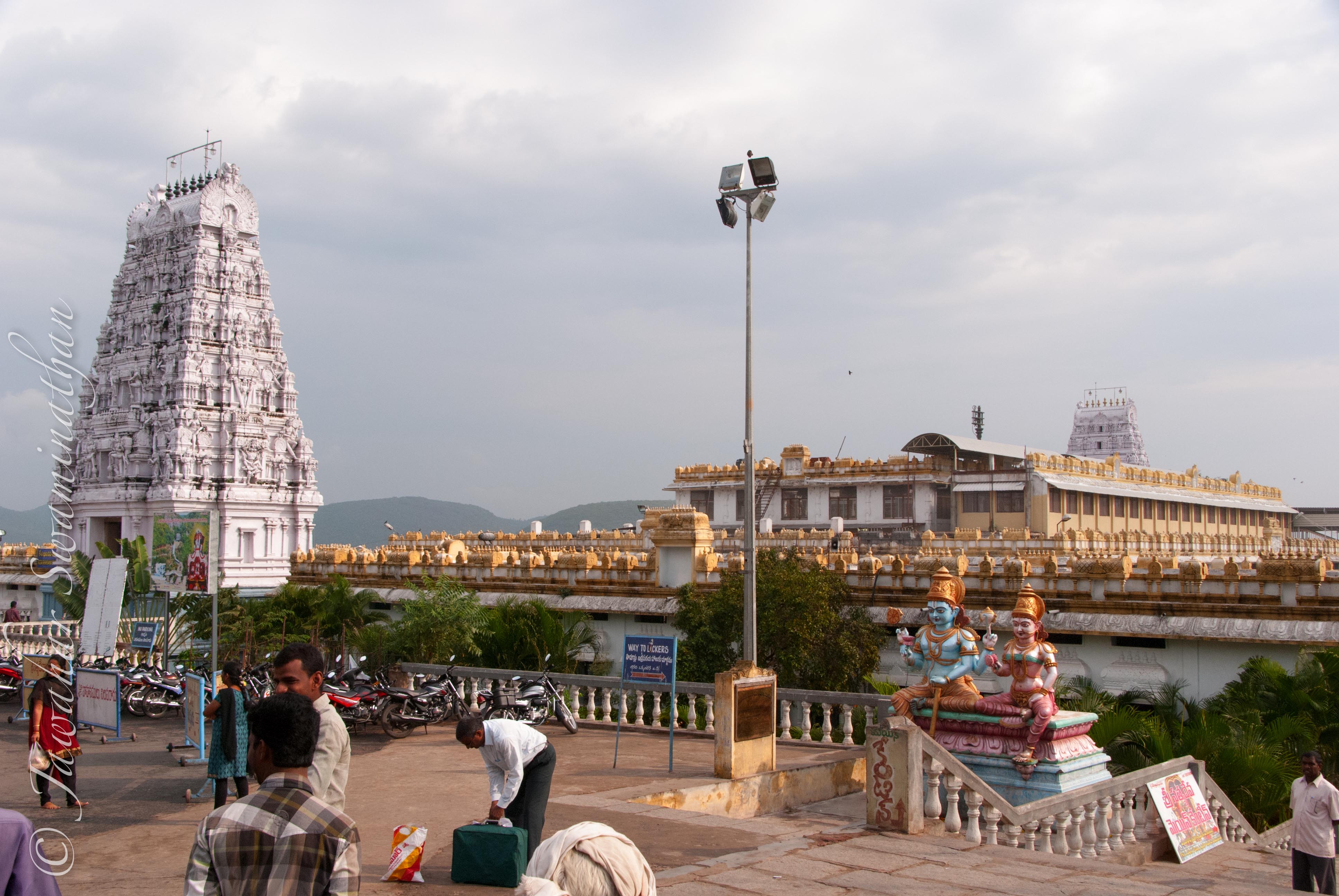
The temple of Sri Veera Venkata Satyanarayana Swami, Annavaram. Both the western (foreground) and eastern entrance gates (gopurams) are visible.
The name Annavaram is a conjugation of the words Anina (Wanted) and Varam (Boom). This temple is now considered to be second only to the famous Venkateswara temple at Tirupati in Andhra Pradesh. The temple is constructed in the classical Dravidian style with two tall towers (gopurams) facing due east and west.
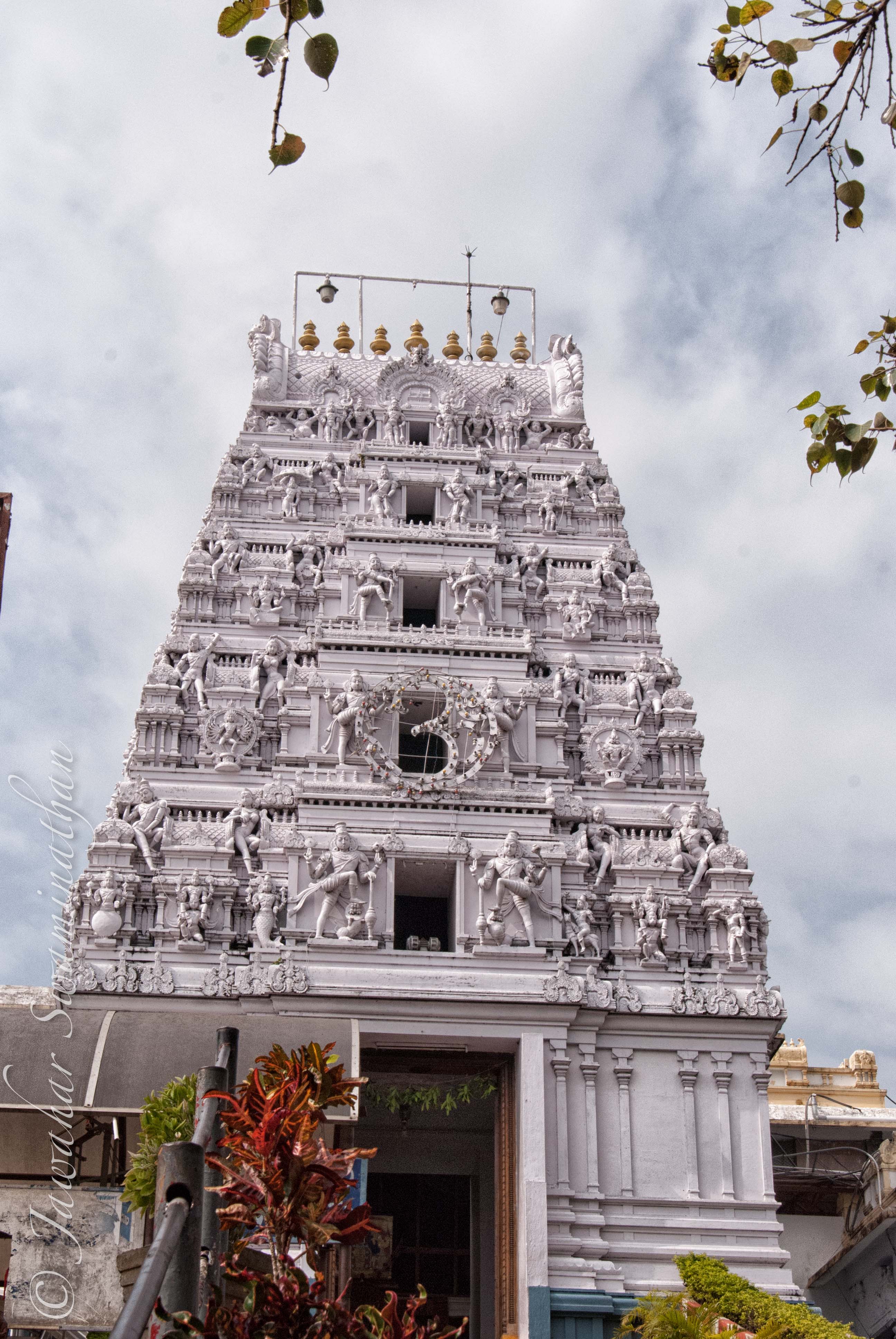
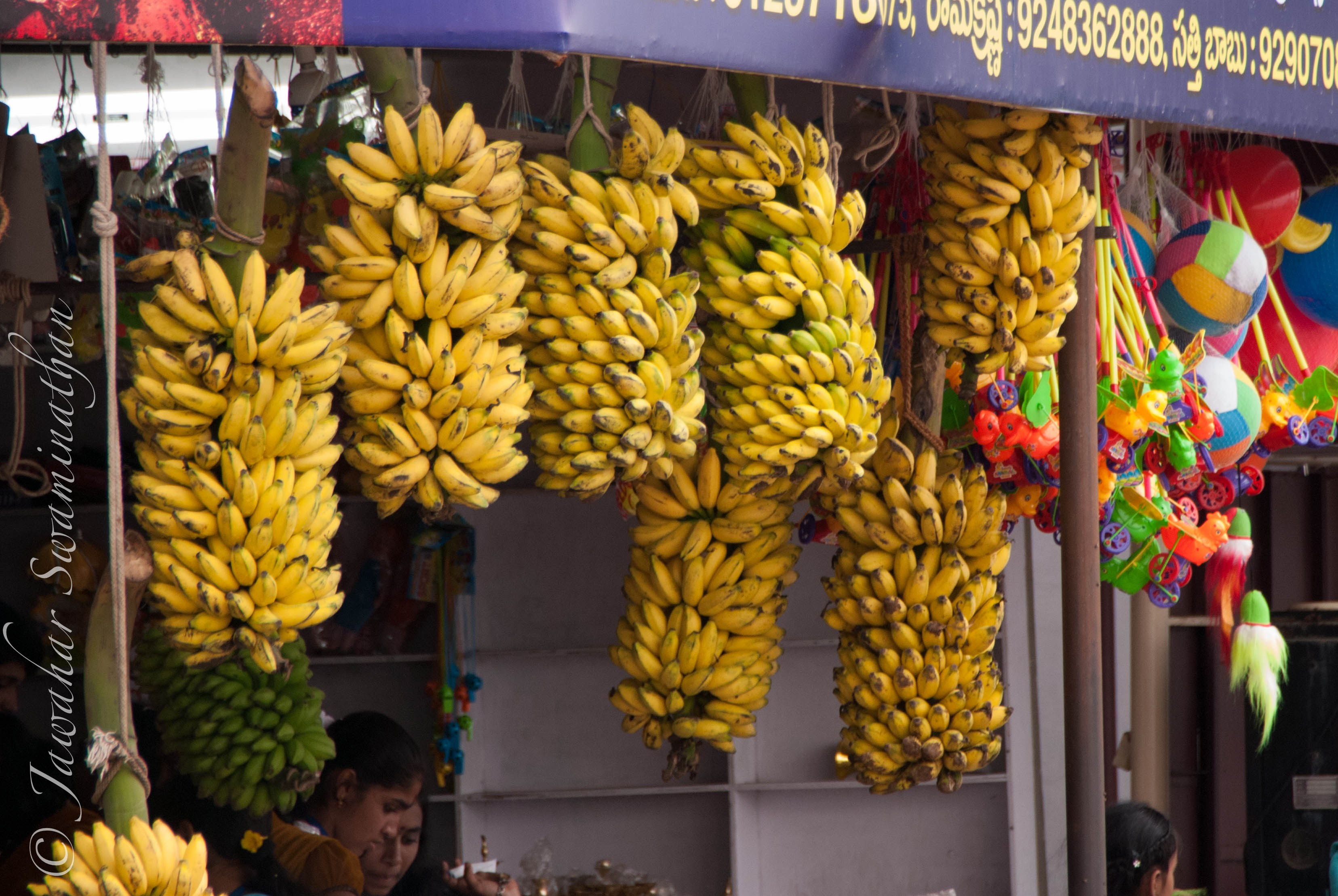
Western entrance gate (gopuram)The main entrance (East) of the temple.Fruits and other offerings (and souvenirs) on sale at a local shop in the temple complex.
The temple complex offers great views of the Bay of Bengal (on a clear day) 11 miles east of the temple as well as the village of Annavaram 300 feet below.
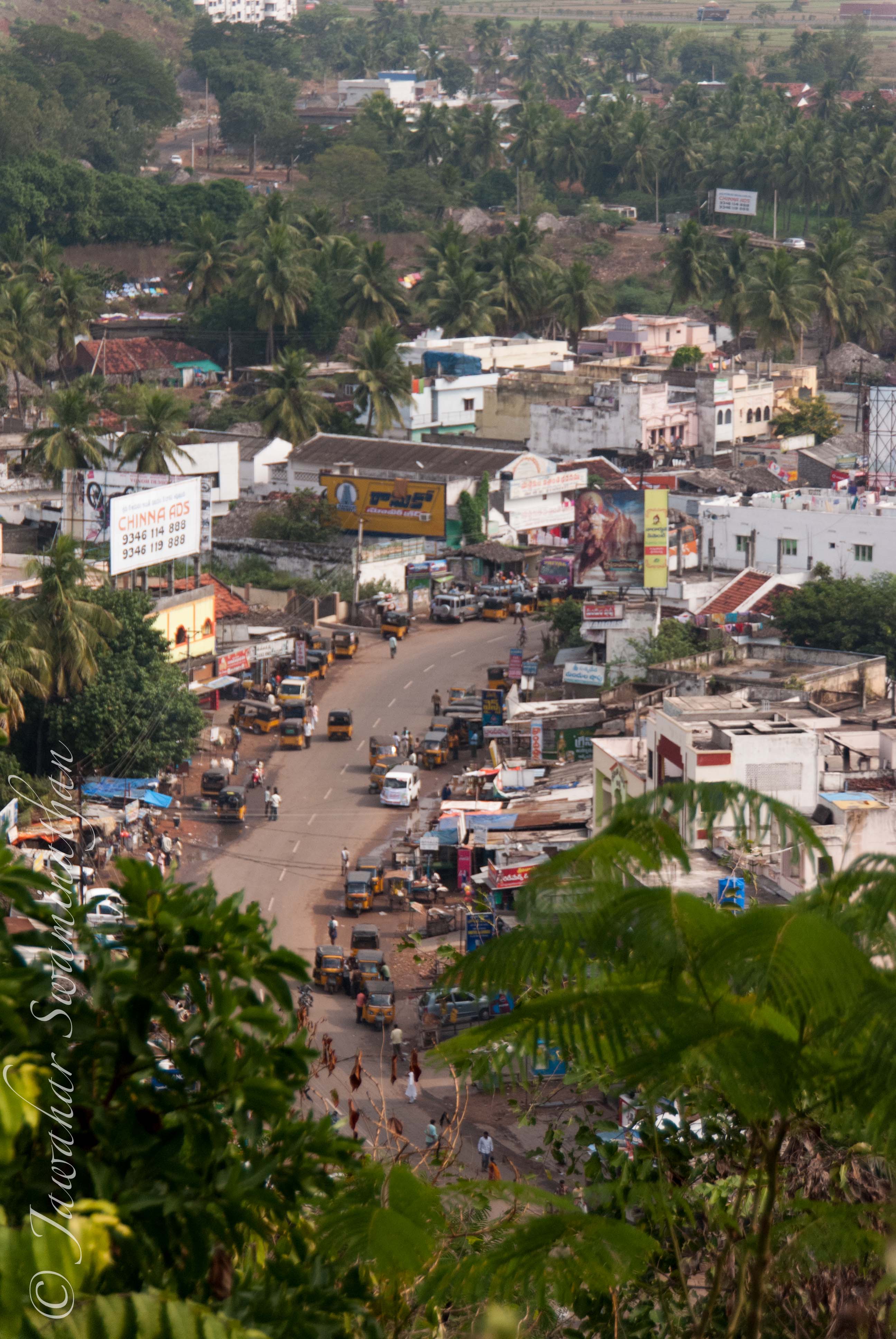
Far from the maddening chaos of Annavaram below.
The large central courtyard of the temple has facilities for pilgrims to bathe, stay or eat, as well as halls and rooms for various religious ceremonies (marriages etc).
Central temple courtyard, with the western entrance on the far left.
A stroll through the temple shows that the temple was constructed and extended over time, with some old buildings and some more recent construction. The oldest part of the temple as it stands today dates to just over 110 years. But if the legends are true, then a temple may have existed in this very place for many centuries before falling into disrepair.
A seemingly old gate in the temple complex not built in the Dravidian style
Pilgrims flock to Annavaram from all over the state to fast and pray. On any day of the year, the temple is a hub-hub of activity.
Sacred saffron cloth tied to a tree branch in hope of fulfillment of a wish
I must confess that I’ve never been inside the sanctum itself in all my visits to this temple. I find the environs of the temple fascinating and love observing the faith and piety in the pilgrims visiting the place. I also find the views in and around the temple beautiful and serene.
Rays of the sun casting a beautiful light on the Pampa reservoir, as seen from the Annavaram Satyanarayana Swamy temple. Slight HDR effect.
Annavaram is definitely worth a visit, even if you’re non-religious, and particularly if you are a practicing hindu. The trip from Visakhapatnam takes about 2.5 hours by hired taxi cab. On a clear day you should also be able to see Bay of Bengal (but I’ve never managed to see this in all my visits).
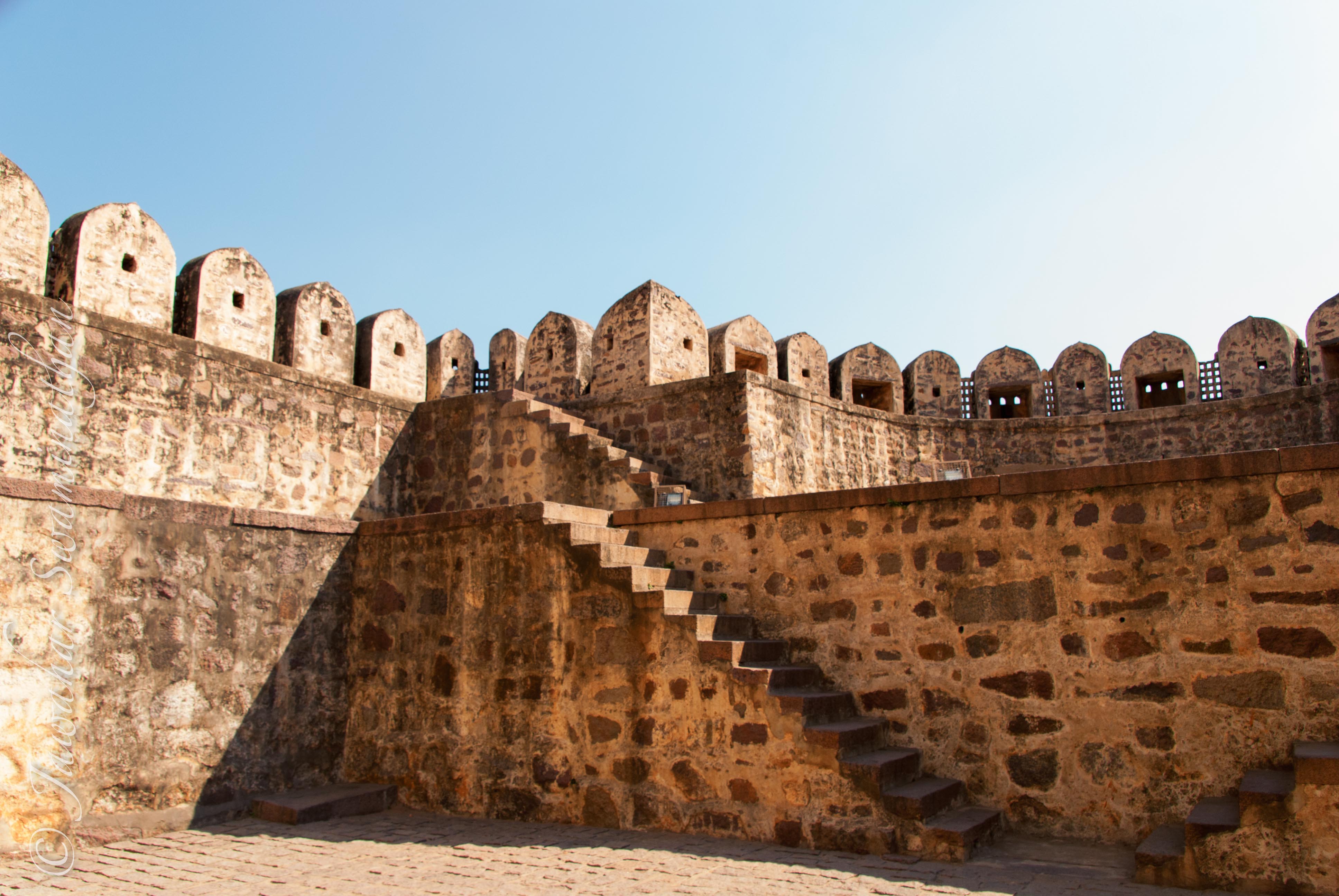
No trip to Hyderabad in India can be considered complete without a visit to the magnificent, awe-inspiring Golconda Fort. Situated a few miles out of the twin cities of Hyderabad and Secundarabad, the Golconda fort shows a formidable presence in the horizon. The fort itself dates back to original construction by the Kakatiya dynasty (a branch of the Chalukya rulers of south india in the 12th century.
The Golconda Fort, Andhra Pradesh
The fort was expanded and further fortified by the Qutub Shahi kings of Hyderabad in the 16th century when they made Golconda the capital of their kingdom.
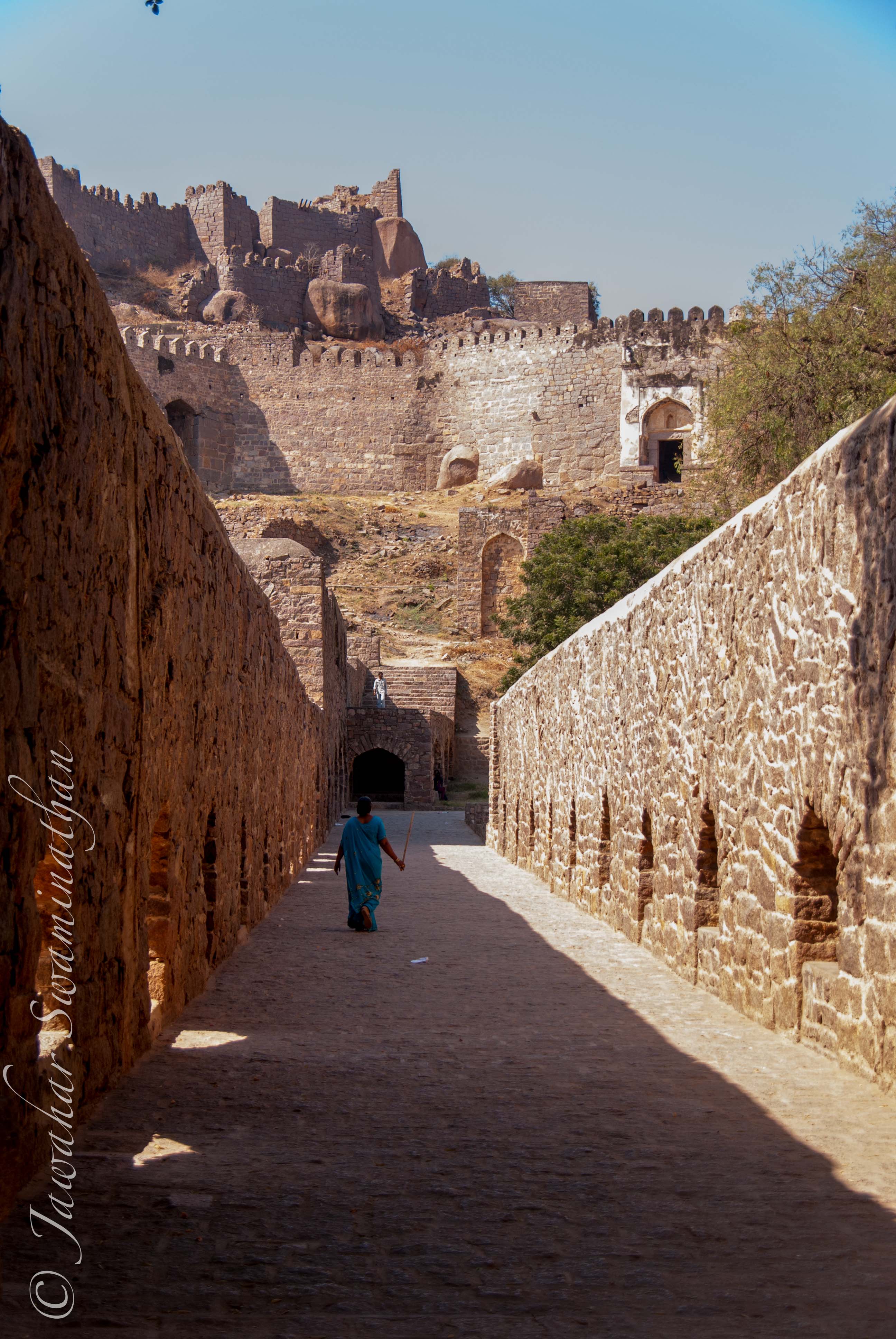
The narrow entrance served to slow invading armies
The fort itself is in many levels, with the imperial residences at the very top of the citadel (120 metres above), while the lower levels served as garrison quarters and administrative offices. The fort is surrounded by a wall 10KM long with many bastions to ward off attackers.
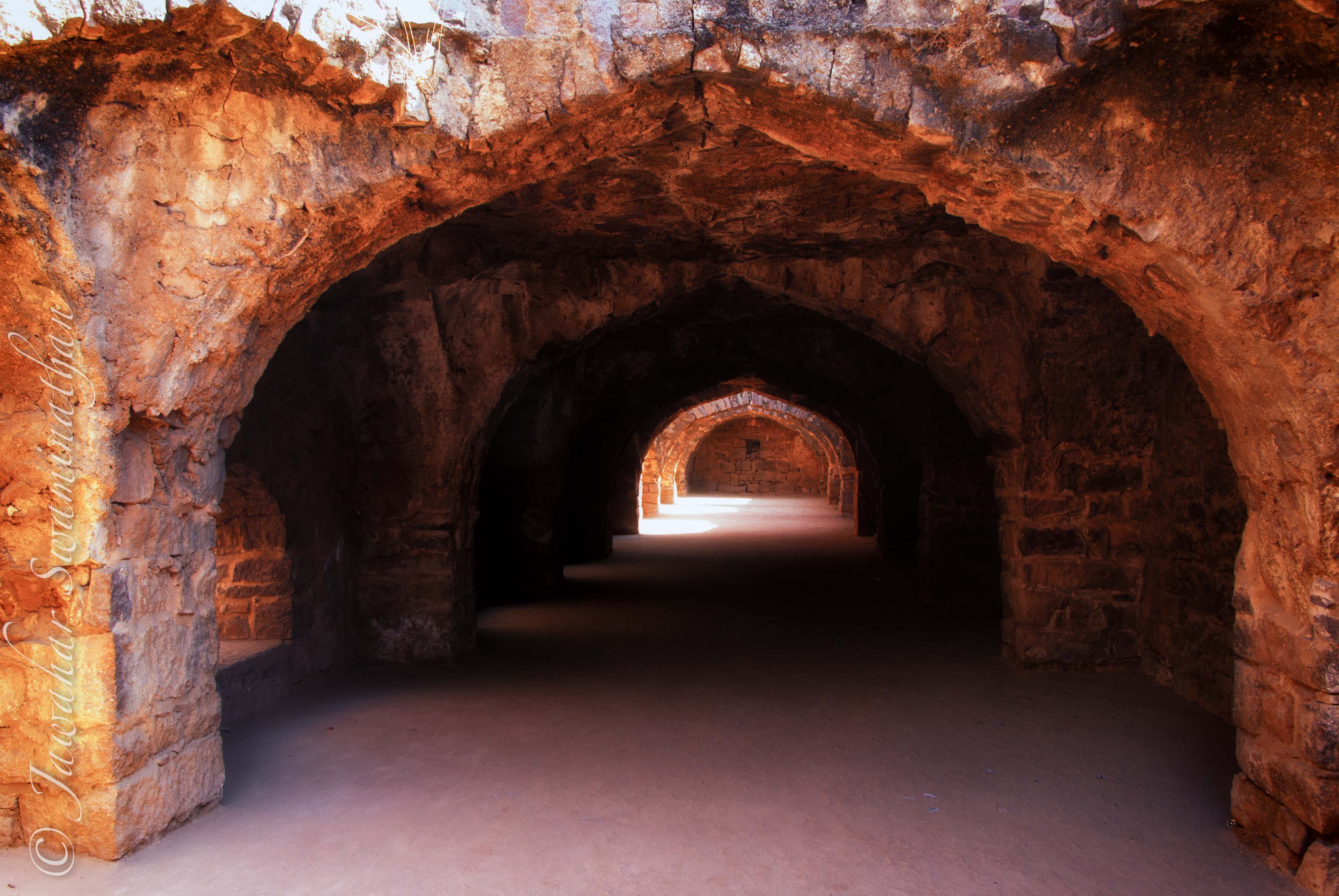
Part of the inner ramparts of Golconda FortStablesAdministrative complex
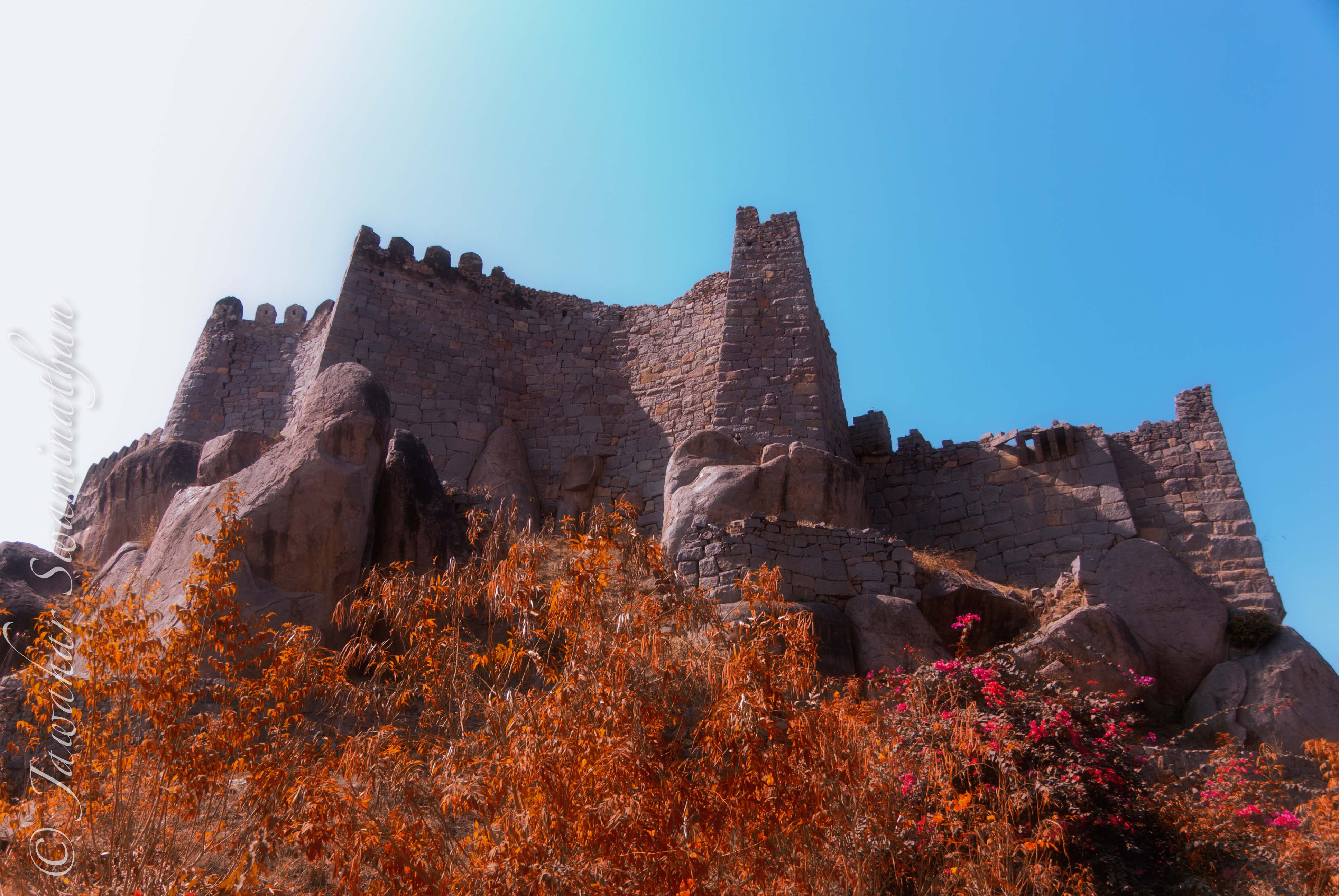
There are over 80 semi-circular bastions in the fort (below) that provided excellent 360 degree view of the neighbouring countryside.
One of over 80 semi-circular bastions at Golconda
More photographs of the challenging climb to the top of the fort follows in part 2 of this fort. Please click on any of the pictures above t see a larger version. All photographs from a Nikon D80 camera with a Tamron 18-250mm lens. Processed in Adobe Lightroom and Nik Color Efex Pro.
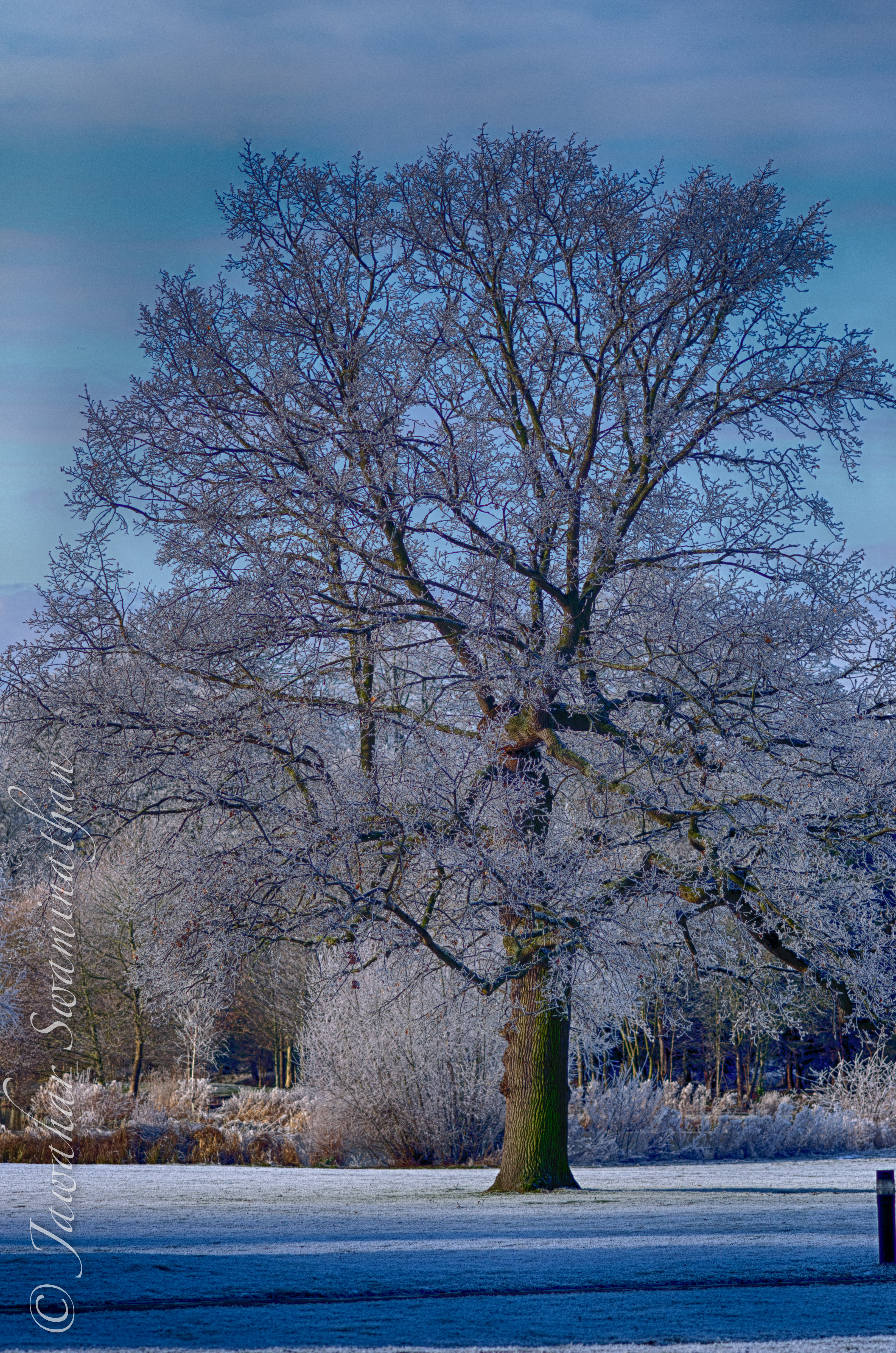
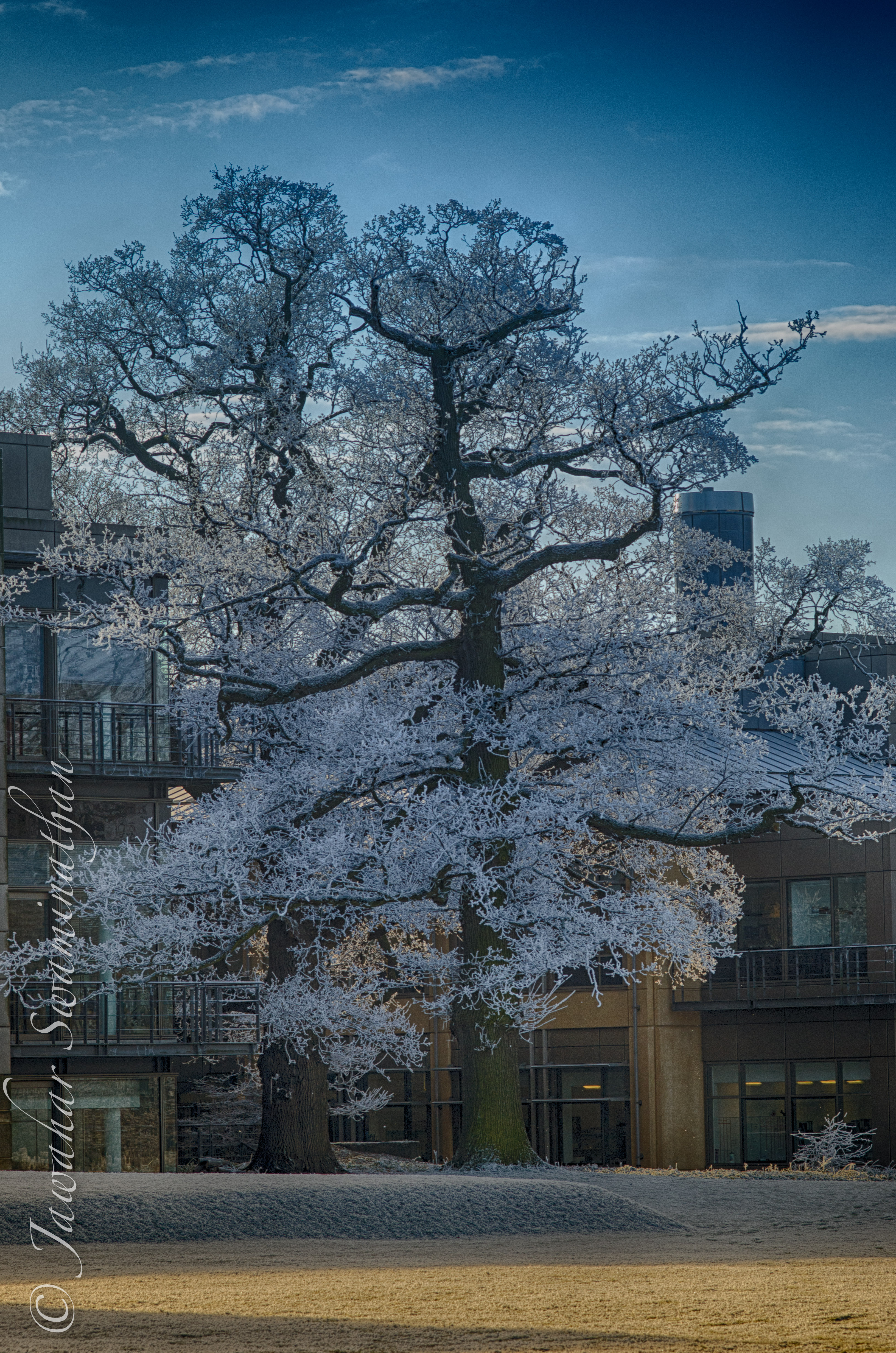
I’m new to HDR photography, having only seen some fantastic examples of what is possible from sites such as http://www.stuckincustoms.com/. Of course, none of these examples get anywhere close to the brilliance and professional look of really good HDR photography.
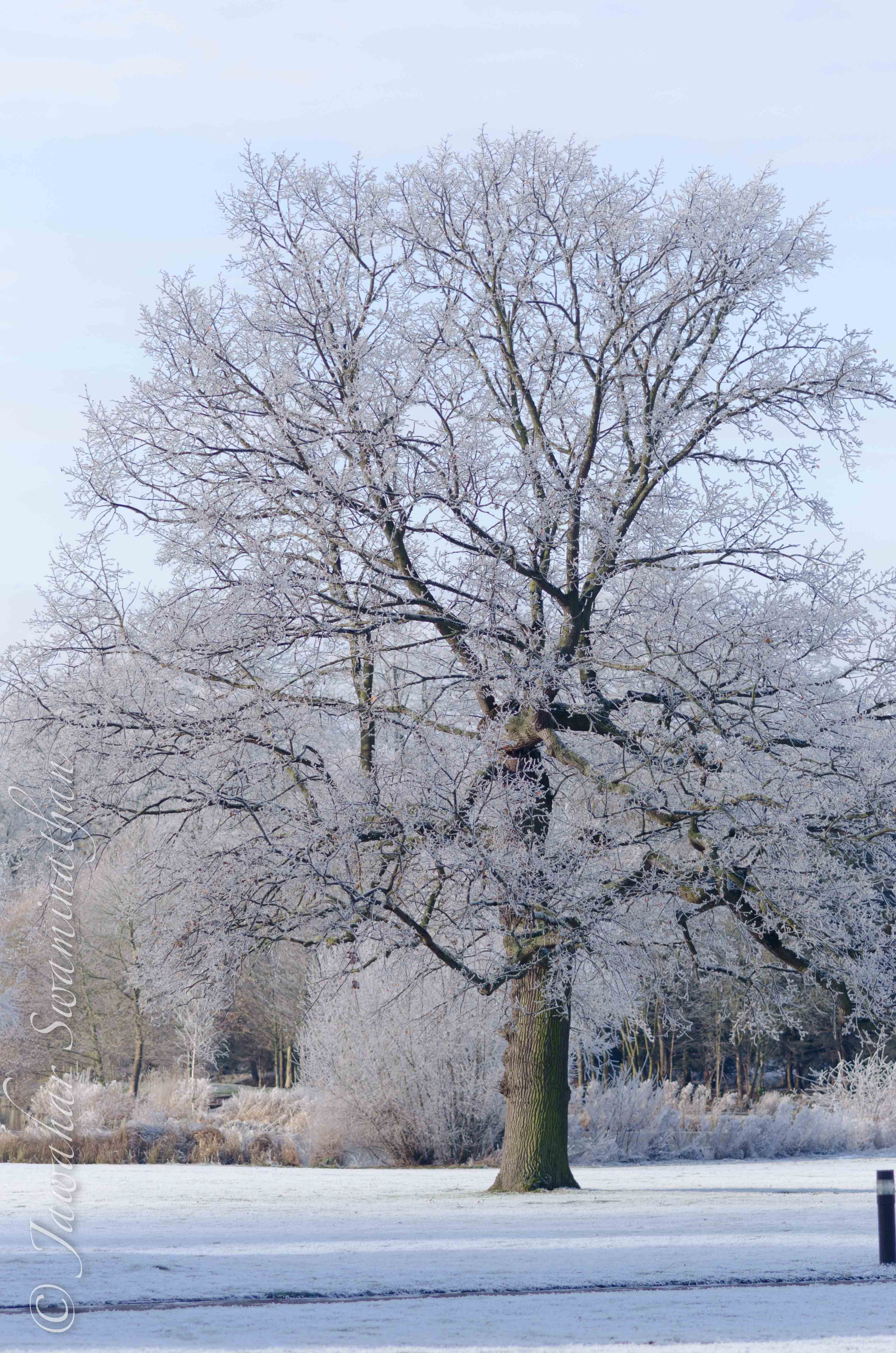
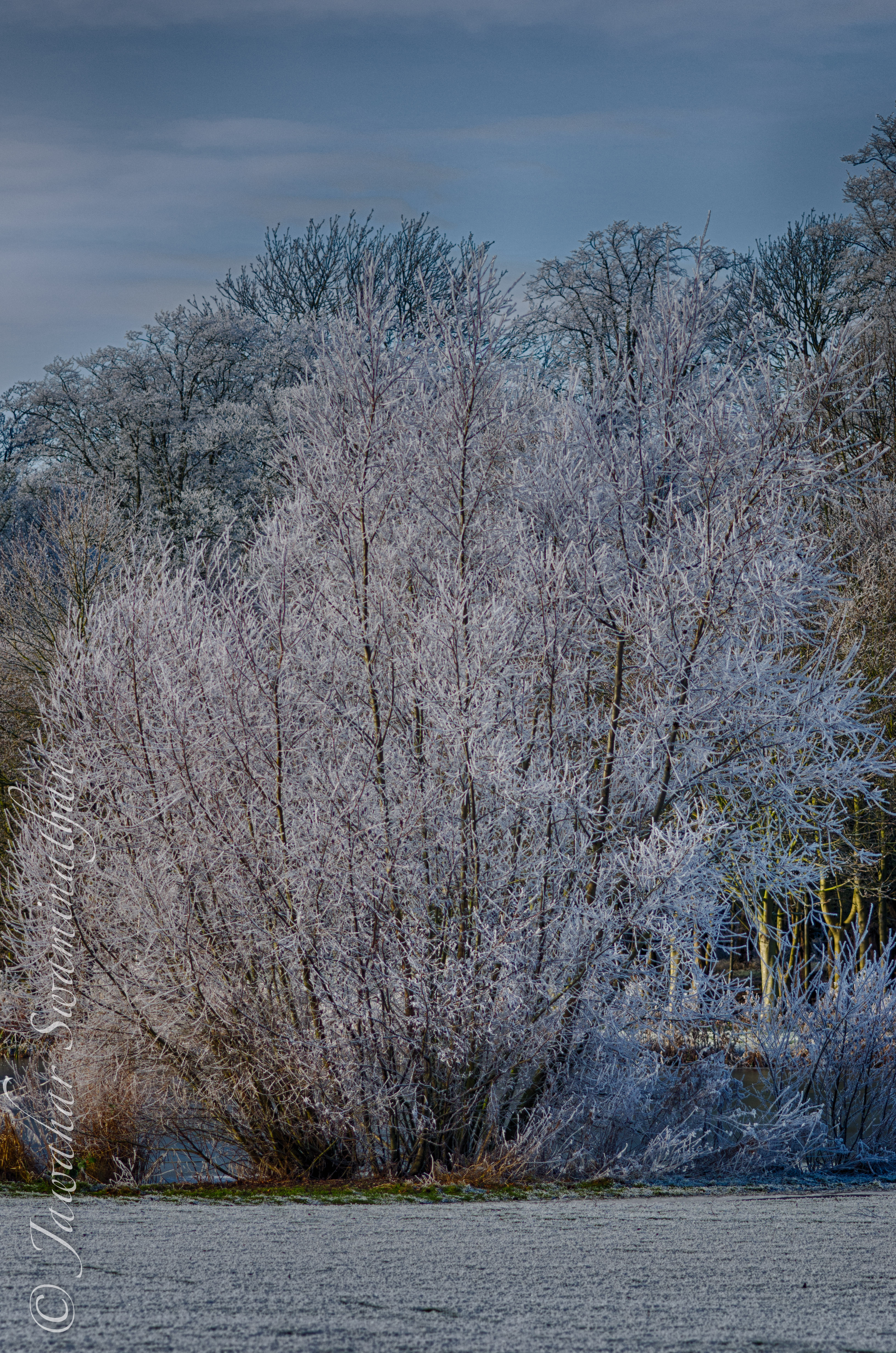
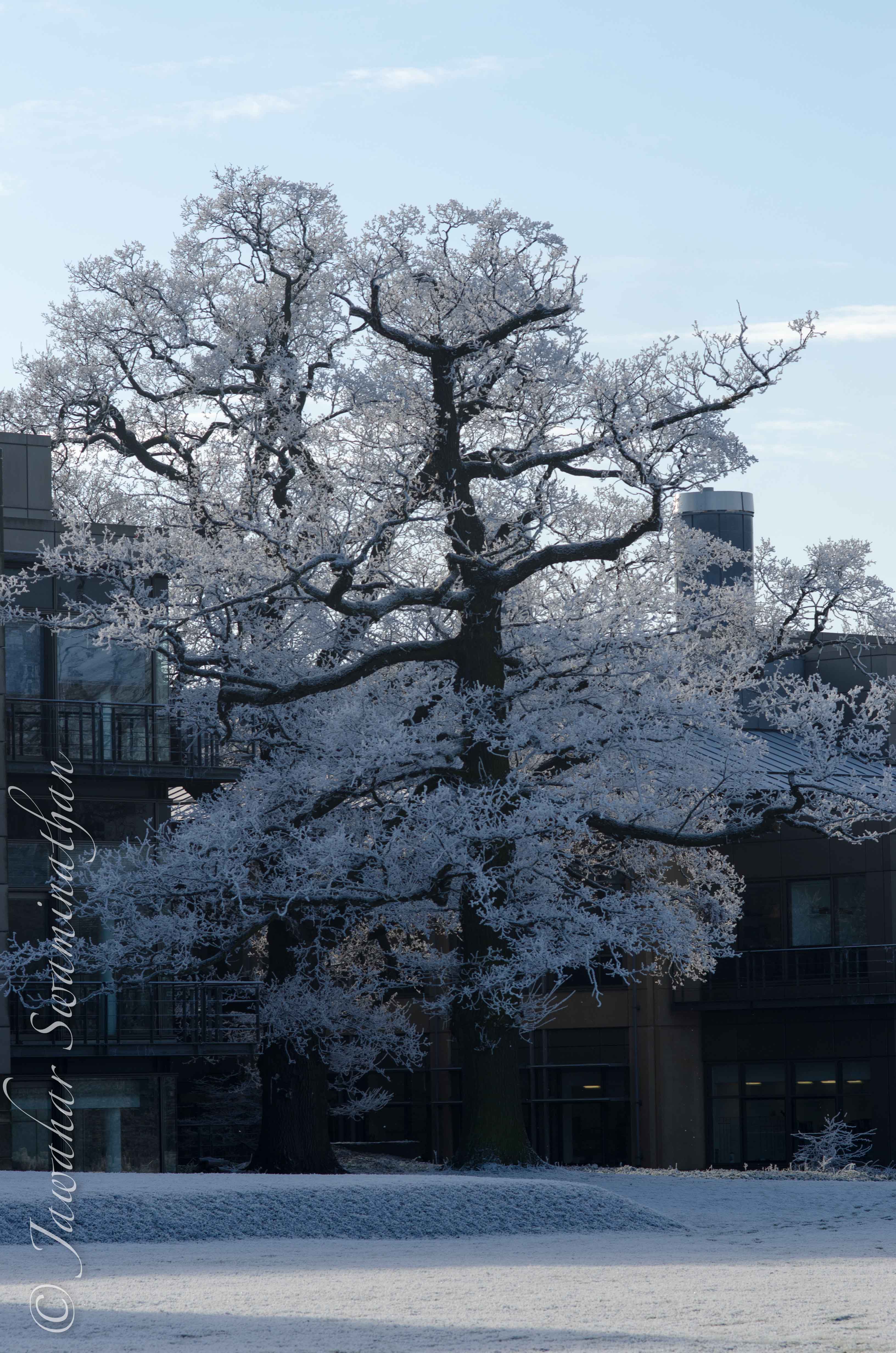
All pictures shot with a Nikon D7000 auto-bracketed 3 exposures -1, 0, +1 and then processed together in HDRefex Pro. Minor adjustments to exposure and grain with the help of a few existing presets in the software. The original middle exposure is below the HDR version for each photograph.
A tree in all its magnificenceOriginal middle exposure
An icy bushOriginal middle exposureA frosted tree.Original middle exposureCherry tree blooming iceOriginal middle exposure
Would love to hear what you think.. Please click on each picture for a full size version.
I have now lived in Cambridge for over 10 years. As it so happens this is also the longest period of stay by me in any one place in all my 40+ years. And yet I don’t have many pictures of the city (something I will need to change in 2013!).
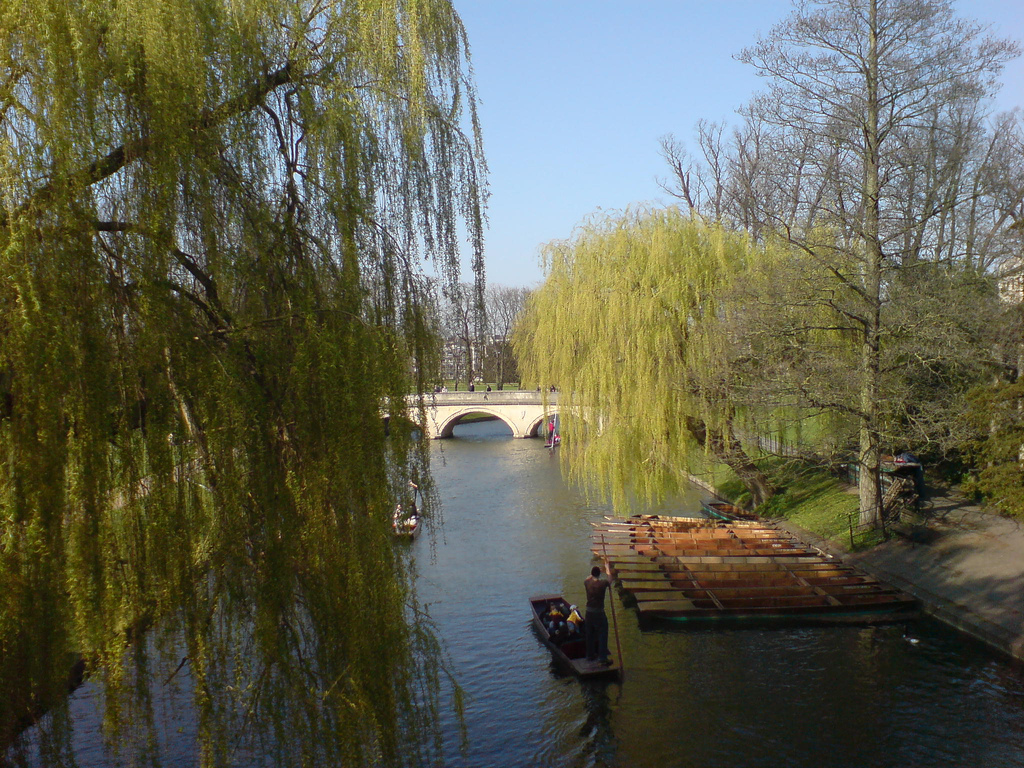
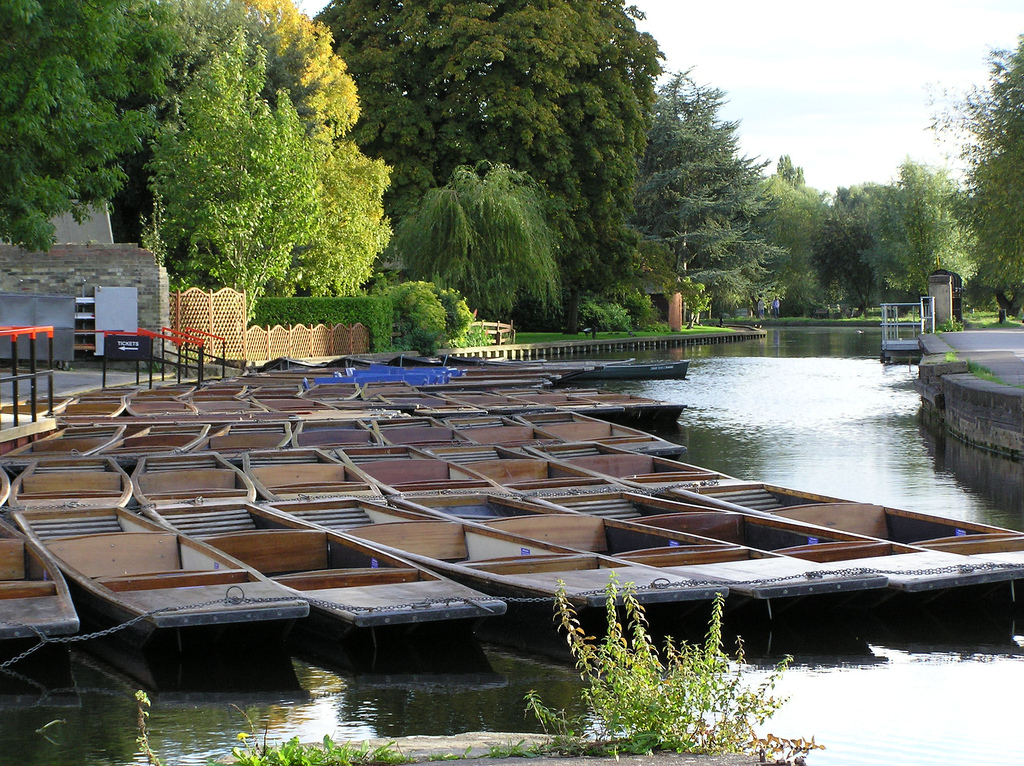
Cambridge: the famous university town with more famous ivy-clad venerable colleges, historical institutions and personalities. There is a lovely river, the Cam that runs its placid route between the colleges (the backs), under myriad bridges and plays host to punts filled with wide-eyed tourists as they hear tales of history, science and culture that stemmed from these colleges.
As rivers go, the Cam is a mere 40 miles from its humble beginnings in the tributaries Rhee and Granta. But in Cambridge, the river takes on a life of its own with punting, rowing and canoeing activities throughout the year.
Punting on the CamPunts waiting for customers
There are some 23 bridges on the Cam in Cambridge alone. A majority of these bridges are private and link the colleges with their extensive grounds towards the back. None is probably more evocative than the St. John’s College “Bridge of Sighs” that links the Third Court and the New Court of the college.
The Bridge of Sighs, St. John’s College, Cambridge.
Cambridge is a great place to visit at any time of the year, more so to be able to enjoy punting on the Cam. A future article will deal with some of the more famous colleges.
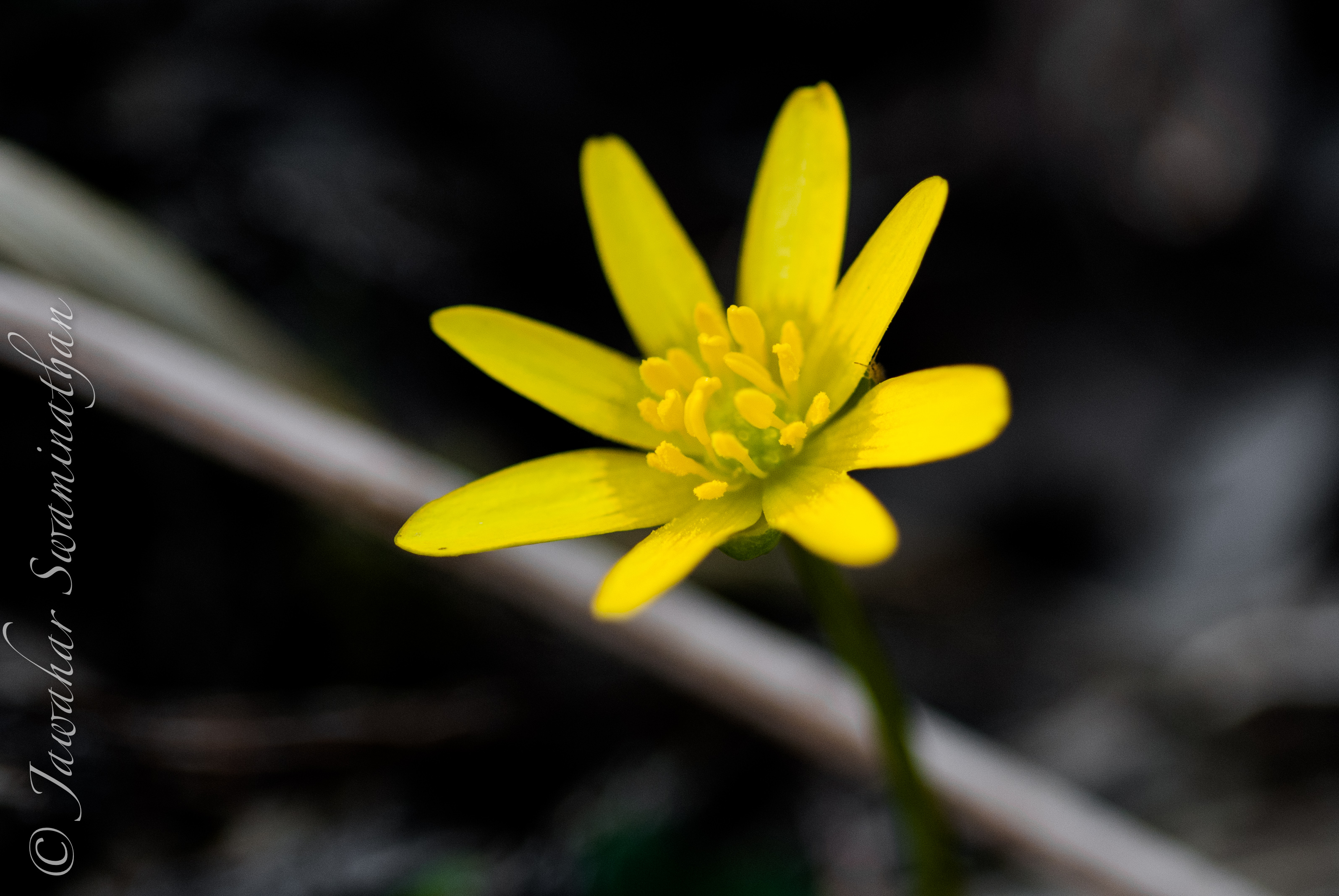
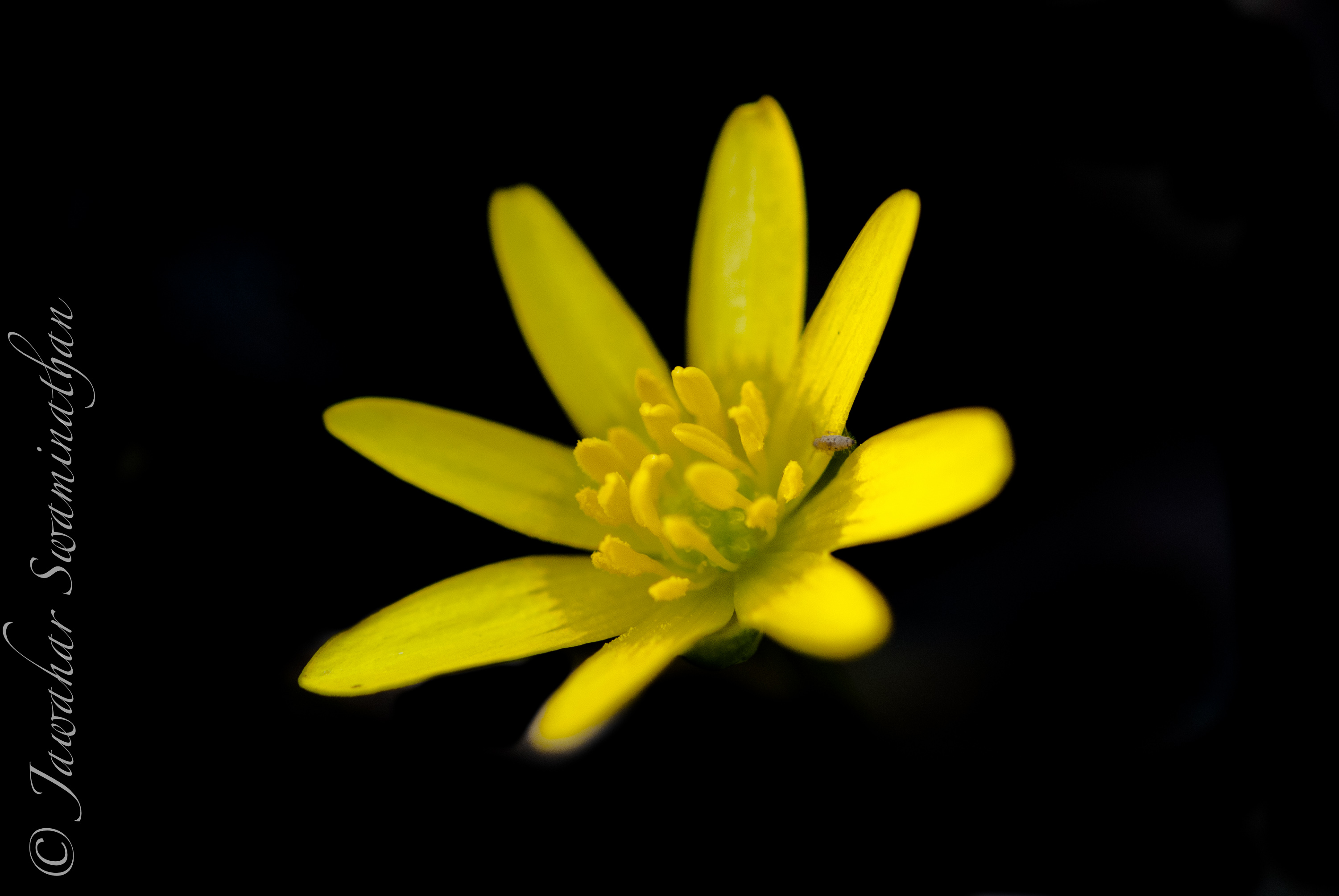
The world hasn’t ended so far today and it seems unlikely to do so in the next 8 hours left (or maybe the Mayan Calendar was just crap to begin with)!! But if it does in the next 8 hours and 22 minutes, I wanted to leave you with a couple of pictures in what could be my last blog posting!!
Did you spot the tiny spider in both the pictures on the middle-right of the picture? These flowers are those of the Lesser Celandine. Also known as pilewort since the plant was believed to be useful for the treatment of piles. Impressive knowledge to have if the world comes to an end.
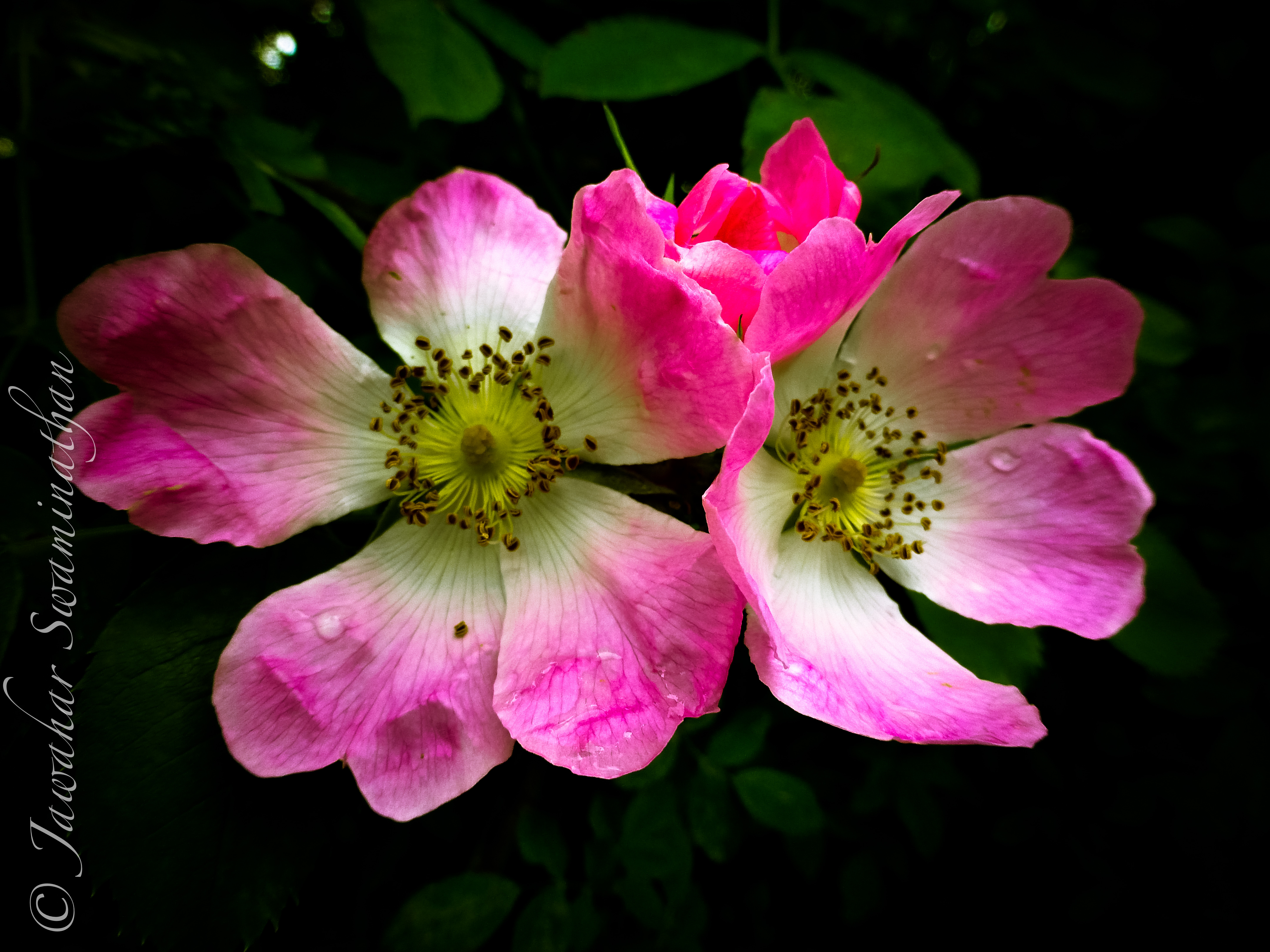
The name dog rose conjures up images either roses for dogs, or rose in the shape of dogs. This is neither! Dog rose or Rosa canina is a common species of climbing wild rose native to Europe.
The seeds (hips) of this rose are very rich in vitamin C and used in the preparation of rose-hip tea (see my post Hip Hip Rose). As for the name of this rose, Wikipedia lists two possibilities – common or worthless or as a treatment for the bite from rabid dogs. I think the former is more likely etymology for this plant as it is genuinely common along hedgerows in England. The flowers are pink, have little or no fragrance.
Photographed on one of my summer walks using a Panasonic TZ30 compact camera.
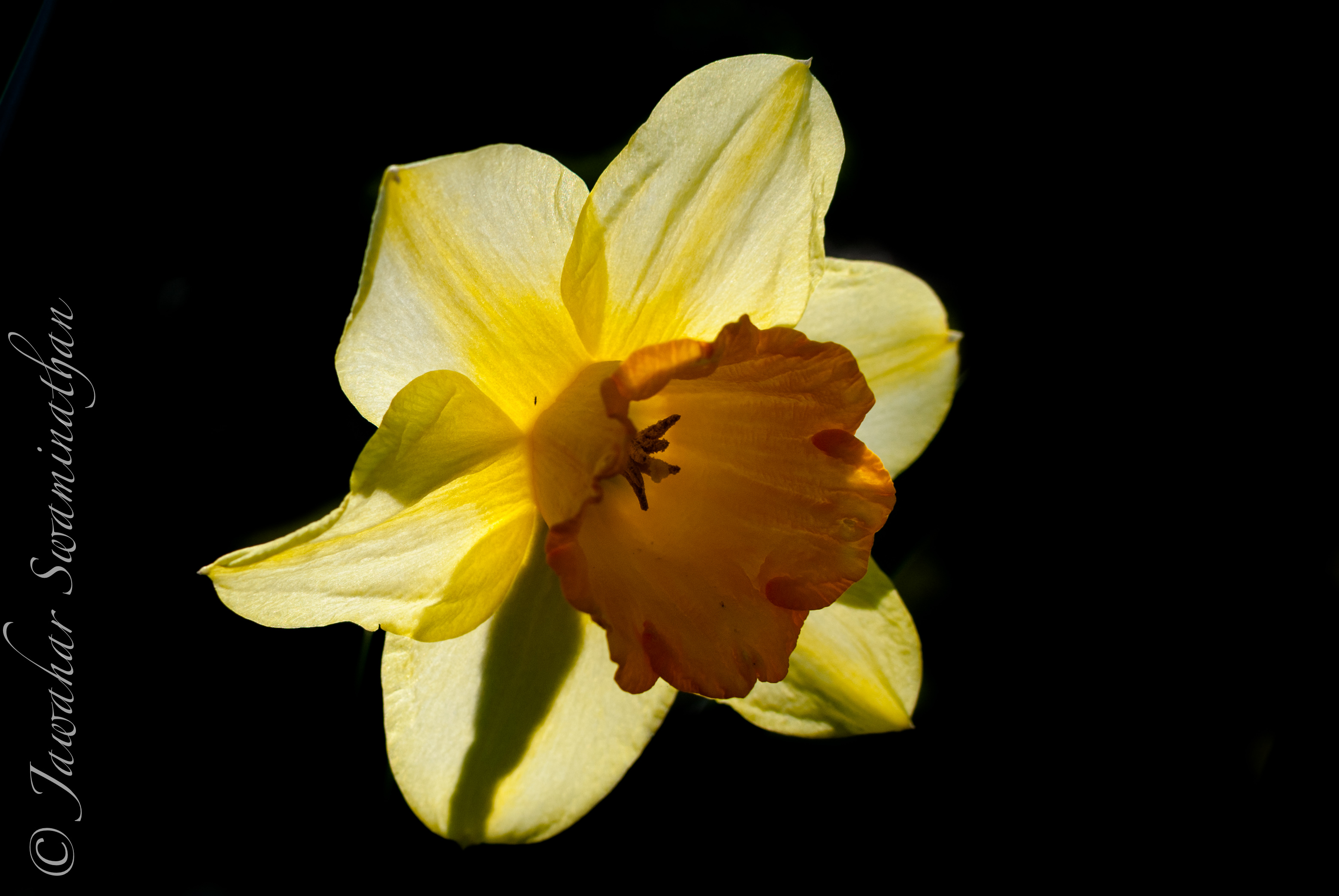
I know this is the middle of winter!! Just to cheer us up and to look forward to the lazy days of spring and summer, here’s a lovely daffodil on a black background.
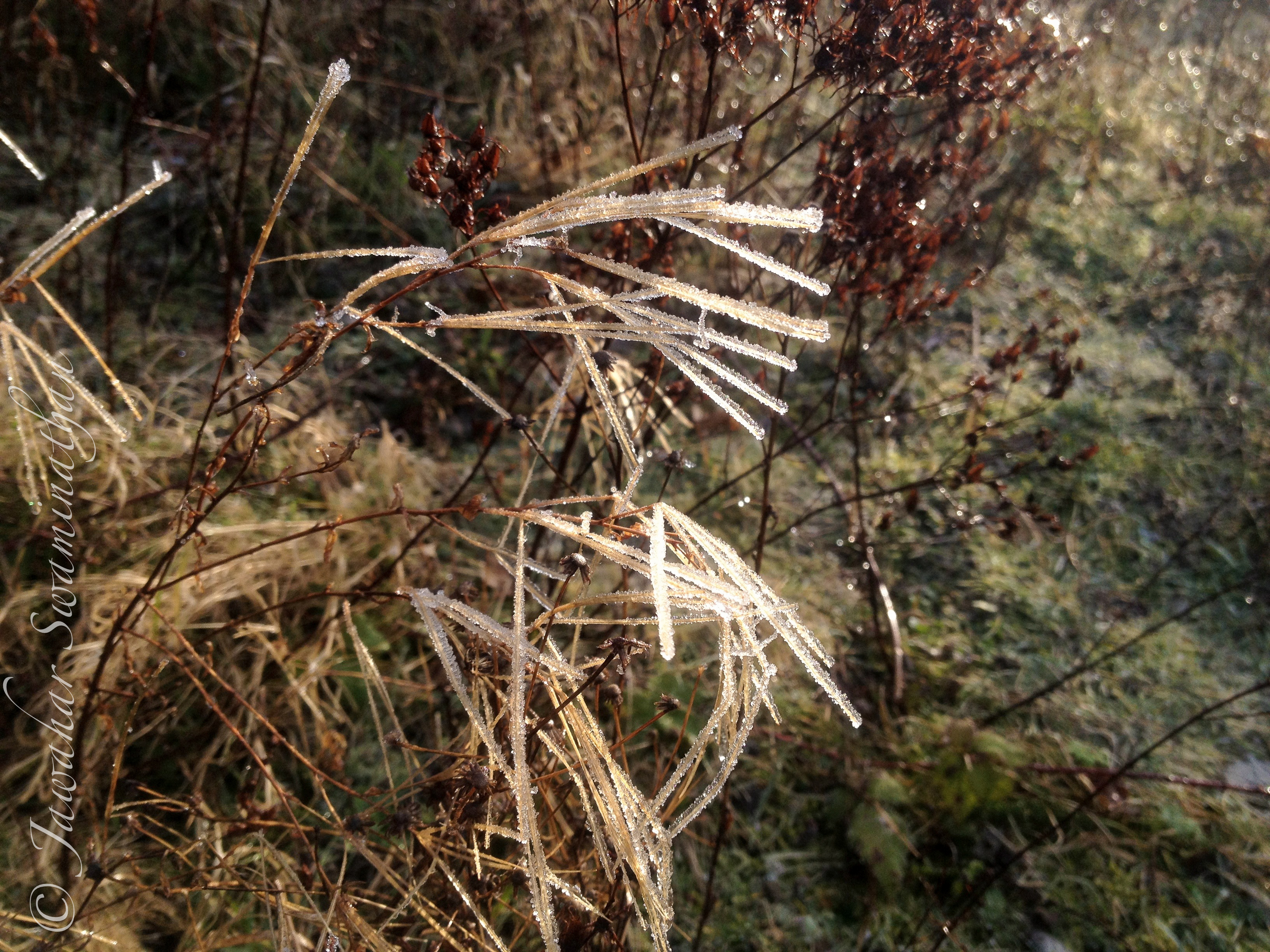
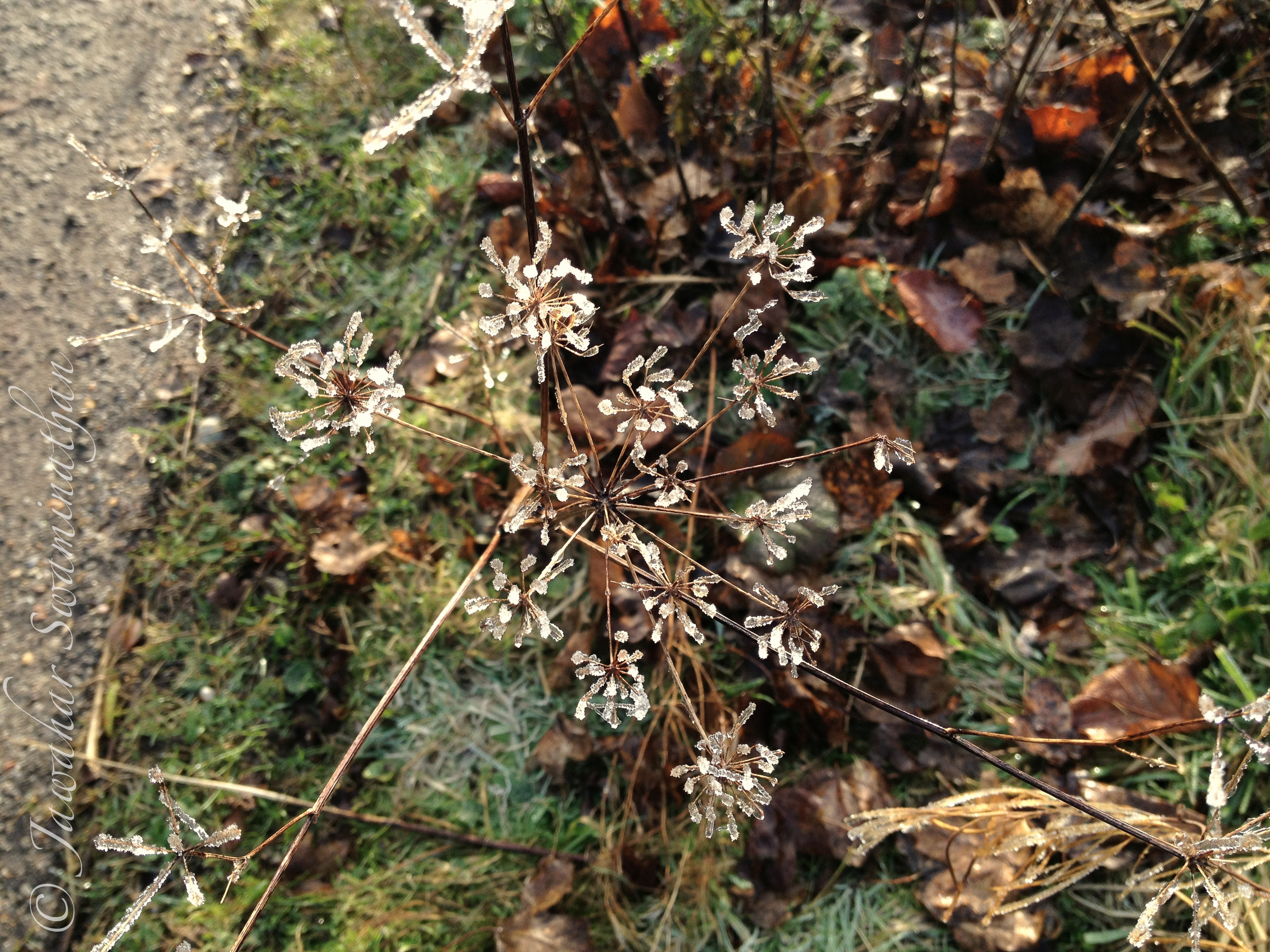
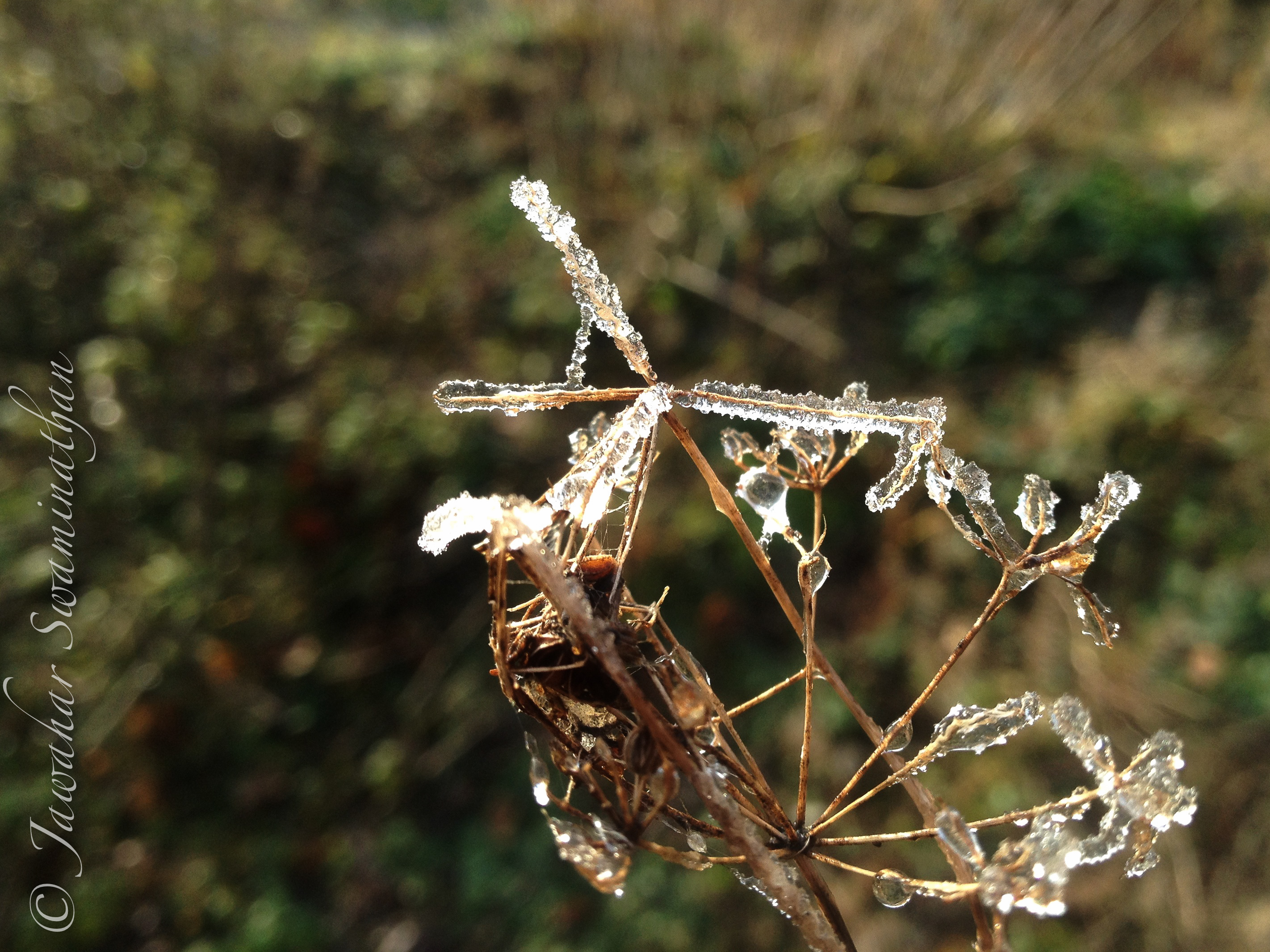
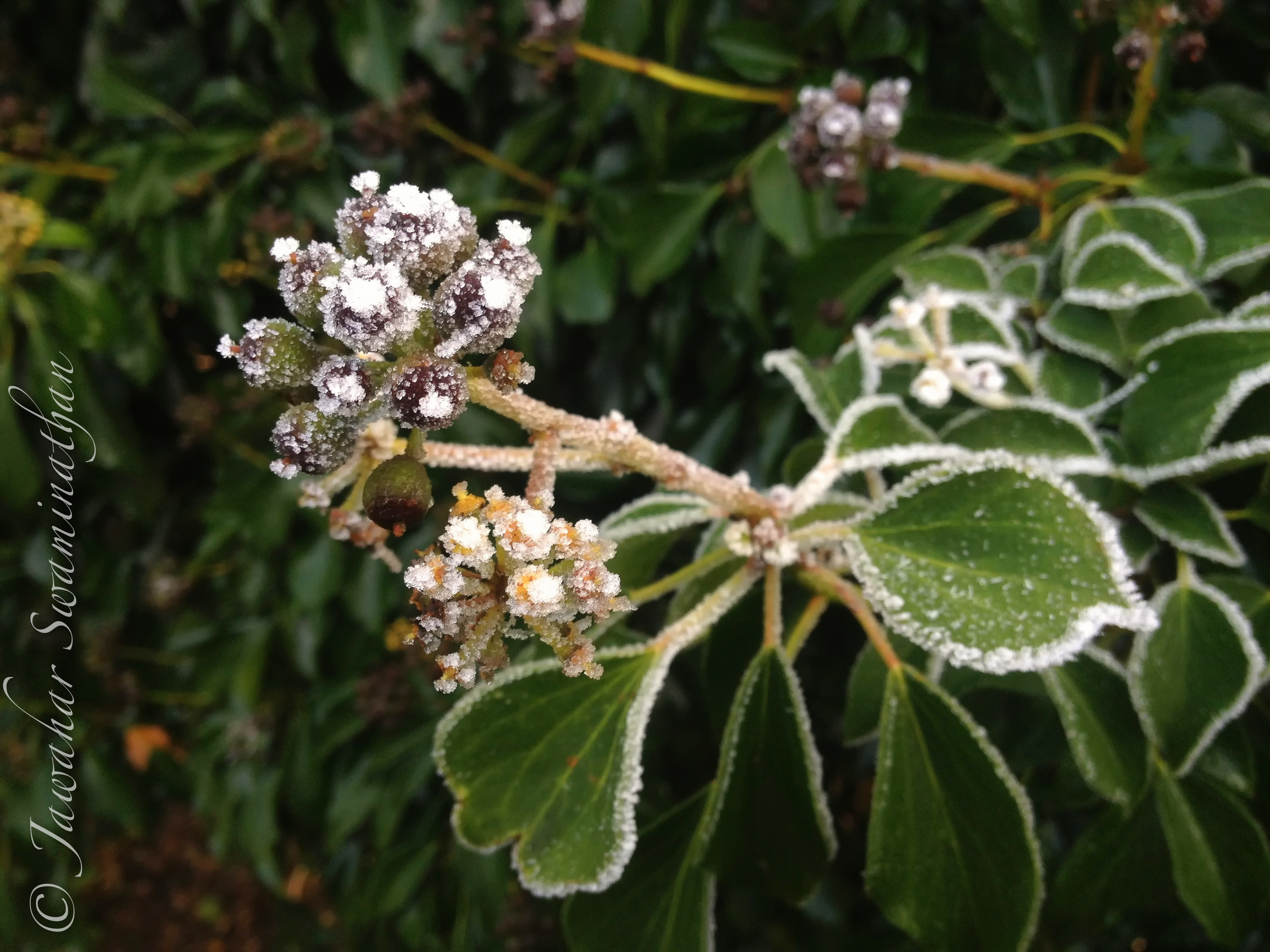
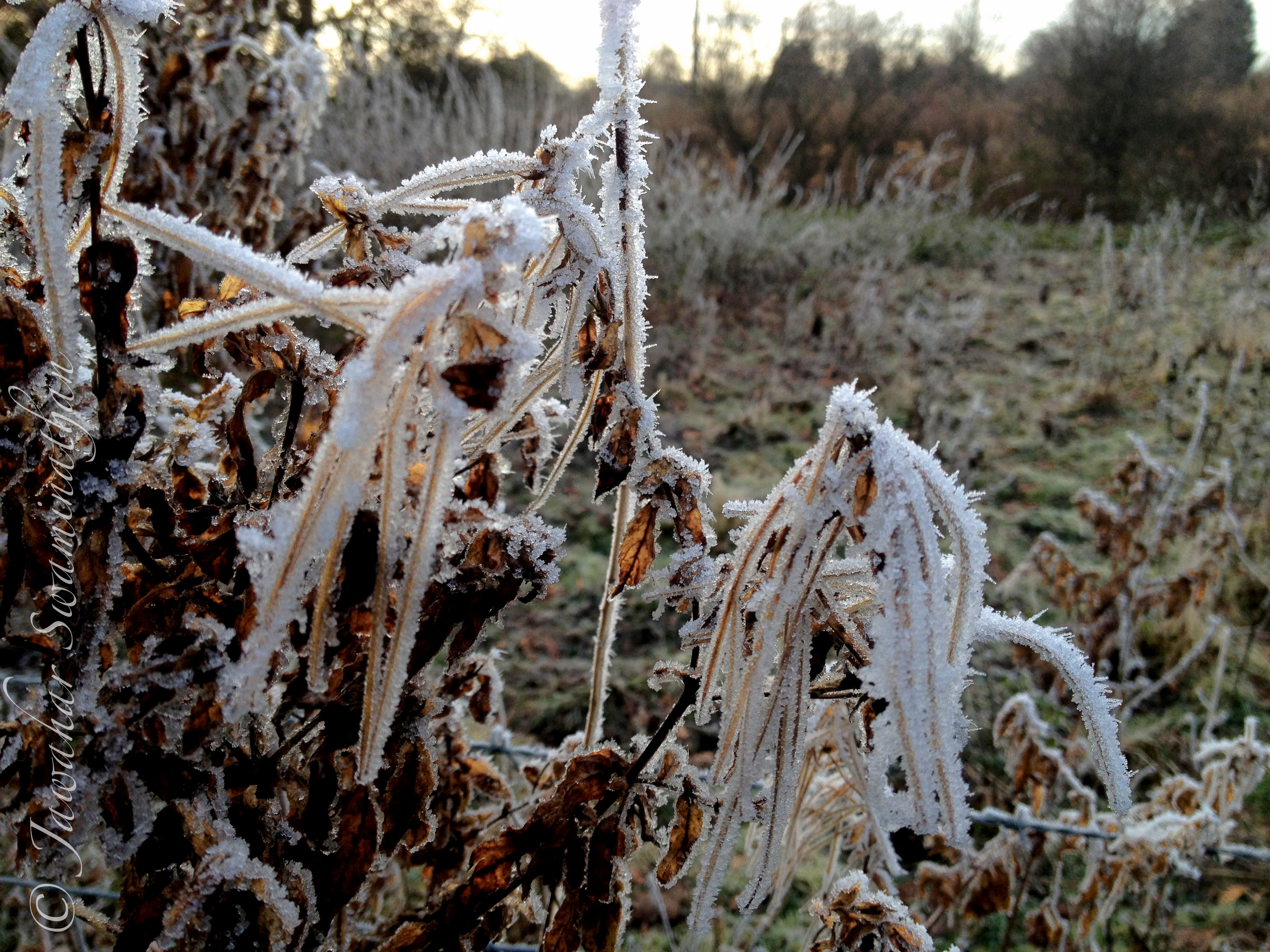
The temperature across East Anglia touched a chilly -6C over the last two nights. Winter is well and truly here in Cambridge. The rapid drop in temperature meant some great opportunities for photography across my place of work. The pictures below are all from my iPhone 4S. As always you can click on the pictures to see and appreciate these flowers of ice.
Ice flowerThis Brassica died out in the summer, but there’s this second chance to see how it would have looked!Extreme frost!!Frozen in time!The leaves of this plant are usually dark green except today!This used to be a Teasel plant..
All pictures with an iPhone 4S (it was too cold to carry anything else!). The images were post-processed in Color Effex Pro 3.0 plugin inside Adobe Lightroom 4.3
People associate Amsterdam with lots of things including “Coffee shops”, Red-light district, Vincent van Gogh and Rembrandt but rarely with canals and water. Ubiquitous in the more than 100km of canals and 1500+ bridges are the water taxis. They are an excellent way of getting around the Amsterdam old quarter avoiding traffic jams on the narrow roads.











 Juridicious