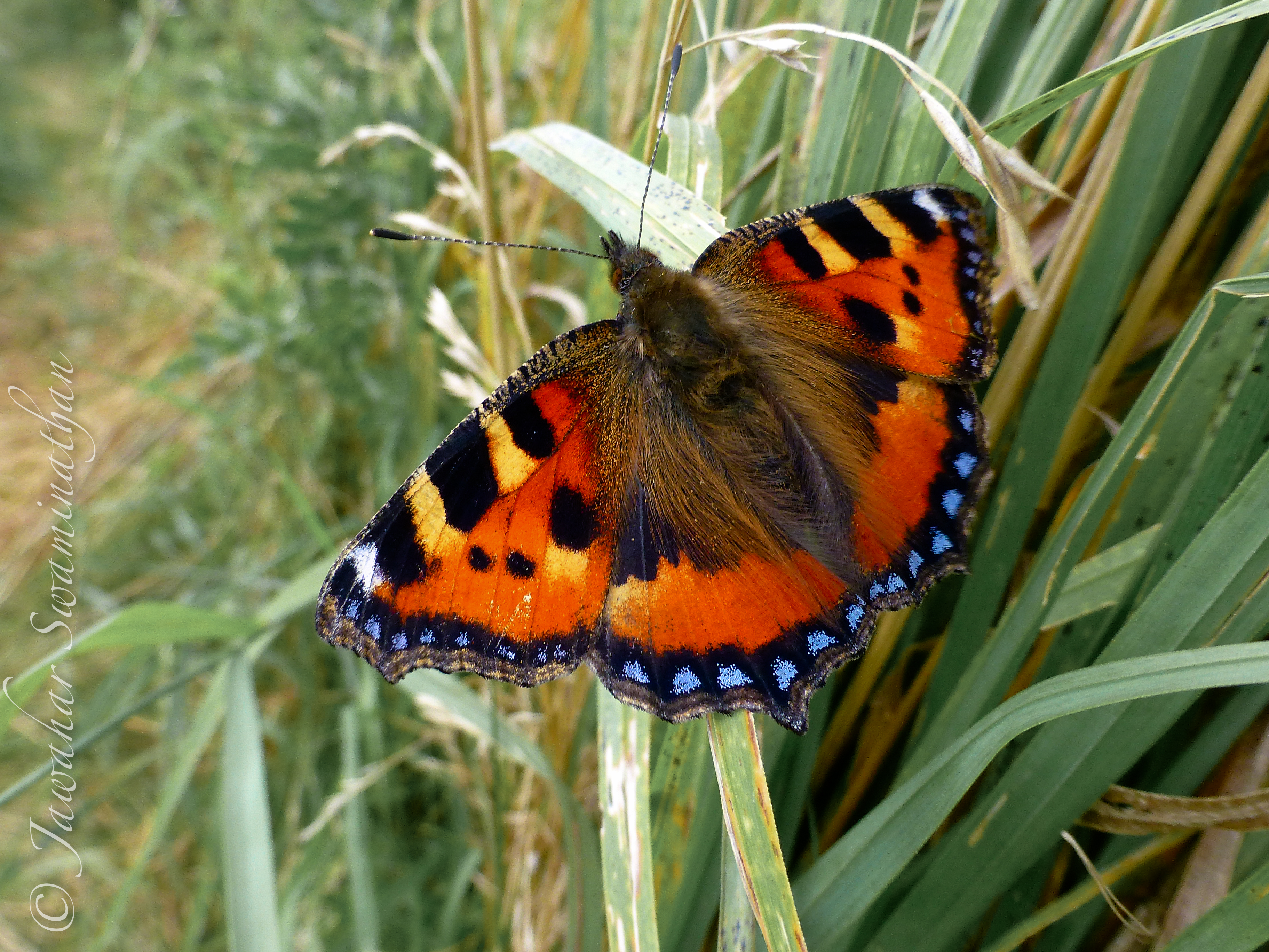
A small tortoiseshell butterfly in South Cambridgeshire. The most common of British butterflies (so nothing special there), except for the thrill of being able to get so close to this beautiful insect. Click on picture to view large size.
A small tortoiseshell butterfly in South Cambridgeshire. The most common of British butterflies (so nothing special there), except for the thrill of being able to get so close to this beautiful insect. Click on picture to view large size.

I saw this spider on my walk this afternoon. It allowed me to get my camera to within a few inches. Just looking at this gives me the jitters, given that it is so alien to what we are used to!
Scarlet pimpernel – a small flower with a big and famous name. A low sprawling plant with bright red flowers about 10mm across. All parts of the plant are poisonous and contain glucopyranoside cucurbitacins (Arvenins I to IV). Consumption can cause stomach upsets, trembling and kidney damage. (Source: Wildflowerfinder.org.uk).
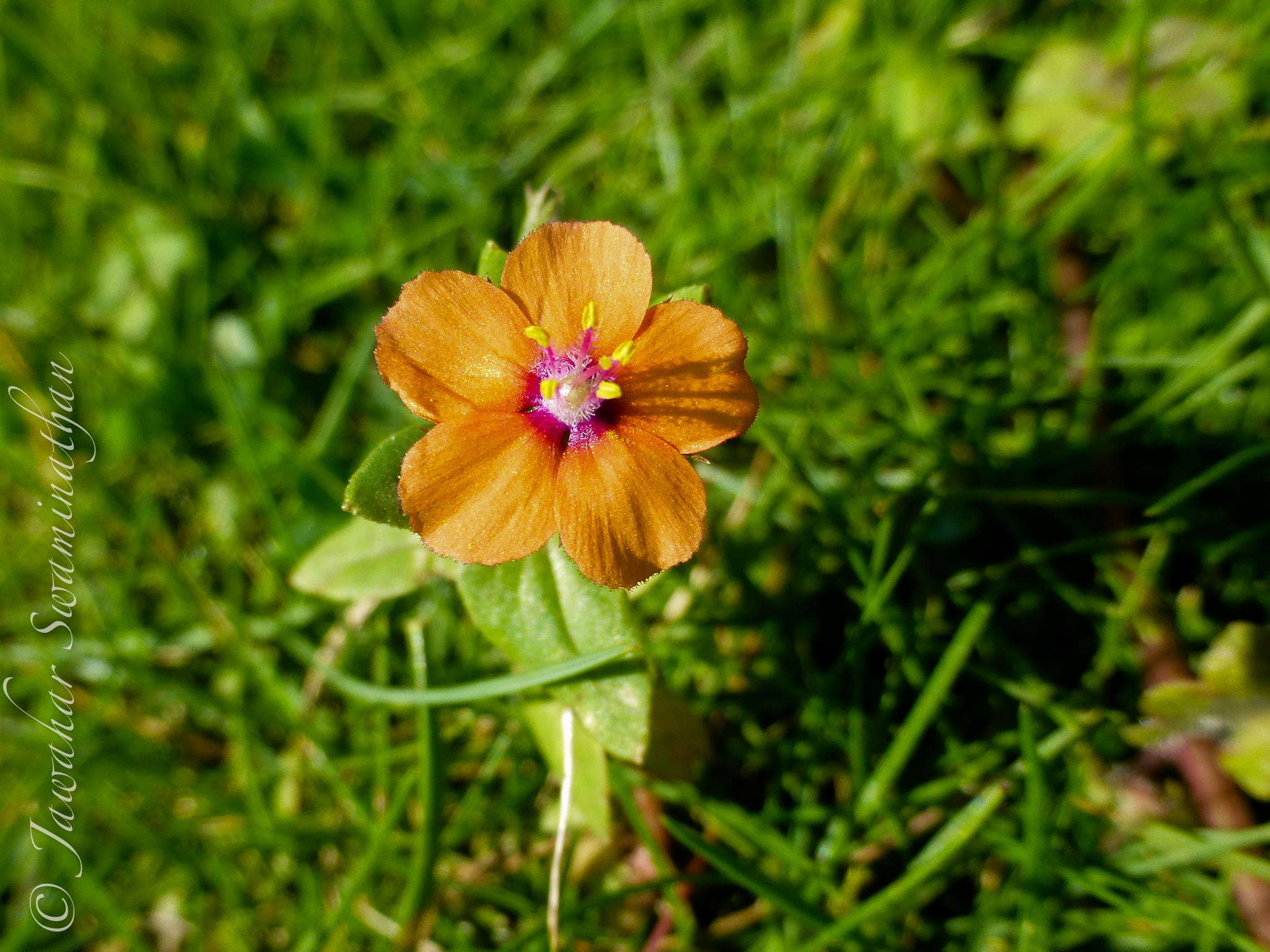
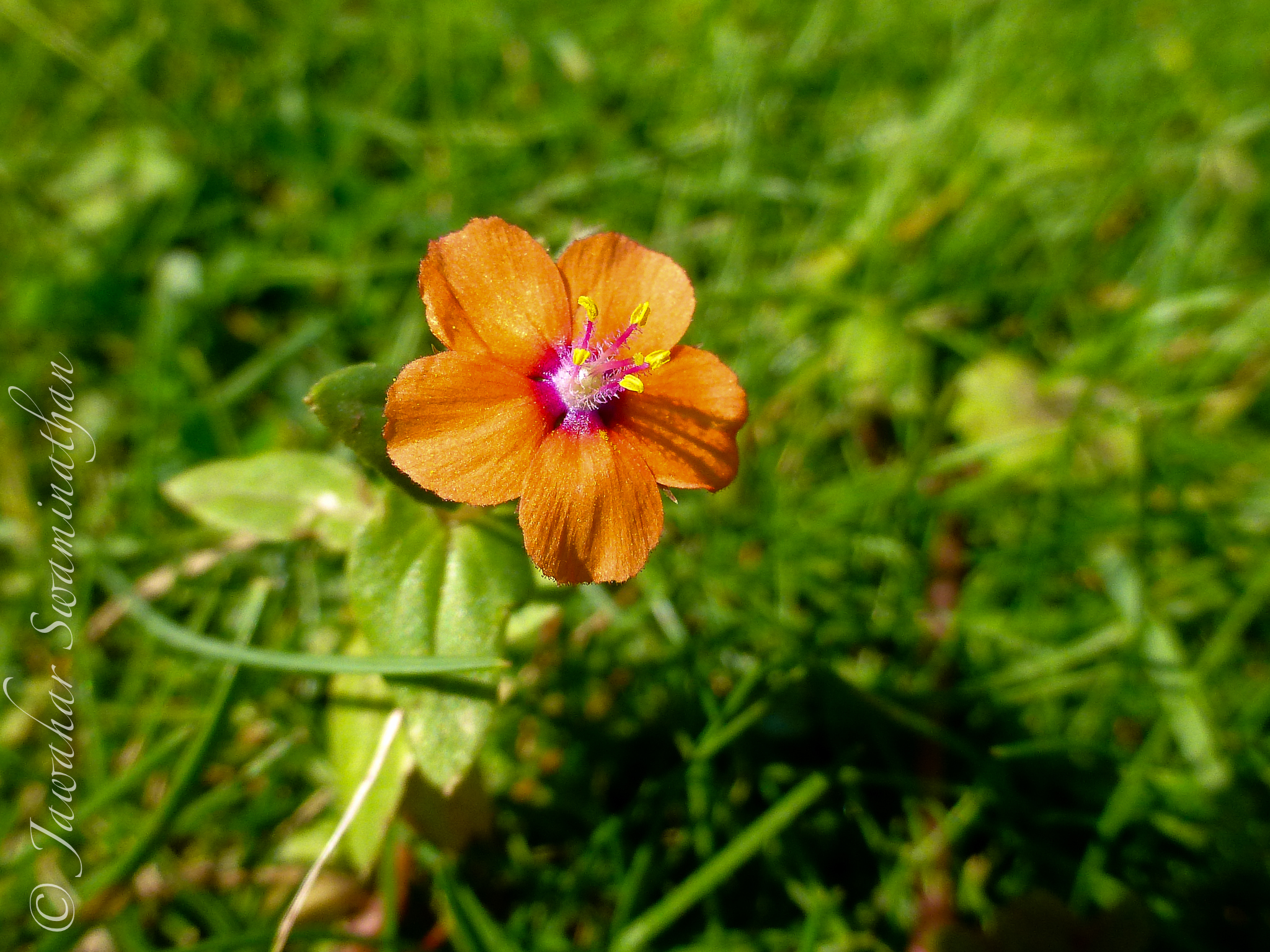
For more information, please see: http://wildflowerfinder.org.uk/Flowers/P/Pimpernel(Scarlet)/Pimpernel(Scarlet).htm
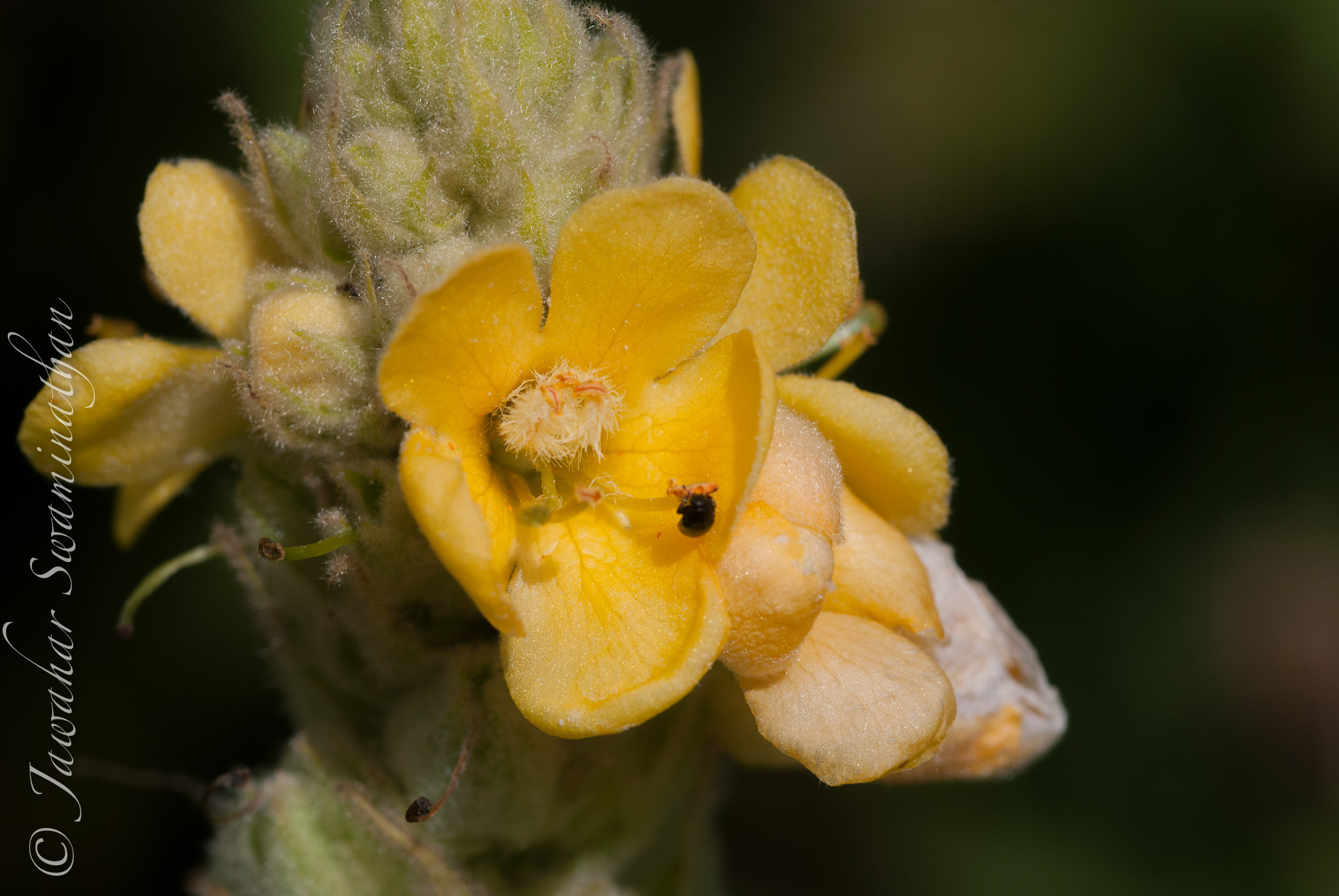
Great mullein (Verbascum thapsus) is a robust, upright plant that is covered with thick white woolly hairs. It is commonly found in grassland, and verges. The flowers are produced on an upright stalk and are usually bright yellow in colour.
Related Posts:
Tree Lilies are a hybrid lilies of oriental and European lilies, and grow up to 8 feet in height with large fragrant blooms. I bought a few tree lilies earlier this year and they’ve grown to about 5 feet tall. Here’s what the flowers look like:
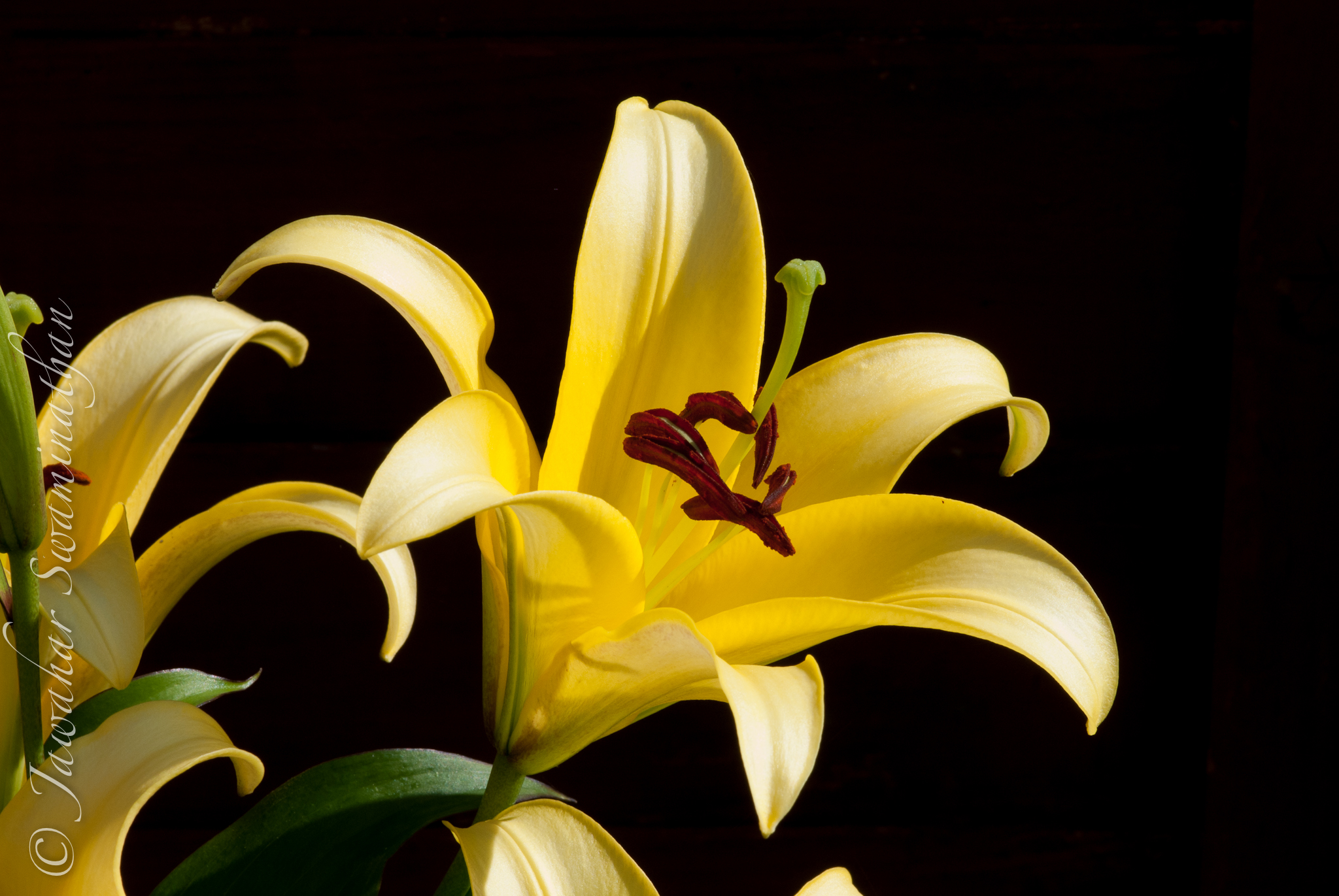

Tree lilies can be bought from most good garden centres an nurseries. I purchased mine mail order from Thompson & Morgan. Don’t buy bulbs in autumn, or if you do, desist from planting in the ground till spring next year. I lost a whole collection of these over the winter here in Cambridge.
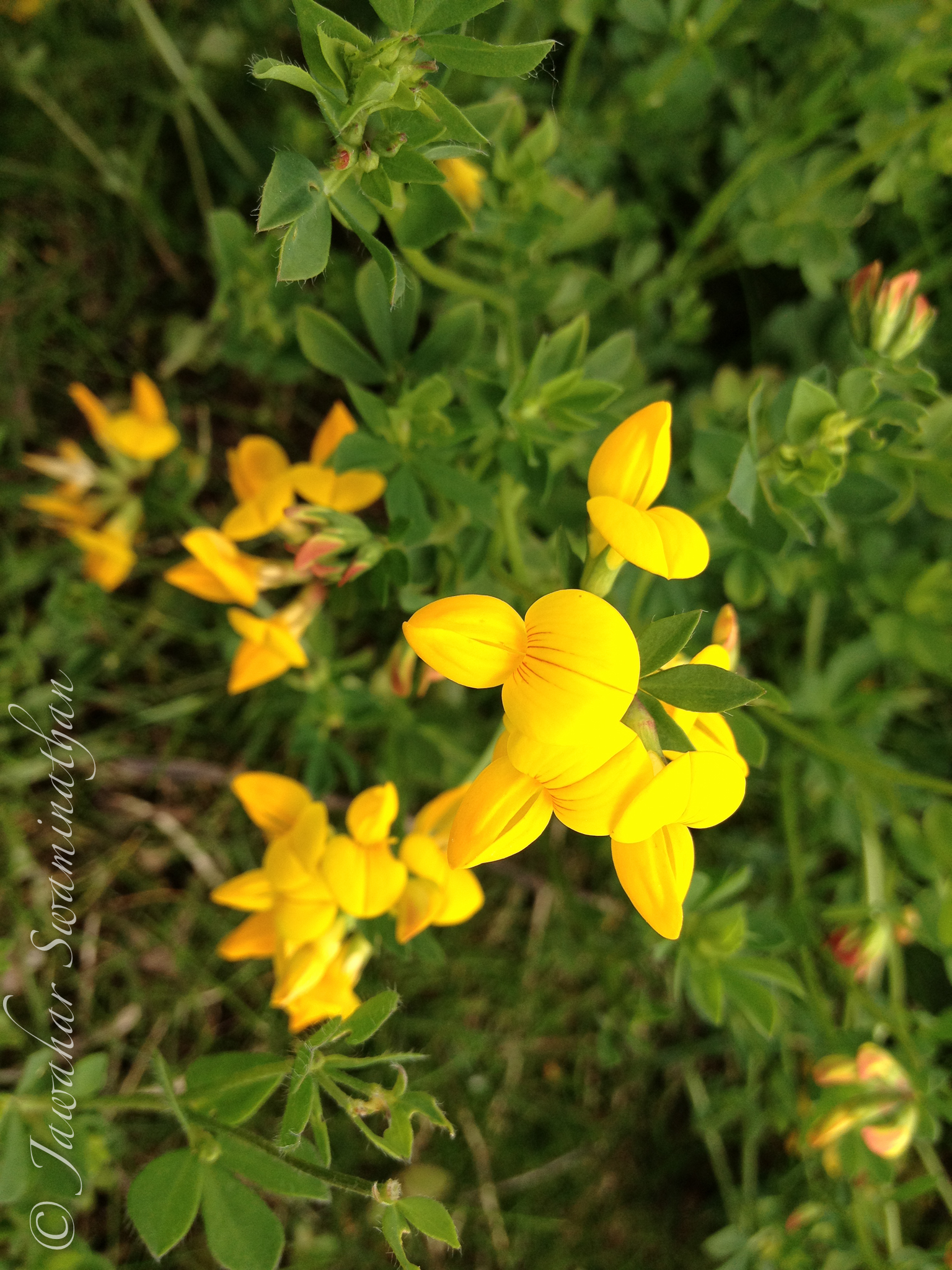
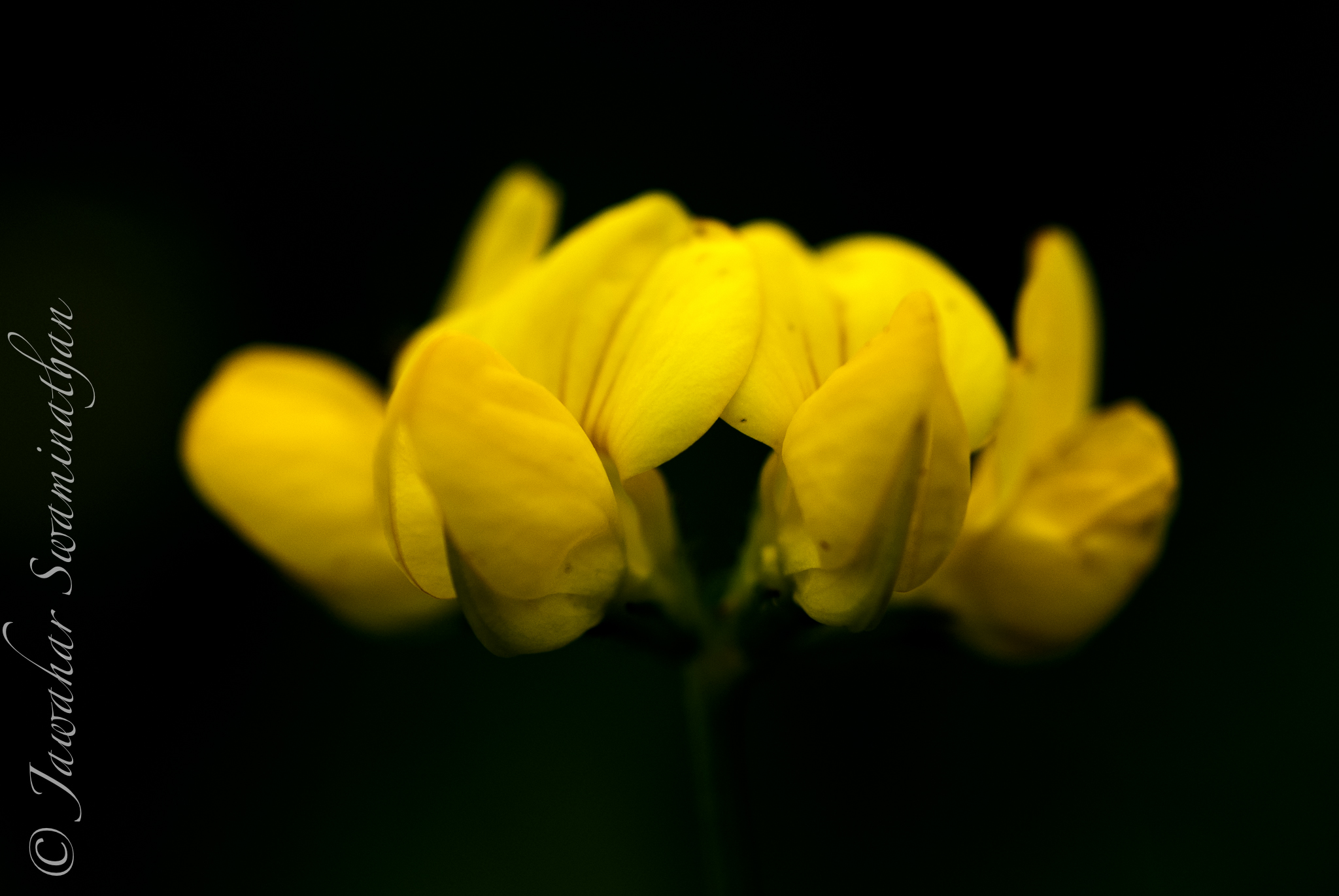
A common sight in British grasslands and meadows. In high season, whole fields seem coated in yellow. These plants, also called Lotus corniculatus, belong to the same family as the pea.
Related Posts:
Following on from my earlier post on wildflowers in the United Kingdom, here are the thistles.
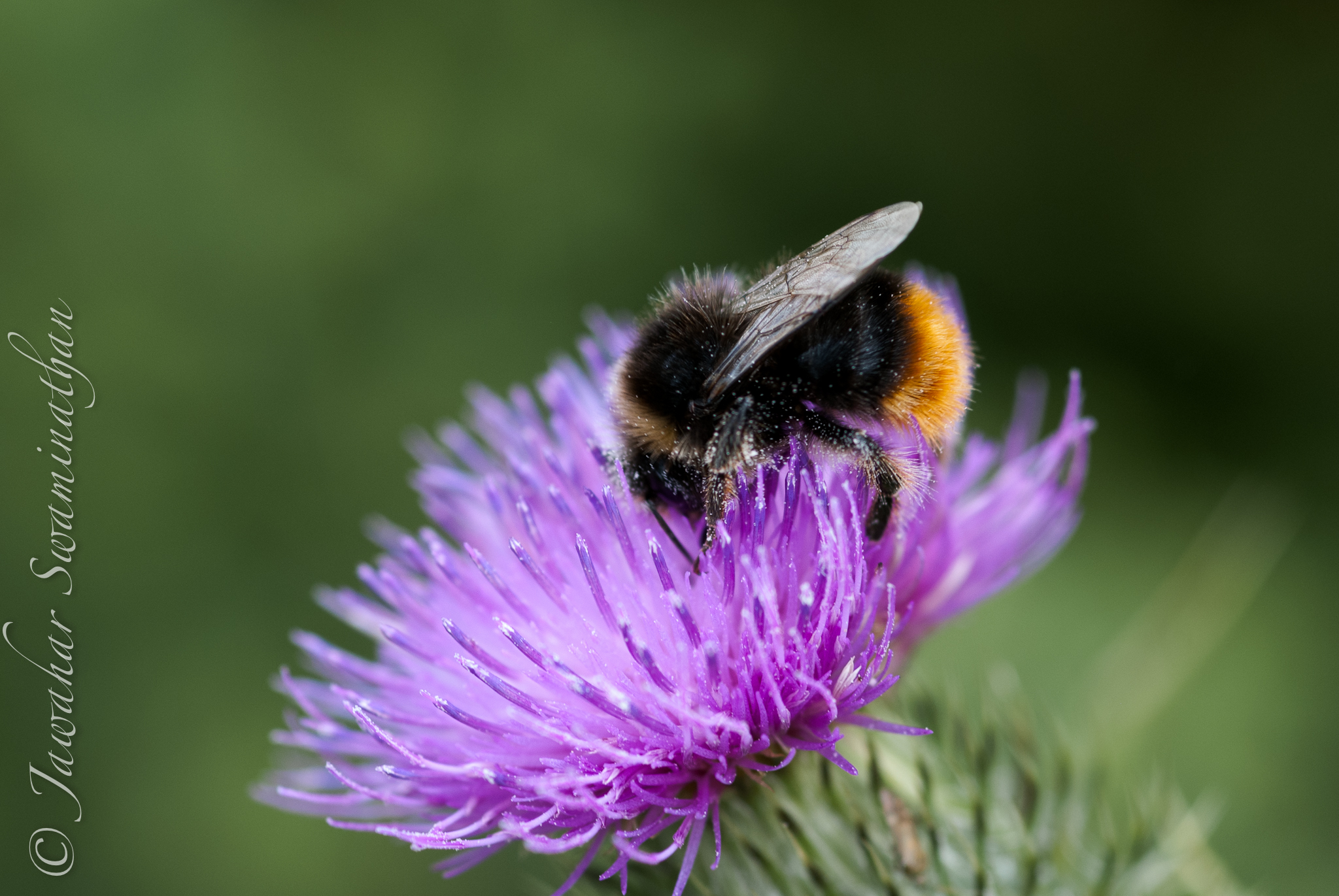

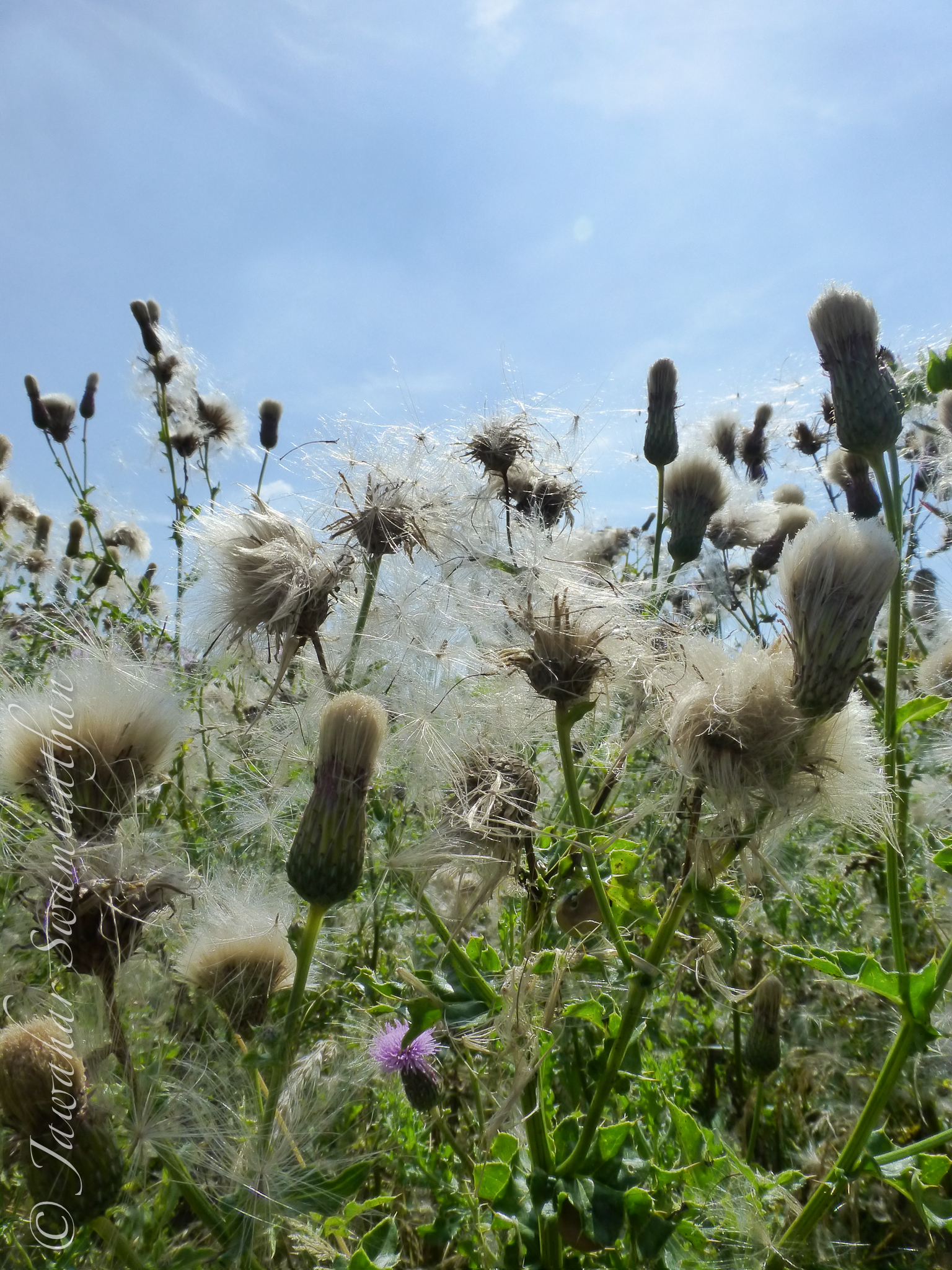

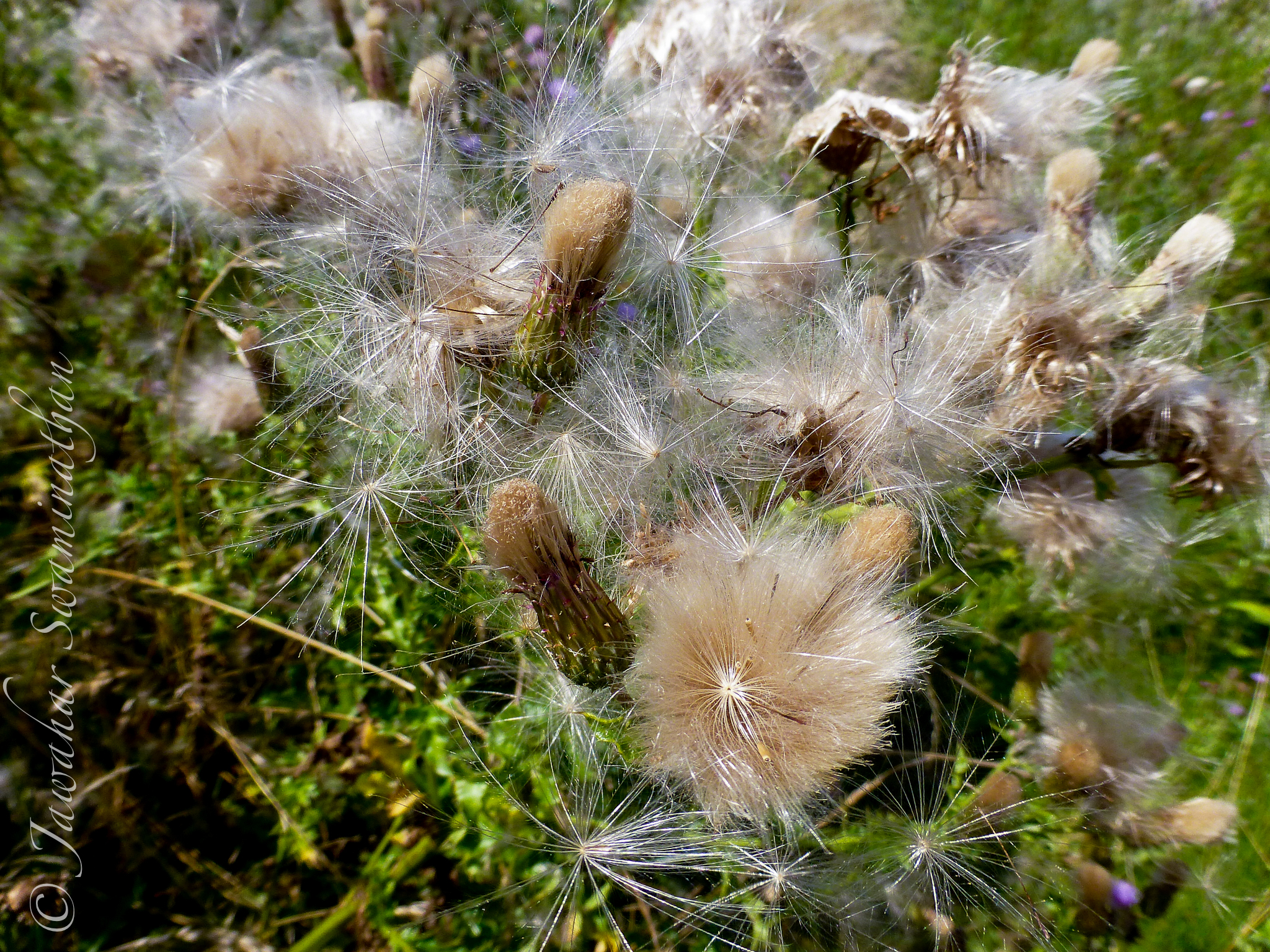
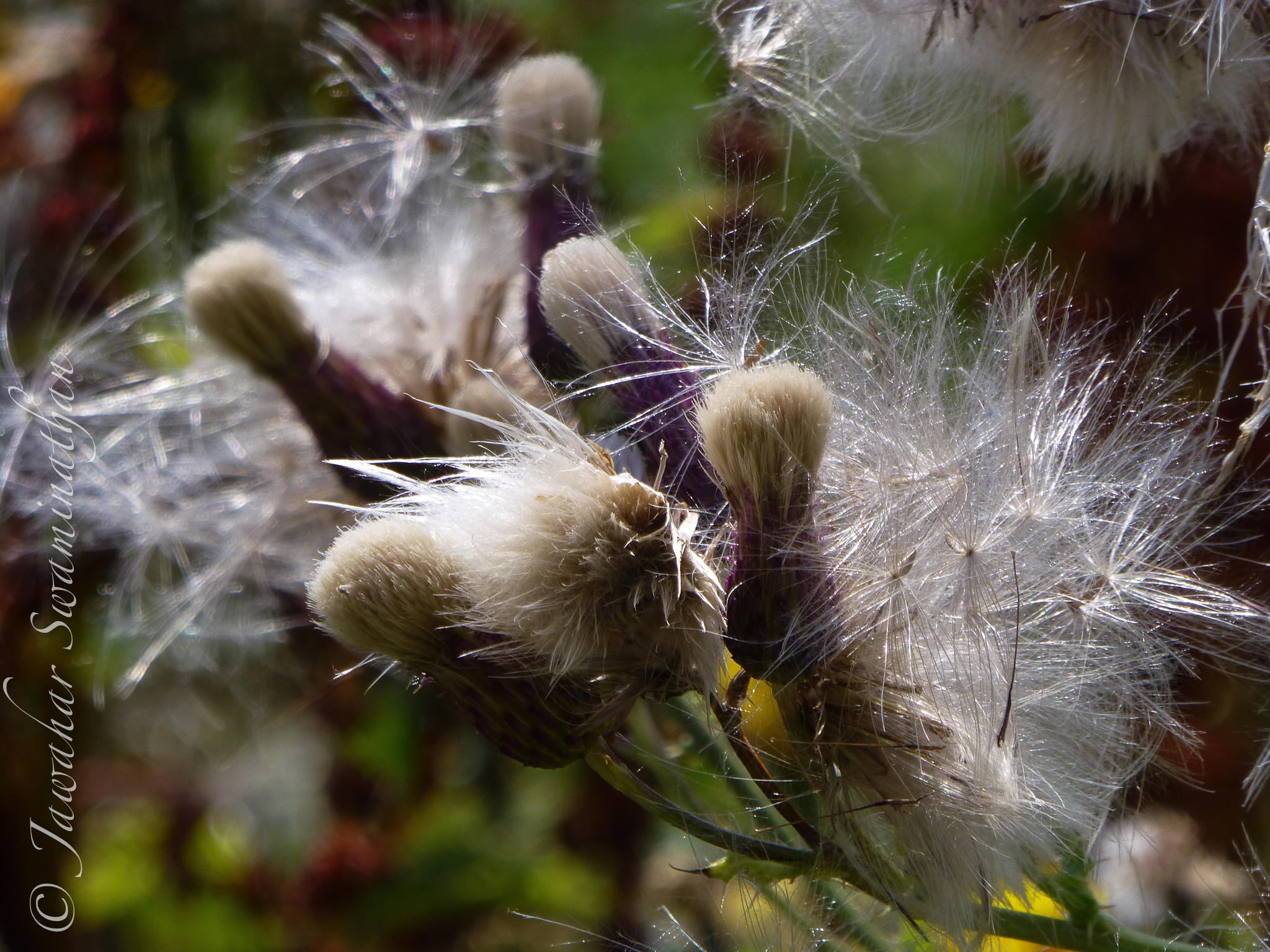

Creeping thistle seeds – silky feathers that carry the seeds long distances in the wind.
Click on any of the pictures above to see a full-size image. I hope you like the post and the pictures. I welcome your comments.
Related Post: http://juridicious.com/2012/08/08/british-wild-flowers/trackback/
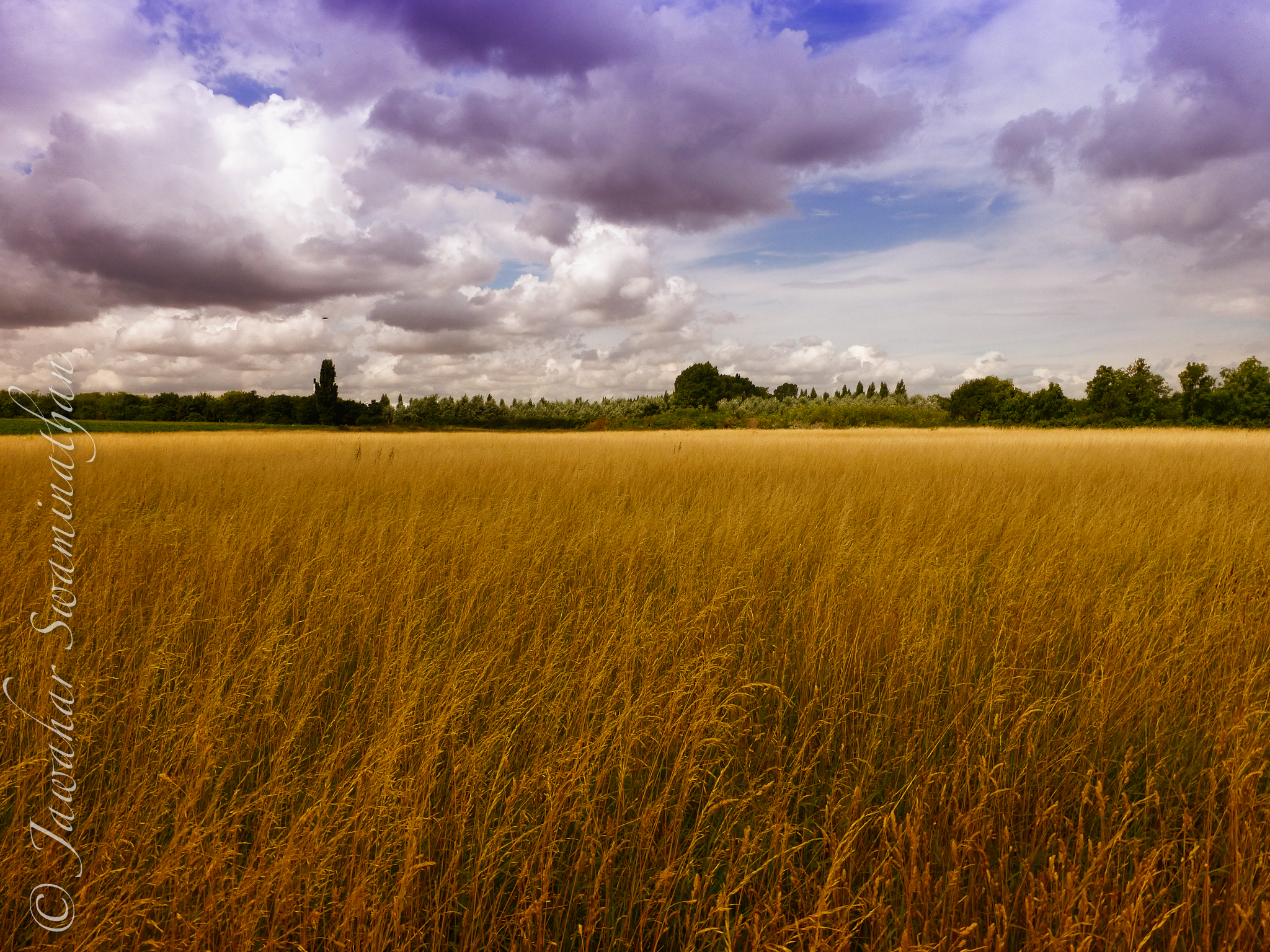
Down in South Cambridgeshire (near Duxford), a field left fallow by a Public Footpath. Now covered in golden strands of grass seeds.
I love taking pictures with a black or underexposed background. Most of my pictures are taken in daylight. There are two tricks I use to get to a suitably dark or sometimes totally black background. As I’ve been asked many time how I do this, here’s is the first way.
Using an external flash with the camera set to a very high shutter speed (> 1/2500) and a high aperture (~f/14). This ensures that the foreground is well exposed and there isn’t enough time for the sensor to record the background which then appears dark. Slight adjustments in Lightroom to increase black and the photograph really stands out.
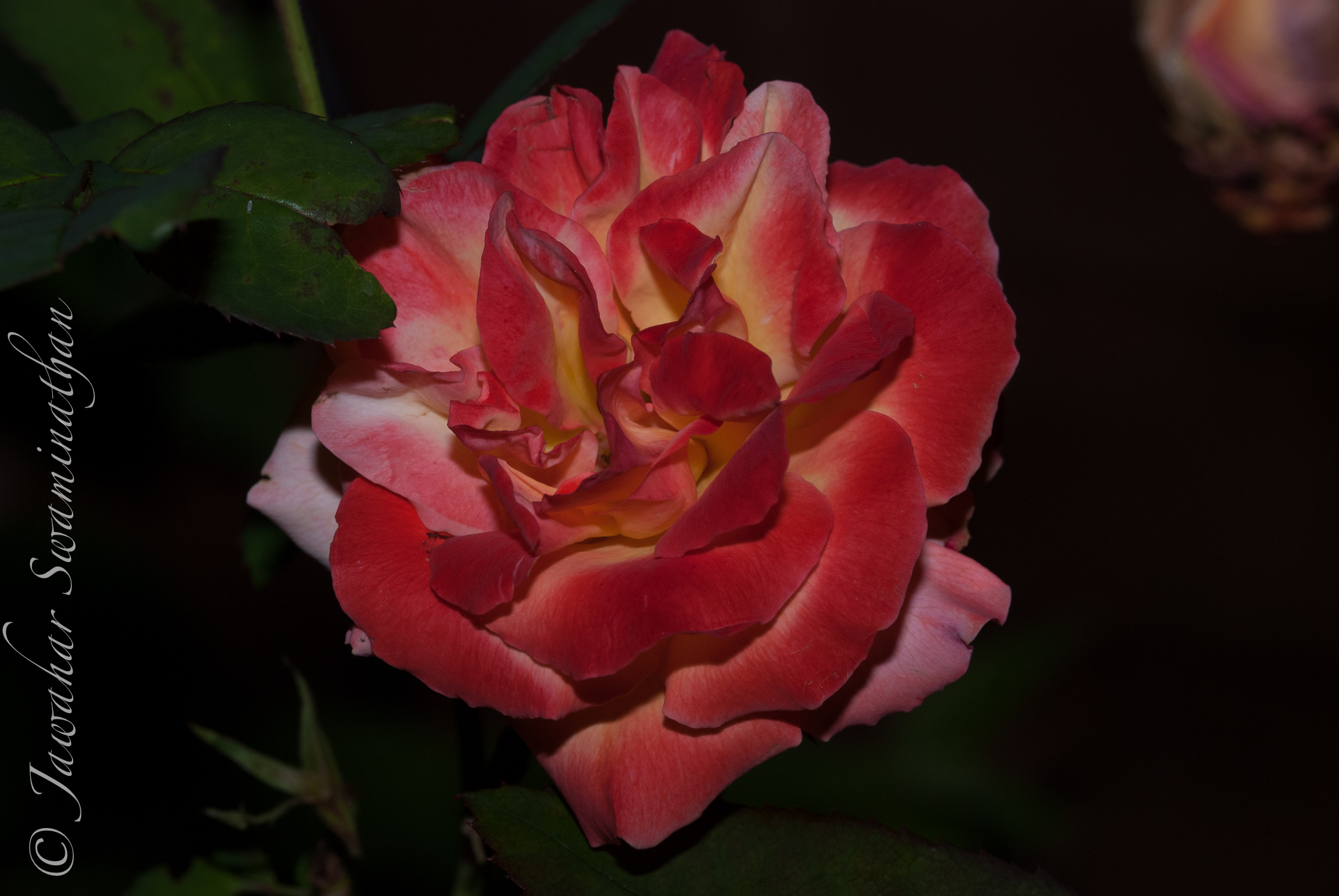
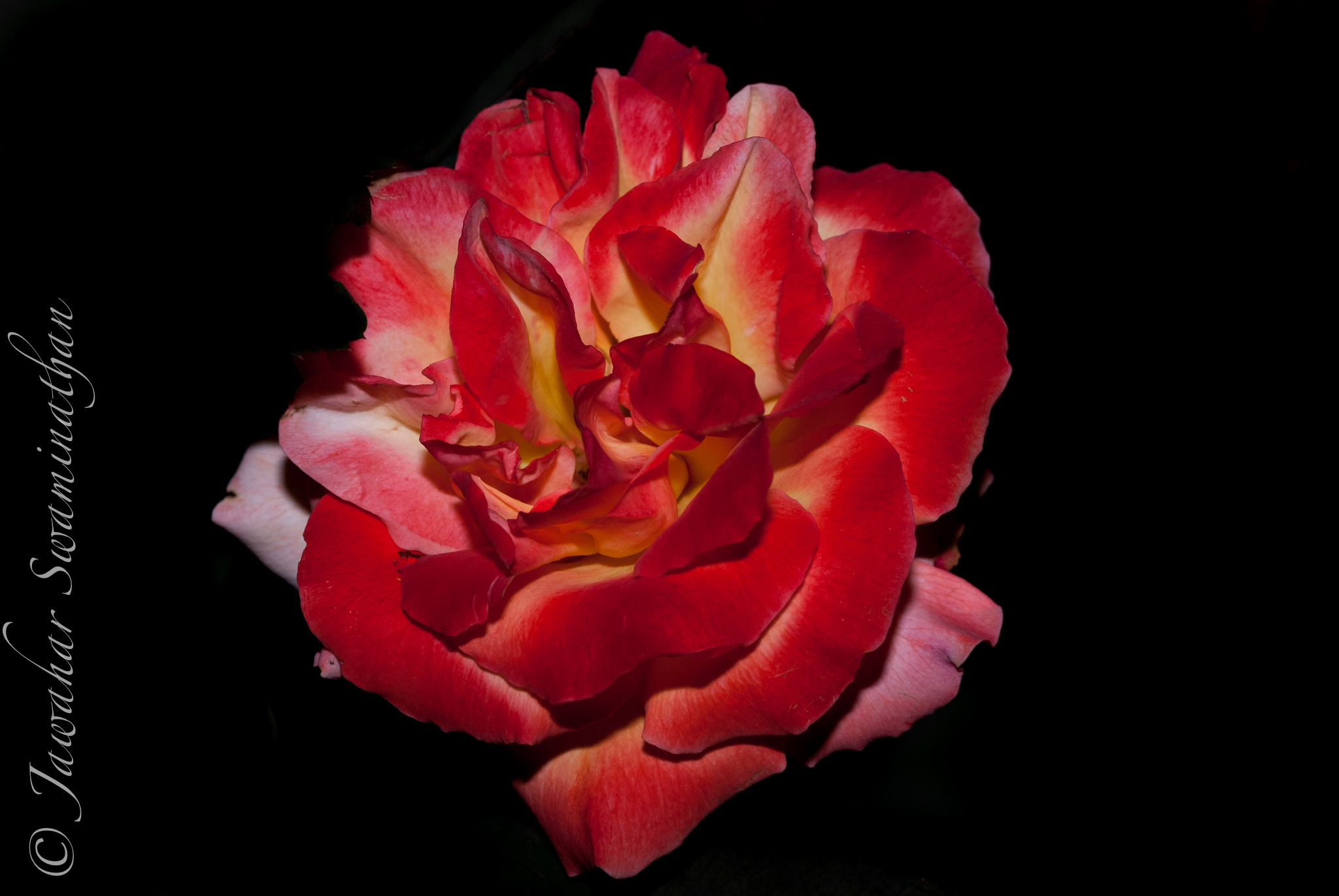
It is really that easy!! Of course, it always helps if the background isn’t too crowded or very bright. Also using a high aperture means that most of the image is in focus. In a future post, I will try to cover other ways by which I get a black background (especially in those cases where this method is not possible).
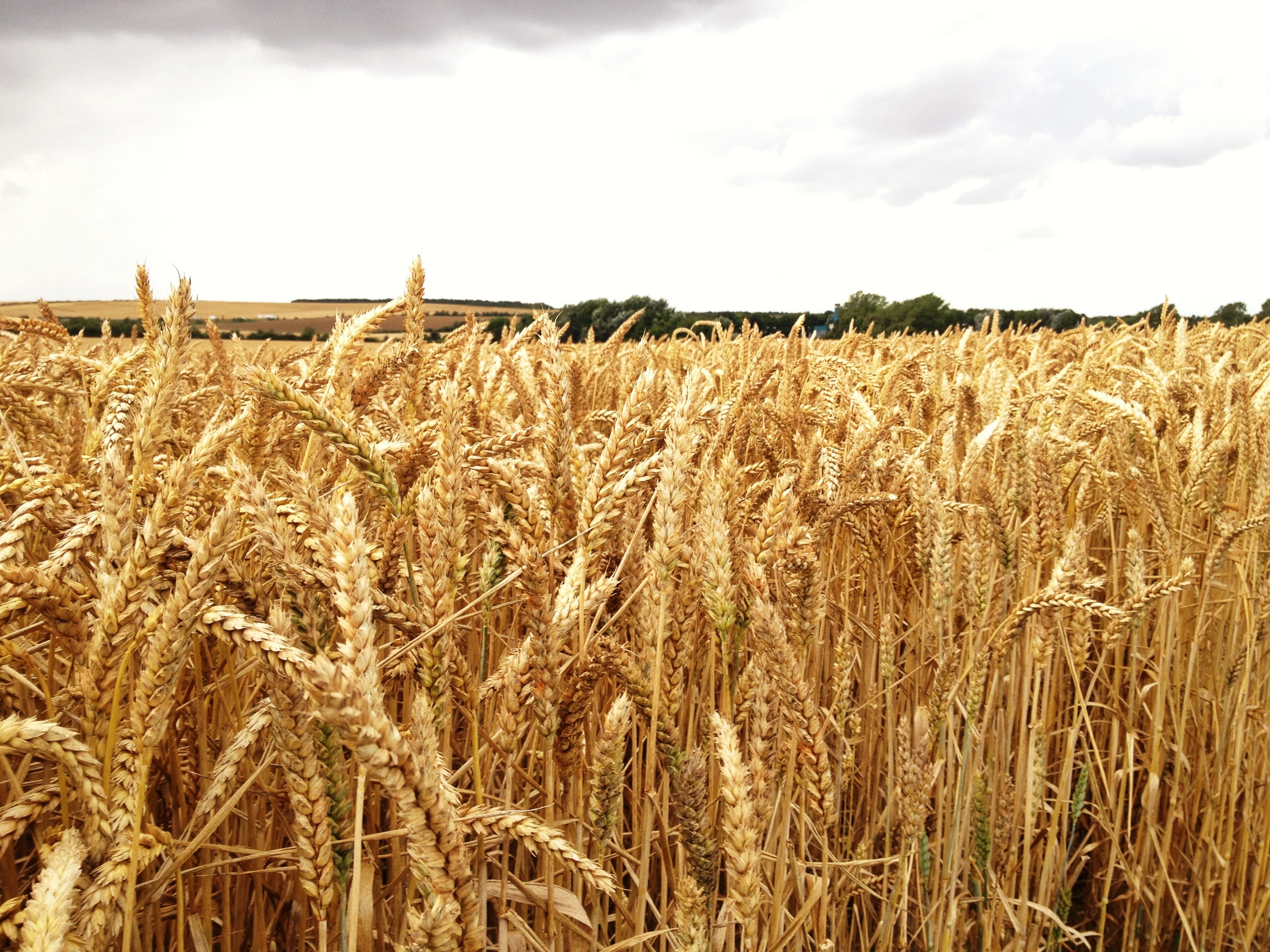
Fields of golden wheat. Cambridgeshire
 Juridicious