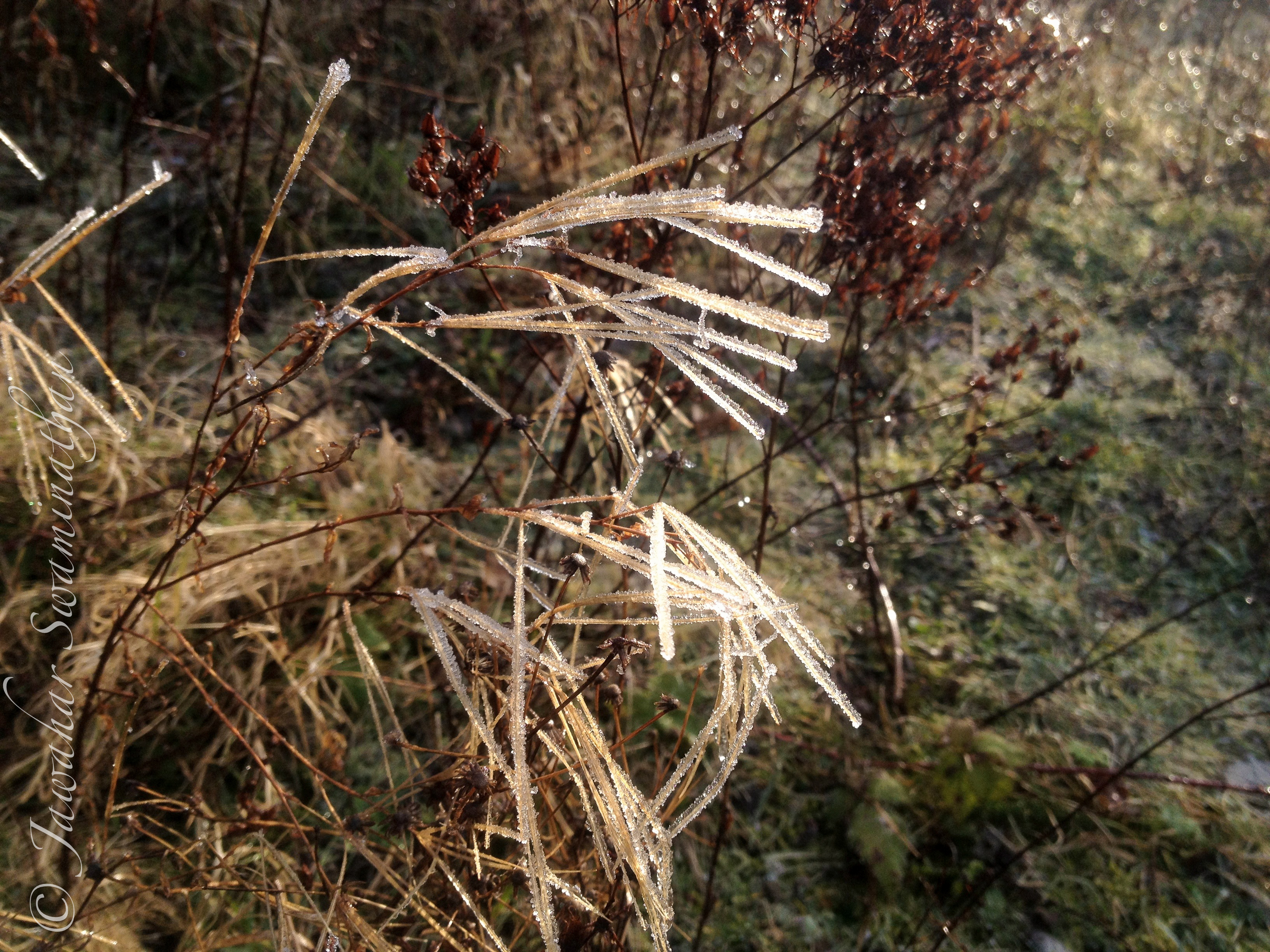
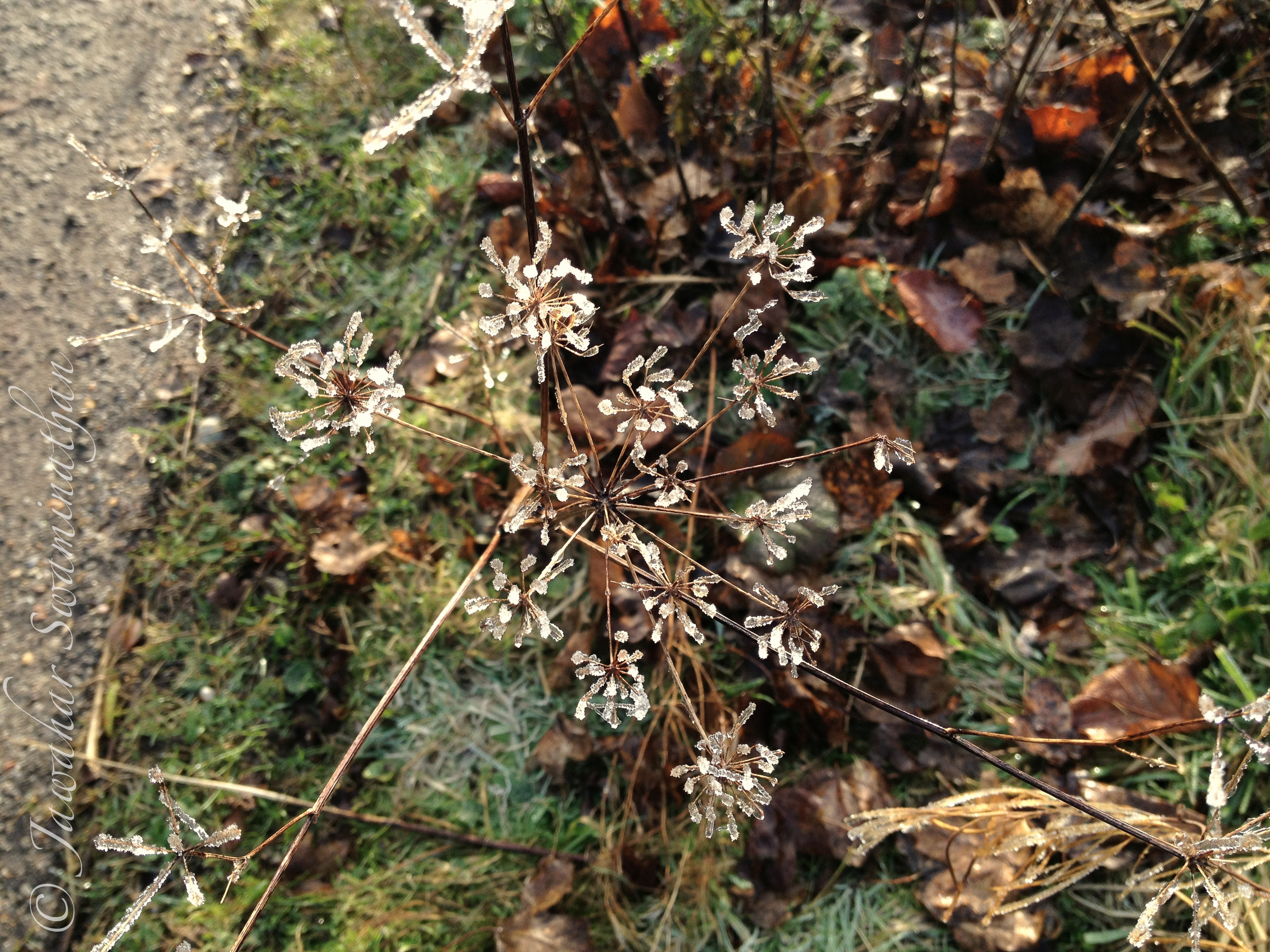
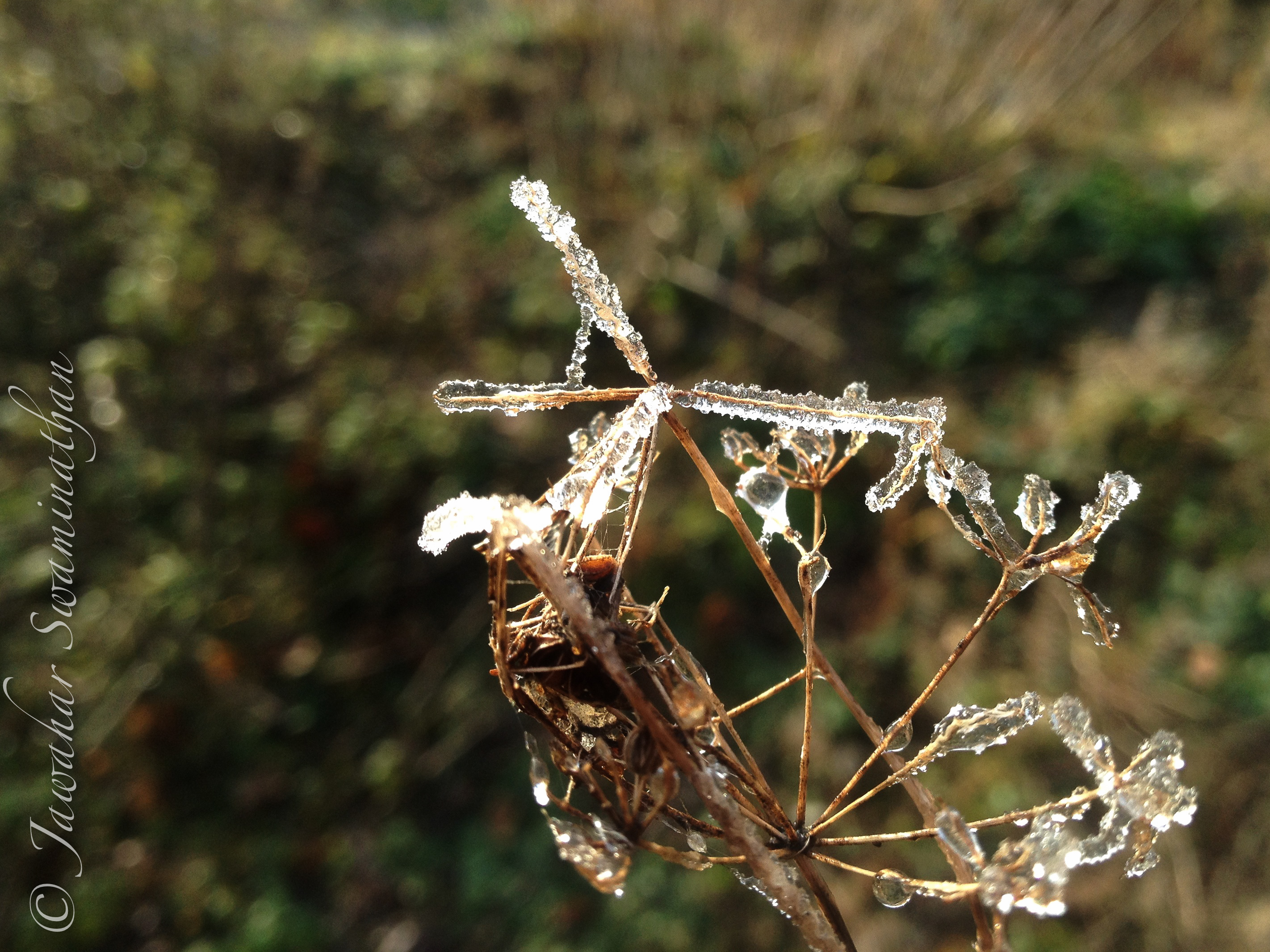
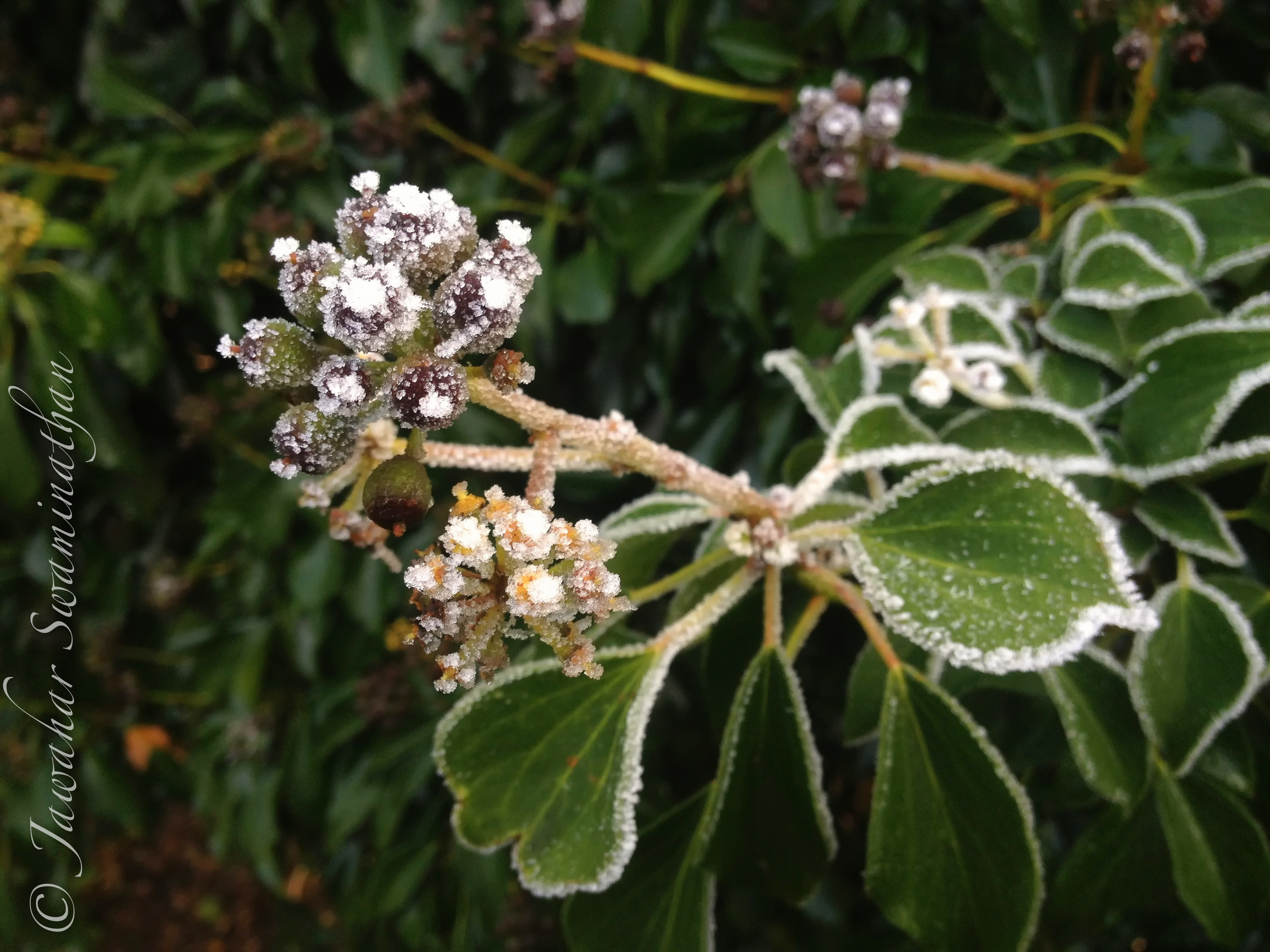
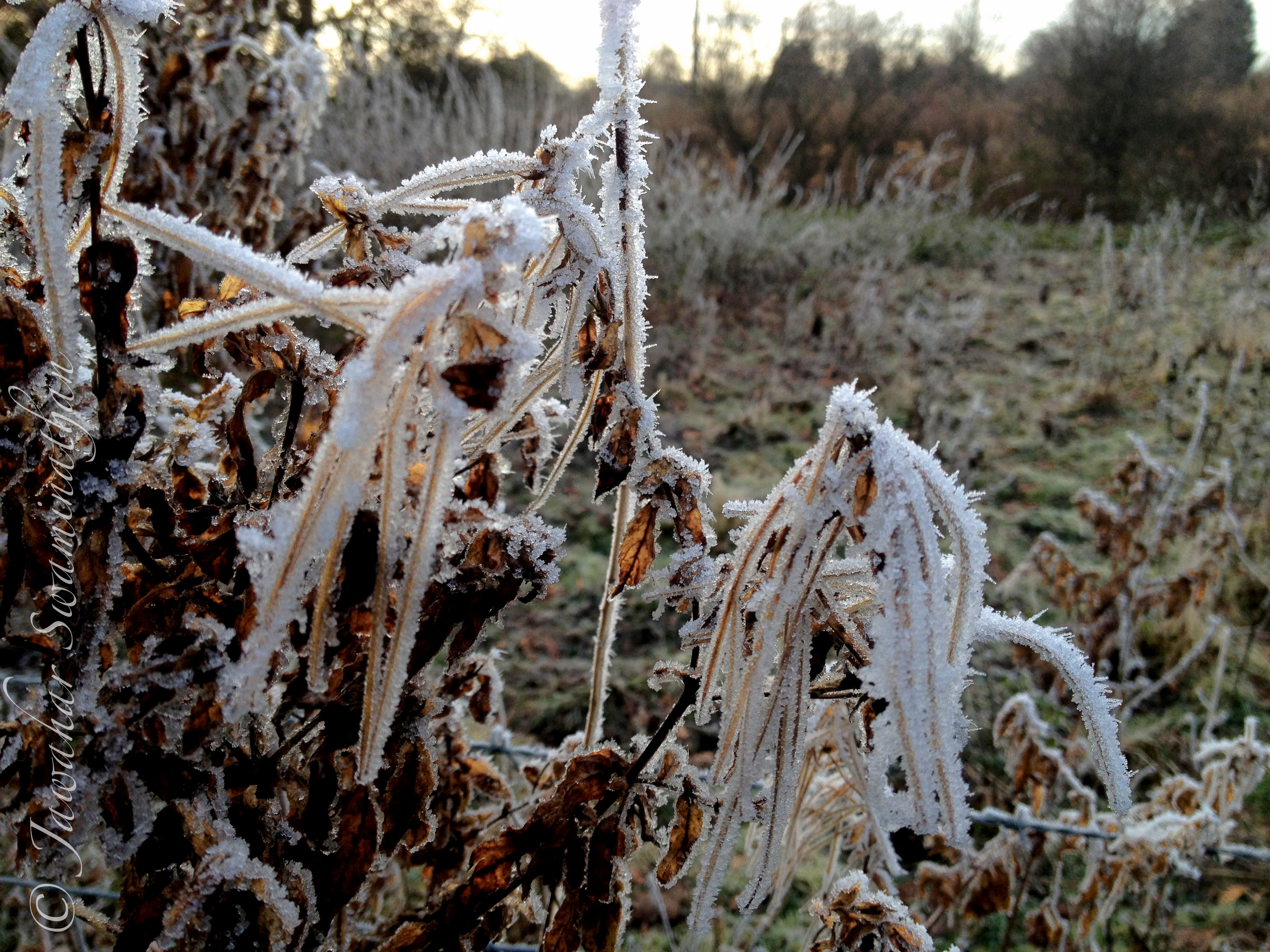
The temperature across East Anglia touched a chilly -6C over the last two nights. Winter is well and truly here in Cambridge. The rapid drop in temperature meant some great opportunities for photography across my place of work. The pictures below are all from my iPhone 4S. As always you can click on the pictures to see and appreciate these flowers of ice.
Ice flowerThis Brassica died out in the summer, but there’s this second chance to see how it would have looked!Extreme frost!!Frozen in time!The leaves of this plant are usually dark green except today!This used to be a Teasel plant..
All pictures with an iPhone 4S (it was too cold to carry anything else!). The images were post-processed in Color Effex Pro 3.0 plugin inside Adobe Lightroom 4.3
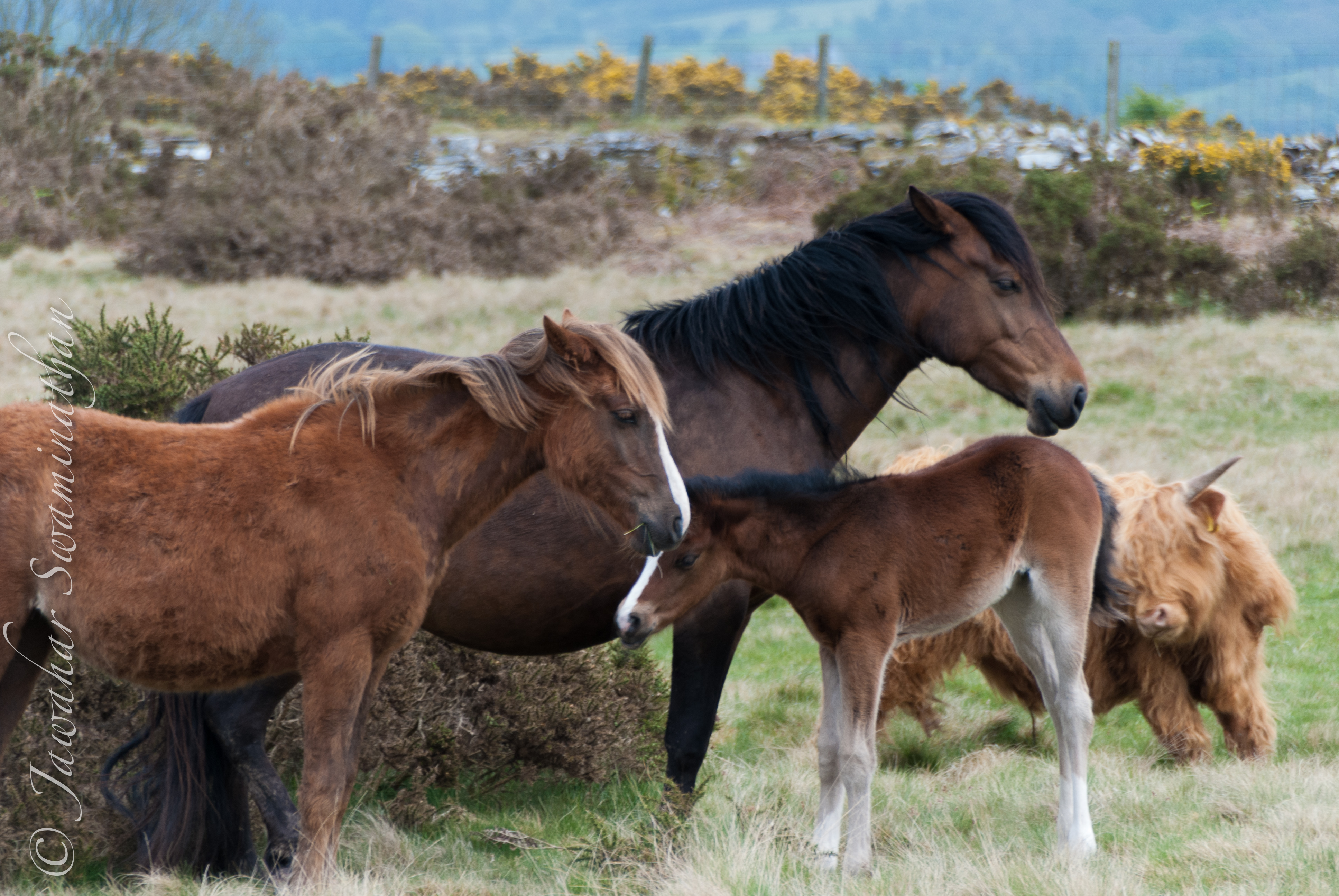
I really didn’t think I’d get this far, but this is my hundredth blog posting!! The pastoral scene below is from the Brecon Beacon National Parks. Horses and a highland cow!
I mustn’t forget to add that it was extremely windy on the day, which is probably why the horses have such expressions on their faces!
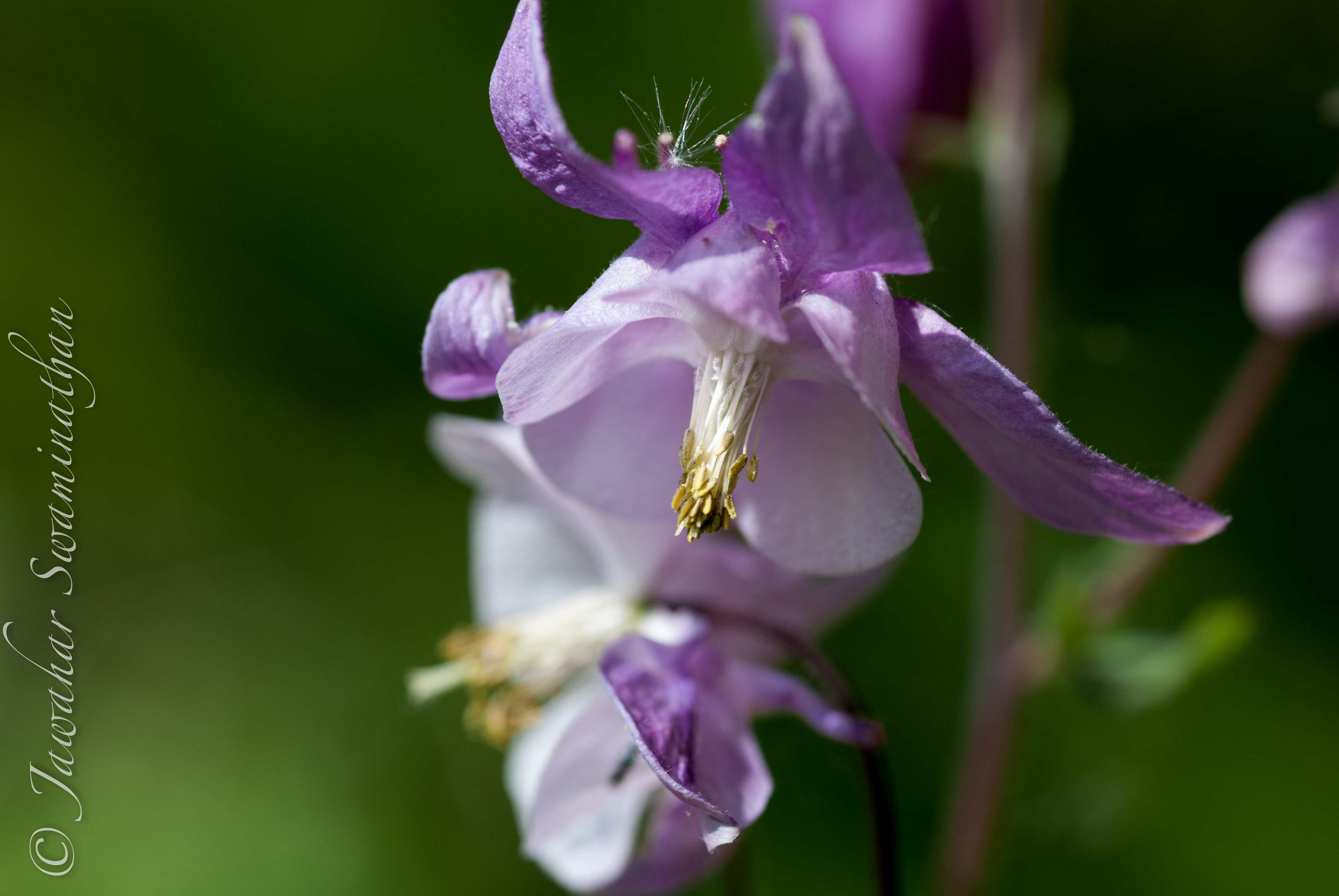
From earlier this summer (or whatever that passed for that term this year!). A few years ago I wouldn’t have known what Aquiligea was, but my knowledge of these plants has increased after the purchase of a few plants.
Apparently the name Aquilegia comes from the latin aquila, or eagles claw based on the shape of the petals.
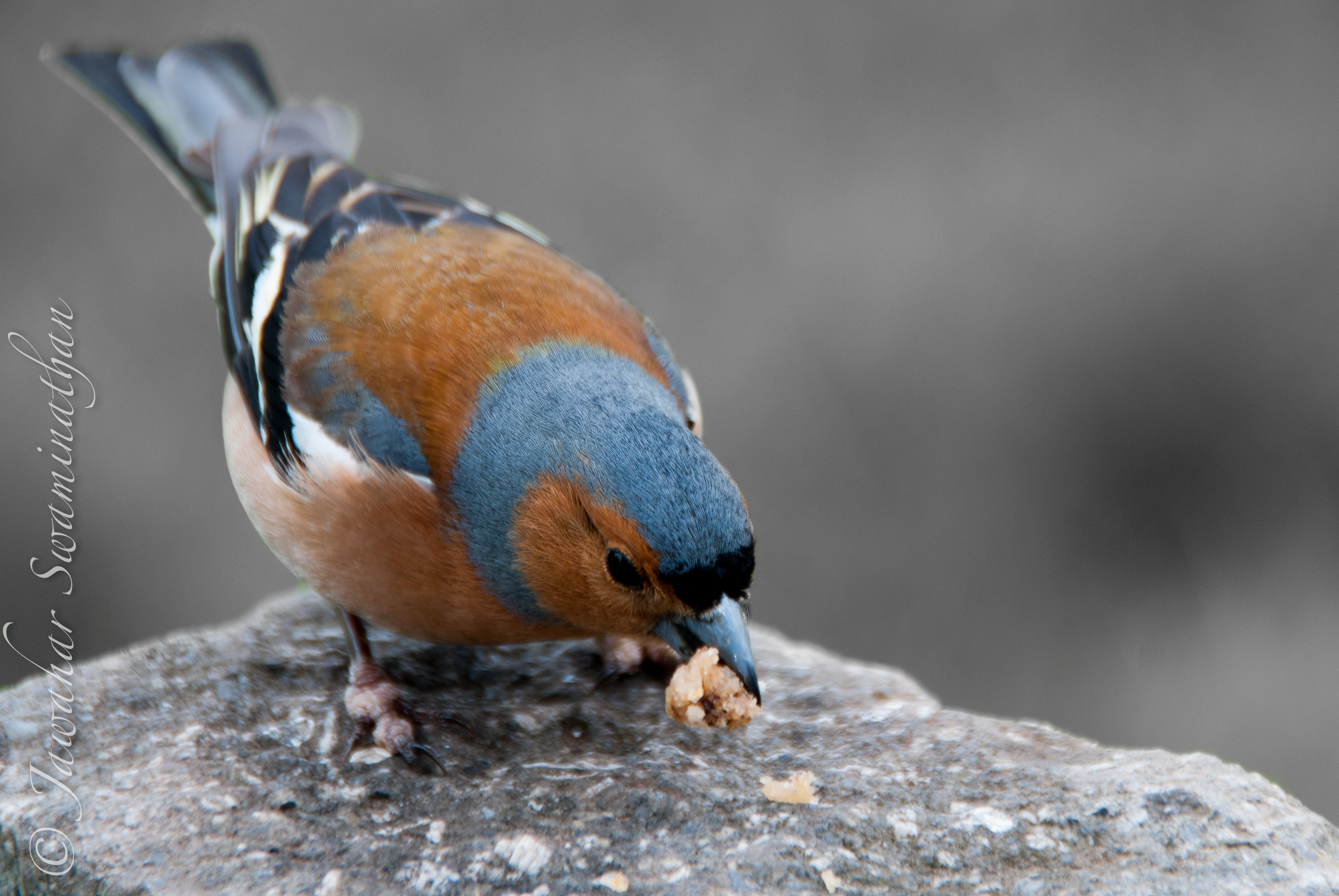
At the Brecon Beacons National Park in Wales, a male chaffinch showed great interest in carrot cake crumbs, appearing to within a foot of where we were sitting.
Chaffinches are common to the British Isles although reports suggest that their numbers are dwindling in suburban gardens and inner cities due to a loss of suitable nesting habitat.
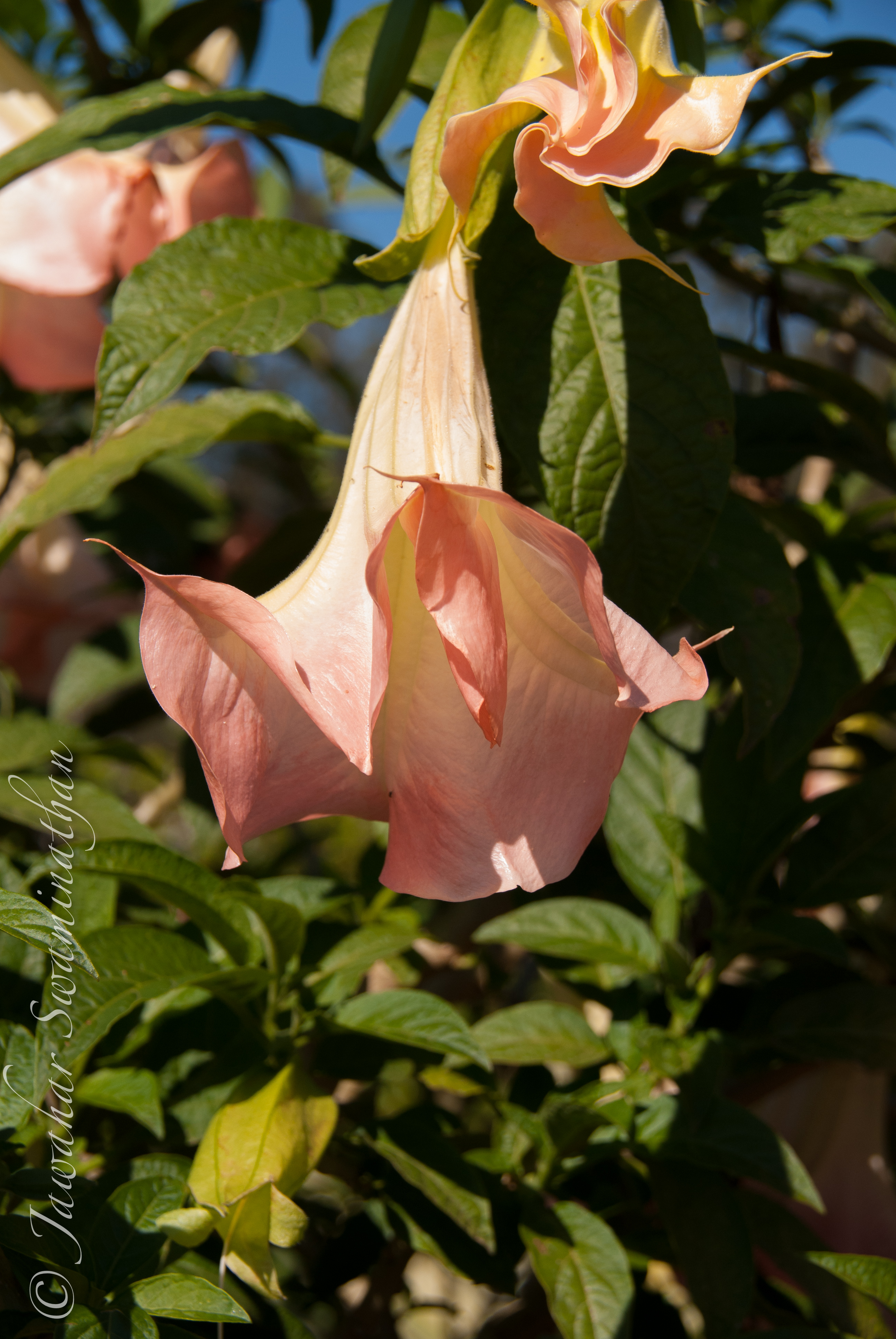
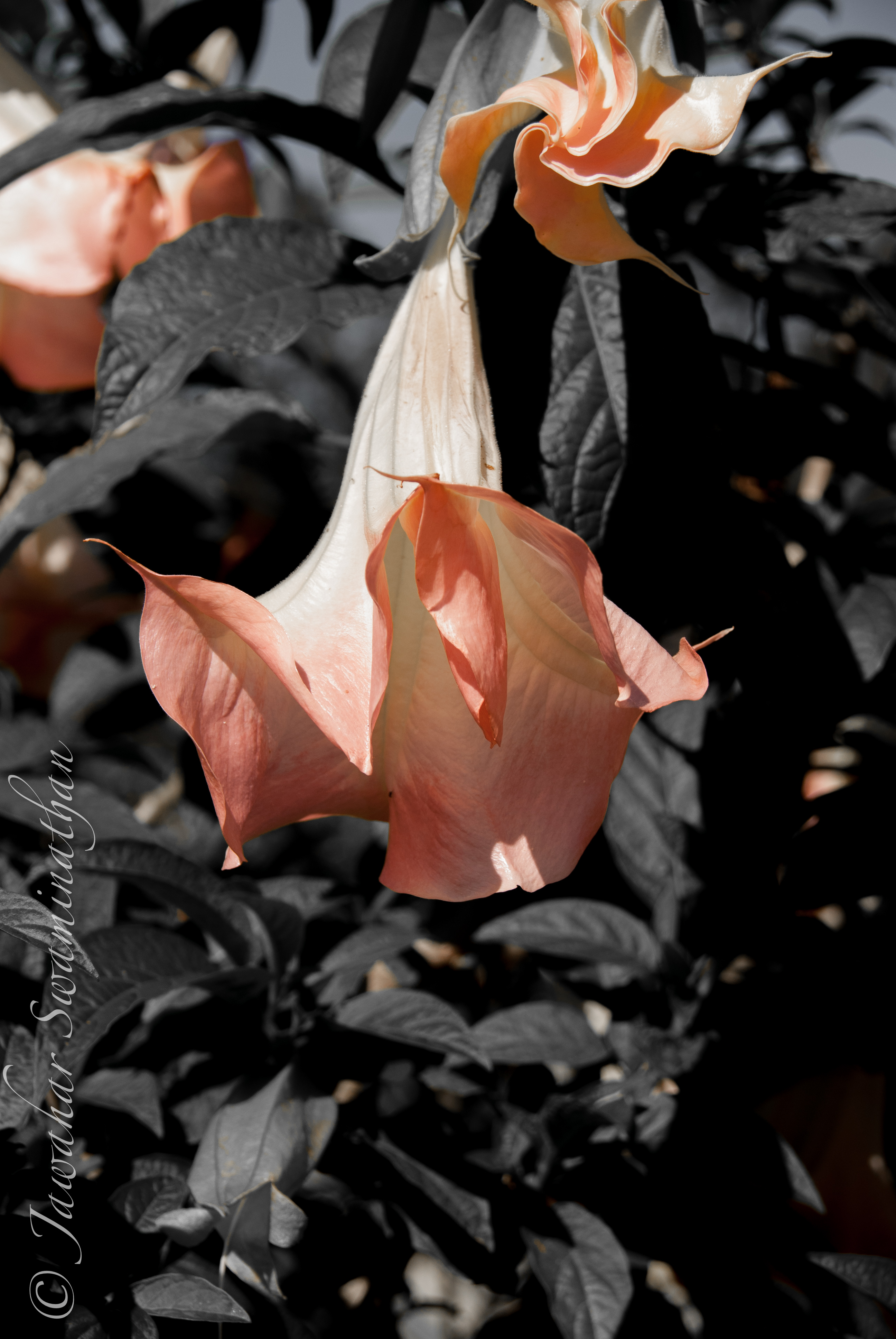
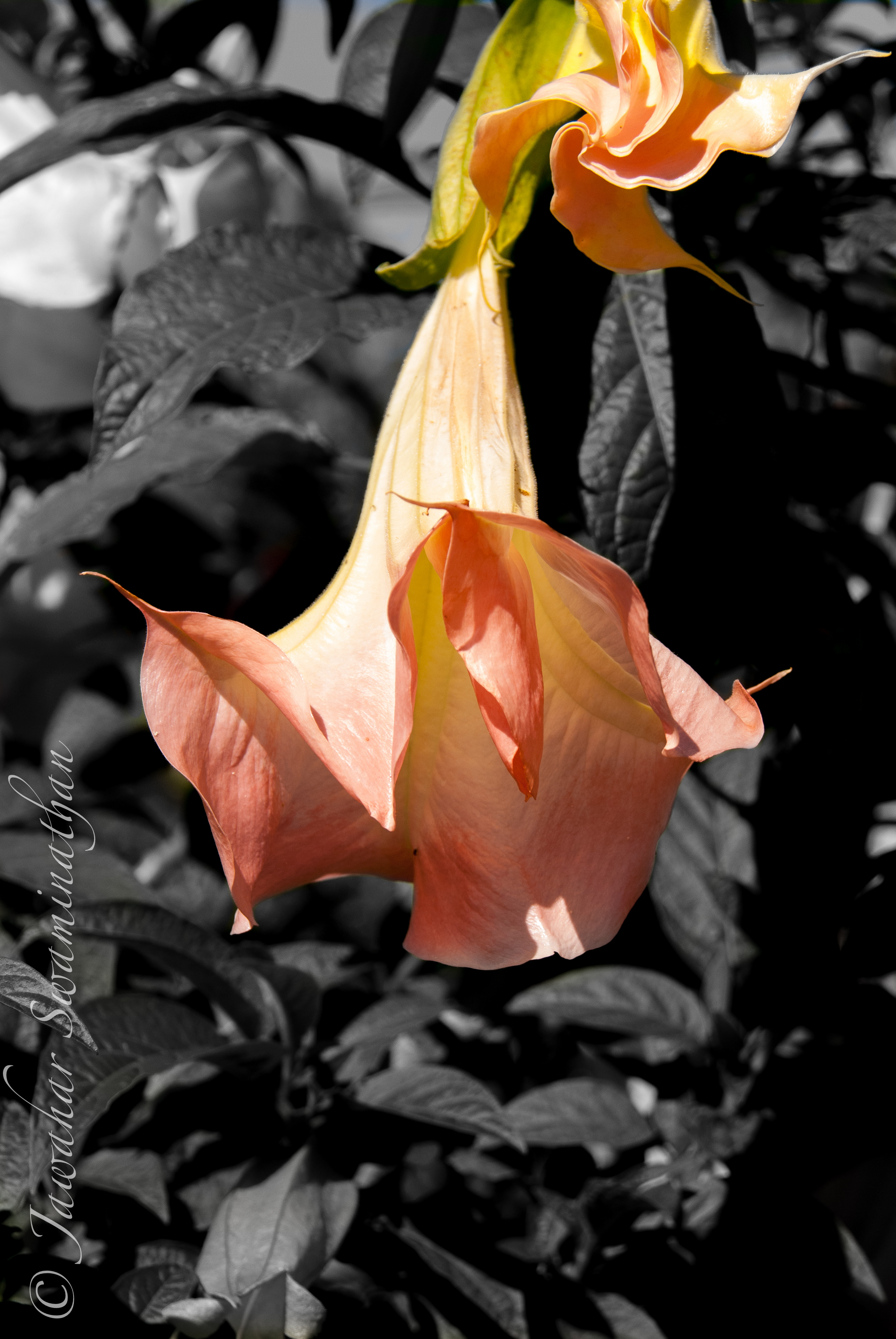
Do photographs look better when selectively colored? Selective coloring involves painfully desaturating a picture to leave only the portions that need highlighting. There are many ways to desaturate a photograph, and I use Adobe Lightroom adjustment brush to remove colour from portions of a picture. The pictures below show both the original picture and my selectively colored version. Which one do you prefer?
Original Image
One method of removing colors from a picture is by desaturating color groups. In the picture below, I removed all the greens, blues and yellow. This has the desired effect of making all the leaves and sky become monochrome while leaving just the flowers with color.
Removed greens, blues and yellow
The above makes the picture look a little artificial due to removal of the yellow-green components from the petals too, as well as with other flowers in the background showing through the foliage. I then attempted to use the adjustment brush to remove all color from the picture except for the two flowers in the foreground (as below).
Selectively colored
Personally I’m pleased with my selective desaturation as this brought out the vibrant colors of the flower, which were otherwise lost in the bright greens of the leaves and the blue of the sky.
Technical Details:Nikon D80 with Tamron 18-250mm f3.5/6.3 Lens
1/640 f/8.0 55mm
Location: Araku Valley, Visakhapatnam
Processed with Adobe Lightroom 4.1
Autumn was short in the United Kingdom this year, at least in Cambridge. The wet summer (that started with a drought water conservation order!) didn’t appear to leave enough time for trees to flourish and then adorn their autumnal colours before the freezing temperatures kicked in.
Maple leaves – green, orange and dried brown
Hopefully 2013 will be a better year for photography!
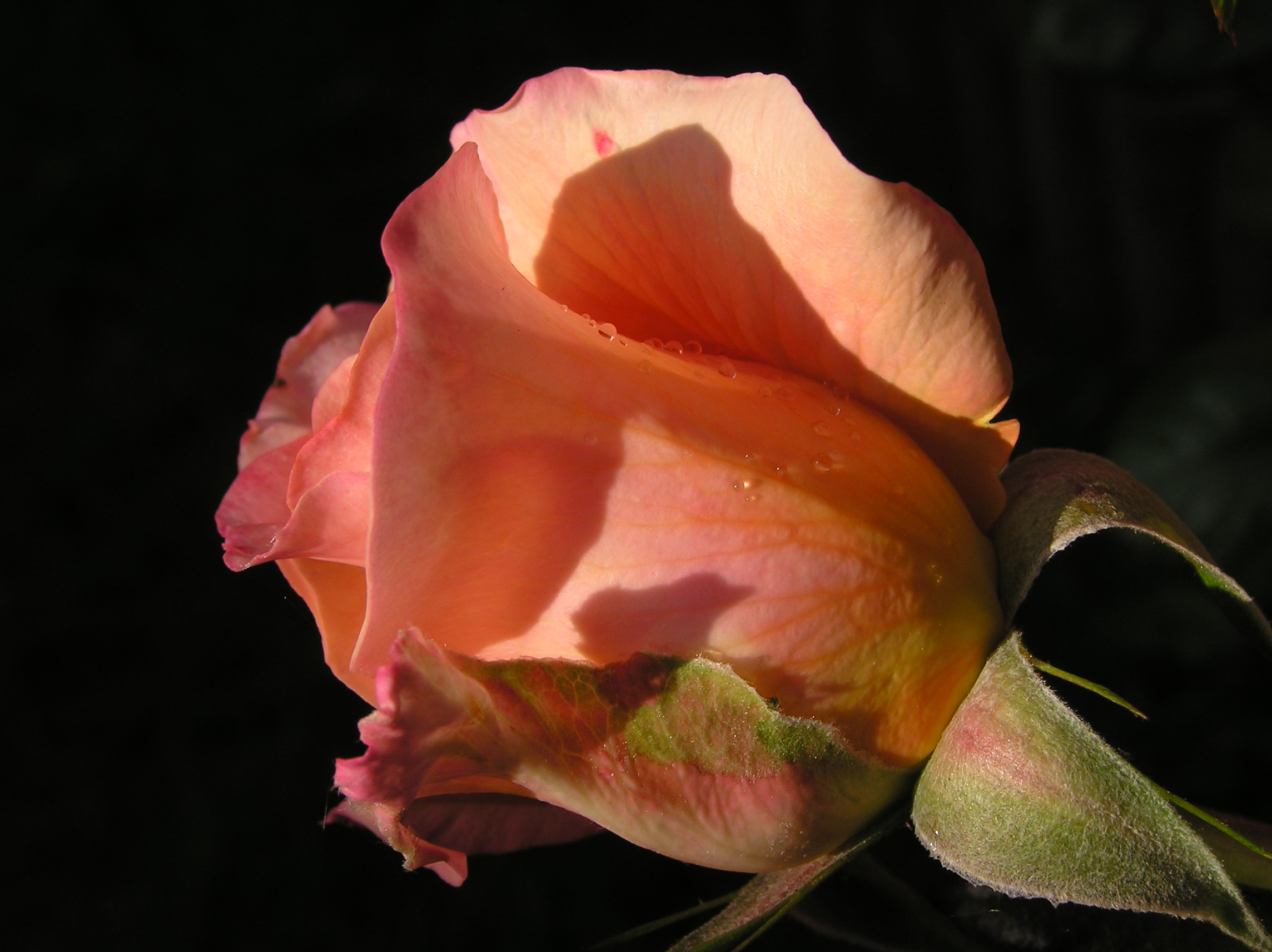
From many years ago that I found looking at my pictures on Flickr. And on dull and depressing days like these, nothing like bright roses to bring back the feeling of summer!
These pictures were shot using a Olympus C750UZ camera 7 years ago!!
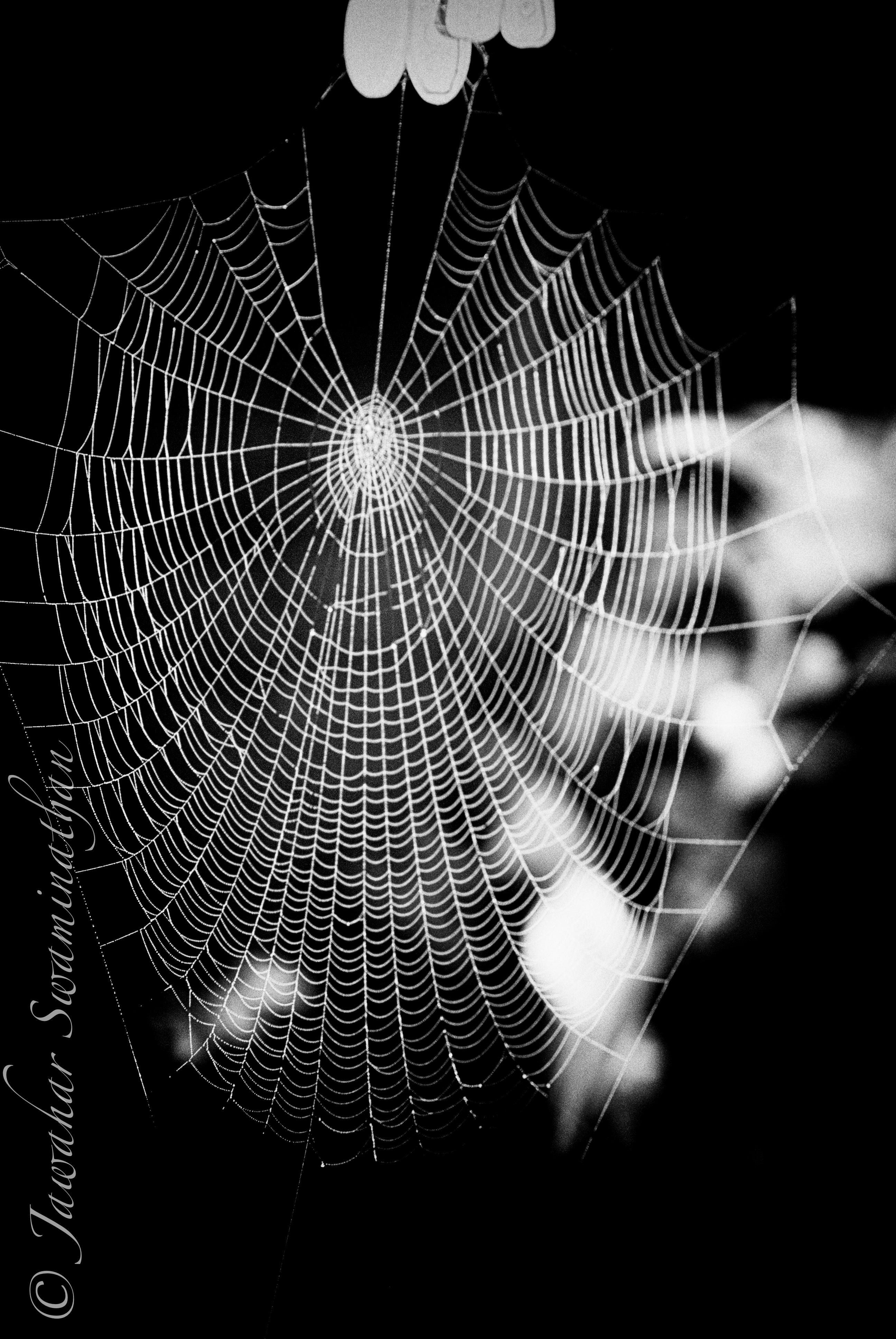
Autumn mornings offer a great chance to see myriad spider webs drenched in the early morning dew making a million natural necklaces of tiny pearly dew drops. I took these pictures on just one such day. The industrious spider had built this web on the clothesline overnight.
1/60 f/5.0 ISO200 with flash1/60 f/5.0 ISO200 with flash1/60 f/5.0 ISO200 with flash
I am constantly amazed at the persistence of the spider to continually attempt to make a web in the most unlikely of places, day after day. Maybe there is a lesson in it for us all…. Technical details
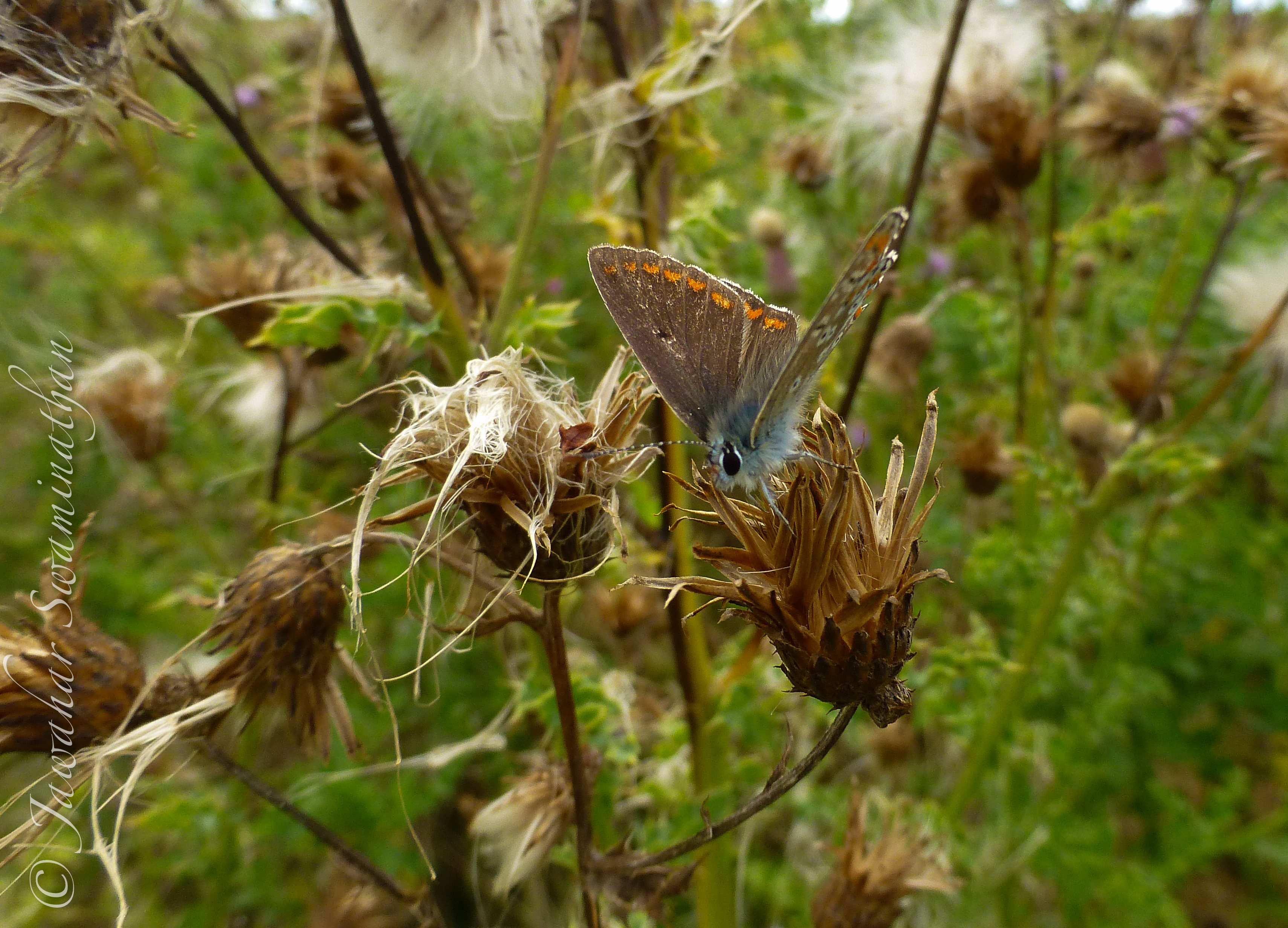
I seem to have forgotten to post this photograph of a British butterfly to go with the other two I have posted before. The picture is that of a common blue butterfly. The males are bluish in colour but the females have varying amounts of blue.
Common blue – female
Seems like a good way to remember the summer gone by and the dreary winters yet to come!
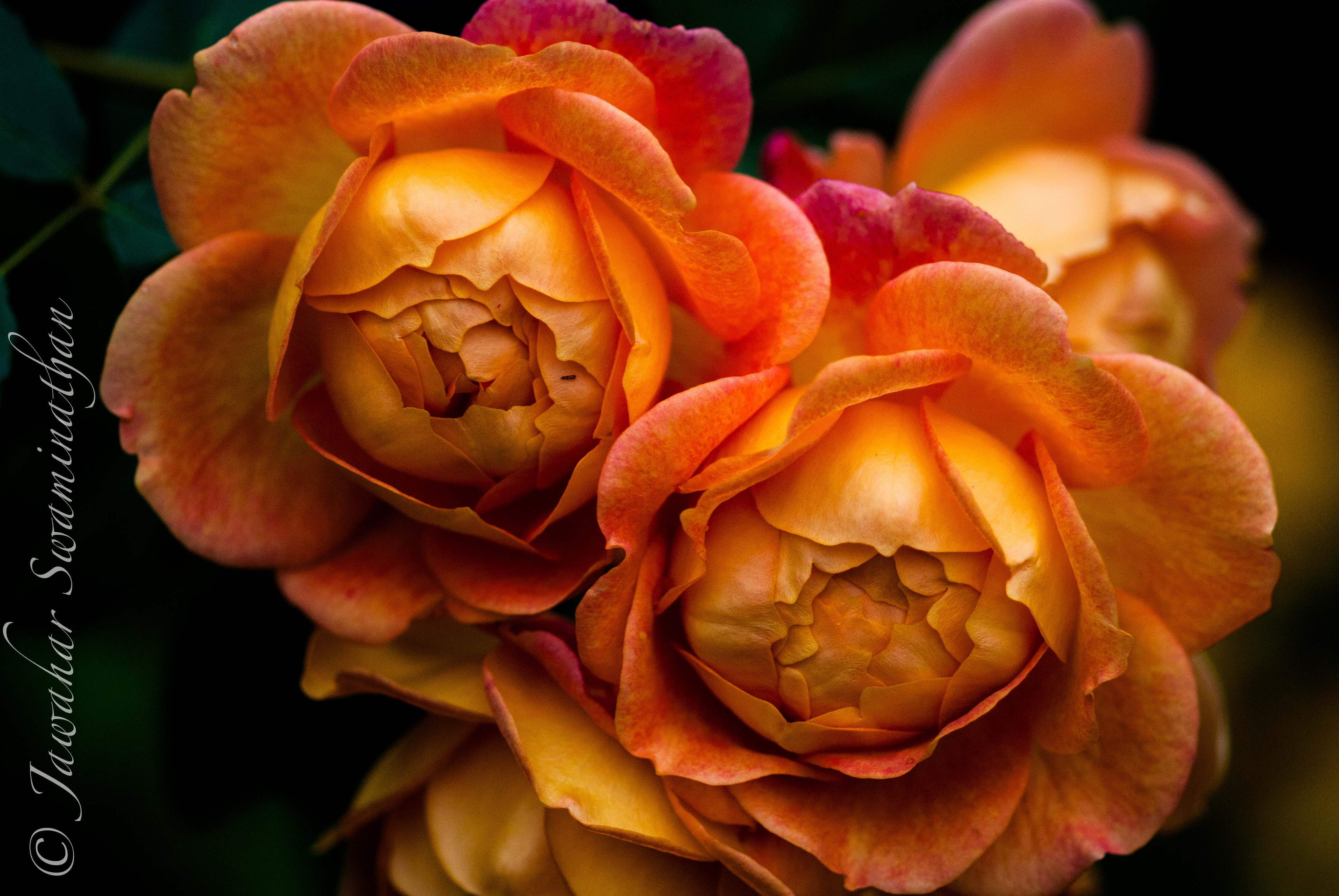
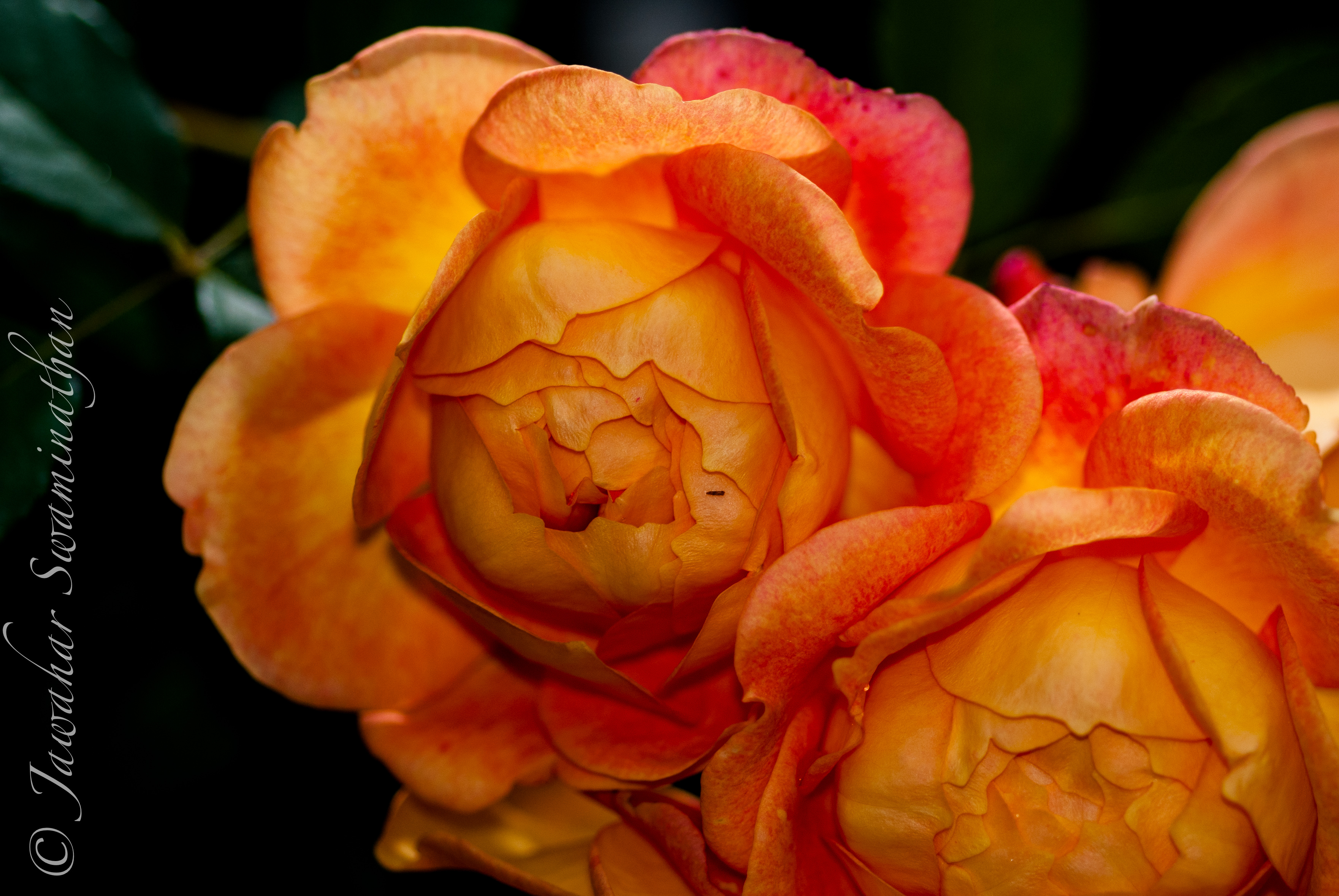
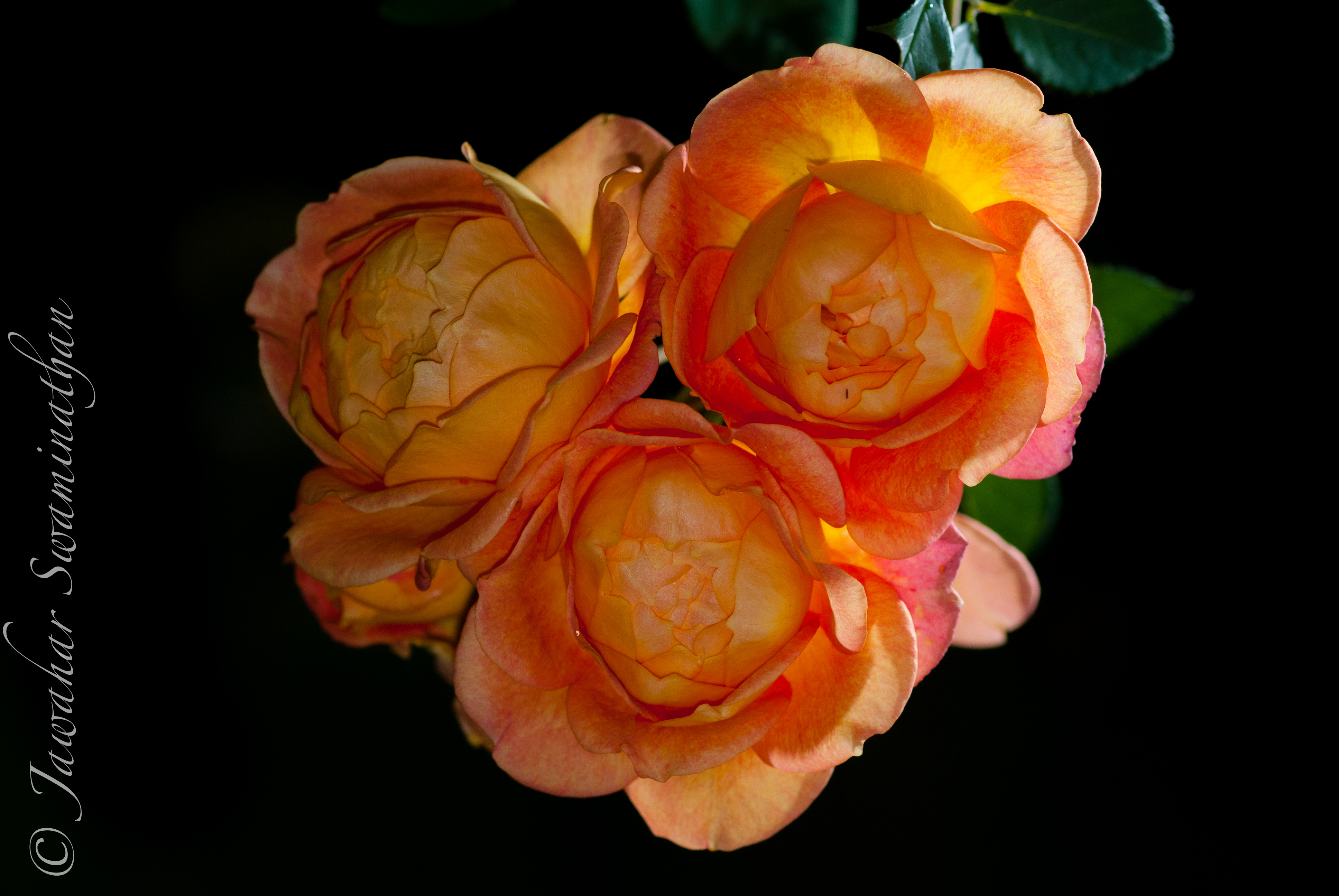
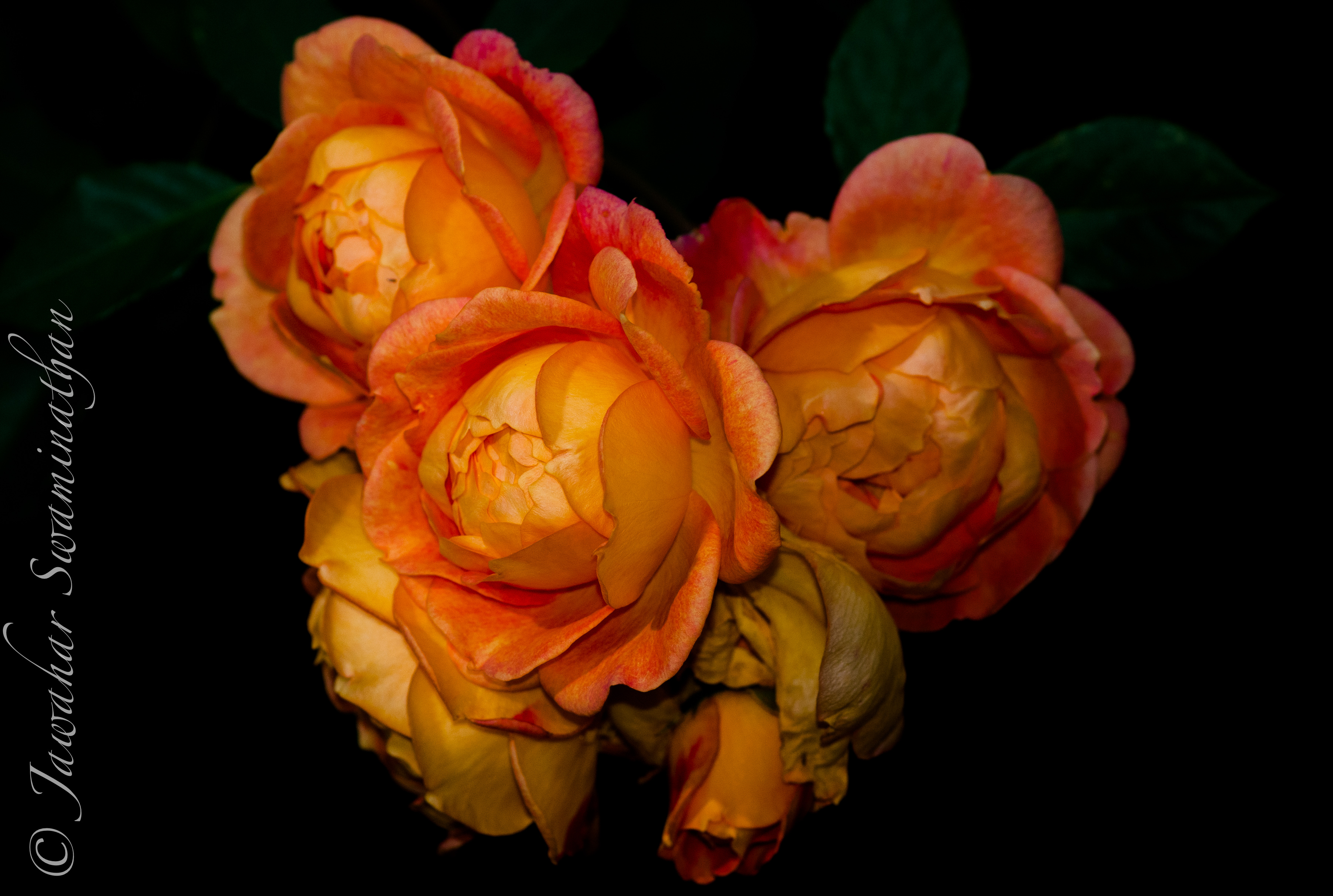
Last week I had this really nice bunch of gold-coloured roses and I wanted to try out my photography skills using a remote flash on commander mode. I placed the flash on the tripod and right angles to the photograph with some interesting results. One of two of these are with the flash on the camera, but can you tell the difference?
head-on flashexternal flash behind rosesexternal flash behind rose to the rightexternal flash at right angles to the camera. Light coming from the left.External flash right angles to camera from left. Longer exposure.external flash about 45 degrees to camera in a V arrangement
The main advantage I found to having an external remote flash was to be able to play with the colours and backgrounds. No post-processing carried out for any of these pictures. The roses too look different depending on the light source.
What do you think? Click on any image to see a full-size view.







 Juridicious