Spring finally arrived in Cambridge this week. The garden suddenly woke up from its long winter slumber and burst into colour. Daffodils, Crocuses and now tulips are in bloom.
Narcissus jonquil and Narciuss tazetta are two daffodil cultivars endowed with flowers that have a heady perfume. These members of the Amaryllislily family are probably hybrids of Japanese daffodils. Each flower in the pictures below is about 1.8cm in diameter, but their heady fragrance can be felt metres away.
Any picture can be clicked upon to see a larger version.
Technical Details:
Nikon D700 with Speedlight SB-600 external flash
Sigma 105mm f/2.8 lens
Post-Processed in Adobe LightRoom 4.3 and NIK Color Efex Pro 4
Snowdrops traditionally herald the beginning of the end of winter. Delicate white flowers peeking out from a modest plant that is often overlooked when the other plants wake up from their winter slumber.
This looks likely to be the most christmas-like Easter here in England this year. Snowfall this week and more expected over the Easter weekend make it hard to believe that spring is actually here. These daffodils from my garden are proof that, whilst we may not think of spring, the plants have certainly made up their minds.
External SB600 flash from left of picture. 1/250 f/3.3 ISO200External flash from underneath. 1/250, f/14, ISO200Closer still. External SB600 flash under-lit. 1/160, f/14, ISO200. Sharpened with NIK Software.
All these pictures taken outside at dusk. The black background in the photographs are a result of using an external flash combined with a high aperture setting. Final black corrections in Adobe LightRoom applied to create a fully dark background.
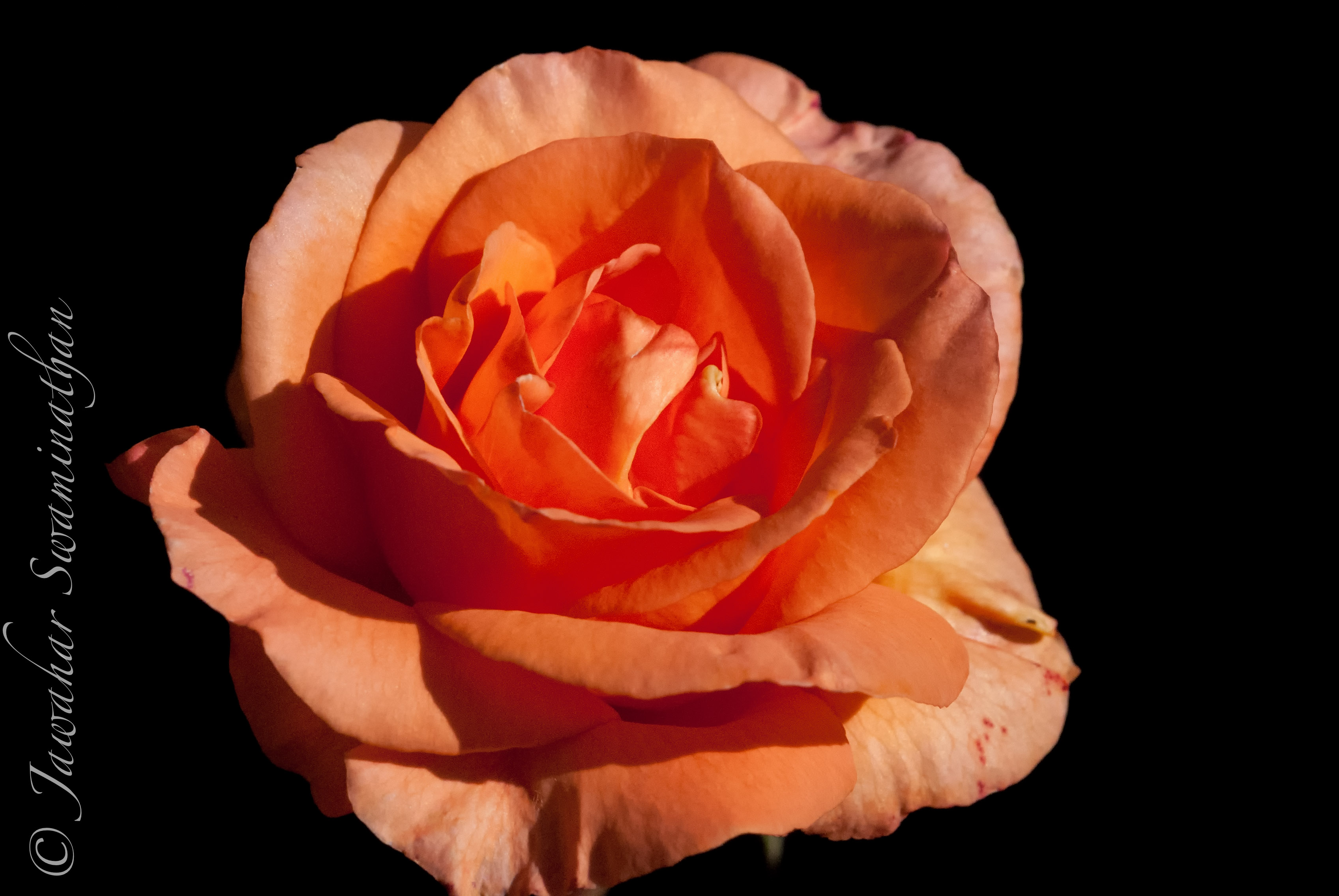
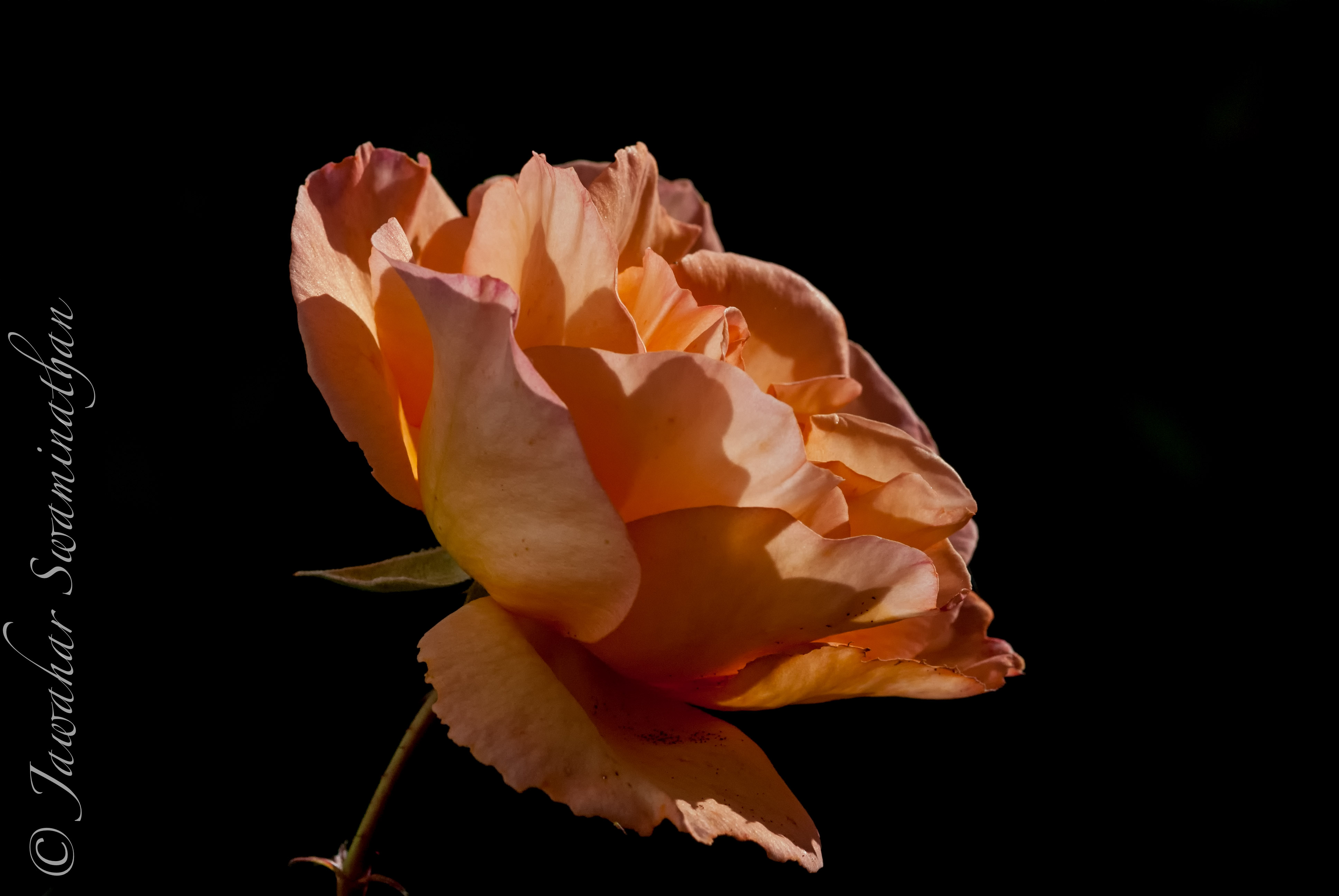
Nothing probably epitomizes an english summer more than roses. Roses in all shades, hues and fragrances dot the myriad gardens around Britain. Here are a couple from my garden from 2012.
A rose in full bloomA rose in the setting summer sun.
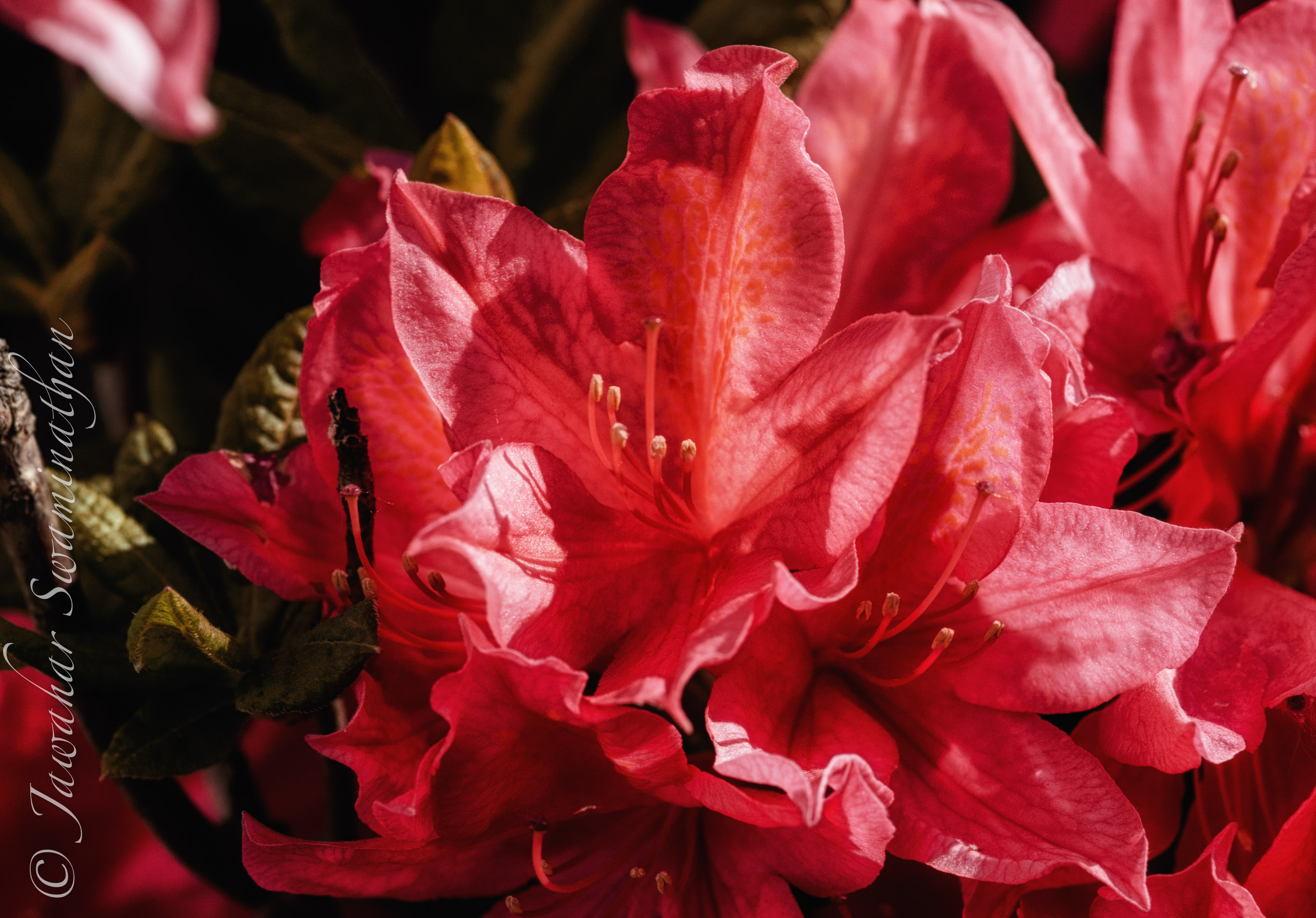
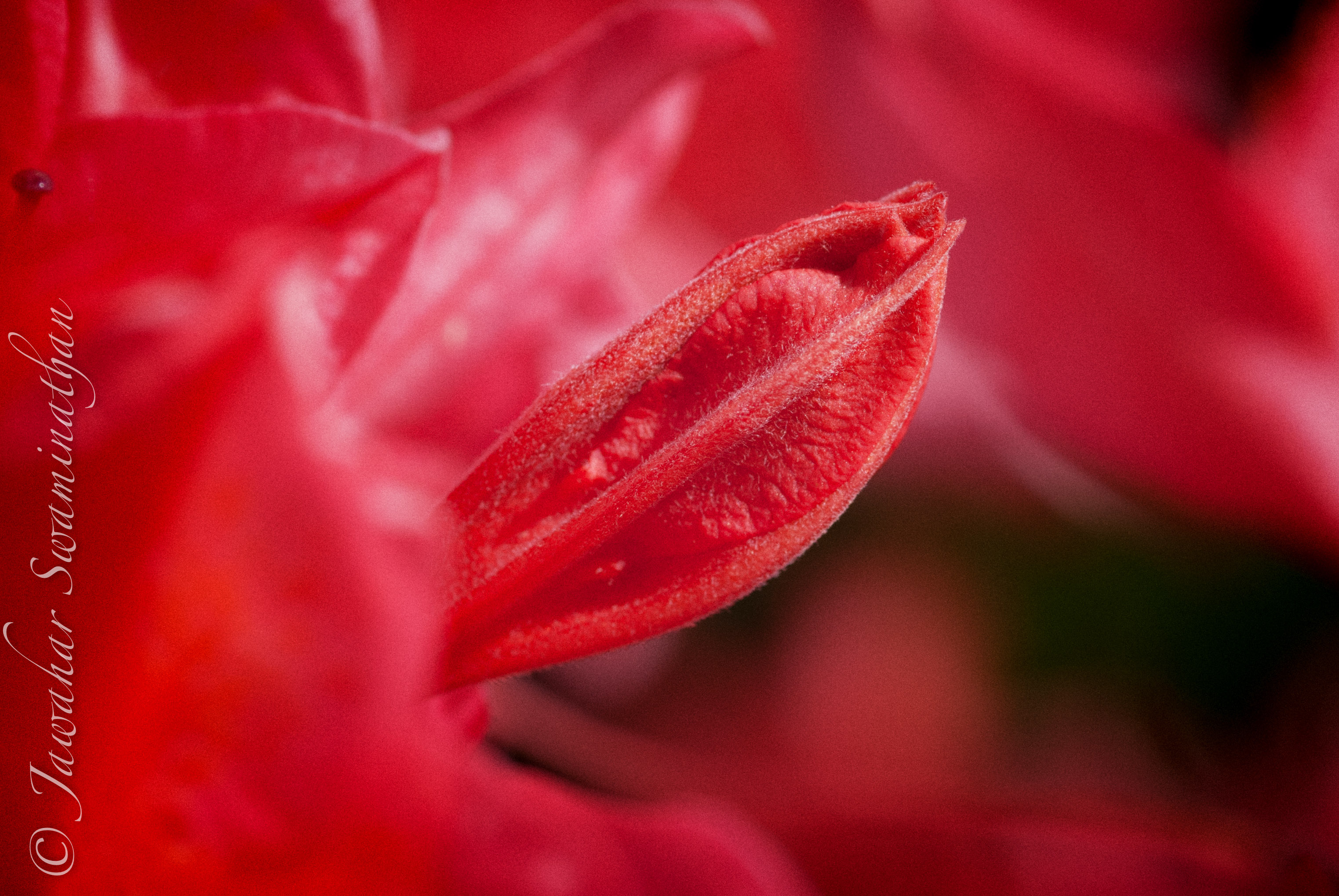
With winter refusing to go away (and threat of more snow in March!!), I thought I’d share some pictures of a warming Azalea from last summer.
Azalea blossomsPeeking from a sea of red – Azalea bud
Azaleas belong to the Rhododendron family of plants that thrive in soils that are non-alkaline, which in the UK means special compost etc. The plants flower from late spring to early summer and lend a splash of much-needed colour in gardens.
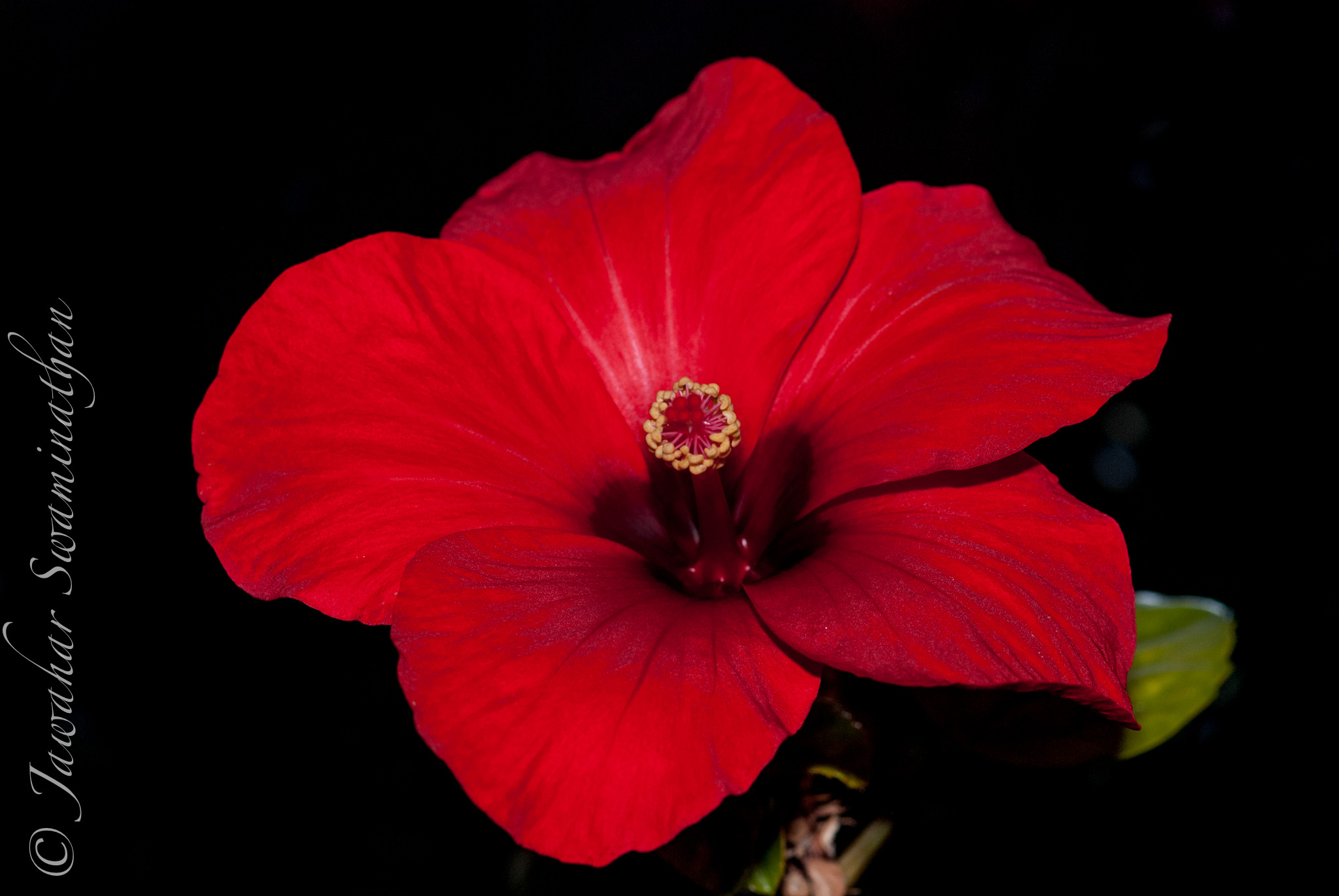
Hibiscus is a great flower to photograph. The contrast between the green sepals and bracts, showy red petals (this particular variety), deep red pistils surrounded by bright yellow stamens make a great study in contrast especially against a dark background. You may not enjoy the botany below, but I’m sure you’ll agree that nature truly offers a marvelous spectacle in the microscopic.
Click on any picture to see a larger version!!
A fully open hibiscus flower
We all learned in school botany (well some of us!) about the various parts that make up a flower. Generally, flowers have 3 components –
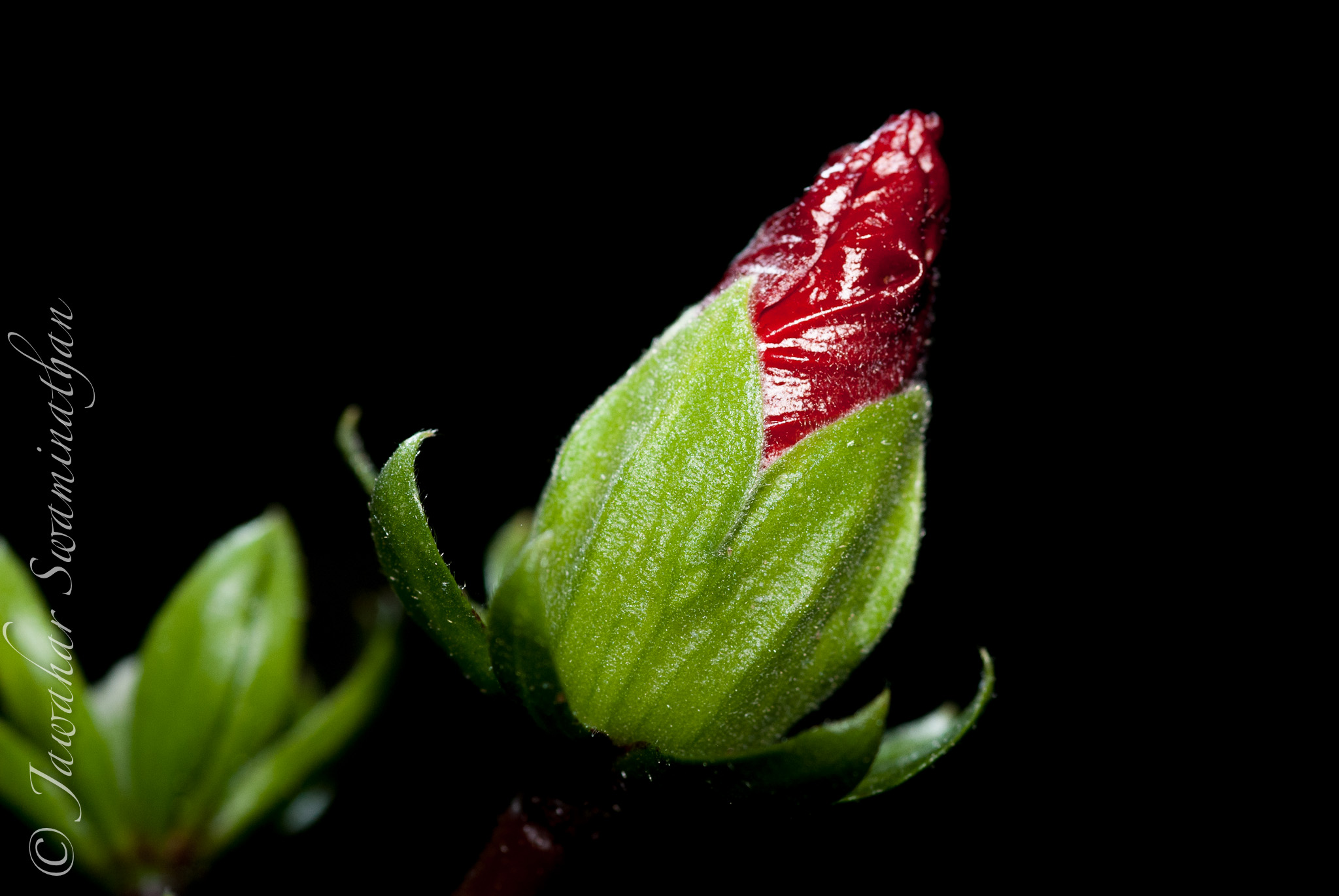
Calyx – made up of sepals that protect the bud in infancy and form the base of the flower
A hibiscus bud showing bracts and the calyx (which are both modified leaves!)
Corolla – made up of showy petals that encase the reproductive organs
A hibiscus petal
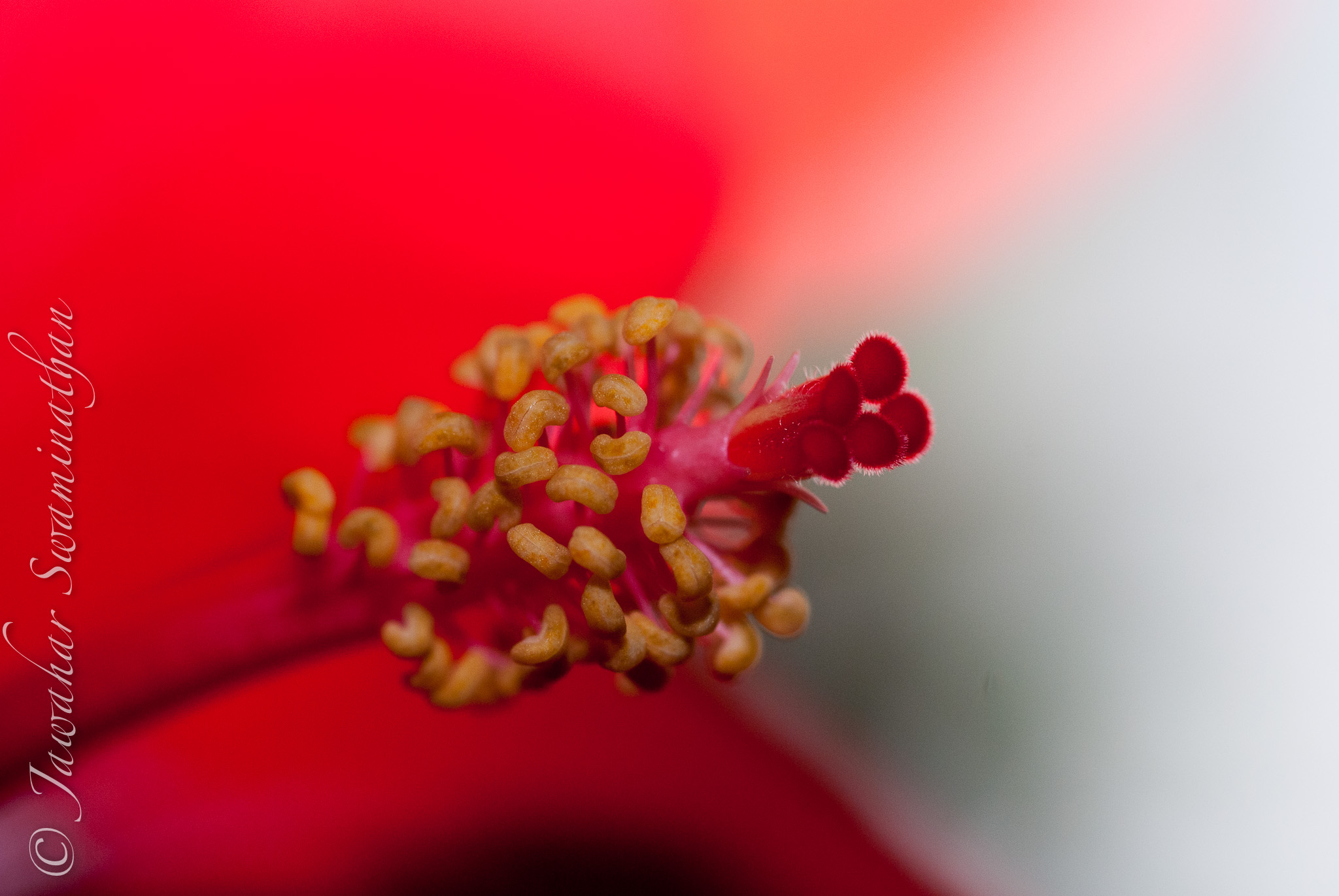
Reproductive parts (Corolla, Stamen) that are in turn
Detail of a hibiscus stamen (male) and pistil (female)Close-up of the reproductive organs of a Hibiscus flower. The yellow stamens and the red pistils.
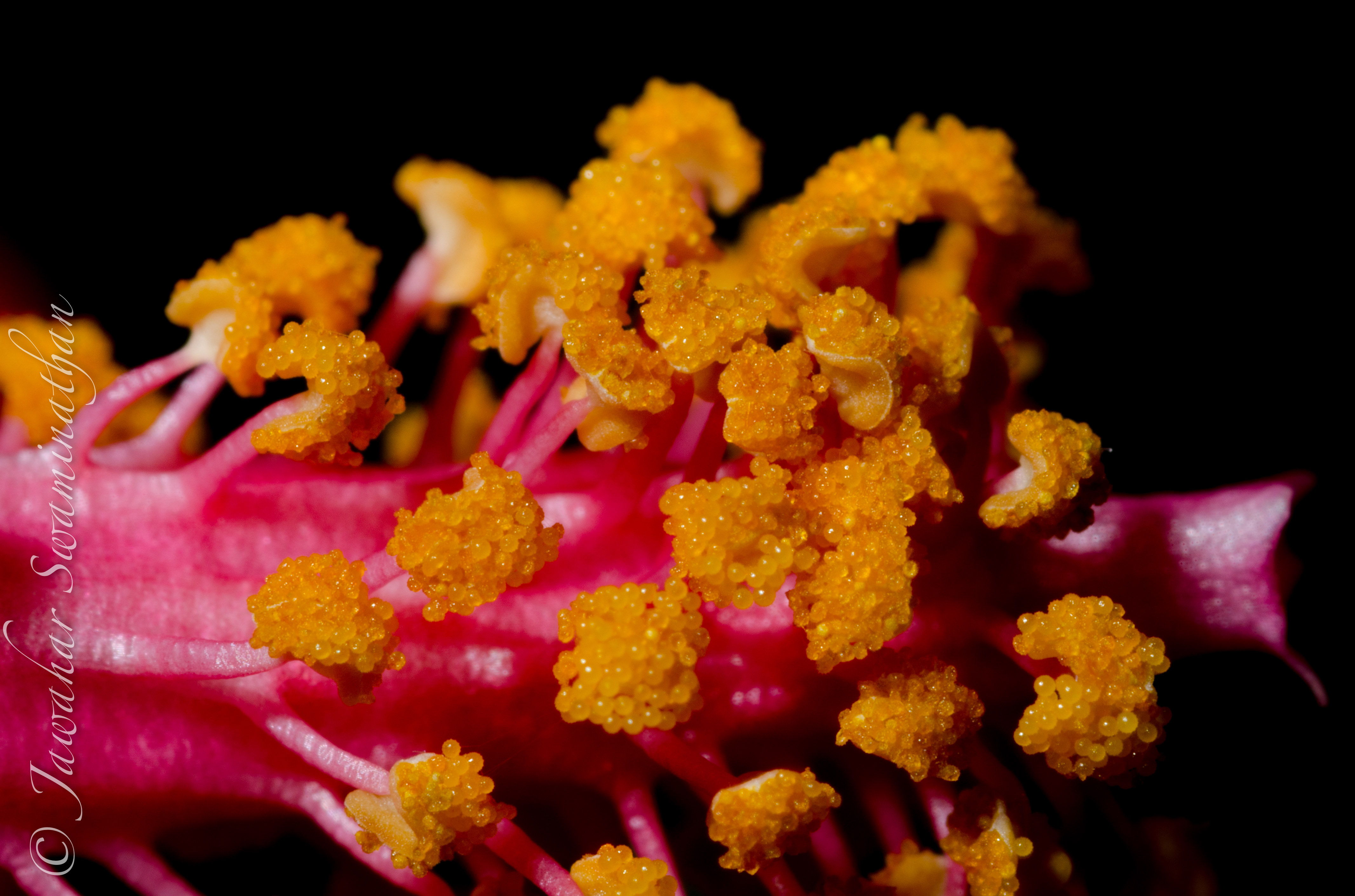
Stamen – that make up the male reproductive parts – in turn made up of the filament that holds up the pollen sac or anther. The anther releases pollen when open.
Detail of a Hibiscus flower stamen.Even closer. Glittering Hibiscus pollen on anthers held up by the filament – forming the stamen of the Hibiscus flower.
Pistil – The female reproductive parts of a flower. These are also made up of three components
Ovary – that finally forms the seed after fertilization
Style – a stalk above the ovary
Stigma – the farthest extend of the female part of the flower which receives the pollen for fertilization. This is usually sticky and allows pollen to attach.
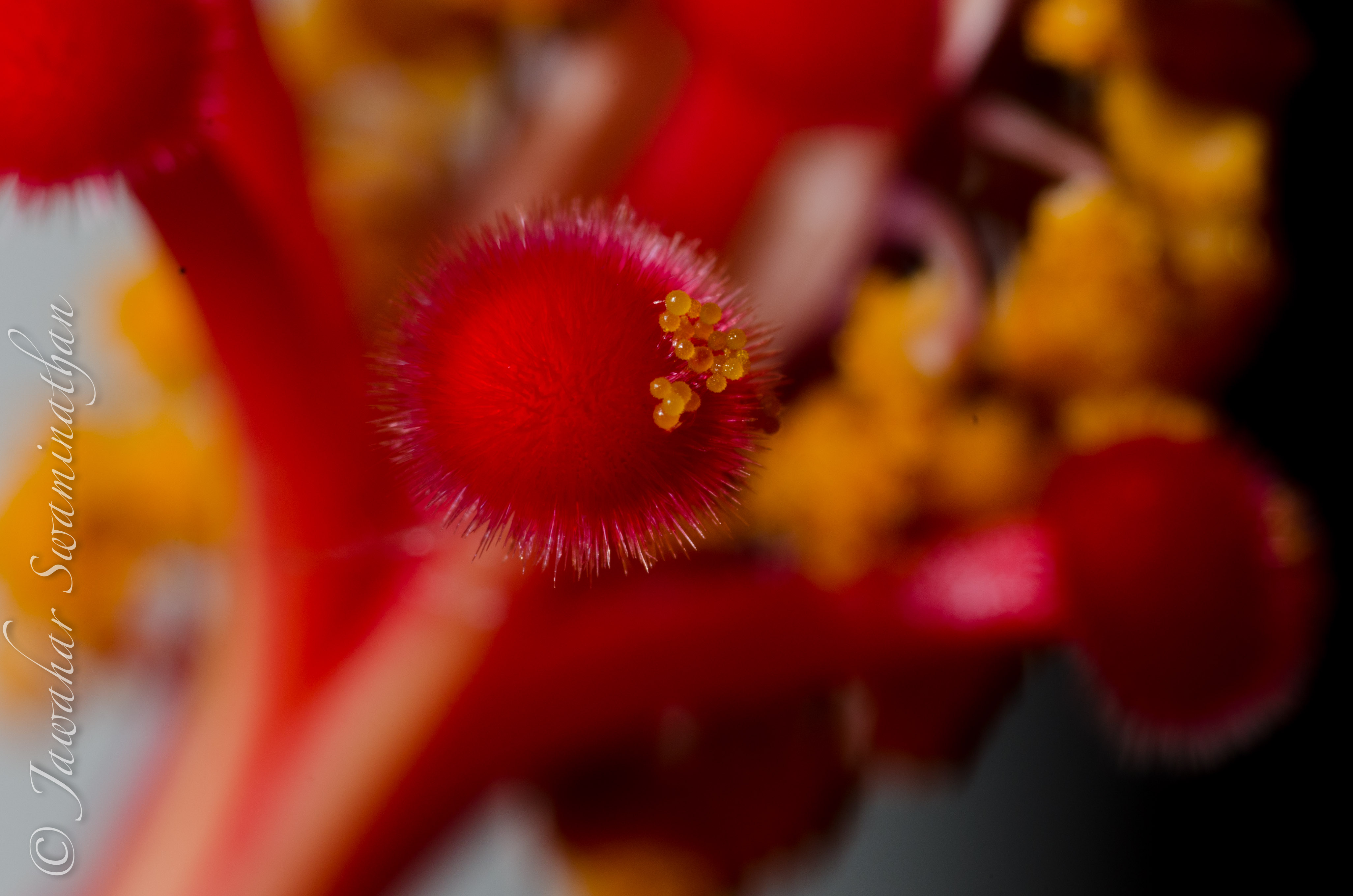
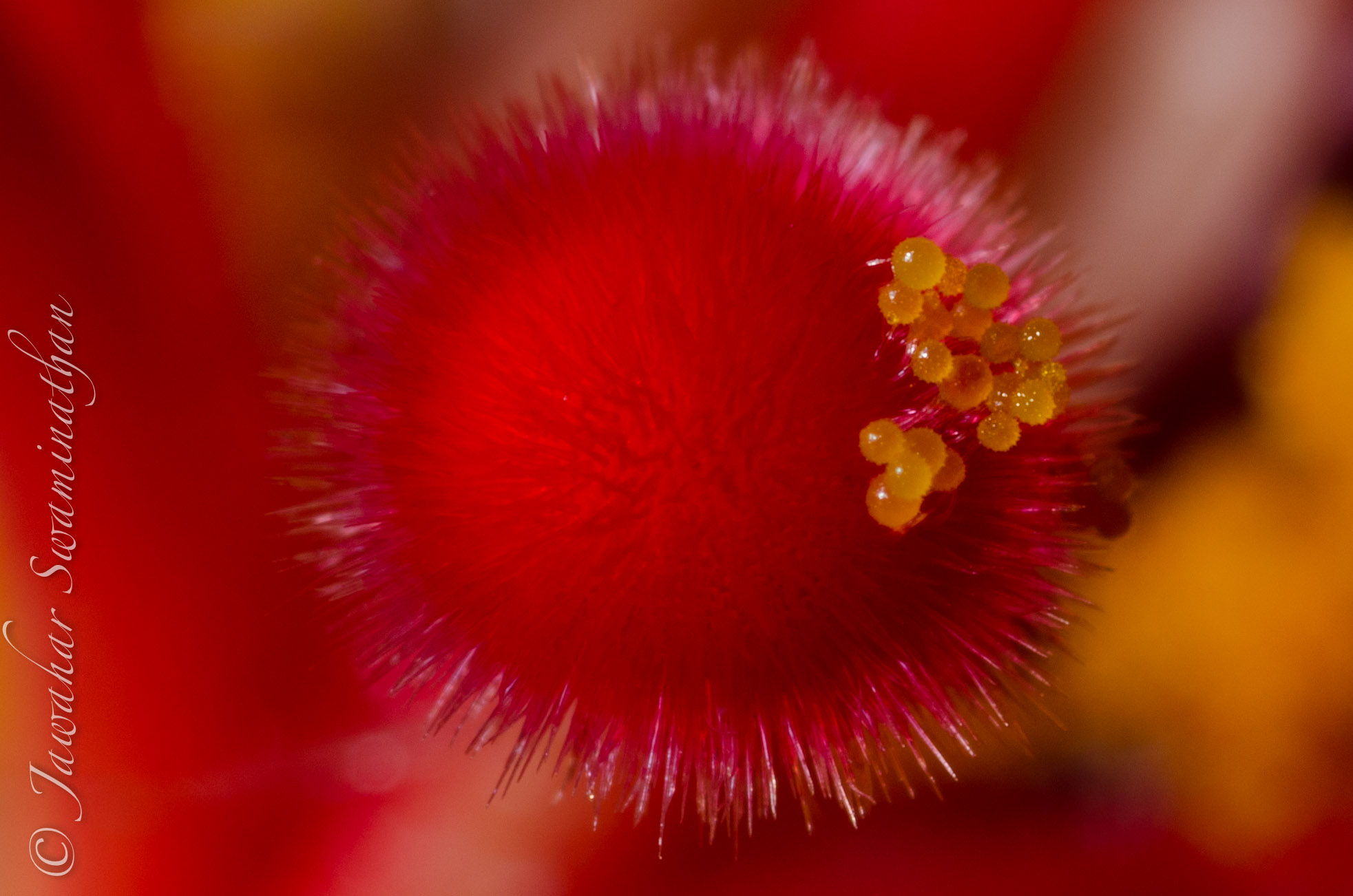
The stigma of a Hibiscus flower, with pollen on them.
The pollen in the above picture look spherical, don’t they? But in the picture below, which is a crop of the above, you can see that the pollen grains are spiky, thereby allowing them to stick to the stigma surface.
100% crop of a stigma showing the real structure of pollen.
Well, that’s my botany lesson! Thanks for stopping by….
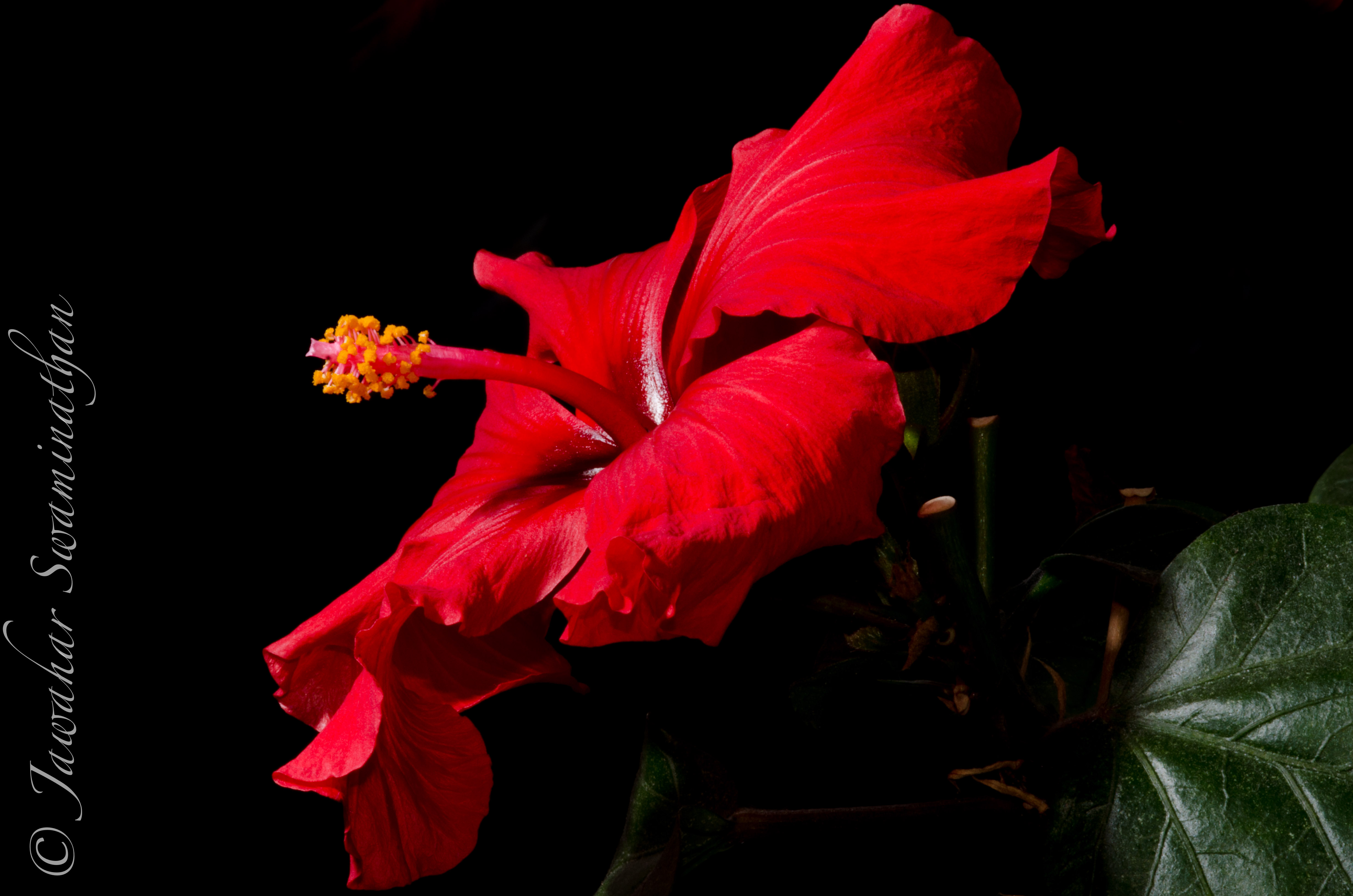
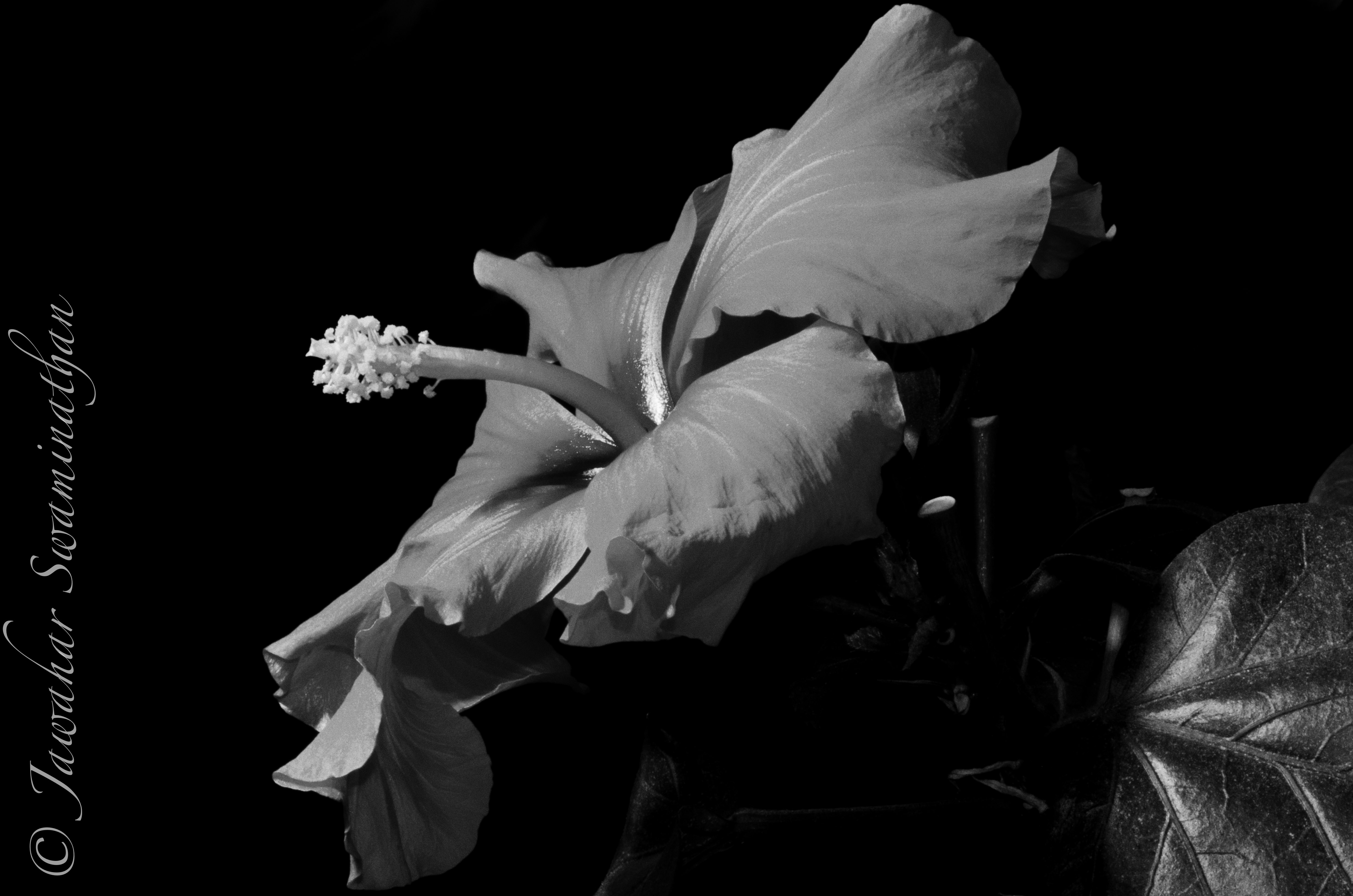
One of my pride and joy has been able to sustain an oriental hibiscus plant (indoors) through the vagaries of British weather, and in return I’m blessed with vibrant red hibiscus flowers 3-4 times in a month, sometimes more. Here is a study of a hibiscus flower in original (untouched or processed, exported from Lightroom), B&W rendition (processed in Silver Efex Pro), processed using Color Efex Pro filters to bring out detail.
Hibiscus rosa-sinensis. 1/100, F32 External SB-600 flash used at right angles to ensure black background.Processed in NIK Silver Efex Pro. Orange Filter.Processed using NIK Color Efex Pro. Detail Extractor and Tonal Range corrections.
I like the picture as it was from the camera (untouched). Why process a picture if it doesn’t really add anything more to the photograph?
Thanks for stopping by, and please do leave a comment on what you think?
Technical Details
Nikon D7000 (Manual Mode), ISO200
SB600 Speedlight External Flash in Slave mode at right angles to lens
Sigma 105mm/f2.8 macro lens
1/100 sec, F32 to ensure picture sharpness and black background
Post-Processed (where done) using NIK Software LightRoom plugins.






 Juridicious