The last few days in Cambridge have been unusually warm, so much so that I’m willing to stick my neck out and claim that spring is well and truly here to stay!!
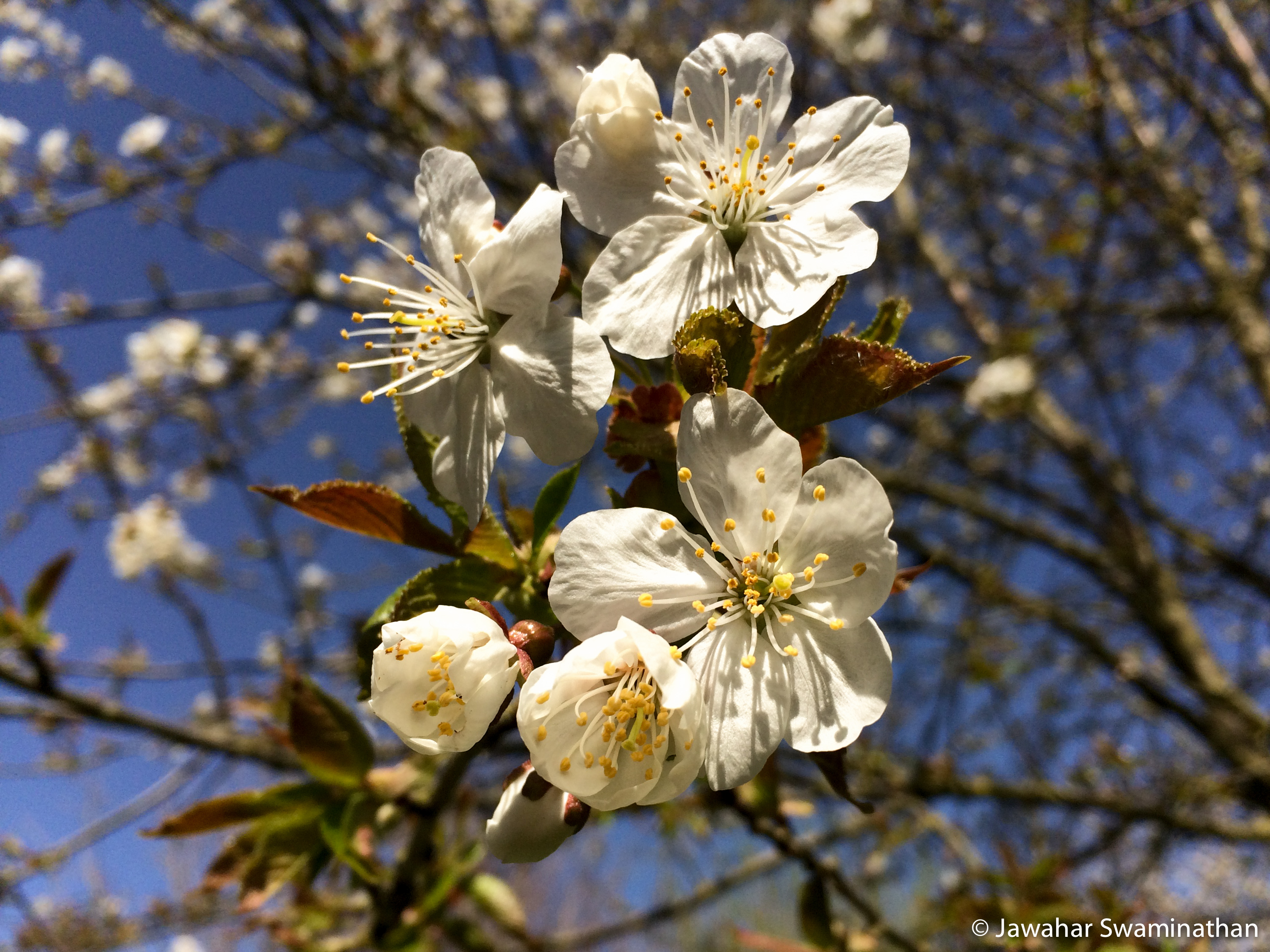
Photographed using an iPhone 5S.
The last few days in Cambridge have been unusually warm, so much so that I’m willing to stick my neck out and claim that spring is well and truly here to stay!!
Photographed using an iPhone 5S.
Happy New Year all! I’ve spent almost 2 months without taking a single photograph but have resolved to change this in 2015! First up, an unusual bloom for this of the year in England. These flowers are those of the Kalanchoe genus, succulent tropical species from the old world which decided to bloom in January here in Cambridge (I suppose that being on a window sill in the bathroom helped!).
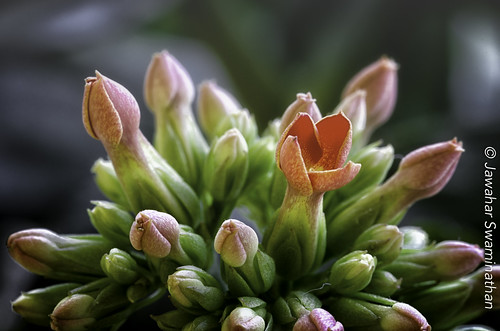
Photographed using a Nikon D7000 Camera with a Sigma 105mm f/2.8 lens. ISO 200, f/22, 21 second exposure using a remote shutter release cable. Post-processed in Adobe Lightroom 5.7.
I have been tardy lately and not been near a camera. I suppose the weather here in Britain isn’t particularly conducive for outdoor activity! Going through my collection of pictures I found this one which to me provided the much needed warmth in these cold, dark and grey days.
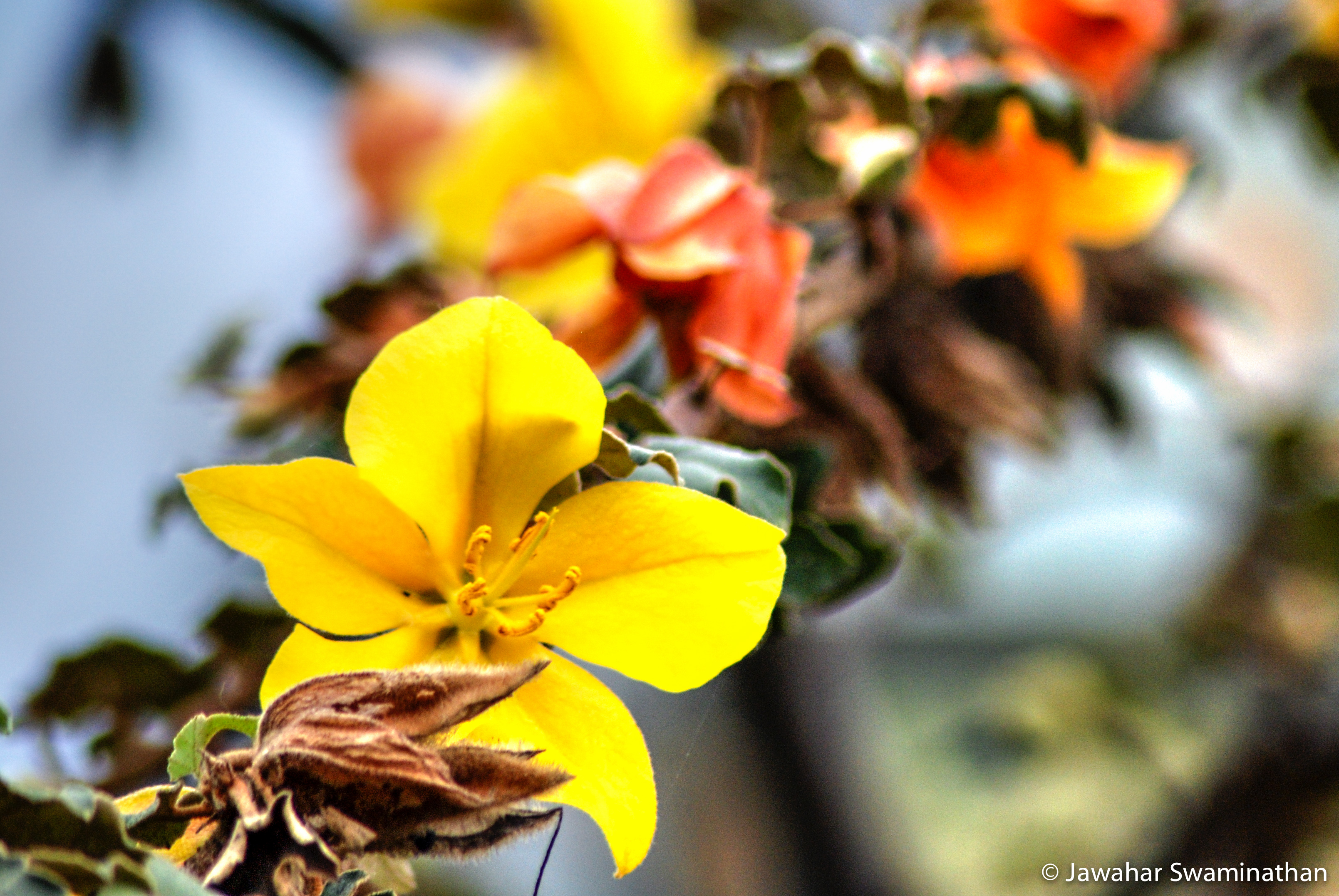
Originally shot at the Eden Project and more recently processed in Adobe Lightroom.
There is this rose bush in my garden which struggles to survive every year regardless of what I try to do make it feel happy. But year on year it produces one or two of these really vibrant flowers in autumn! Just one of two roses sadly before the winter frosts kick in.
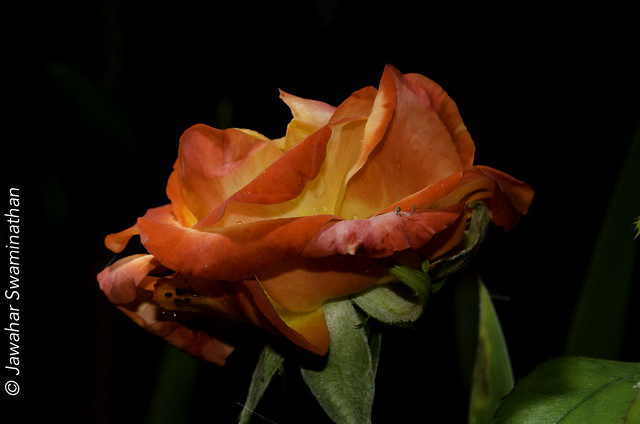
Technical Details:
Nikon D7000 with a 105mm f/2.8 Sigma macro lens
f/18, 1/250 second, ISO200
Remote slave flash SB800
This year I grew cosmos plants for the first time (from seed that too).. and they’ve now grown to a height of about 2 metres!! Lovely pink flowers held up on thin stalks. The height of these flowers means that they’ve opened themselves up to being photographed from underneath against the backdrop of the blue sky (as below).
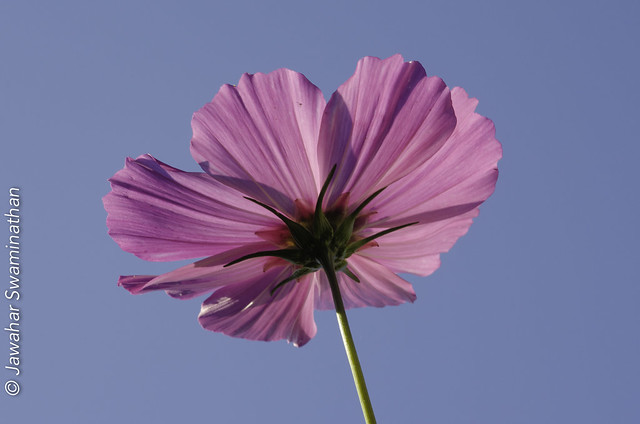
Technical Details:
Nikon D7000 with 105mm f/2.8 Sigma macro lens
ISO200, 1/100sec, f/13 manual mode
PP in Adobe Lightroom 5.5
Capturing this photograph gave me no end of satisfaction. It was a very small flower (< 5mm diameter) to work with and it was a windy day and getting focus and framing right using increased magnification from extension tube attachments on the lens was a challenge. Finally getting the black background using a remote flash was also difficult. In the end, the results showed a beautiful, almost hand painted flower with flecks of yellow, magenta and crimson on the petals. There is truly beauty in small things!!
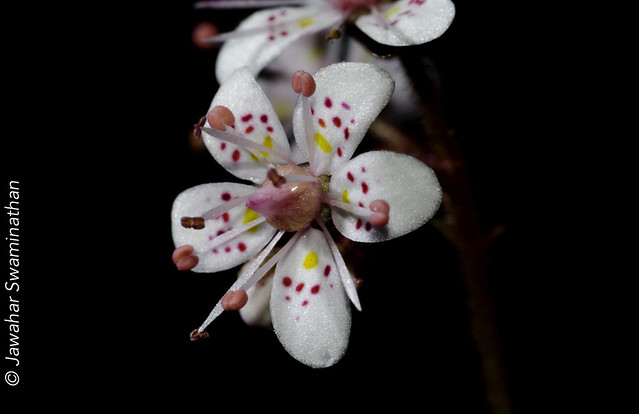
Nikon D7000 with a 105mm Sigma macro lens with extension tubes.
ISO200, f/18, 1/250 with remote slave flash
No post-processing!
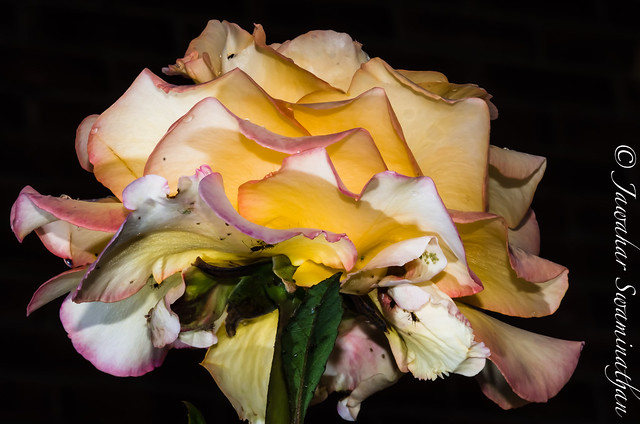
One thing they teach in school biology is the concept of food chains and food webs – the links that show interdependence of organisms based on the foods they eat. The photo below shows one such food chain starting with the rose (the producer) providing nourishment in the form of sap for aphids. In turn aphids are milked by ants for honeydew, a secretion that aphids produce. Ants are also known to “farm” aphids storing their eggs over winter and then carrying newly hatched aphids to emerging plant shoots in spring (called a mutualistic relationship).
This year has been very good for the aquilegia plants growing in my garden. This must have something to do with the mild wet winter we’ve just had here in Cambridge. Below is a photograph of a single aquilegia flower. These hardy, and highly toxic perennials also go by the names Columbine ( which comes from the Latin for “dove”, due to their resemblance to five doves clustered together – Wikipedia).
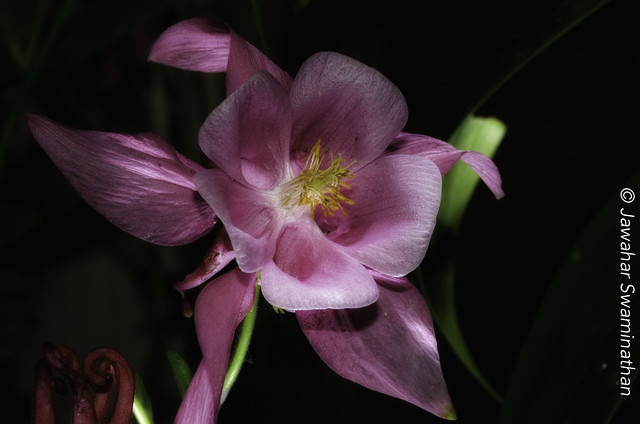
Technical
Nikon D7000 with 105mm f/2.8 Sigma macro lens
f/22, 1/60 with remote slave flash fired from underneath
Processed in Adobe Photoshop Lightroom and NIK Color Efex Pro.
In a German legend, when god had finished naming all plants, a small unnamed plant cried out “Forget-me-not, my lord”. Then god said “That shall be your name”. Another legend claims that after the Creator thought he had finished giving the flowers their colours, he heard one whisper “Forget me not!” There was nothing left but a very small amount of blue, but the forget-me-not was delighted to wear such a light blue shade.
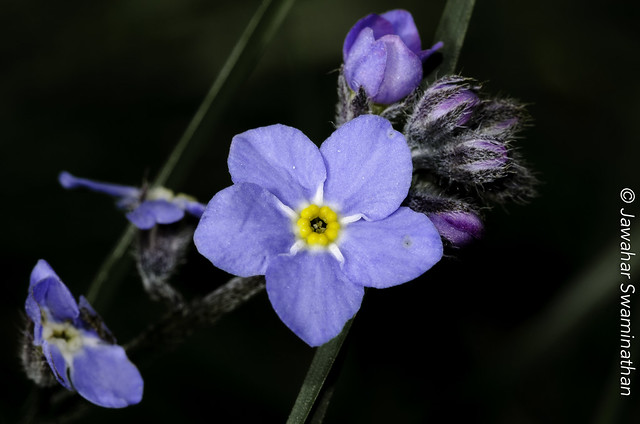
The tiny, cheerful blue flowers of Myosotis have played an important part in European folklore and history – from being used as a symbol by Henry Bolingbroke (later Henry IV) after being exiled by Richard II to its adoption by the Freemasons during the Nazi regime across Europe. The flowers of forget-me-not are no more than 1cm in diameter and grow in long thin stalks bearing many flowers. They are popular in gardens and grow on the side of river banks and streams throughout Europe.
Technical Details
Technical
 Juridicious