Cambridge on the Cam

I have now lived in Cambridge for over 10 years. As it so happens this is also the longest period of stay by me in any one place in all my 40+ years. And yet I don’t have many pictures of the city (something I will need to change in 2013!).

Cambridge: the famous university town with more famous ivy-clad venerable colleges, historical institutions and personalities. There is a lovely river, the Cam that runs its placid route between the colleges (the backs), under myriad bridges and plays host to punts filled with wide-eyed tourists as they hear tales of history, science and culture that stemmed from these colleges.

Trinity Lane - bounded by Gonville and Caius College on the left, and Trinity College on the right. Unchanged in centuries.
Trinity Lane – bounded by Gonville and Caius College on the left, and Trinity College on the right. Unchanged in centuries.

As rivers go, the Cam is a mere 40 miles from its humble beginnings in the tributaries Rhee and Granta. But in Cambridge, the river takes on a life of its own with punting, rowing and canoeing activities throughout the year.
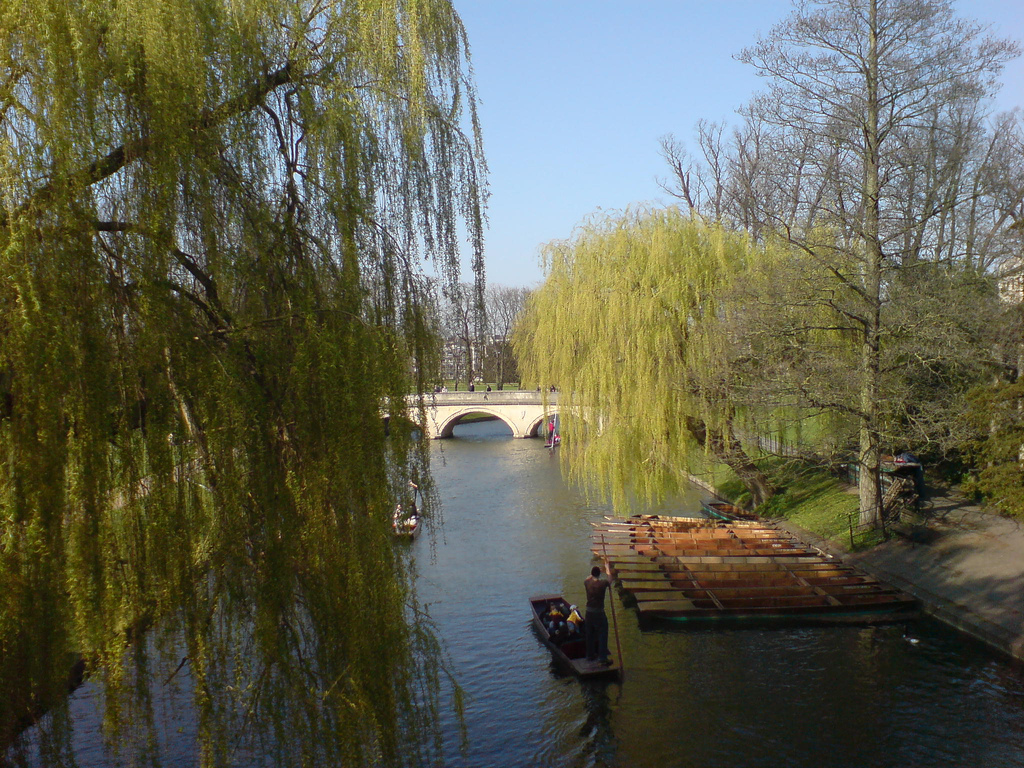
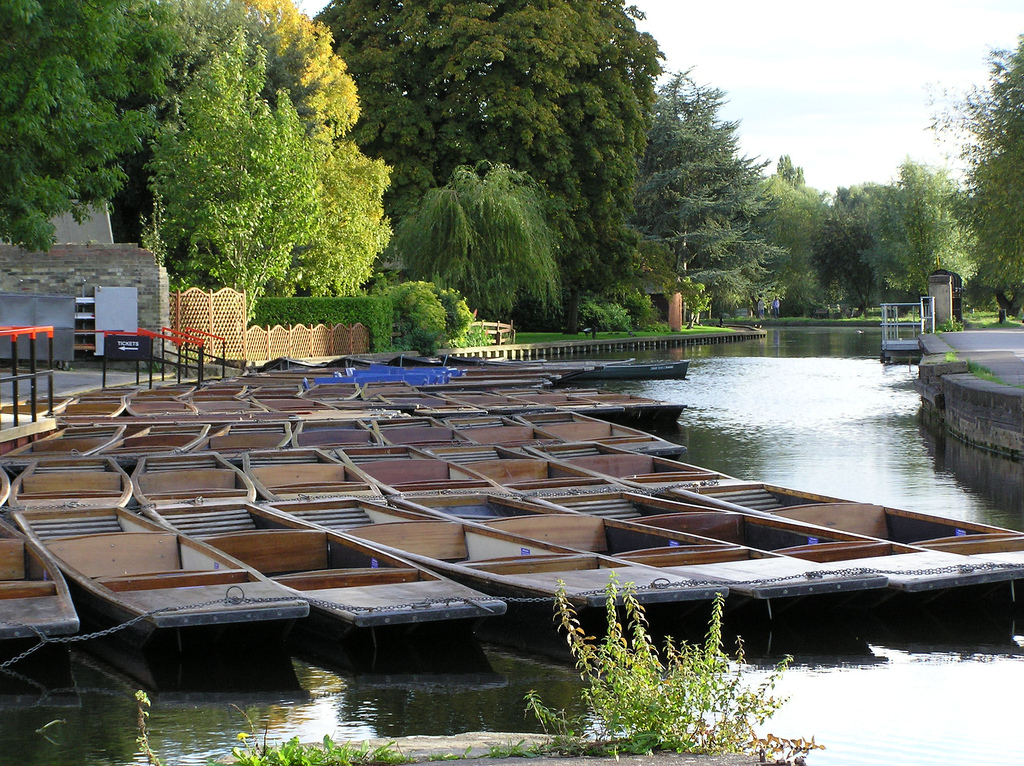
Punting on the Cam
Punting on the Cam
Punts waiting for customers

There are some 23 bridges on the Cam in Cambridge alone. A majority of these bridges are private and link the colleges with their extensive grounds towards the back. None is probably more evocative than the St. John’s College “Bridge of Sighs” that links the Third Court and the New Court of the college.

The Bridge of Sighs, St. John's College, Cambridge.
The Bridge of Sighs, St. John’s College, Cambridge.

Cambridge is a great place to visit at any time of the year, more so to be able to enjoy punting on the Cam. A future article will deal with some of the more famous colleges.
The world didn’t end today!

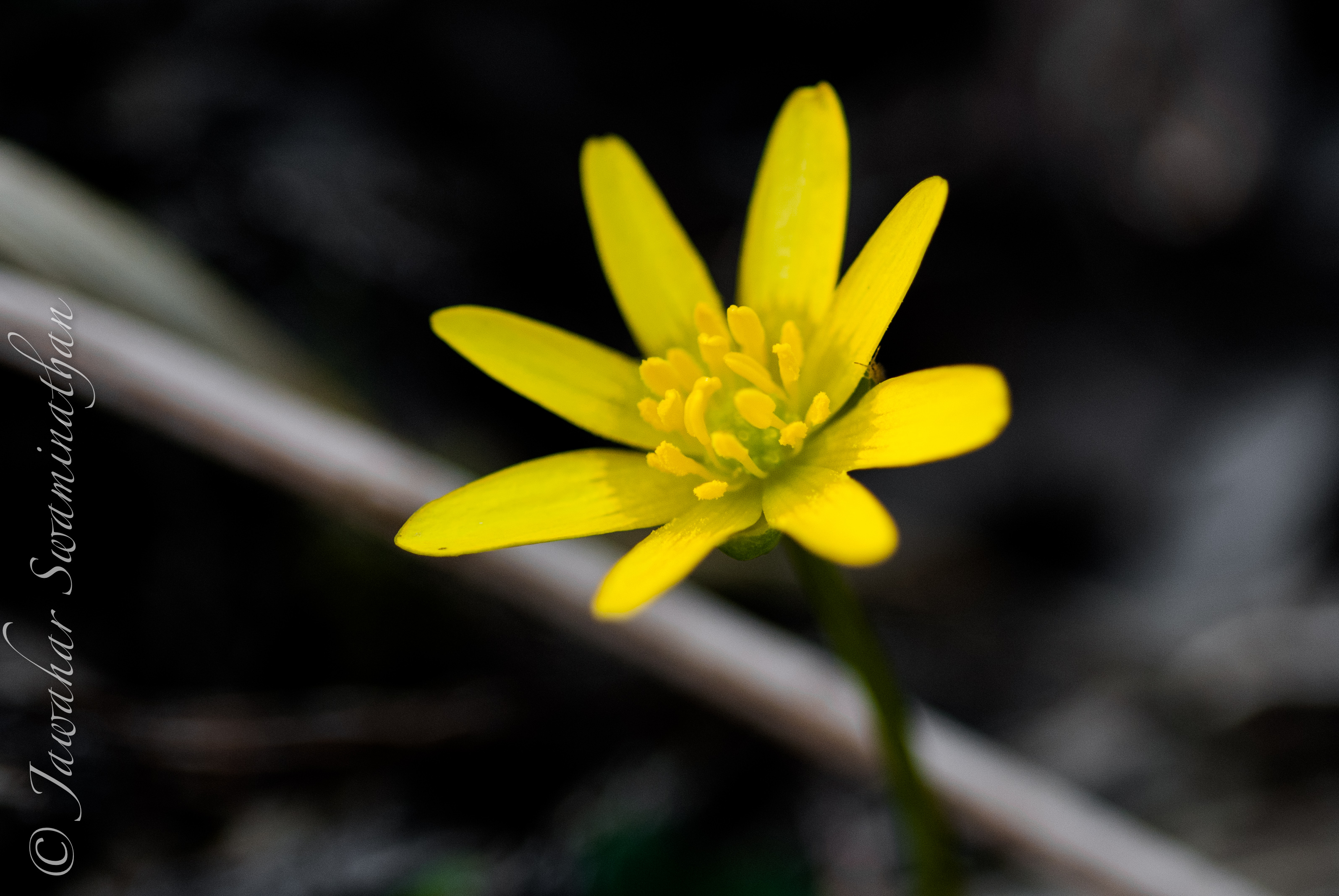
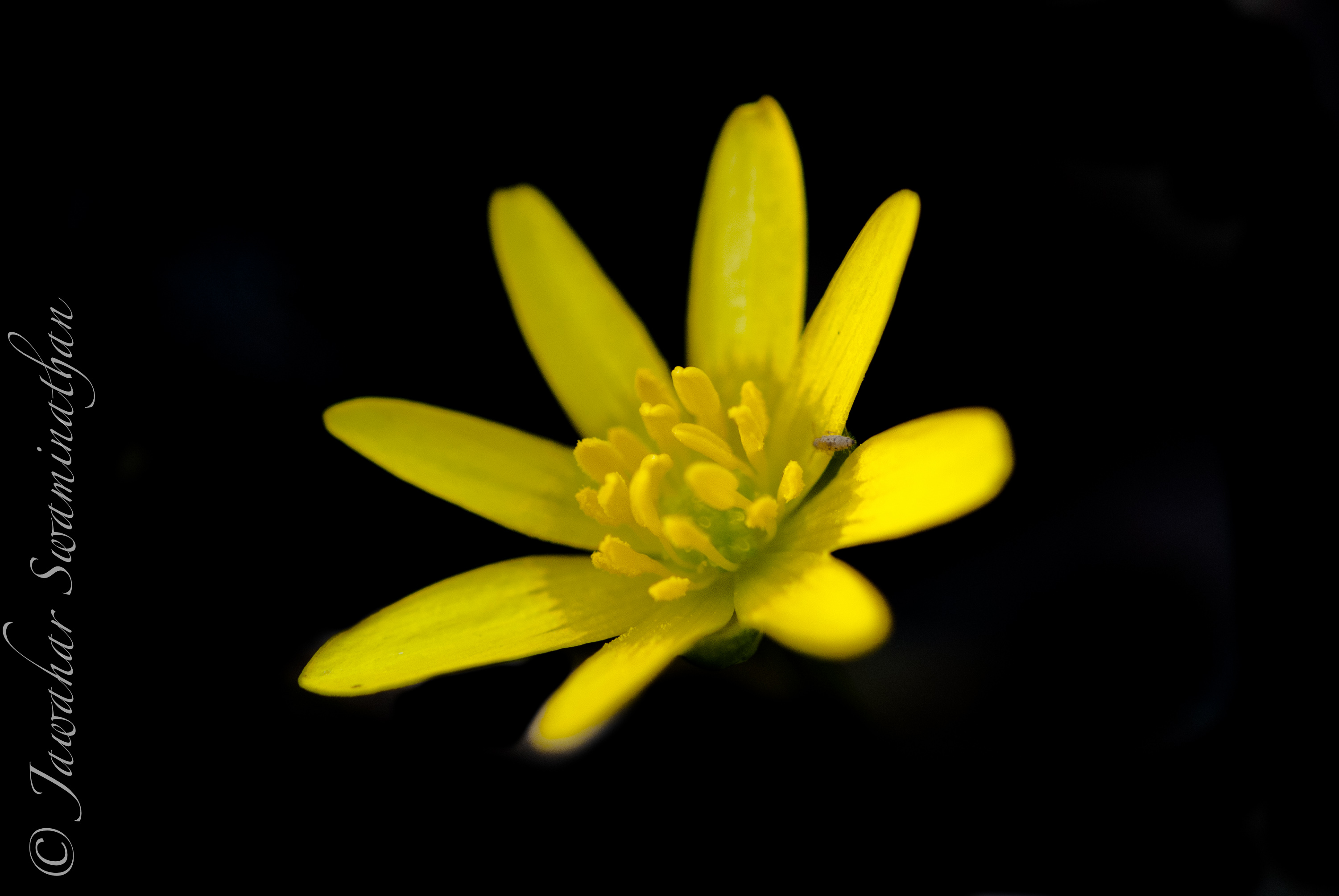
The world hasn’t ended so far today and it seems unlikely to do so in the next 8 hours left (or maybe the Mayan Calendar was just crap to begin with)!! But if it does in the next 8 hours and 22 minutes, I wanted to leave you with a couple of pictures in what could be my last blog posting!!

DSC_0009

DSC_0011

Did you spot the tiny spider in both the pictures on the middle-right of the picture? These flowers are those of the Lesser Celandine. Also known as pilewort since the plant was believed to be useful for the treatment of piles. Impressive knowledge to have if the world comes to an end.


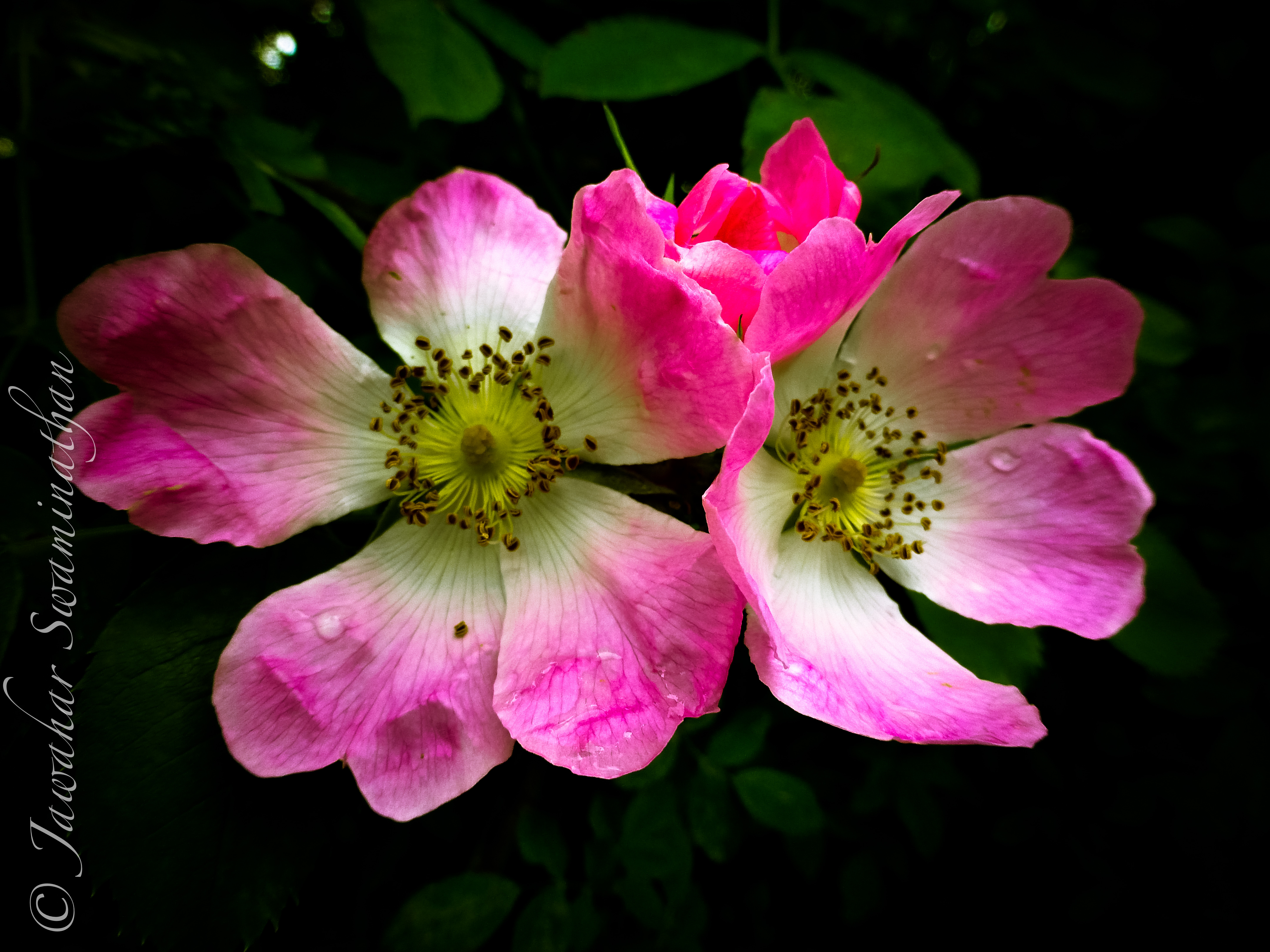
Dog Rose – not just a rose for dogs!!

The name dog rose conjures up images either roses for dogs, or rose in the shape of dogs. This is neither! Dog rose or Rosa canina is a common species of climbing wild rose native to Europe.

P1010100

The seeds (hips) of this rose are very rich in vitamin C and used in the preparation of  rose-hip tea (see my post Hip Hip Rose). As for the name of this rose, Wikipedia lists two possibilities – common or worthless or as a treatment for the bite from rabid dogs. I think the former is more likely etymology for this plant as it is genuinely common along hedgerows in England. The flowers are pink, have little or no fragrance.

Photographed on one of my summer walks using a Panasonic TZ30 compact camera.


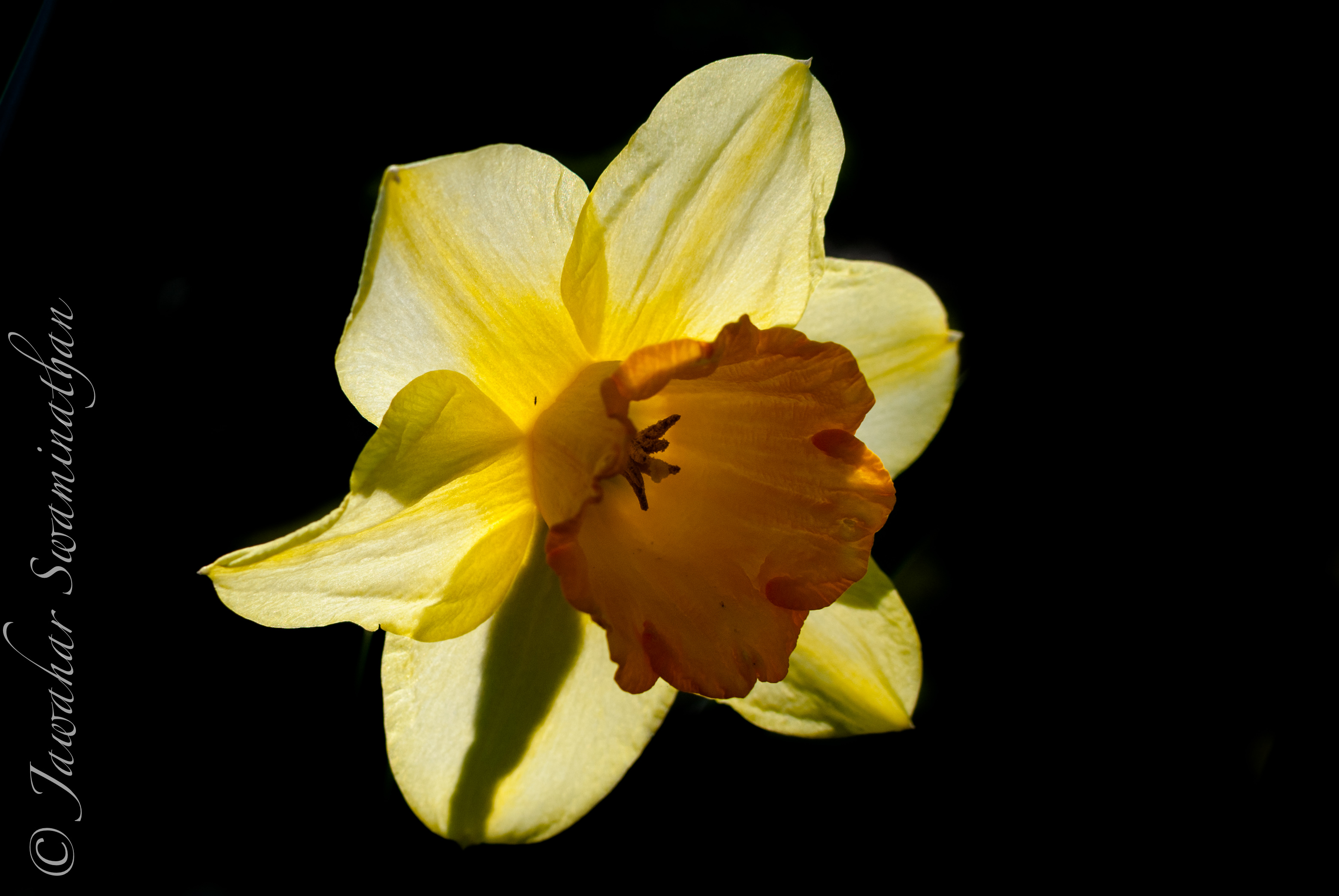
Daffodil – on black

I know this is the middle of winter!! Just to cheer us up and to look forward to the lazy days of spring and summer, here’s a lovely daffodil on a black background.

DSC_0047

Technical Details:

Nikon D80
Sigma 105mm f/2.8 macro lens
SB600 Speedlight External flash
f/4.6 1/2500 ISO200
Processed in Adobe Lightroom4.1


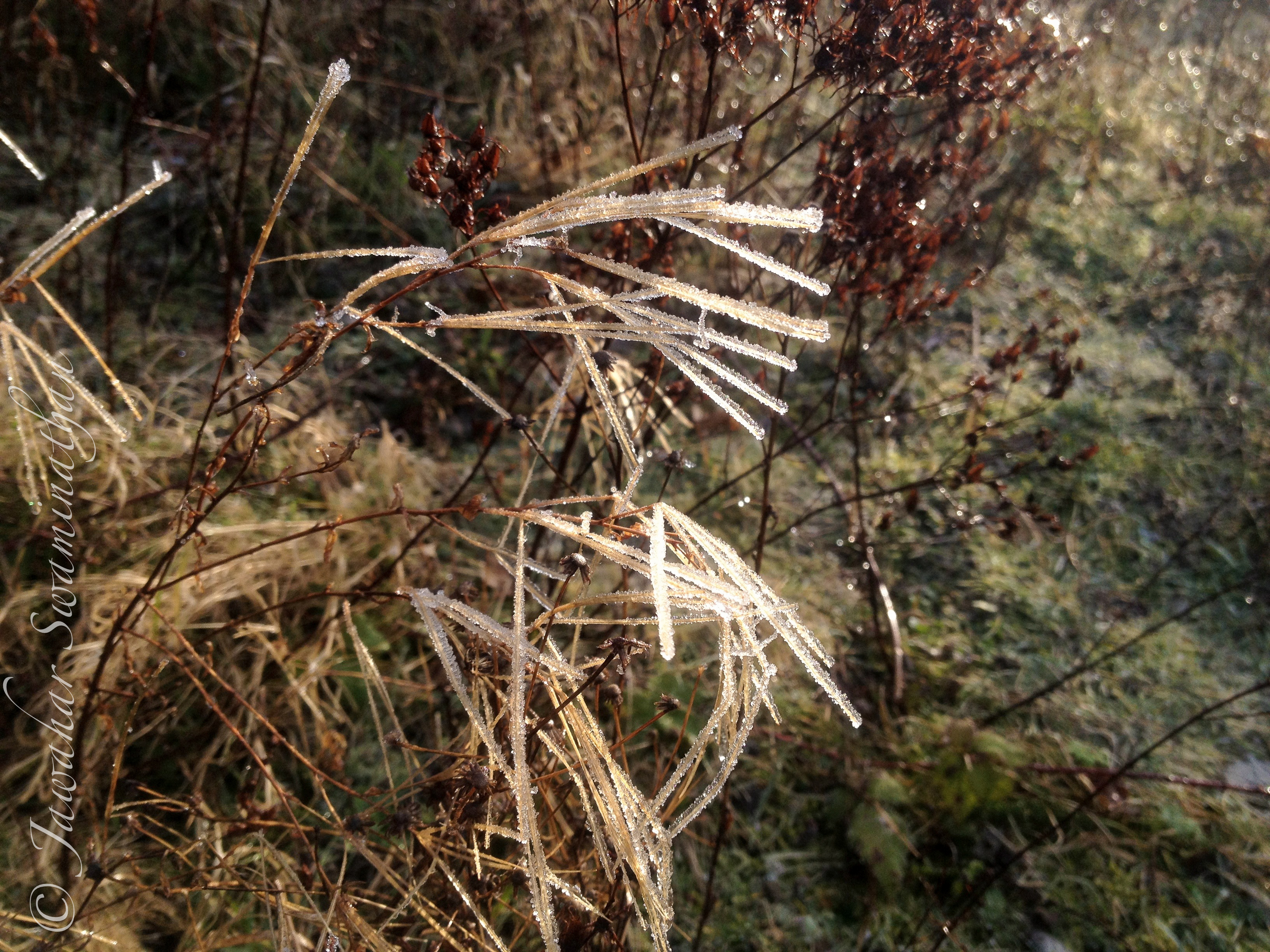
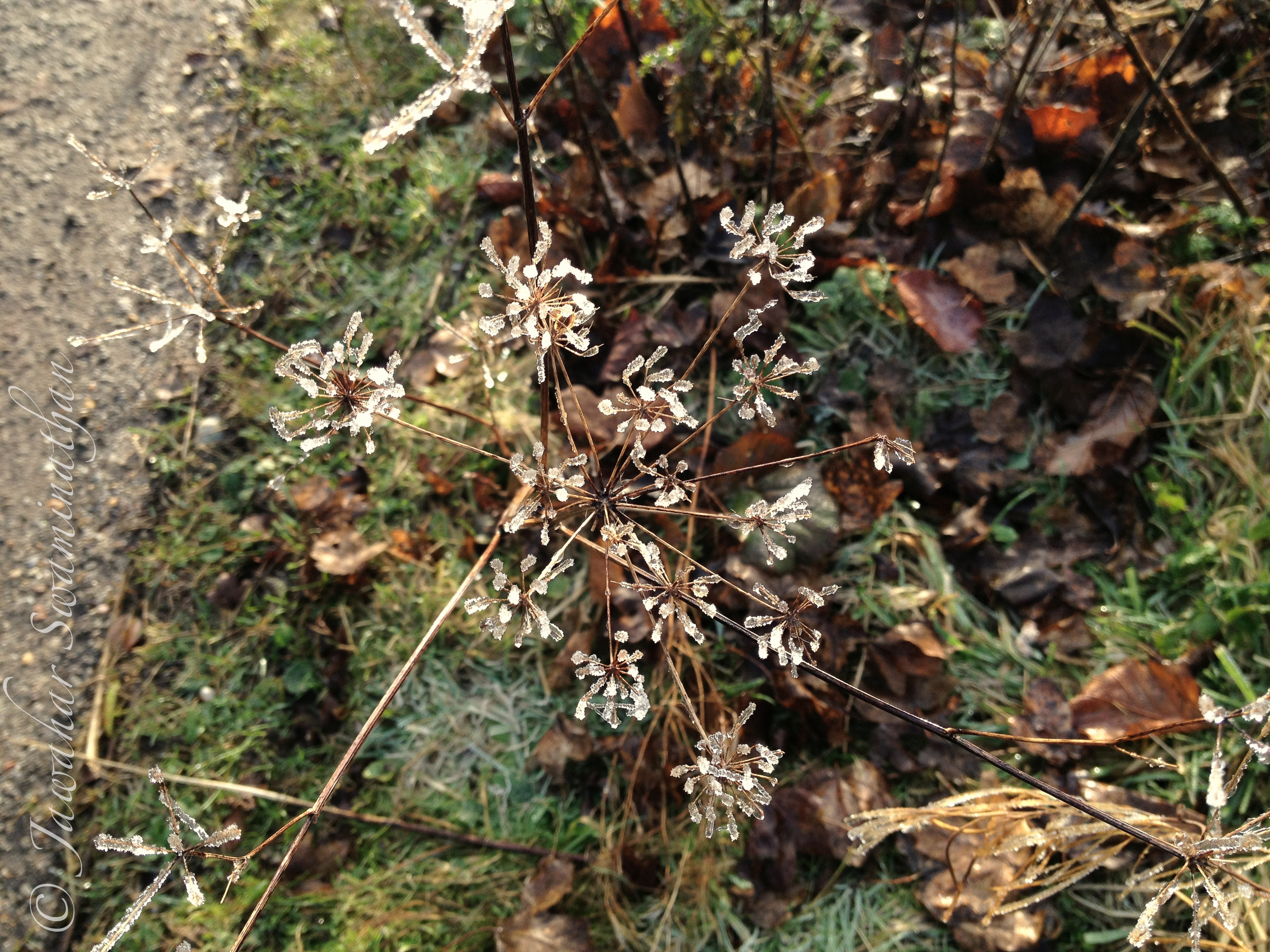
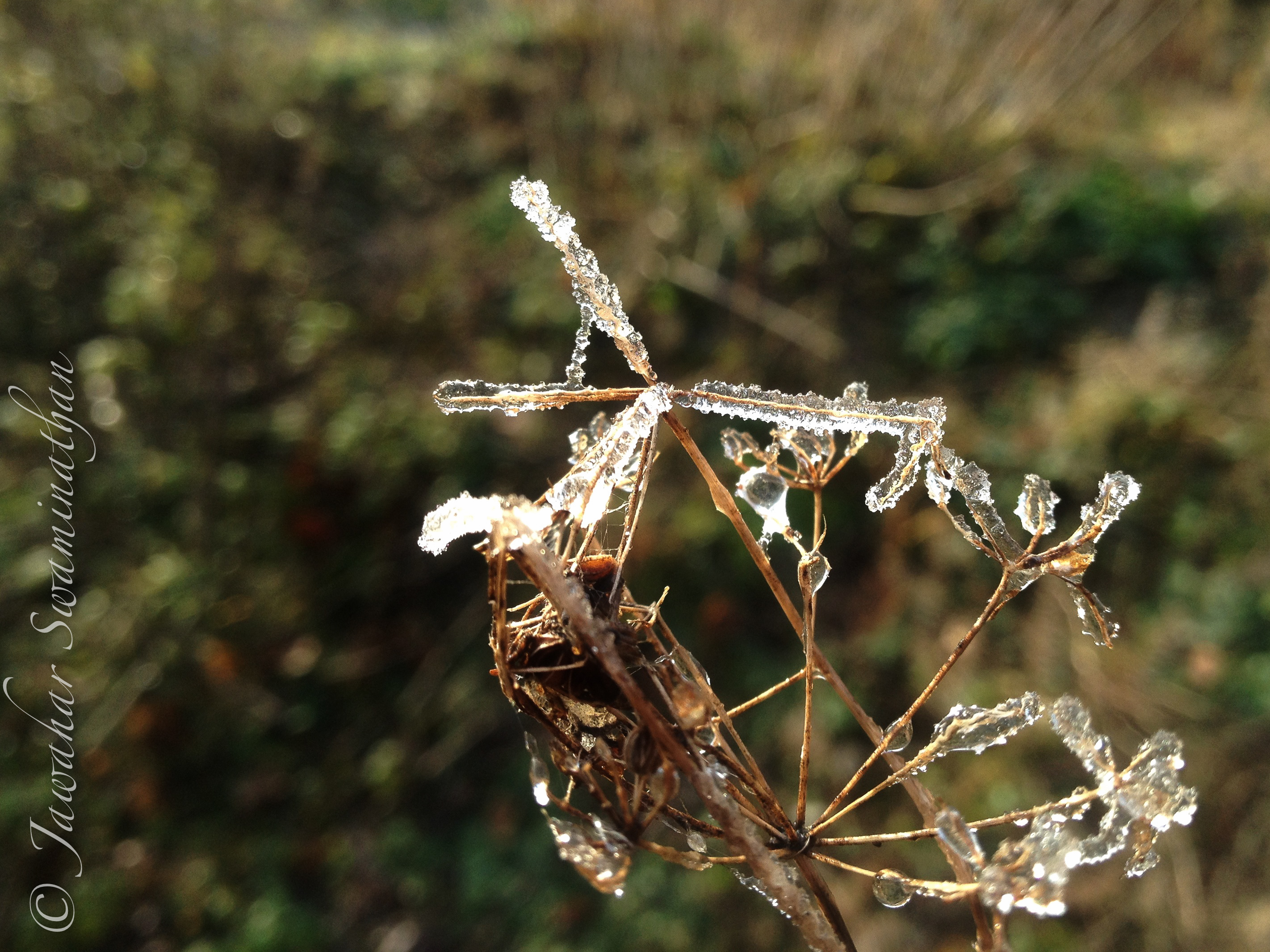
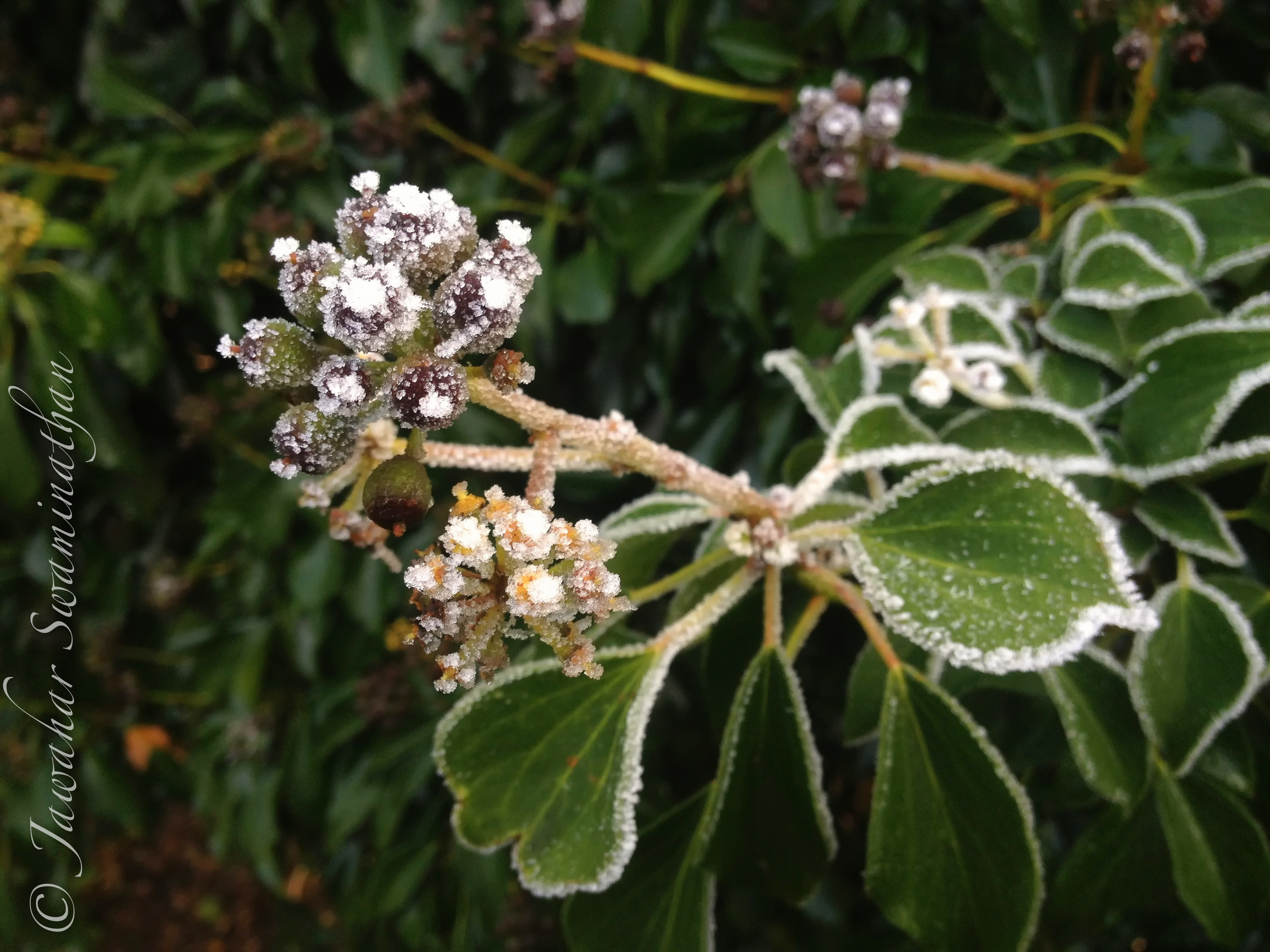
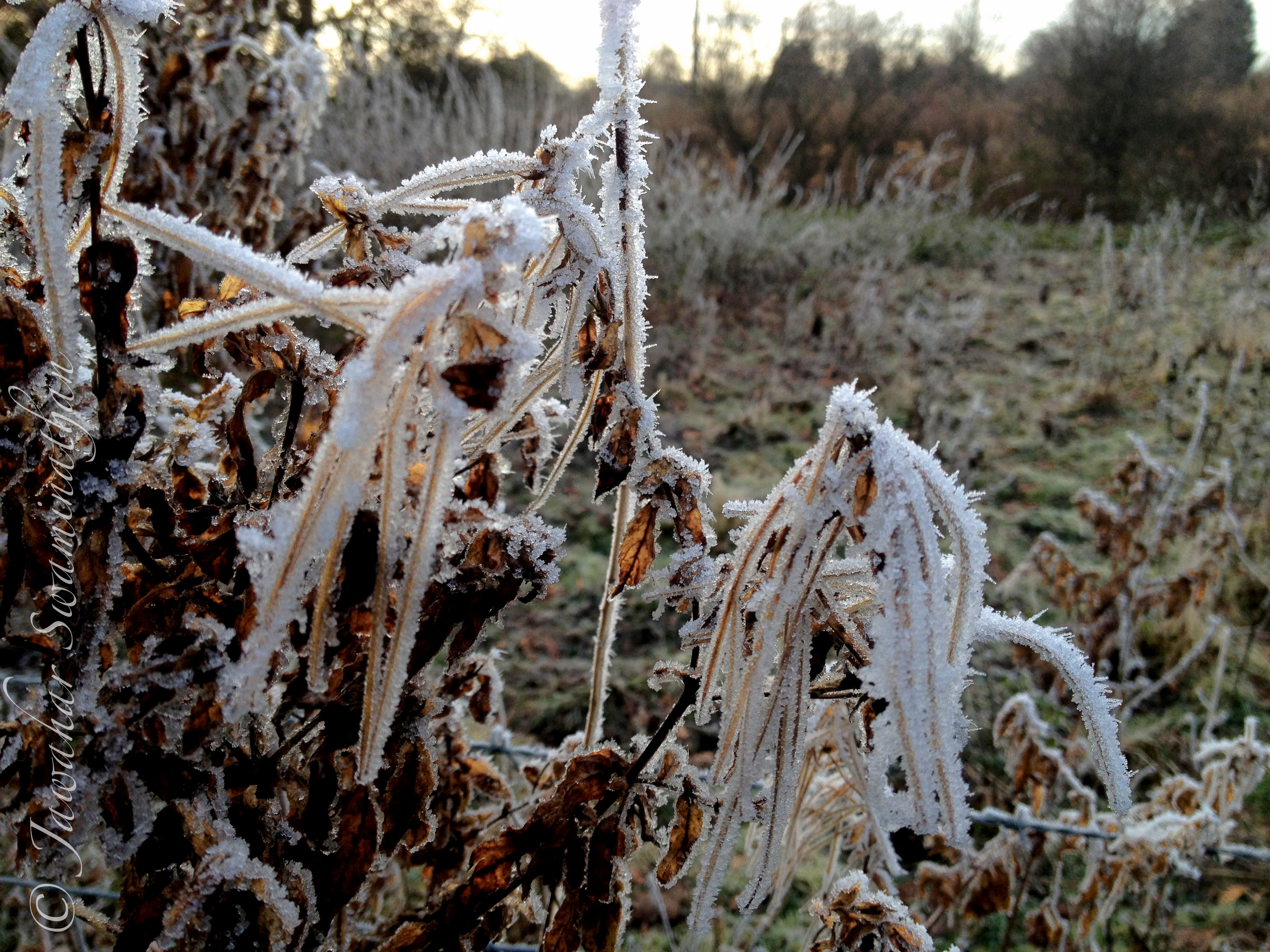
Flowers of Ice…

The temperature across East Anglia touched a chilly -6C over the last two nights. Winter is well and truly here in Cambridge. The rapid drop in temperature meant some great opportunities for photography across my place of work. The pictures below are all from my iPhone 4S. As always you can click on the pictures to see and appreciate these flowers of ice.

Ice flower
Ice flower
2012-12-12 13.13.35
This Brassica died out in the summer, but there’s this second chance to see how it would have looked!
2012-12-12 13.13.05
Extreme frost!!
2012-12-12 13.12.44
Frozen in time!
2012-12-12 13.18.16
The leaves of this plant are usually dark green except today!
2012-12-12 13.25.45
This used to be a Teasel plant..

All pictures with an iPhone 4S (it was too cold to carry anything else!). The images were post-processed in Color Effex Pro 3.0 plugin inside Adobe Lightroom 4.3


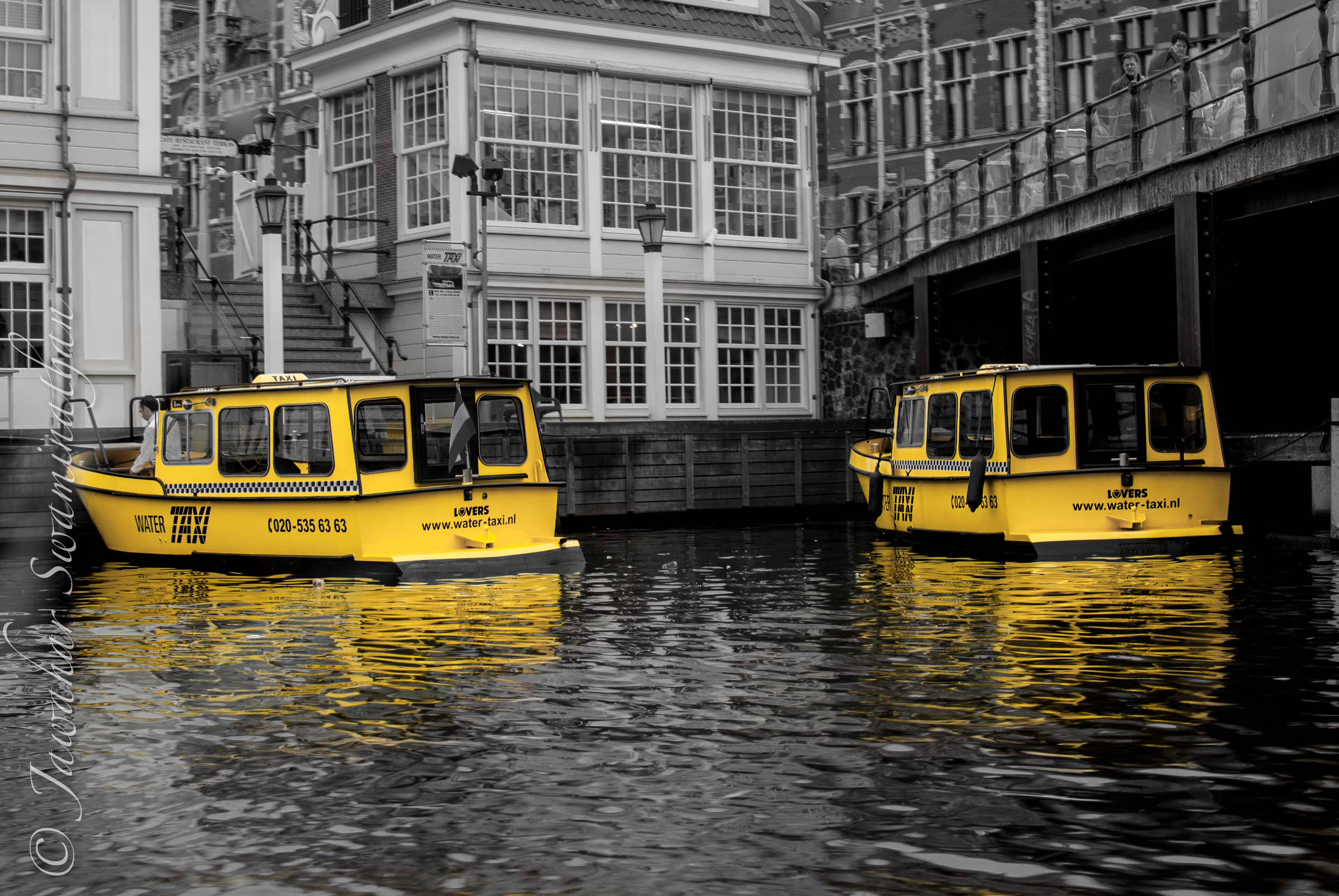
Water Taxis – Amsterdam

Fact: Amsterdam has more canals than Venice!

People associate Amsterdam with lots of things including “Coffee shops”, Red-light district, Vincent van Gogh and Rembrandt but rarely with canals and water. Ubiquitous in the more than 100km of canals and 1500+ bridges are the water taxis. They are an excellent way of getting around the Amsterdam old quarter avoiding traffic jams on the narrow roads.

DSC_0452

Technical Details

Nikon D80
Tamron 28-250mm f3.5/6.3 Lens
Post-processed in Adode Lightroom 4.1

The 100th!!

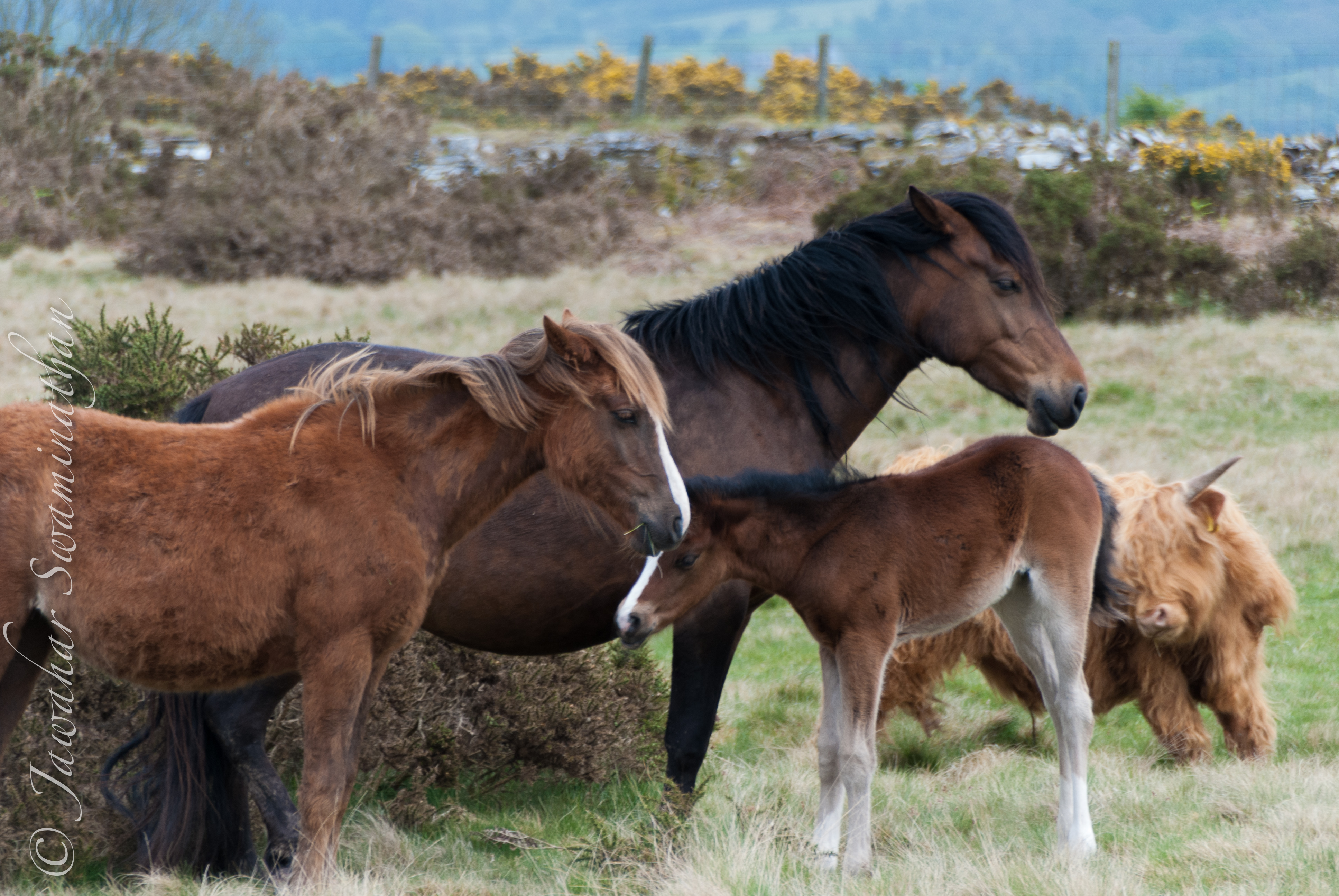
I really didn’t think I’d get this far, but this is my hundredth blog posting!! The pastoral scene below is from the Brecon Beacon National Parks. Horses and a highland cow!

DSC_0249

I mustn’t forget to add that it was extremely windy on the day, which is probably why the horses have such expressions on their faces!


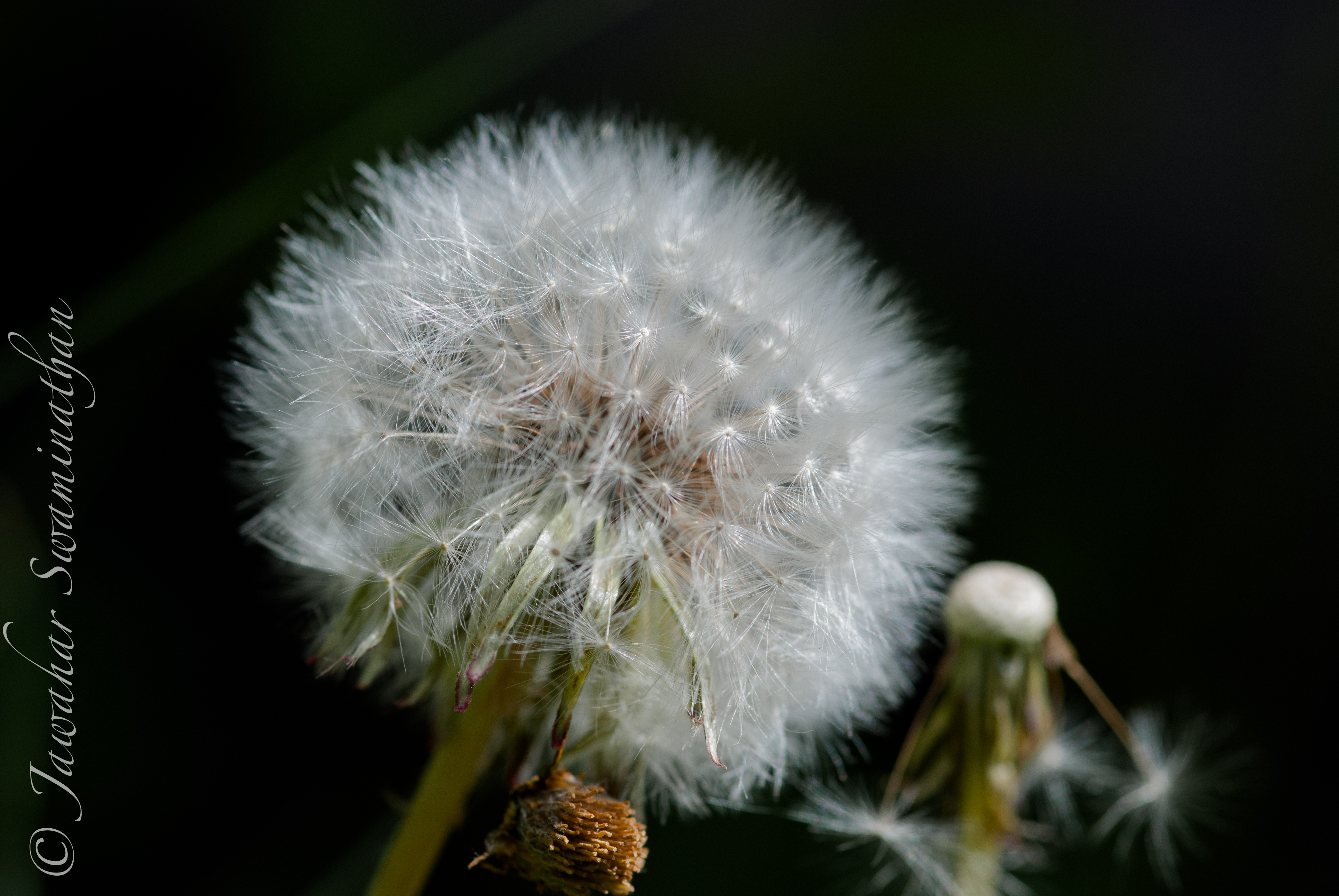
Dandelion – A gardeners nightmare or cooks delight?

Mention Dandelion to any gardener who loves their lawns and they will tell you a few stories about how difficult these plants are to get rid of, and how pernicious these weeds can be. Dandelions belong to the Taraxacum genus of the family Asteraceae and found in most of Europe and North America. They tend to have leaves that are flat and close to the ground and produce bright yellow flowers throughout late spring and summer. Whilst the flowers tend to brighten up any wasteland, they also grow happily between grass in lawns. Due to their low habit, they avoid being cut down by standard lawn mowers. Every plant produces a beautiful spherical head of winged seeds that easily disperse in the wind (see below).

araxacum officinale
Taraxacum officinale

The recent series of television (Masterchef: The Professionals) had a cook James Burton using Dandelion roots in cooking! Till that time I’d no idea that these plants were edible, so used as I was to zap them with weed killer on first sight. Reading up a little more on these plants, it turns out that the dandelion leaves are an excellent source of iron and calcium (more than spinach)!

So the next time I see these growing in my garden (which I’m sure I will), I’ll be reaching out for a recipe book and not my glyphosate containing weed killer!

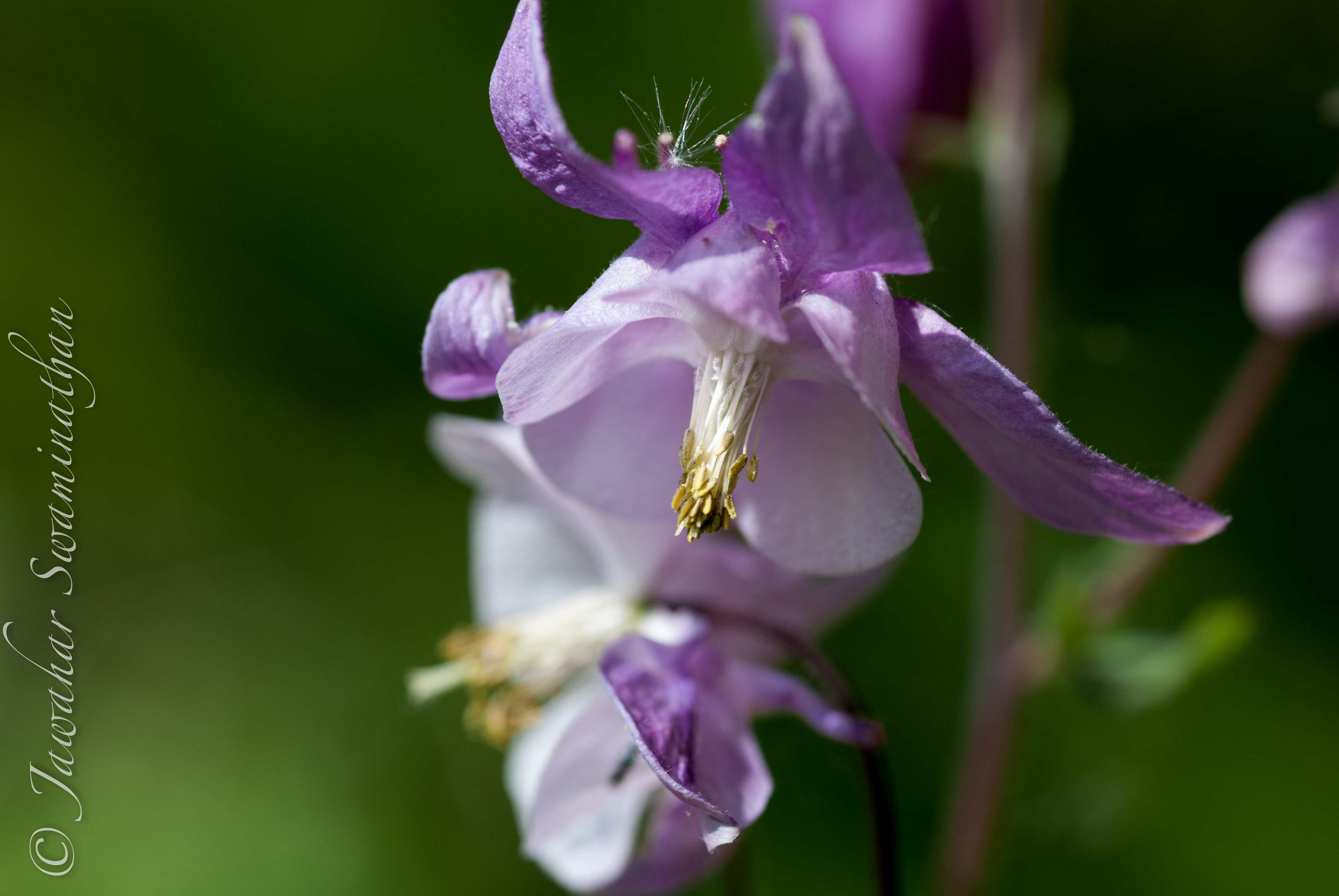
Aquilegea

From earlier this summer (or whatever that passed for that term this year!). A few years ago I wouldn’t have known what Aquiligea was, but my knowledge of these plants has increased after the purchase of a few plants.

DSC_0296-2

Apparently the name Aquilegia comes from the latin aquila, or eagles claw based on the shape of the petals.

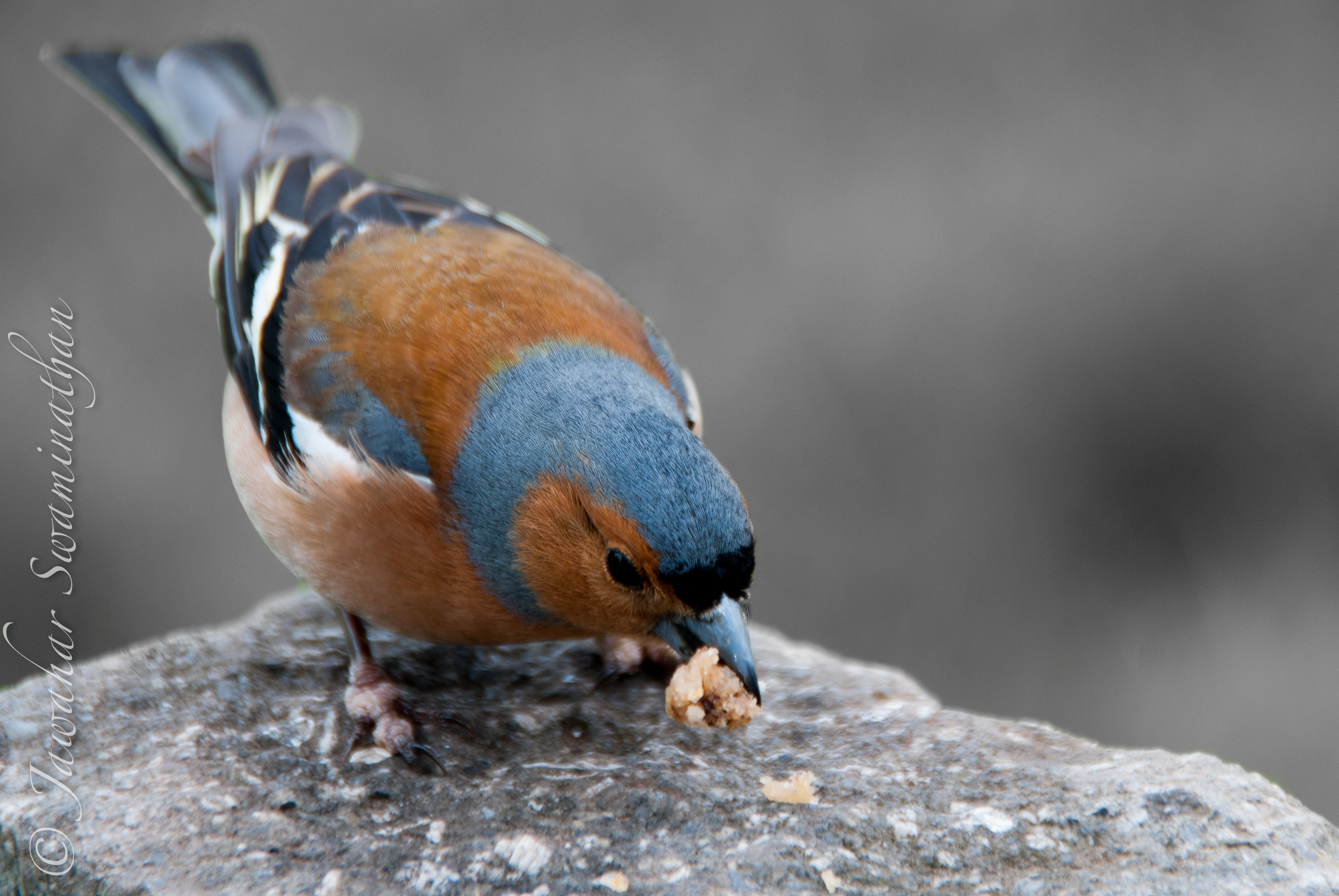
Chaffinch (and cake)

At the Brecon Beacons National Park in Wales, a male chaffinch showed great interest in carrot cake crumbs, appearing to within a foot of where we were sitting.

DSC_0252

Chaffinches are common to the British Isles although reports suggest that their numbers are dwindling in suburban gardens and inner cities due to a loss of suitable nesting habitat.