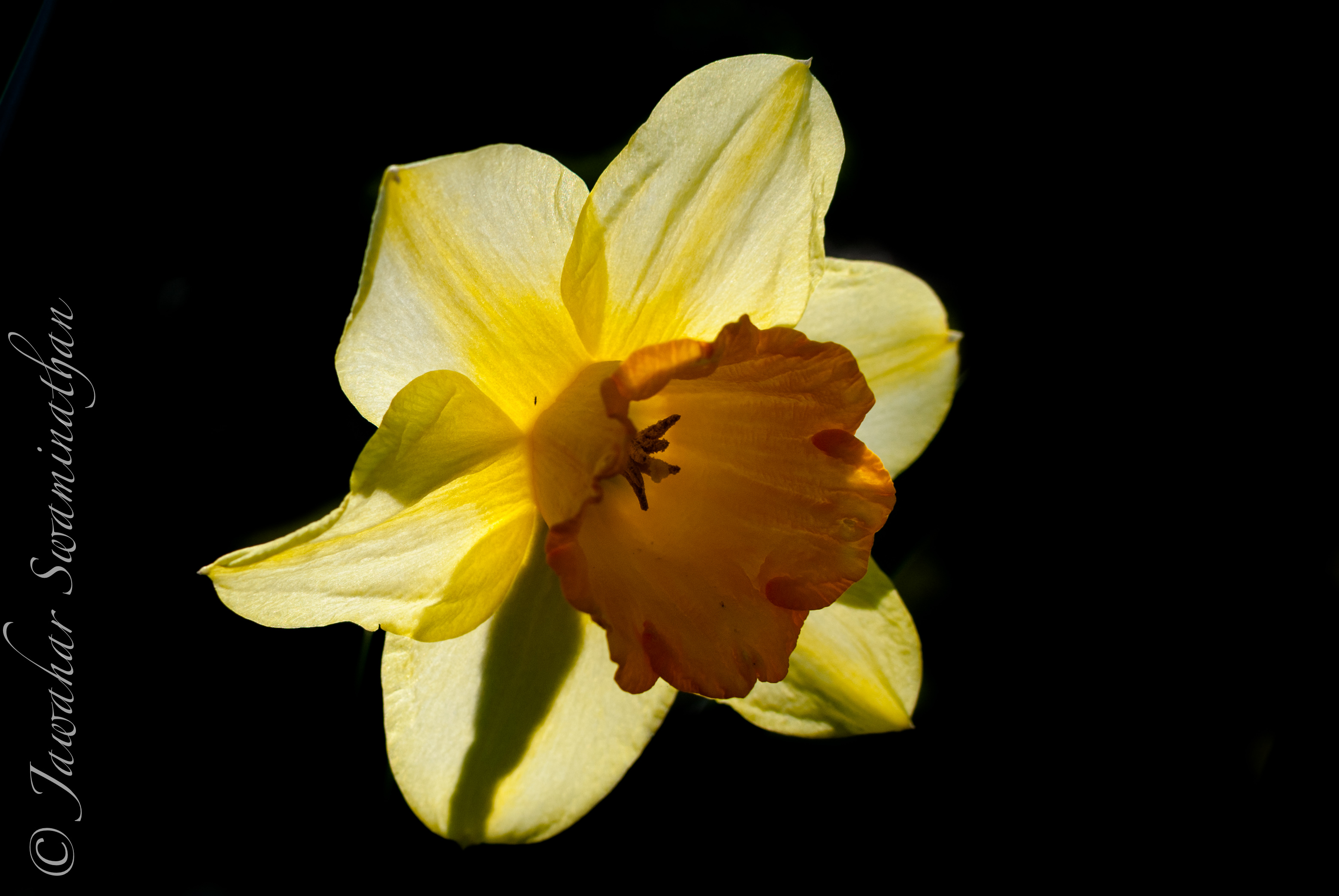
I know this is the middle of winter!! Just to cheer us up and to look forward to the lazy days of spring and summer, here’s a lovely daffodil on a black background.
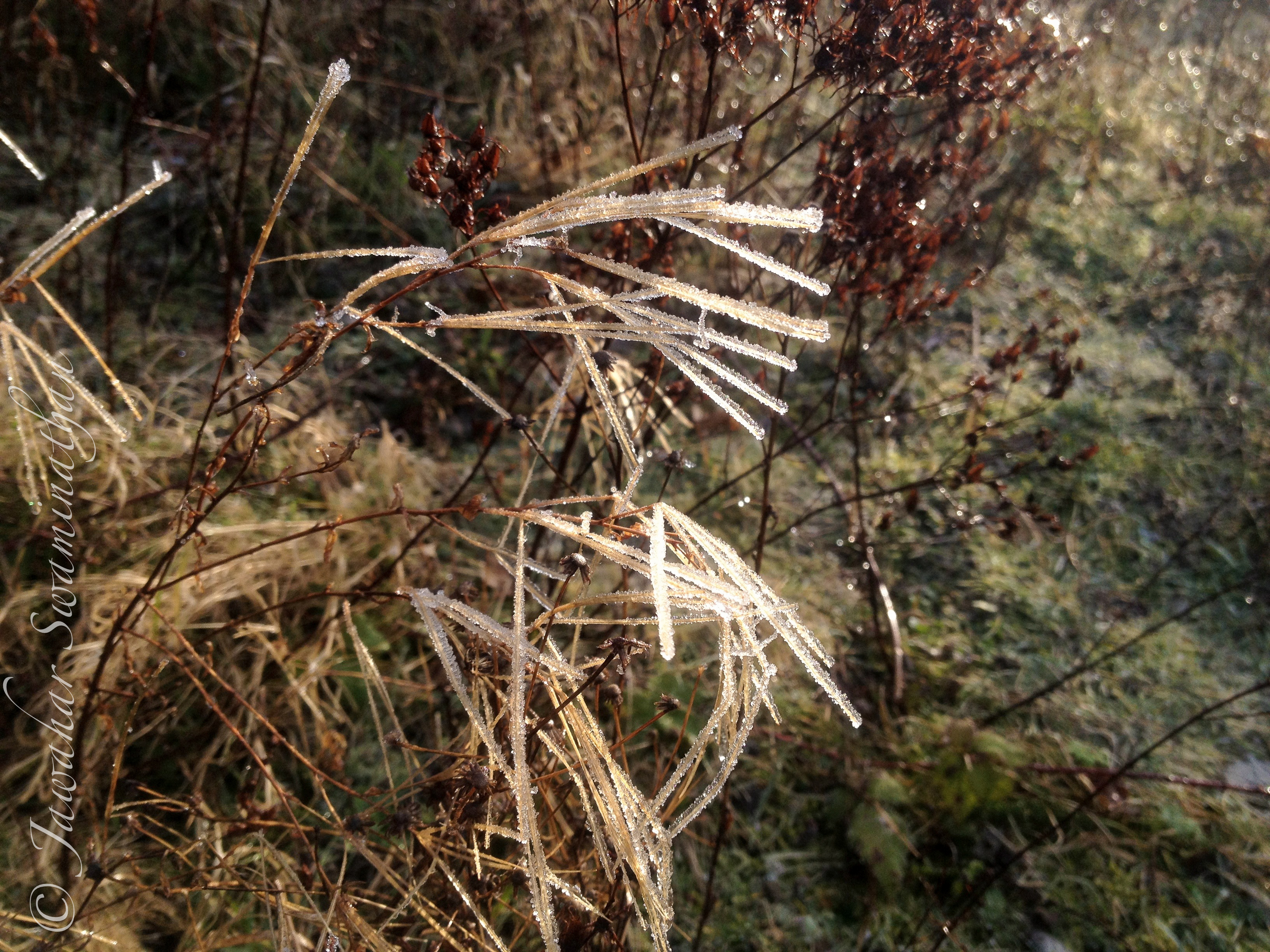
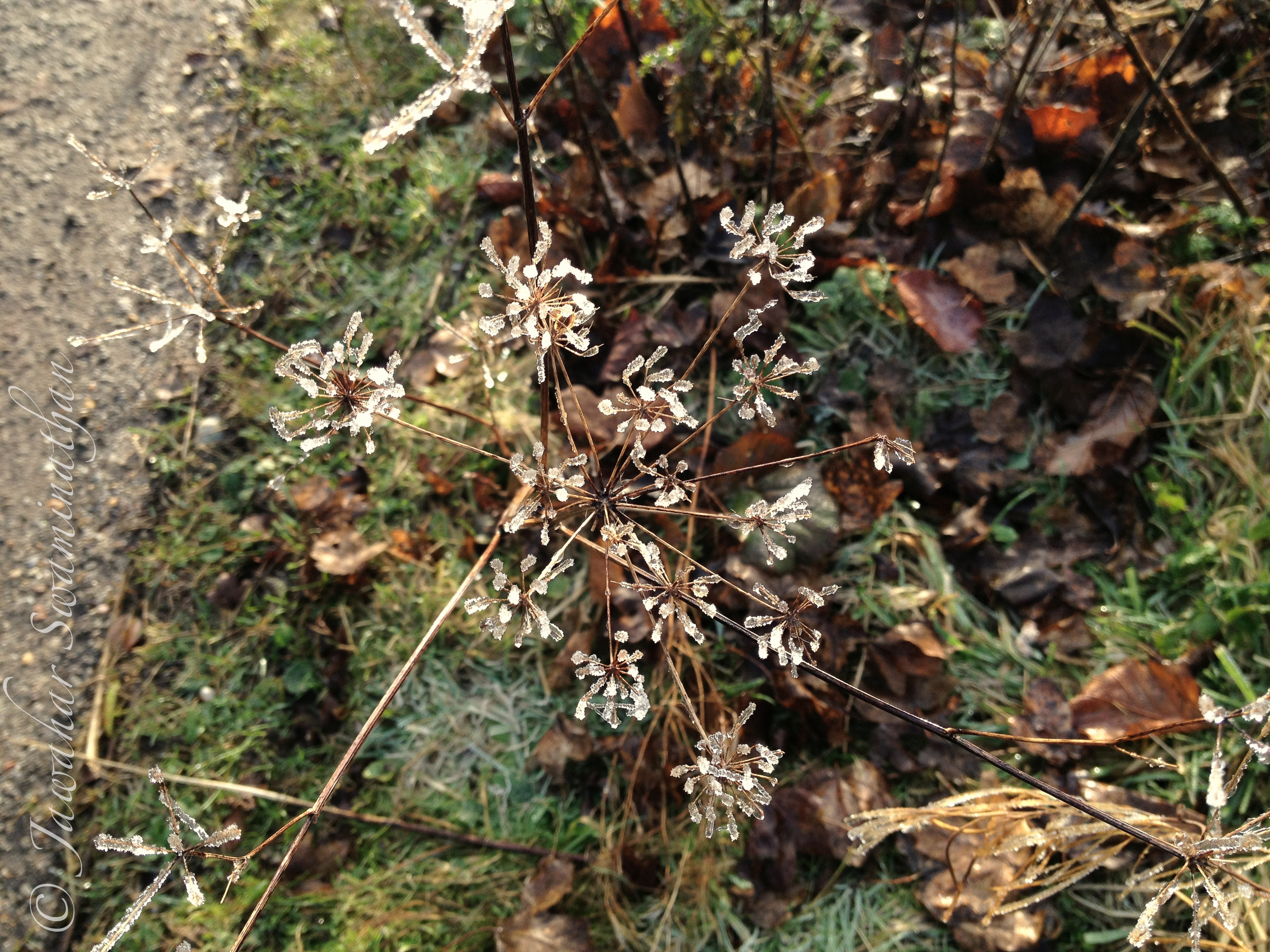
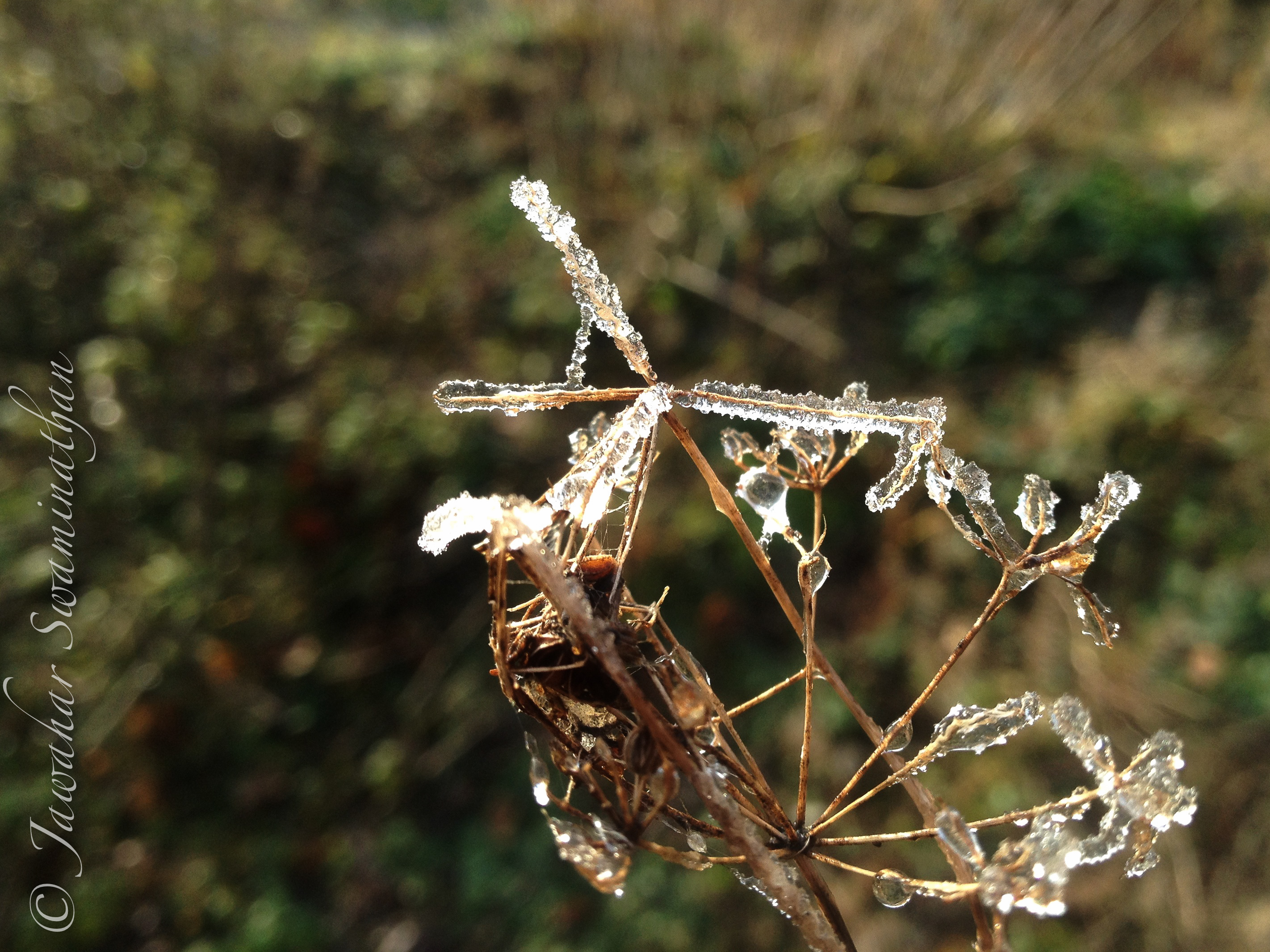
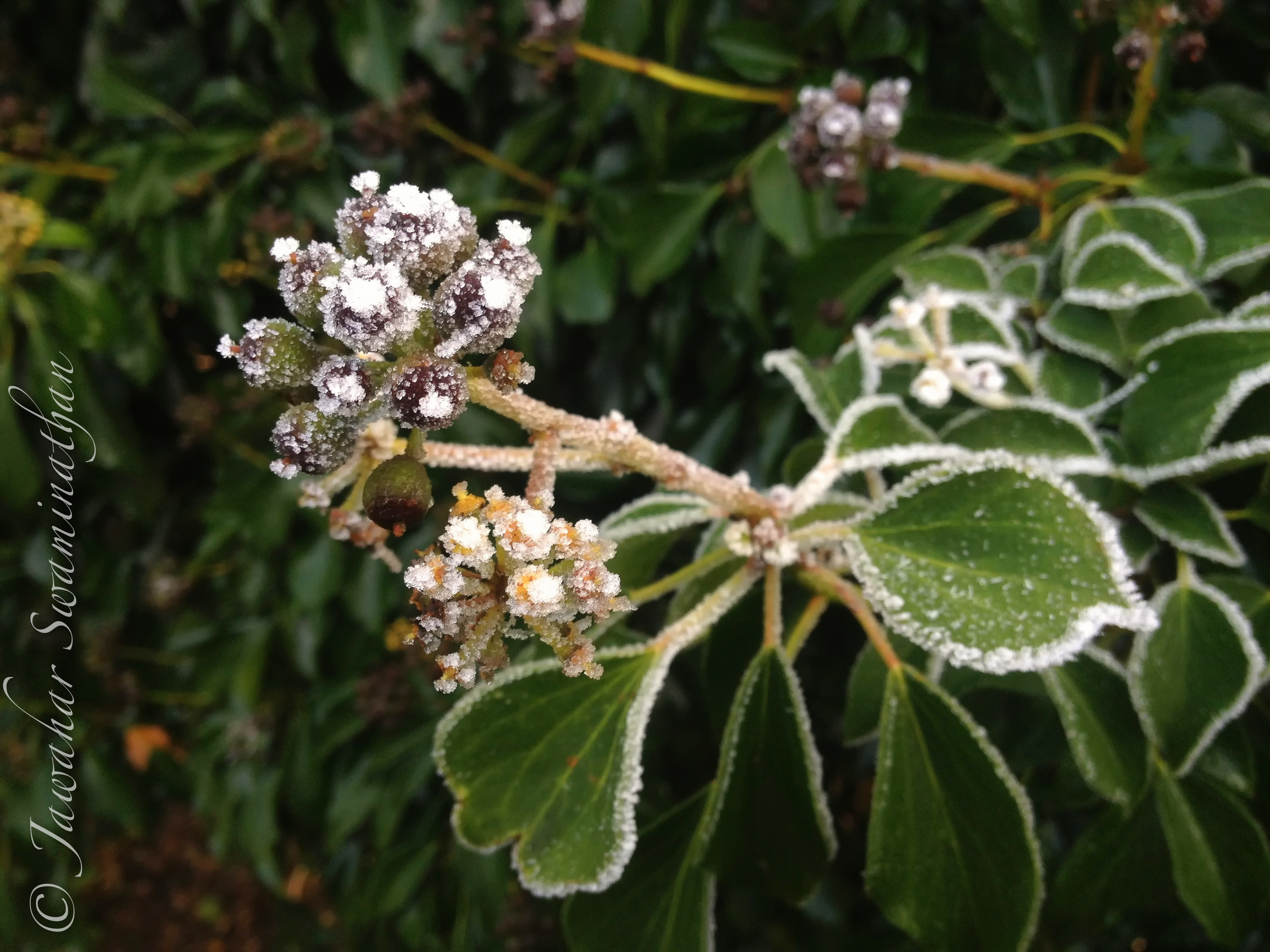
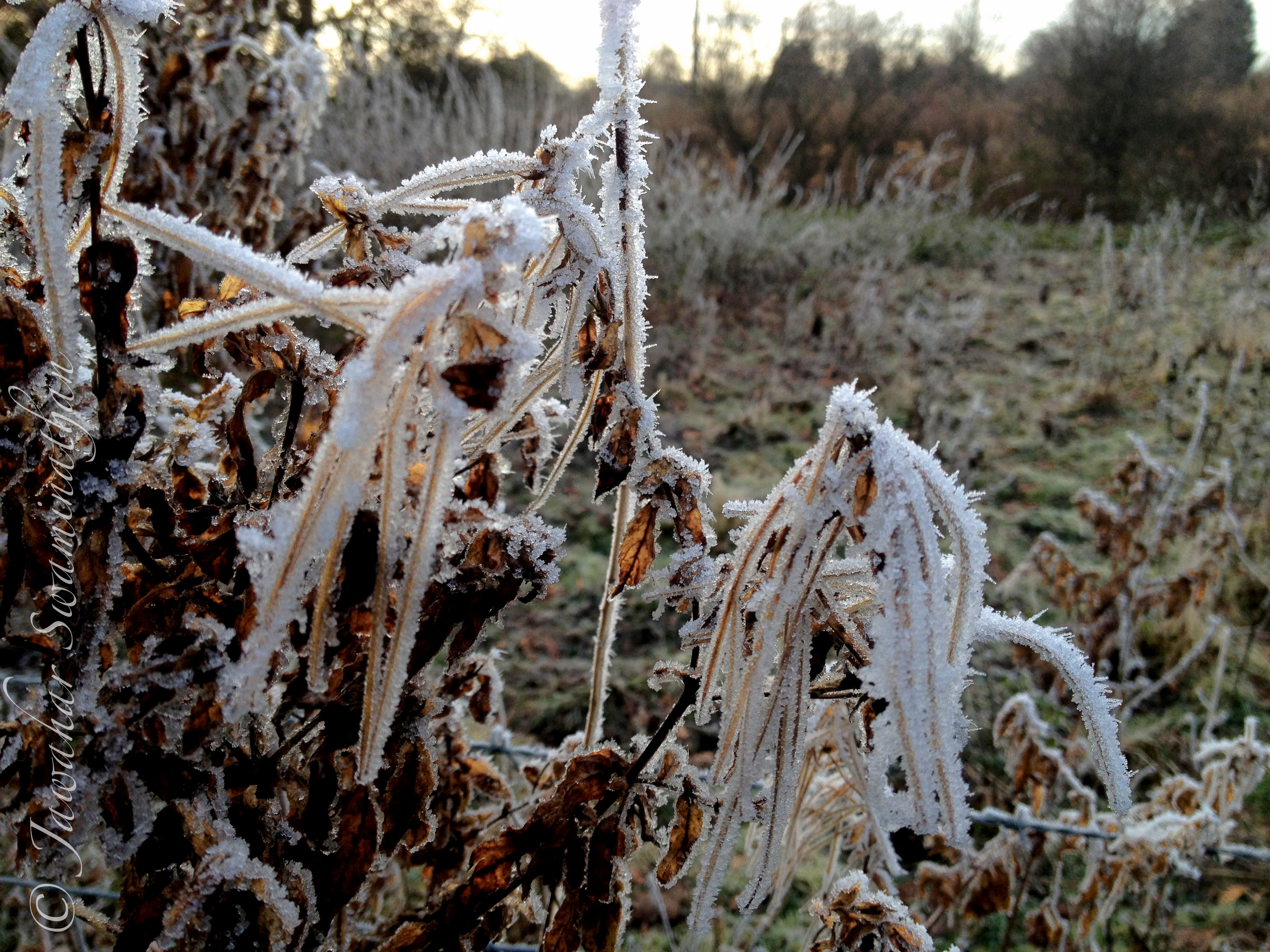
The temperature across East Anglia touched a chilly -6C over the last two nights. Winter is well and truly here in Cambridge. The rapid drop in temperature meant some great opportunities for photography across my place of work. The pictures below are all from my iPhone 4S. As always you can click on the pictures to see and appreciate these flowers of ice.
Ice flowerThis Brassica died out in the summer, but there’s this second chance to see how it would have looked!Extreme frost!!Frozen in time!The leaves of this plant are usually dark green except today!This used to be a Teasel plant..
All pictures with an iPhone 4S (it was too cold to carry anything else!). The images were post-processed in Color Effex Pro 3.0 plugin inside Adobe Lightroom 4.3
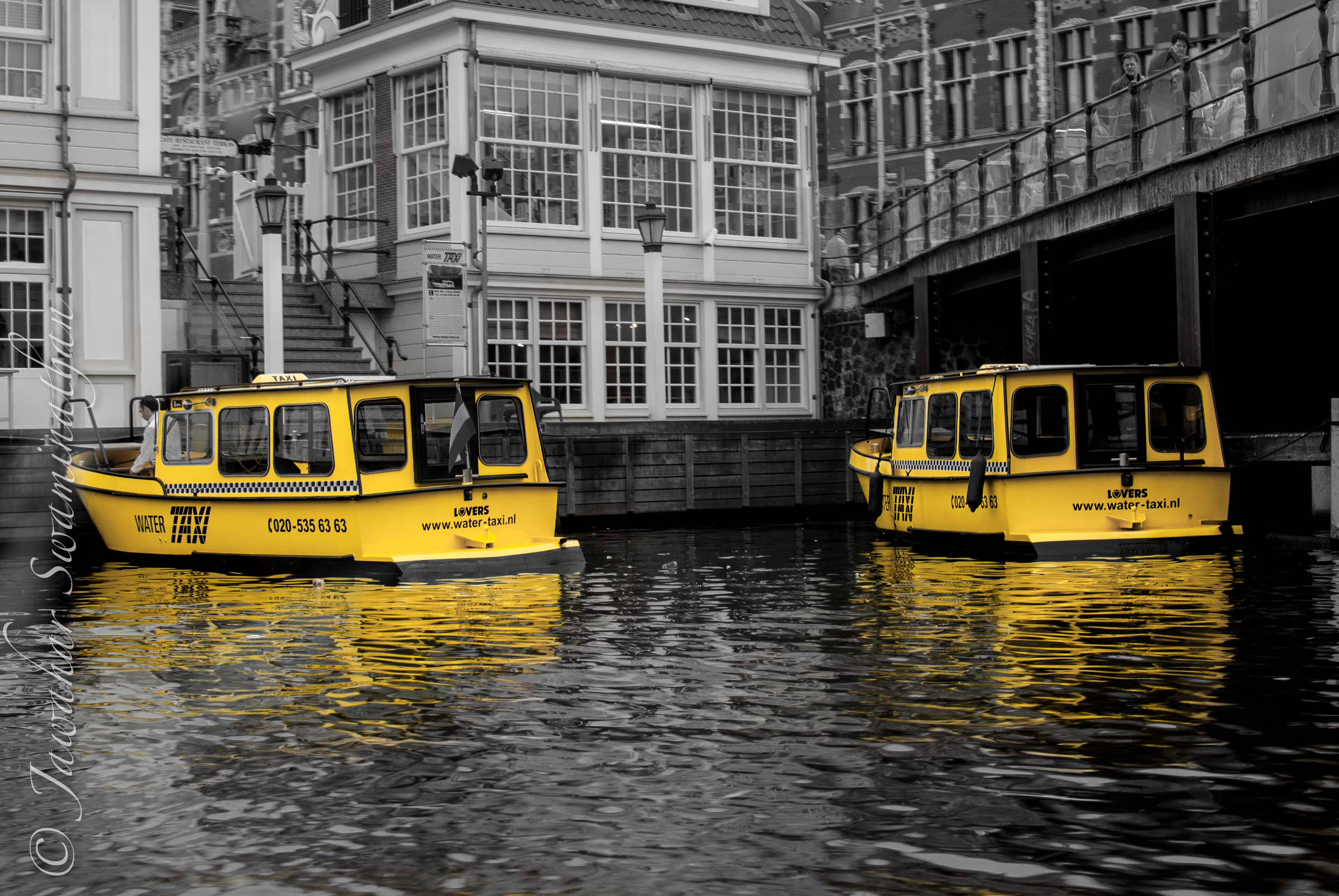
People associate Amsterdam with lots of things including “Coffee shops”, Red-light district, Vincent van Gogh and Rembrandt but rarely with canals and water. Ubiquitous in the more than 100km of canals and 1500+ bridges are the water taxis. They are an excellent way of getting around the Amsterdam old quarter avoiding traffic jams on the narrow roads.
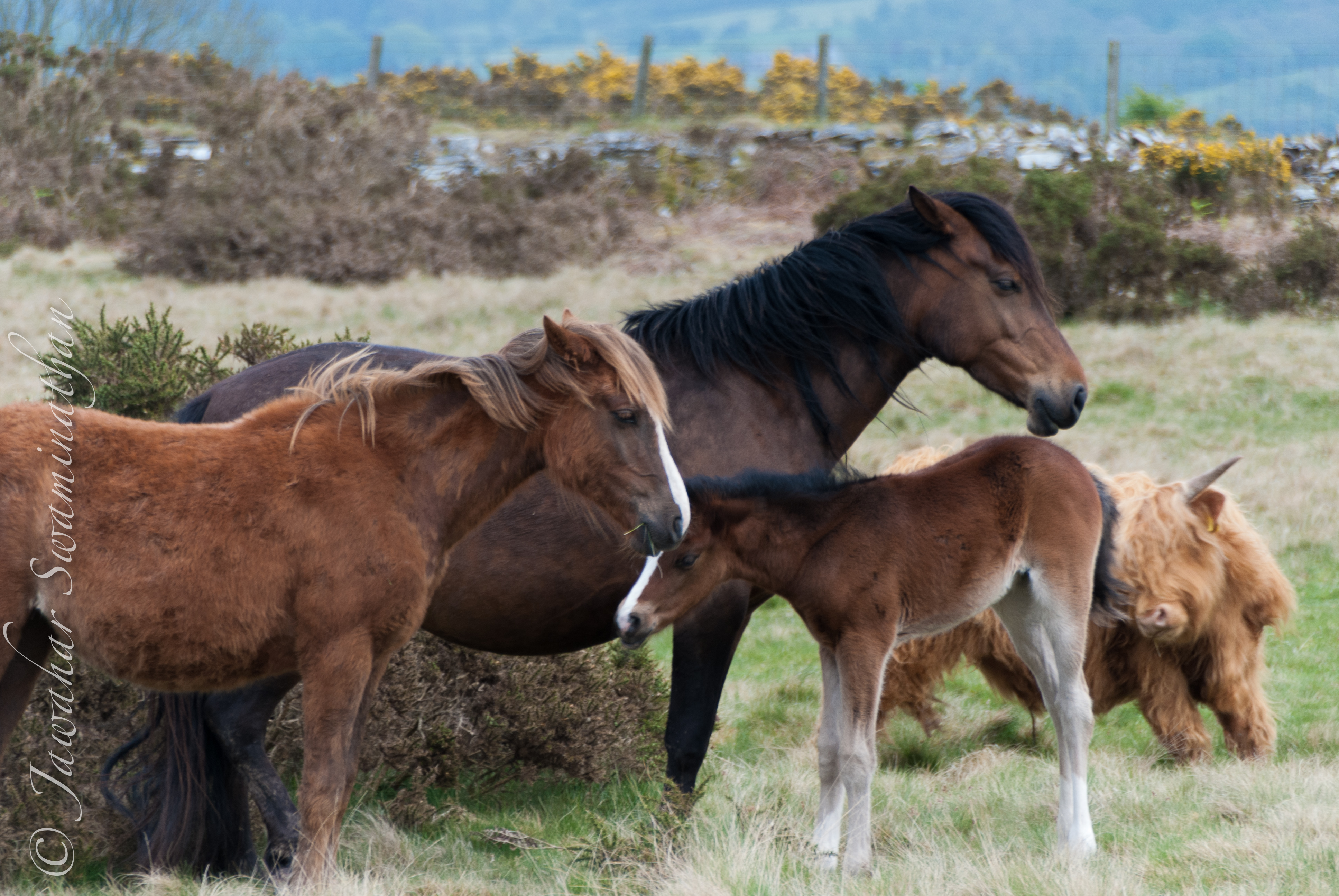
I really didn’t think I’d get this far, but this is my hundredth blog posting!! The pastoral scene below is from the Brecon Beacon National Parks. Horses and a highland cow!
I mustn’t forget to add that it was extremely windy on the day, which is probably why the horses have such expressions on their faces!
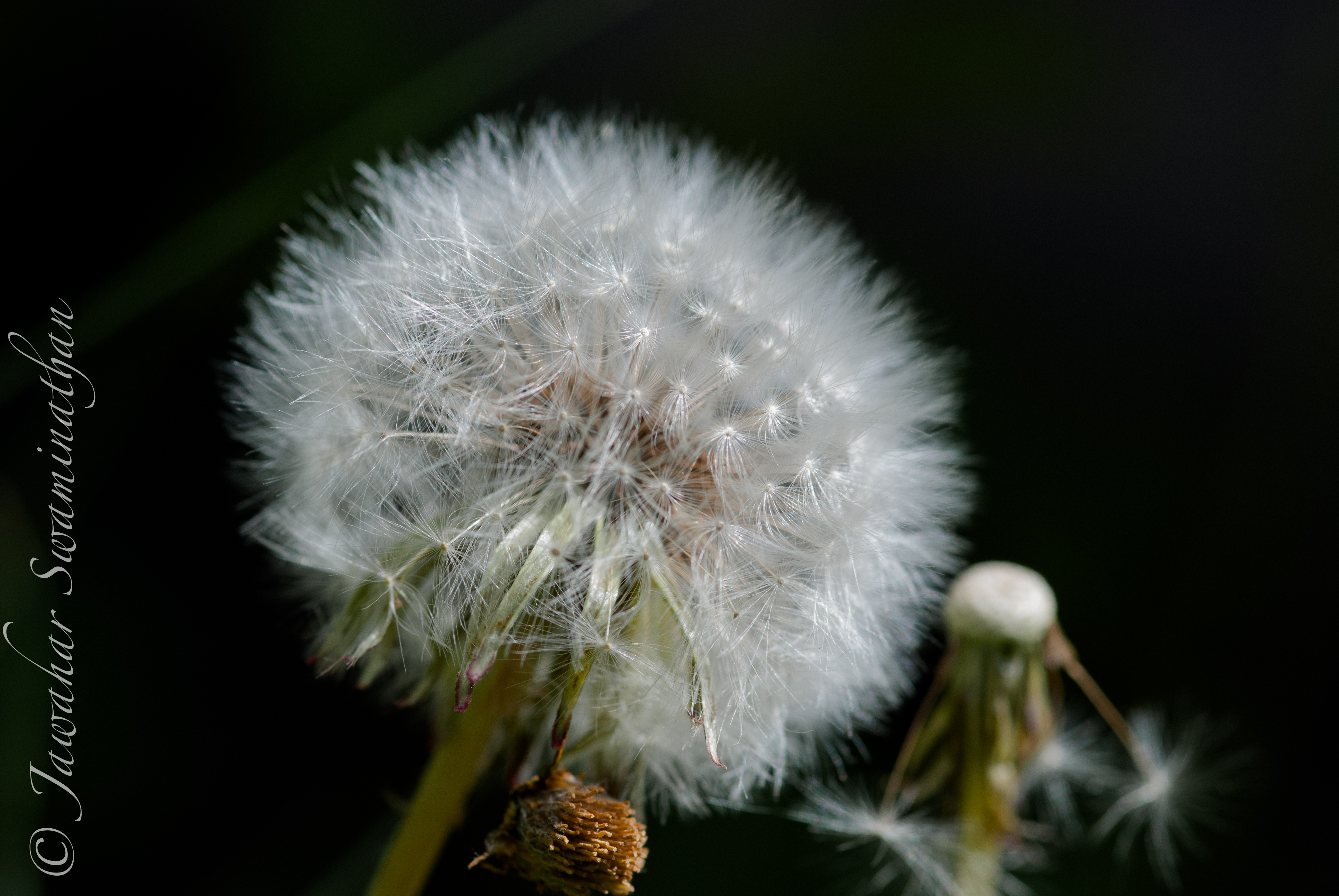
Mention Dandelion to any gardener who loves their lawns and they will tell you a few stories about how difficult these plants are to get rid of, and how pernicious these weeds can be. Dandelions belong to the Taraxacum genus of the family Asteraceae and found in most of Europe and North America. They tend to have leaves that are flat and close to the ground and produce bright yellow flowers throughout late spring and summer. Whilst the flowers tend to brighten up any wasteland, they also grow happily between grass in lawns. Due to their low habit, they avoid being cut down by standard lawn mowers. Every plant produces a beautiful spherical head of winged seeds that easily disperse in the wind (see below).
So the next time I see these growing in my garden (which I’m sure I will), I’ll be reaching out for a recipe book and not my glyphosate containing weed killer!
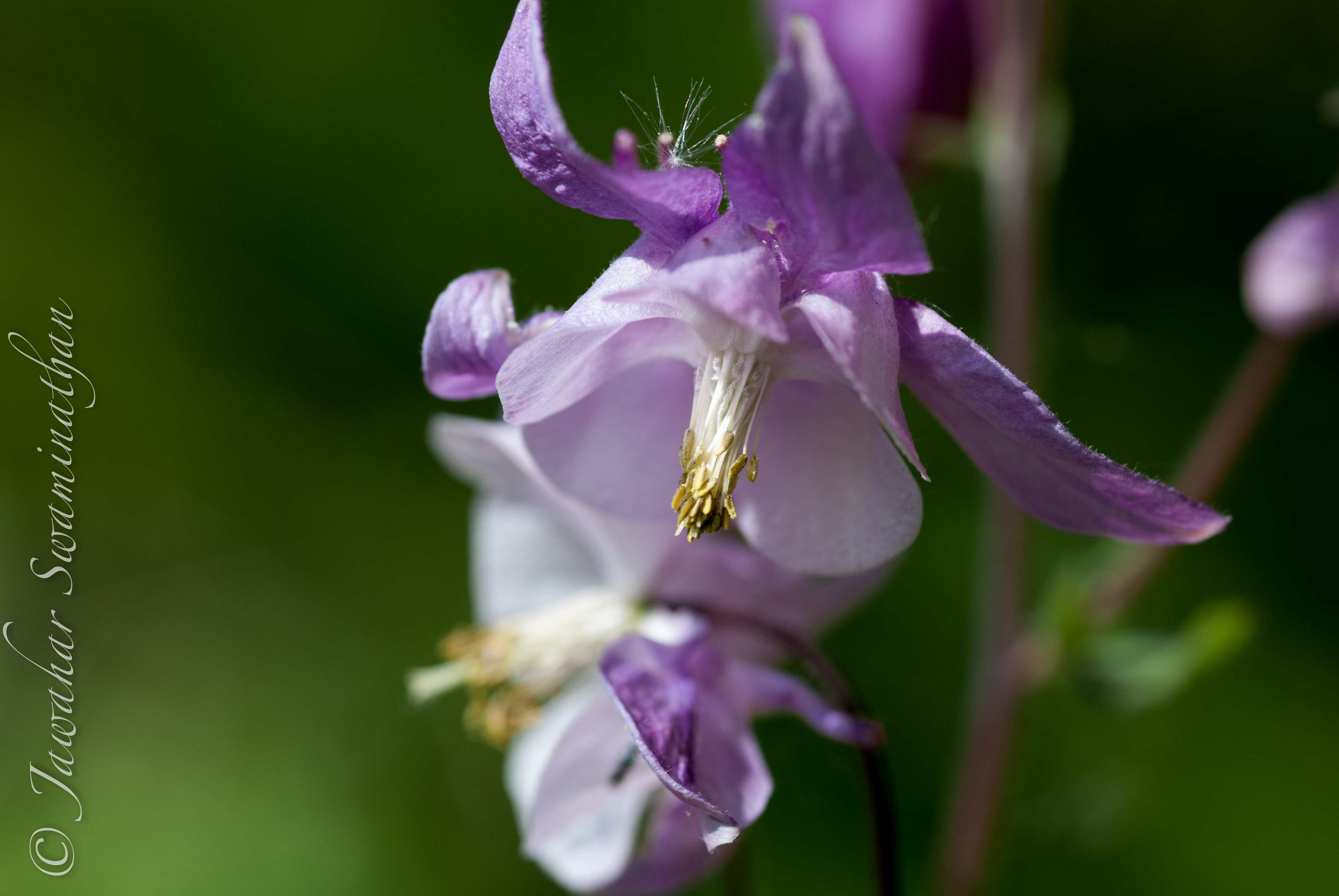
From earlier this summer (or whatever that passed for that term this year!). A few years ago I wouldn’t have known what Aquiligea was, but my knowledge of these plants has increased after the purchase of a few plants.
Apparently the name Aquilegia comes from the latin aquila, or eagles claw based on the shape of the petals.
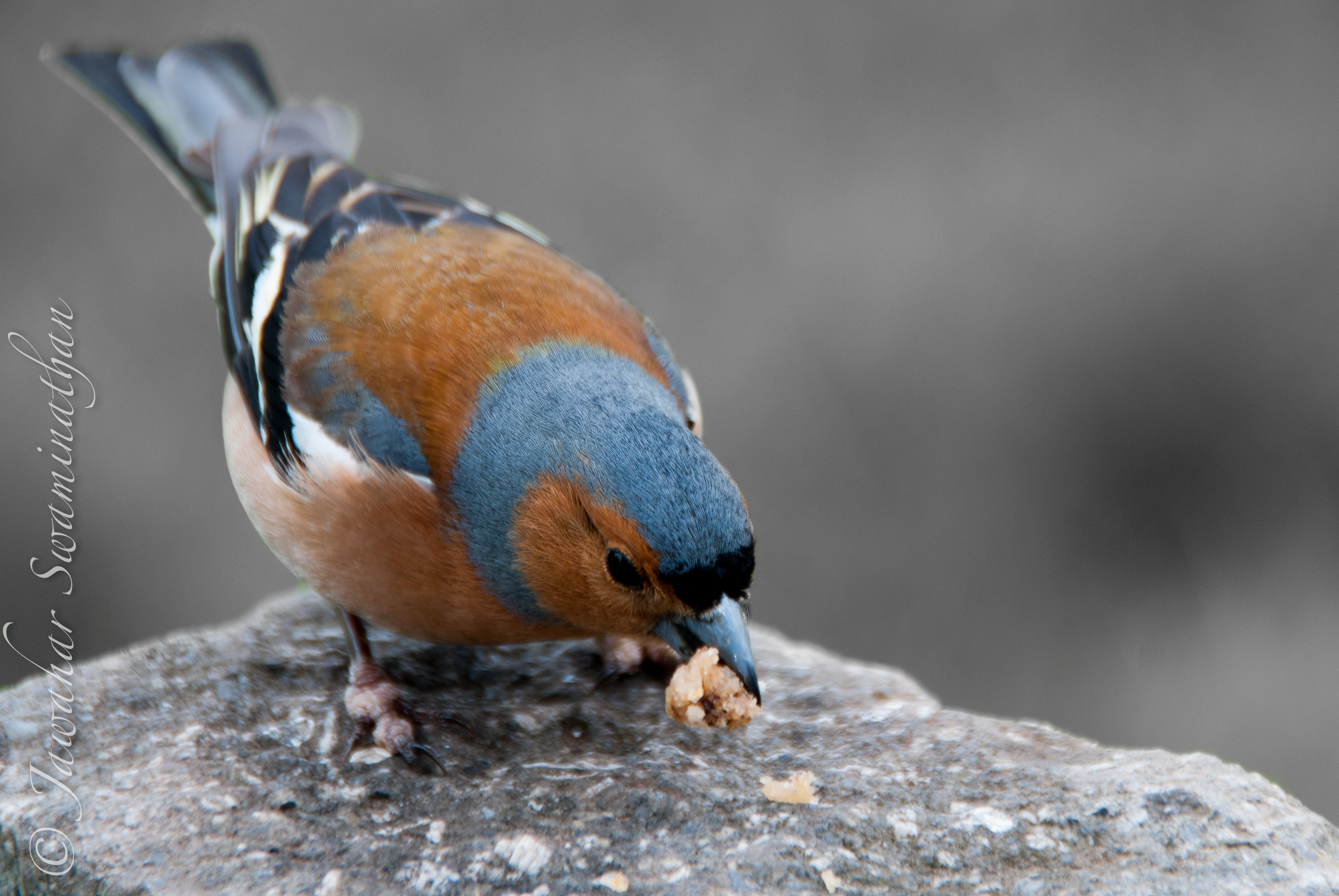
At the Brecon Beacons National Park in Wales, a male chaffinch showed great interest in carrot cake crumbs, appearing to within a foot of where we were sitting.
Chaffinches are common to the British Isles although reports suggest that their numbers are dwindling in suburban gardens and inner cities due to a loss of suitable nesting habitat.
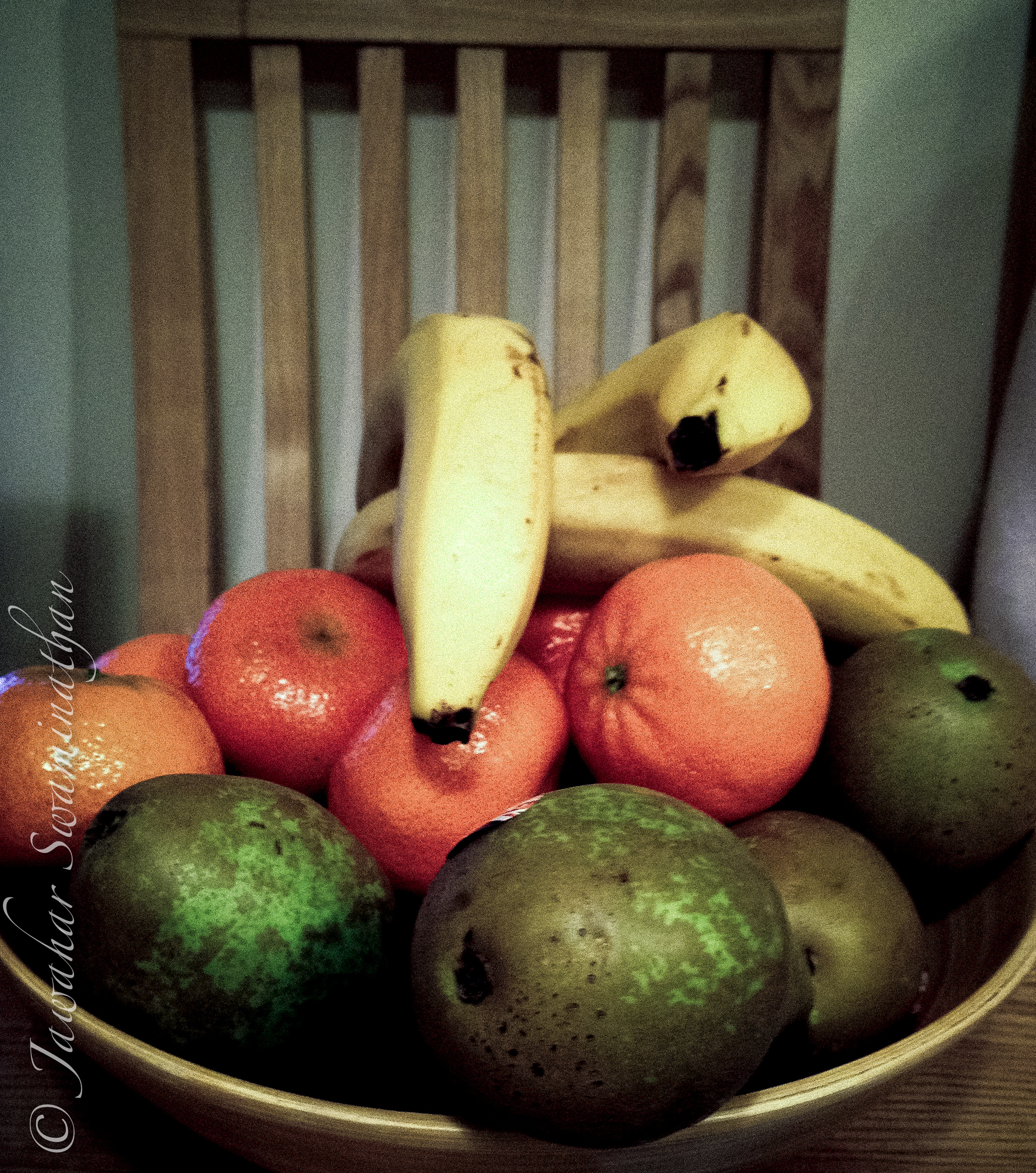
This is certainly not in the same rank as of Carvaggio (Basket of Fruit) or Fede Galizia!! Just a plain old bowl of fruit photographed using a iPhone 4S and then post-processed in Adobe LightRoom 4 to make the image look more stark.
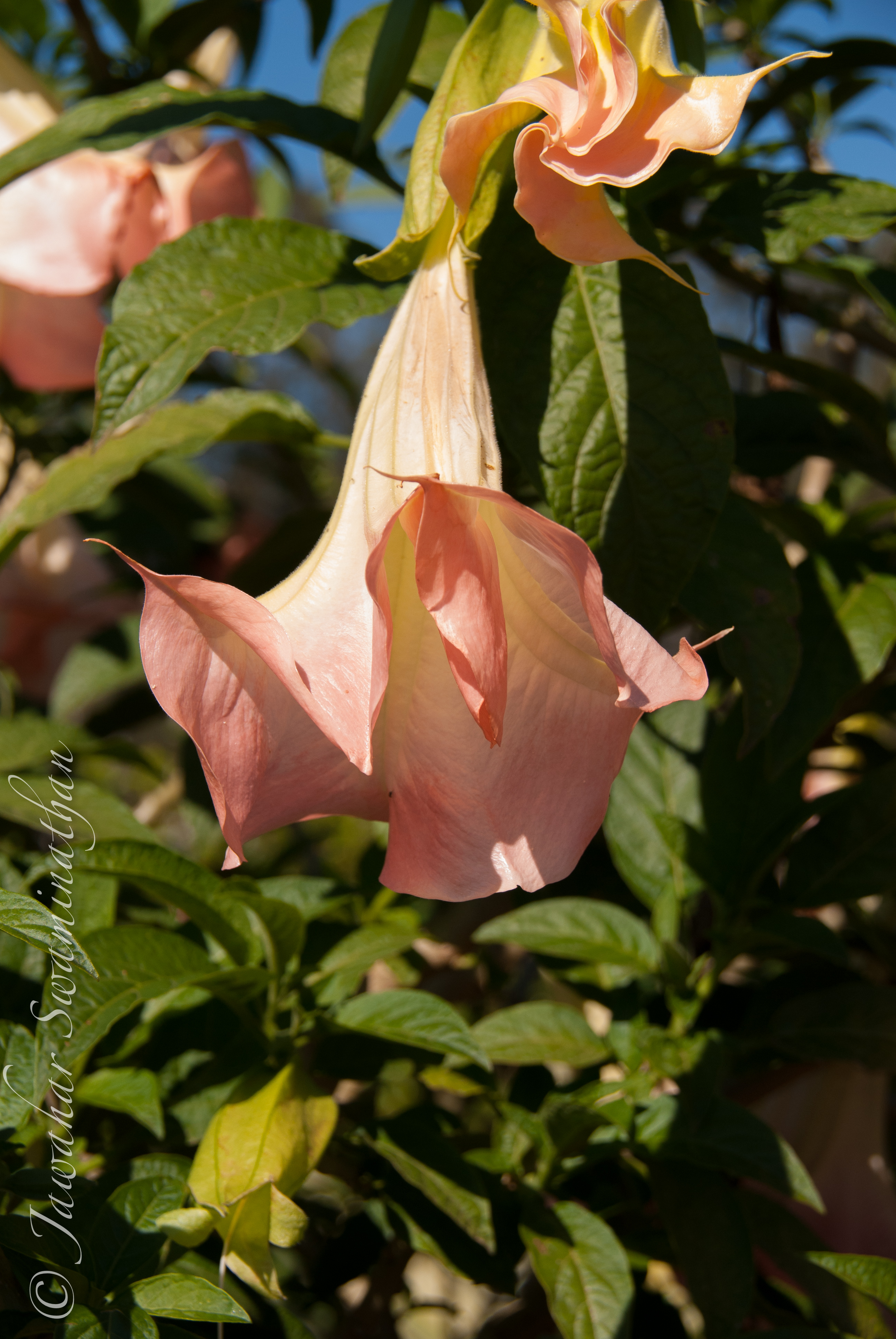
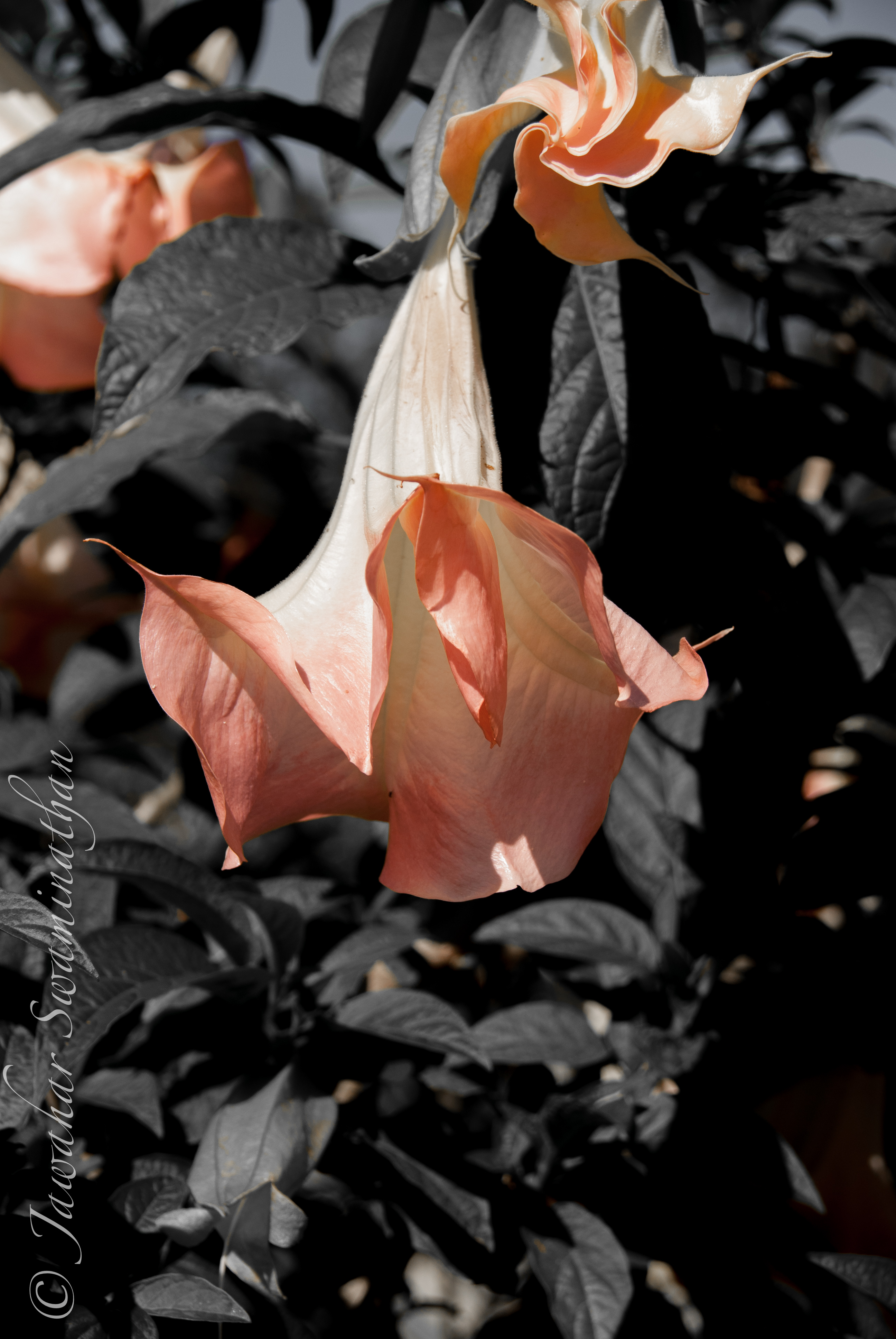
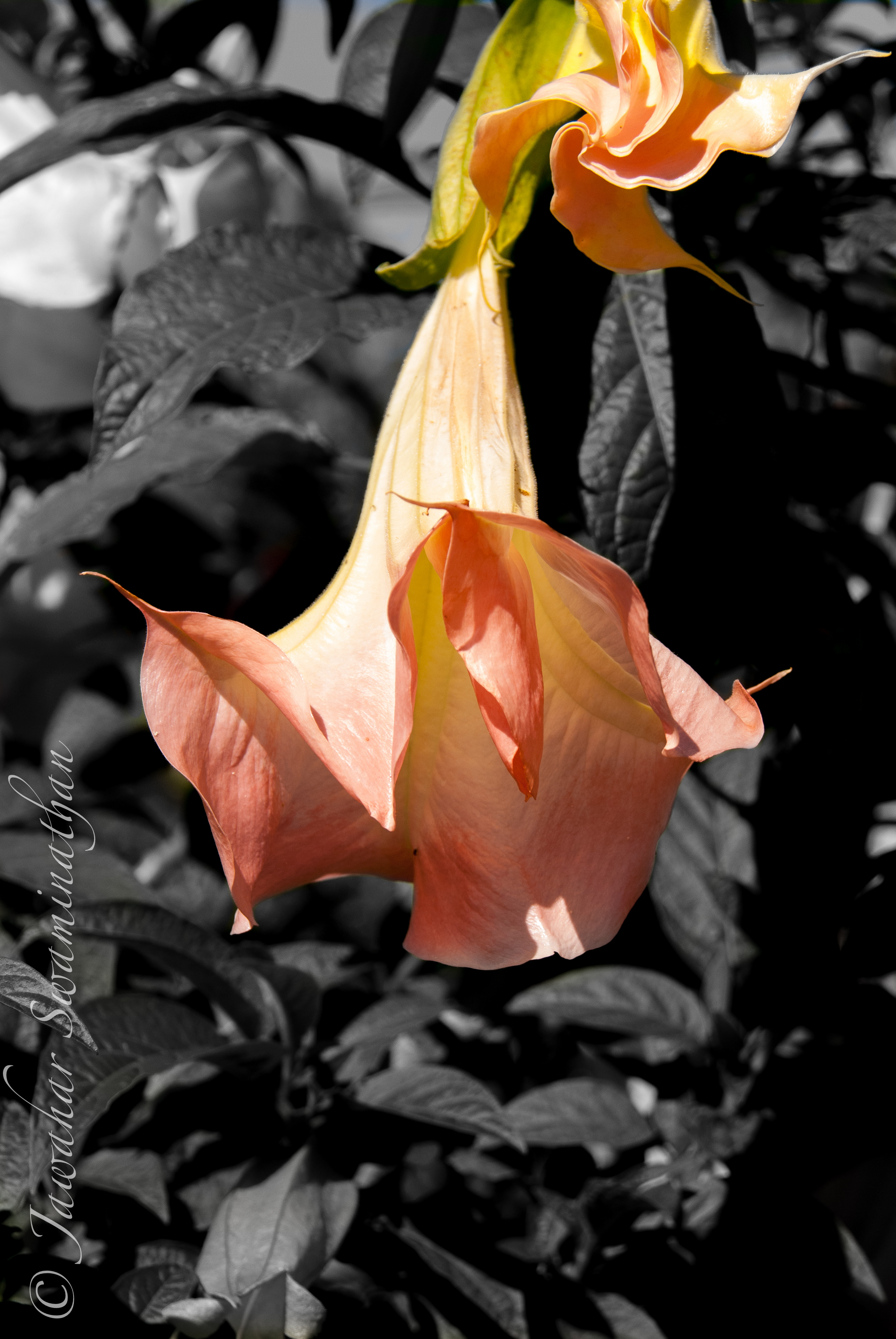
Do photographs look better when selectively colored? Selective coloring involves painfully desaturating a picture to leave only the portions that need highlighting. There are many ways to desaturate a photograph, and I use Adobe Lightroom adjustment brush to remove colour from portions of a picture. The pictures below show both the original picture and my selectively colored version. Which one do you prefer?
Original Image
One method of removing colors from a picture is by desaturating color groups. In the picture below, I removed all the greens, blues and yellow. This has the desired effect of making all the leaves and sky become monochrome while leaving just the flowers with color.
Removed greens, blues and yellow
The above makes the picture look a little artificial due to removal of the yellow-green components from the petals too, as well as with other flowers in the background showing through the foliage. I then attempted to use the adjustment brush to remove all color from the picture except for the two flowers in the foreground (as below).
Selectively colored
Personally I’m pleased with my selective desaturation as this brought out the vibrant colors of the flower, which were otherwise lost in the bright greens of the leaves and the blue of the sky.
Technical Details:Nikon D80 with Tamron 18-250mm f3.5/6.3 Lens
1/640 f/8.0 55mm
Location: Araku Valley, Visakhapatnam
Processed with Adobe Lightroom 4.1
The tourist board information on Borra Caves. Informative but written in a very funny style.
Travel from Visakhapatnam (about 90Km) takes around 3+ hours by road but a whopping 4+ hours by train. The train ride is scenic and includes more than 30 tunnels en route from Visakhapatnam.
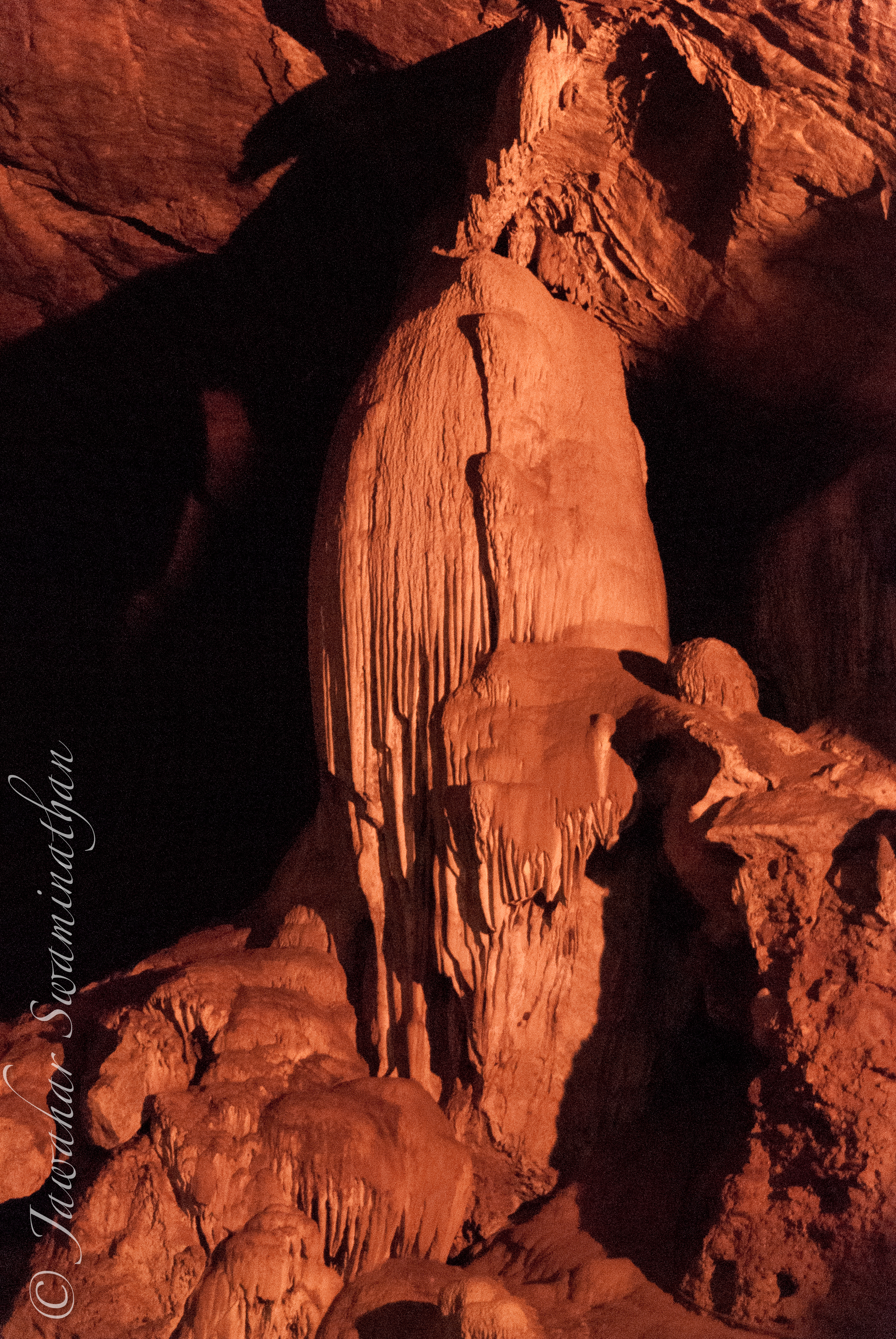
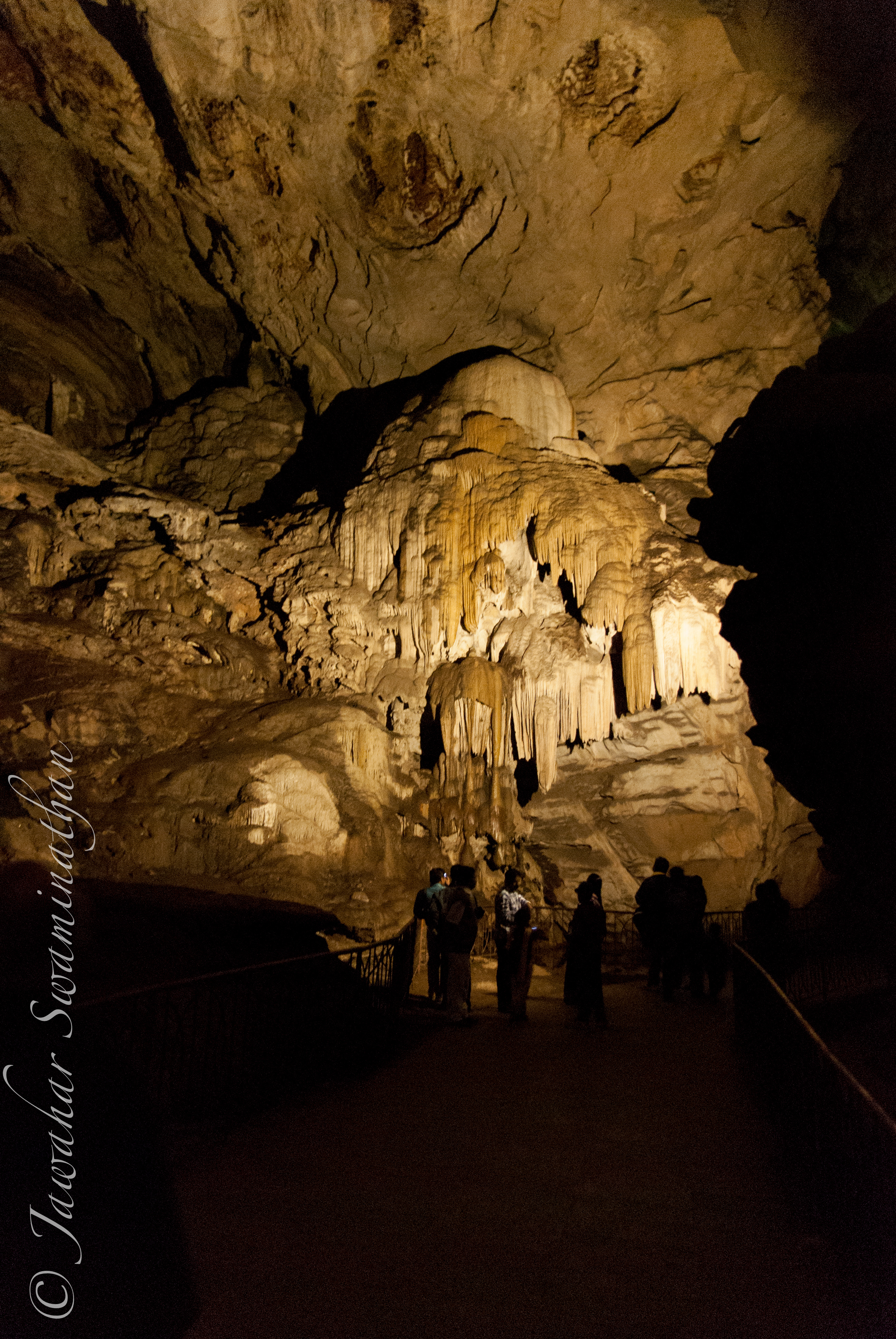
Stalagmites, Borra Caves
The lighting inside the cave brings out the beauty of the geological formations, but it was extremely difficult to set up a tripod due to the sheer number of visitors.
Stalactites, Borra Caves
The speleothems are still being formed inside these caves, and there is a constant drip of water from the roof of the caves. The picture below shows some of the drip points on the roof of the cave.
The speleothems features are many metres tall. Borra CavesDetail of speleothems. Borra Caves.Stalagmites, Borra cavesA feature that could easily be Lord Voldemort or the Evil Emperor Palpatine. Borra Caves
All said, a visit to Borra caves is highly recommended if you are anywhere close to Visakhapatnam. The natural beauty of the surrounding Araku valley, with its own distinctive coffee beans, and indigenous tribals, make this spot an ideal day trip.






 Juridicious