Dandelion – British Wildflowers

The earliest signs of spring in gardens and meadows around Britain are the appearance of these tough dandelions. They might be the scourge of the gardener but they do light up meadows with their bright yellow showy flowers. These dandelions were seen on a footpath along a field near Hinxton, Cambridgeshire.

Field dandelion.


The world didn’t end today!

The world hasn’t ended so far today and it seems unlikely to do so in the next 8 hours left (or maybe the Mayan Calendar was just crap to begin with)!! But if it does in the next 8 hours and 22 minutes, I wanted to leave you with a couple of pictures in what could be my last blog posting!!

DSC_0009

DSC_0011

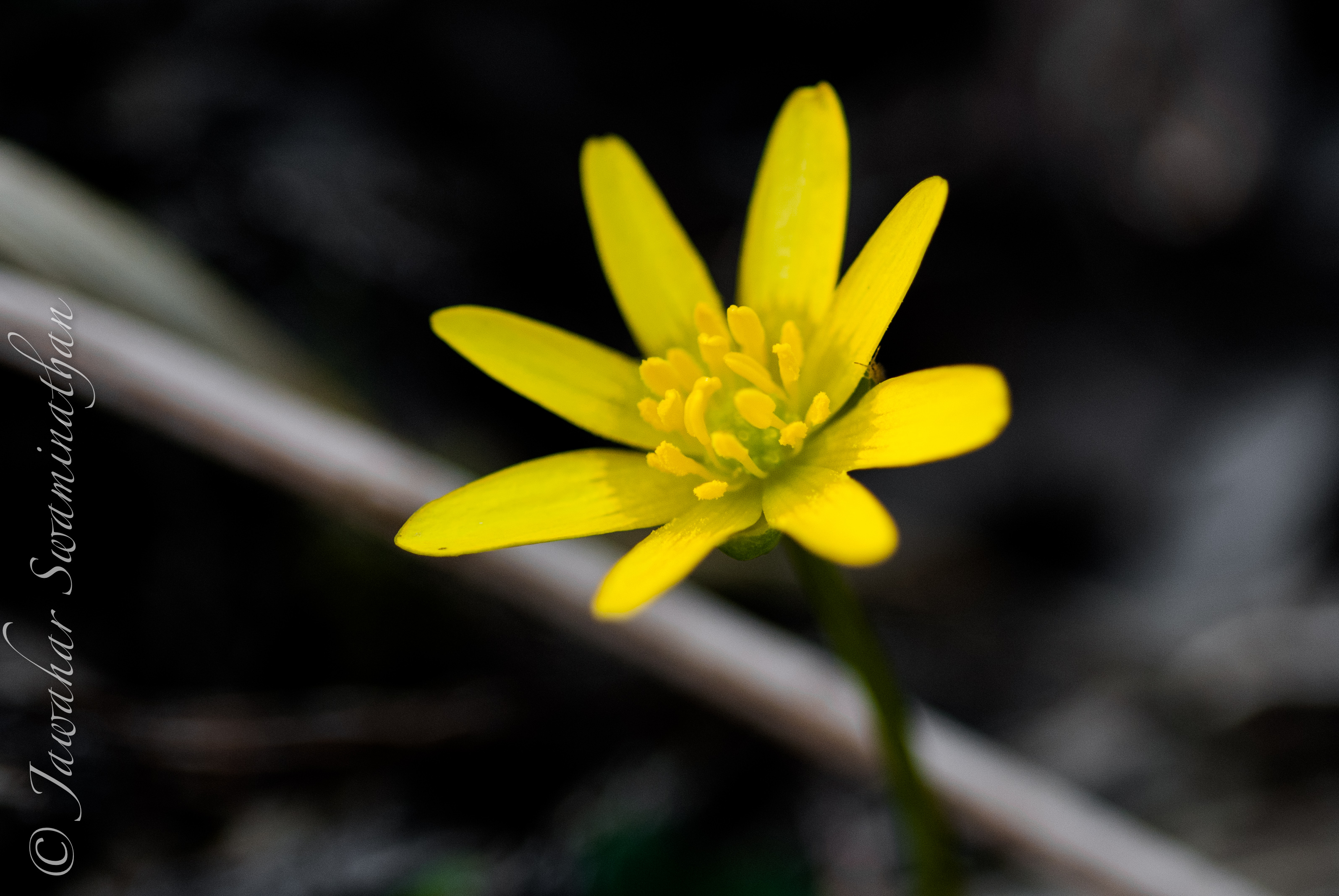
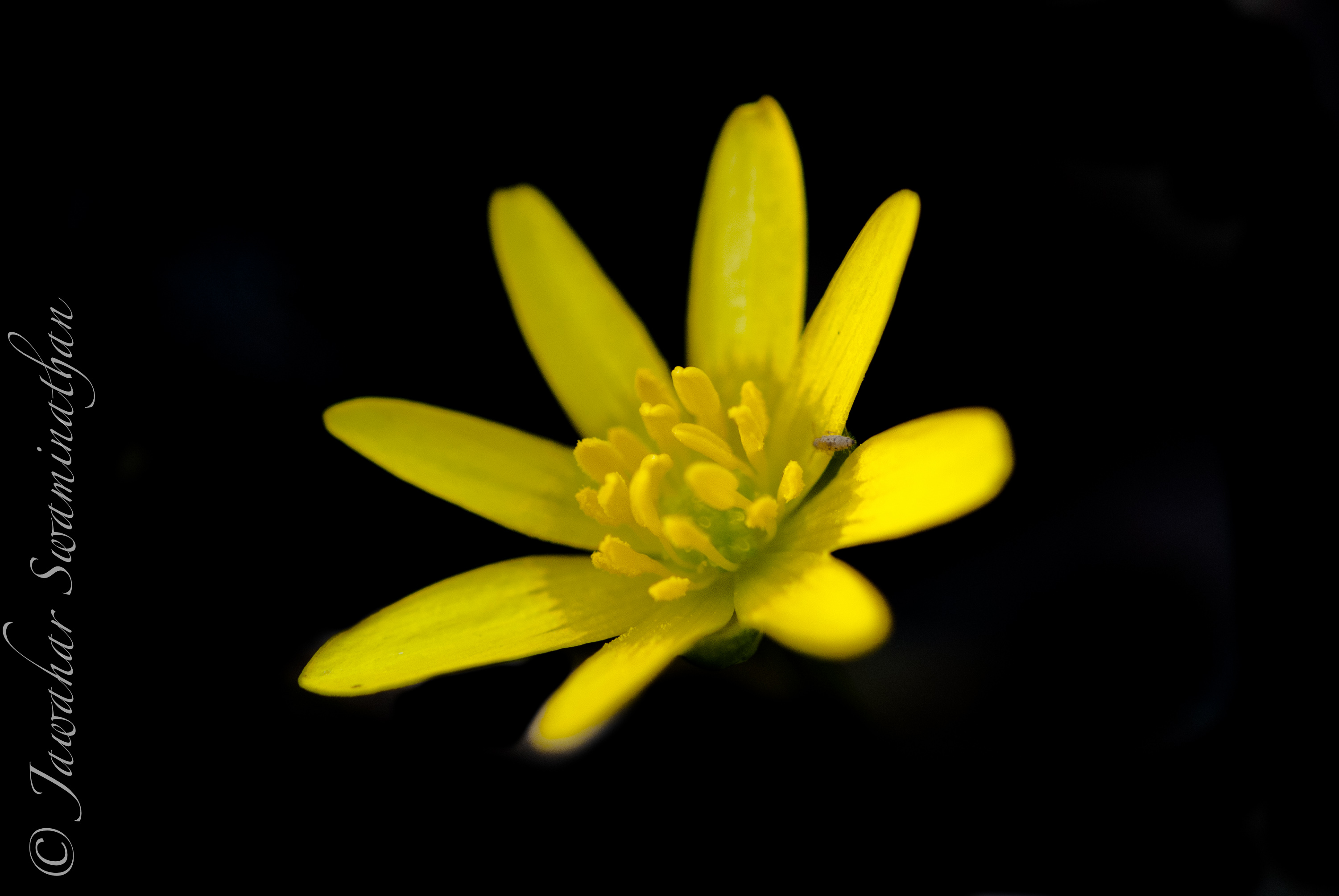
Did you spot the tiny spider in both the pictures on the middle-right of the picture? These flowers are those of the Lesser Celandine. Also known as pilewort since the plant was believed to be useful for the treatment of piles. Impressive knowledge to have if the world comes to an end.


Dog Rose – not just a rose for dogs!!

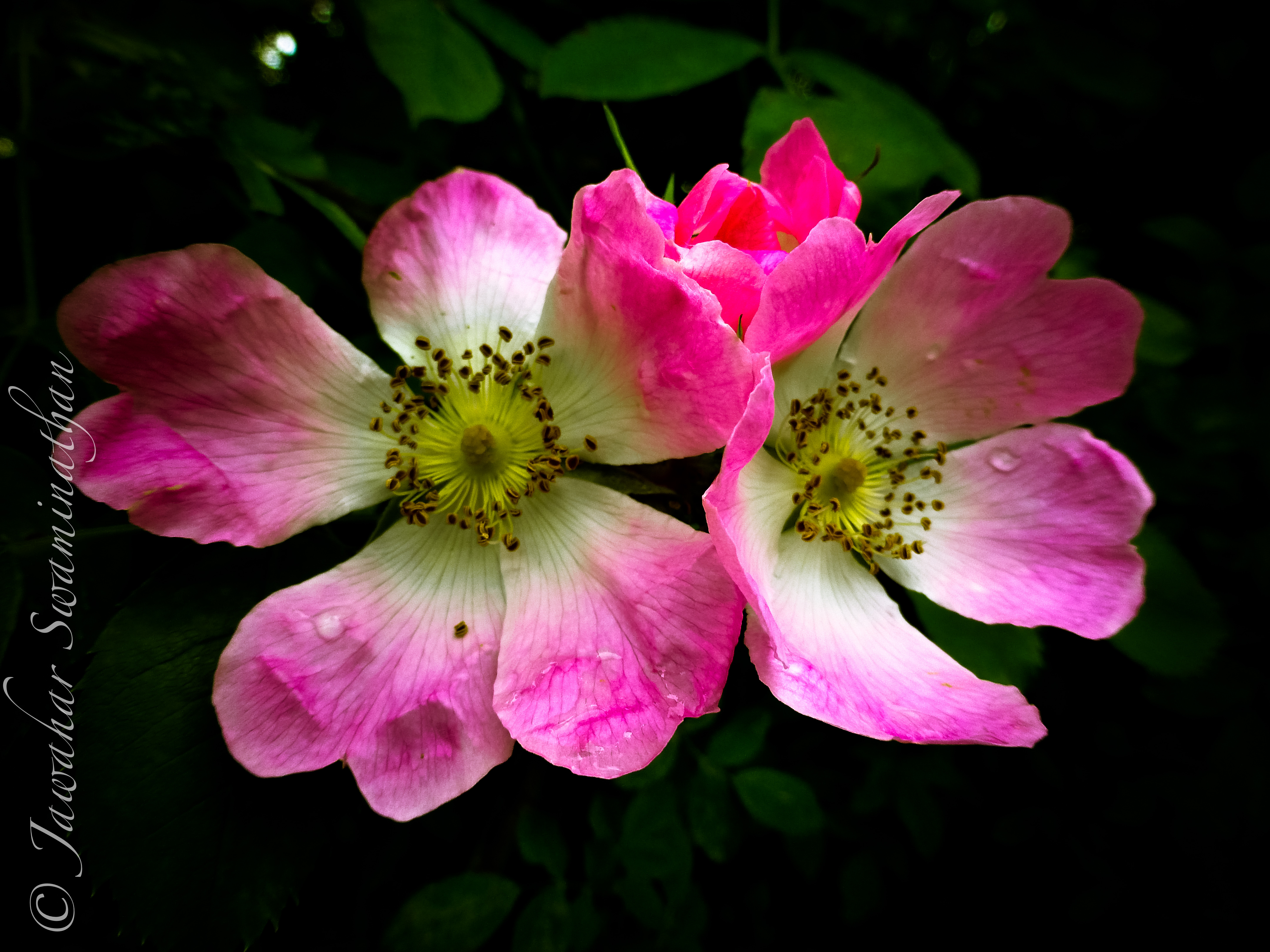
The name dog rose conjures up images either roses for dogs, or rose in the shape of dogs. This is neither! Dog rose or Rosa canina is a common species of climbing wild rose native to Europe.

P1010100

The seeds (hips) of this rose are very rich in vitamin C and used in the preparation of  rose-hip tea (see my post Hip Hip Rose). As for the name of this rose, Wikipedia lists two possibilities – common or worthless or as a treatment for the bite from rabid dogs. I think the former is more likely etymology for this plant as it is genuinely common along hedgerows in England. The flowers are pink, have little or no fragrance.

Photographed on one of my summer walks using a Panasonic TZ30 compact camera.


Dandelion – A gardeners nightmare or cooks delight?

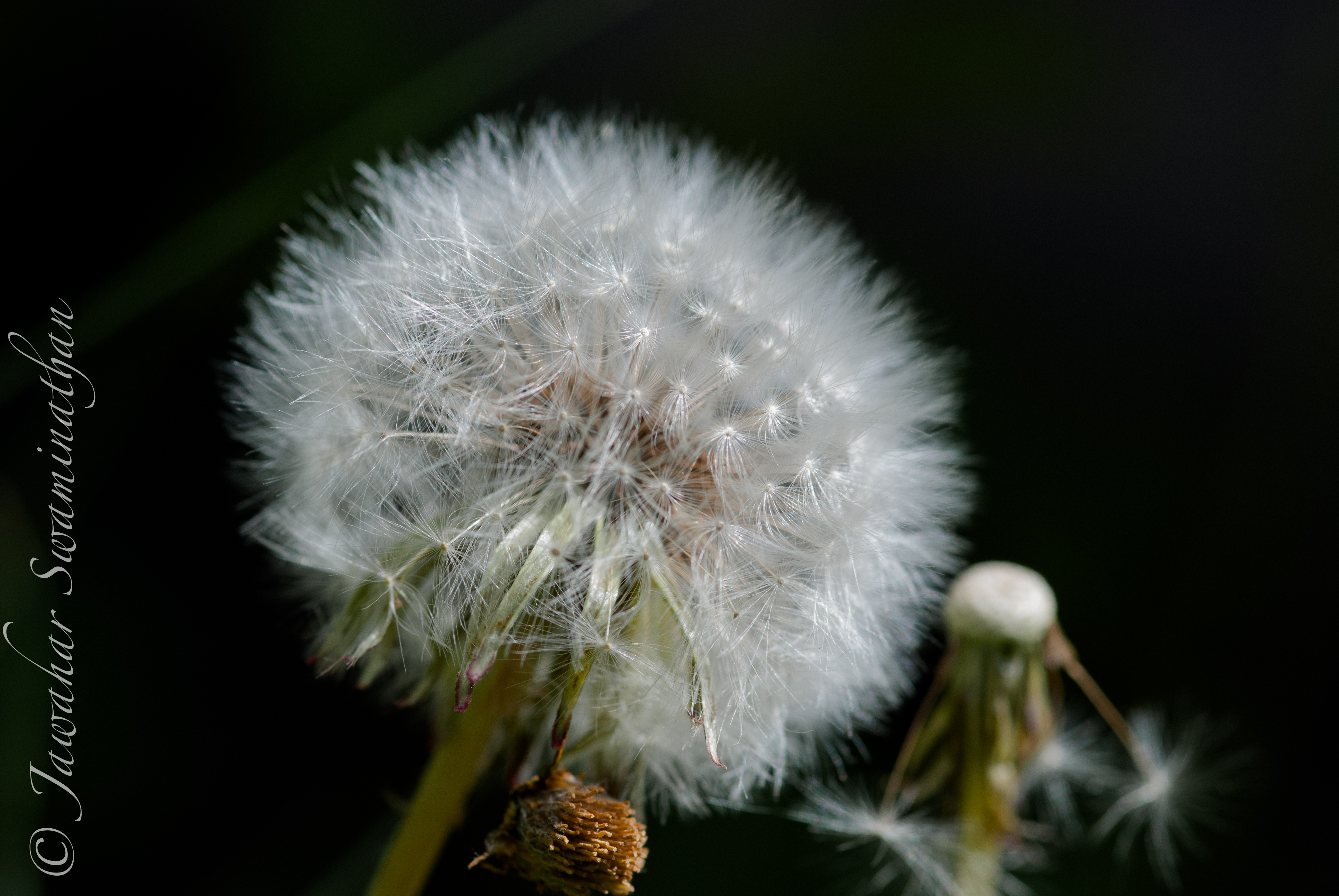
Mention Dandelion to any gardener who loves their lawns and they will tell you a few stories about how difficult these plants are to get rid of, and how pernicious these weeds can be. Dandelions belong to the Taraxacum genus of the family Asteraceae and found in most of Europe and North America. They tend to have leaves that are flat and close to the ground and produce bright yellow flowers throughout late spring and summer. Whilst the flowers tend to brighten up any wasteland, they also grow happily between grass in lawns. Due to their low habit, they avoid being cut down by standard lawn mowers. Every plant produces a beautiful spherical head of winged seeds that easily disperse in the wind (see below).

araxacum officinale
Taraxacum officinale

The recent series of television (Masterchef: The Professionals) had a cook James Burton using Dandelion roots in cooking! Till that time I’d no idea that these plants were edible, so used as I was to zap them with weed killer on first sight. Reading up a little more on these plants, it turns out that the dandelion leaves are an excellent source of iron and calcium (more than spinach)!

So the next time I see these growing in my garden (which I’m sure I will), I’ll be reaching out for a recipe book and not my glyphosate containing weed killer!

British Wildflowers – Scarlet Pimpernel

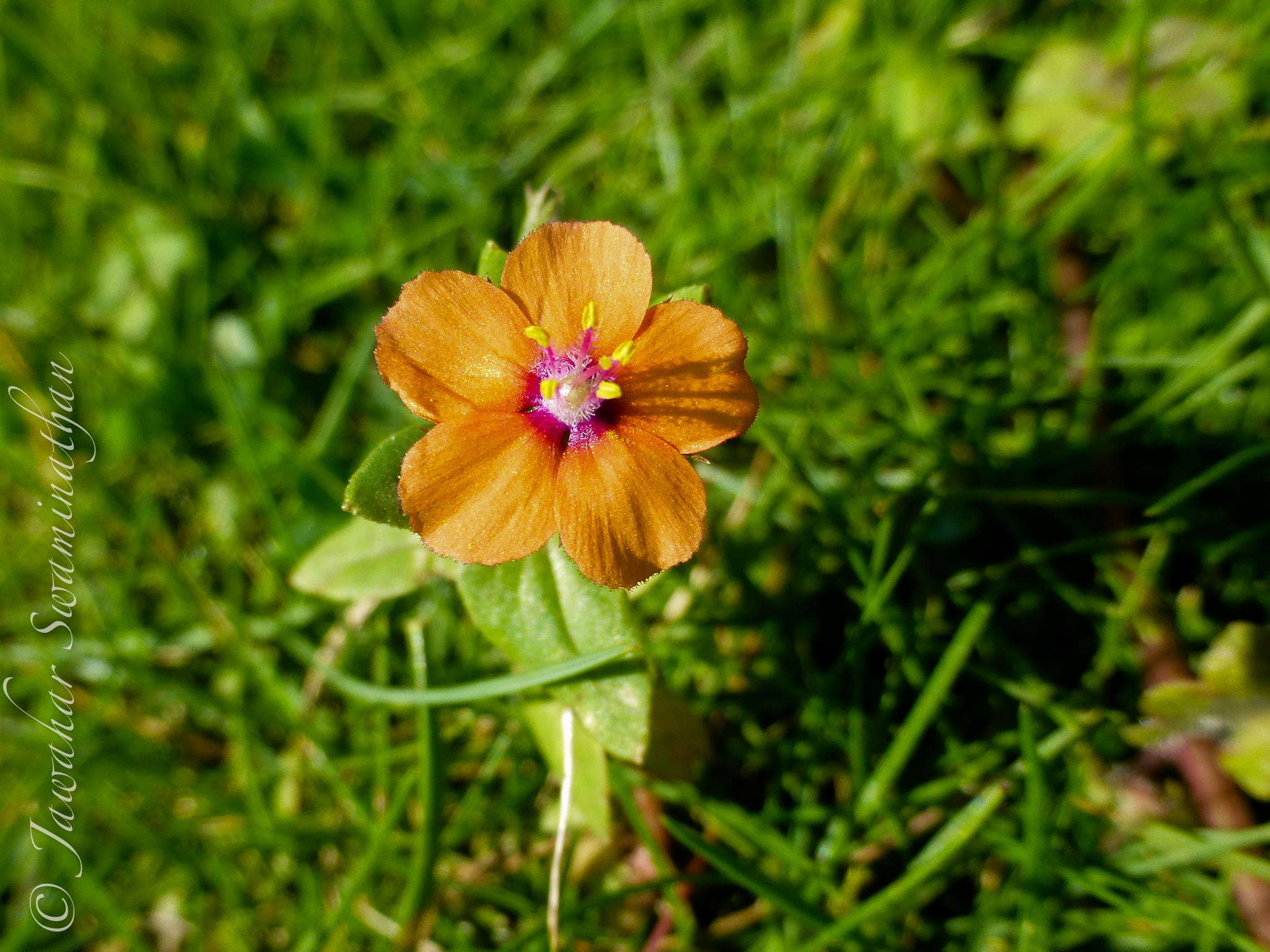
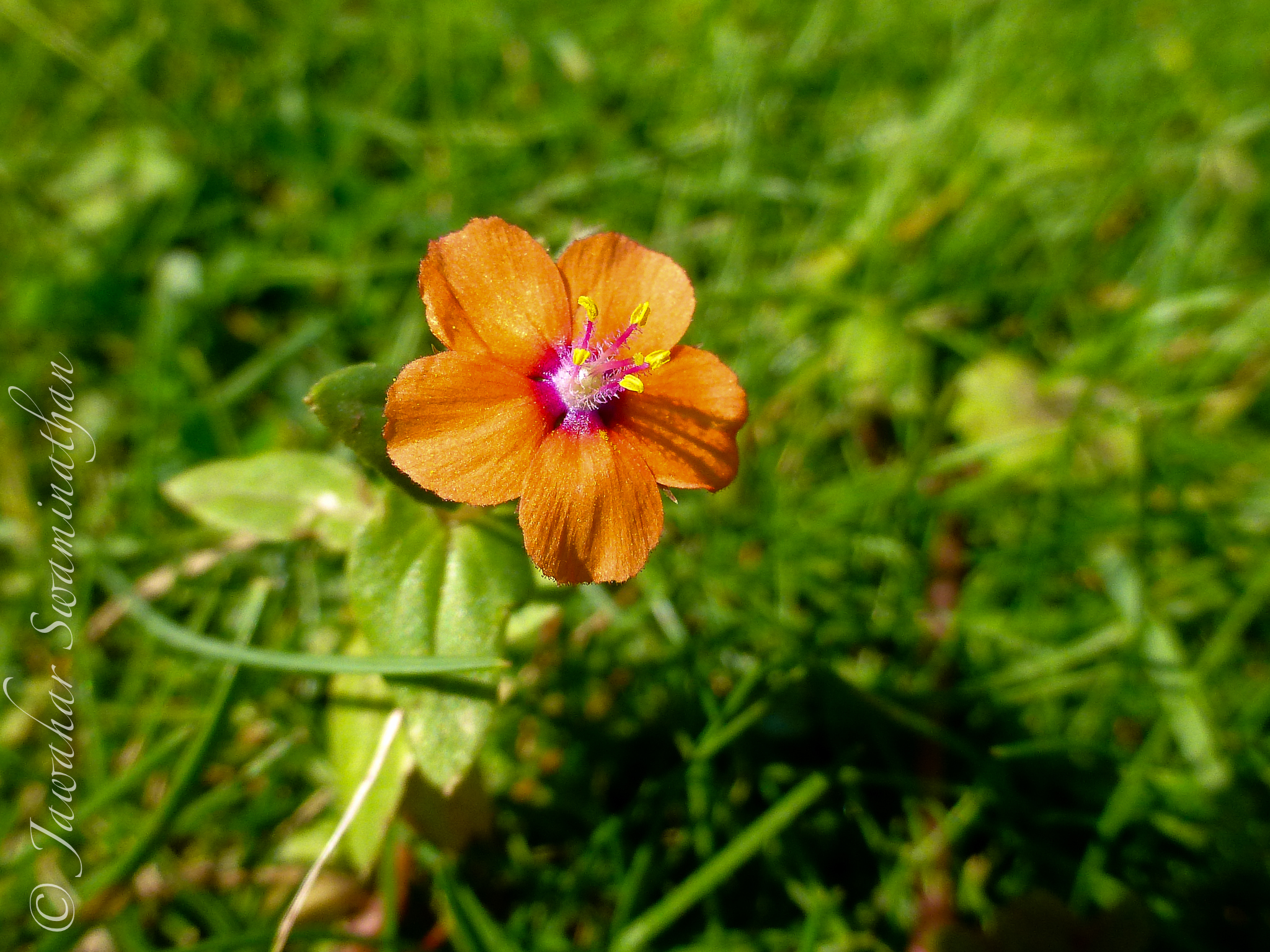
Scarlet pimpernel – a small flower with a big and famous name. A low sprawling plant with bright red flowers about 10mm across. All parts of the plant are poisonous and contain glucopyranoside cucurbitacins (Arvenins I to IV). Consumption can cause stomach upsets, trembling and kidney damage. (Source: Wildflowerfinder.org.uk).

Scarlet pimpernel (Anagallis arvensis): picture taken with a Panasonic TZ30 Camera
Scarlet pimpernel: Picture taken with a Panasonic TZ30 camera

For more information, please see: http://wildflowerfinder.org.uk/Flowers/P/Pimpernel(Scarlet)/Pimpernel(Scarlet).htm

British Wildflowers – Great Mullein


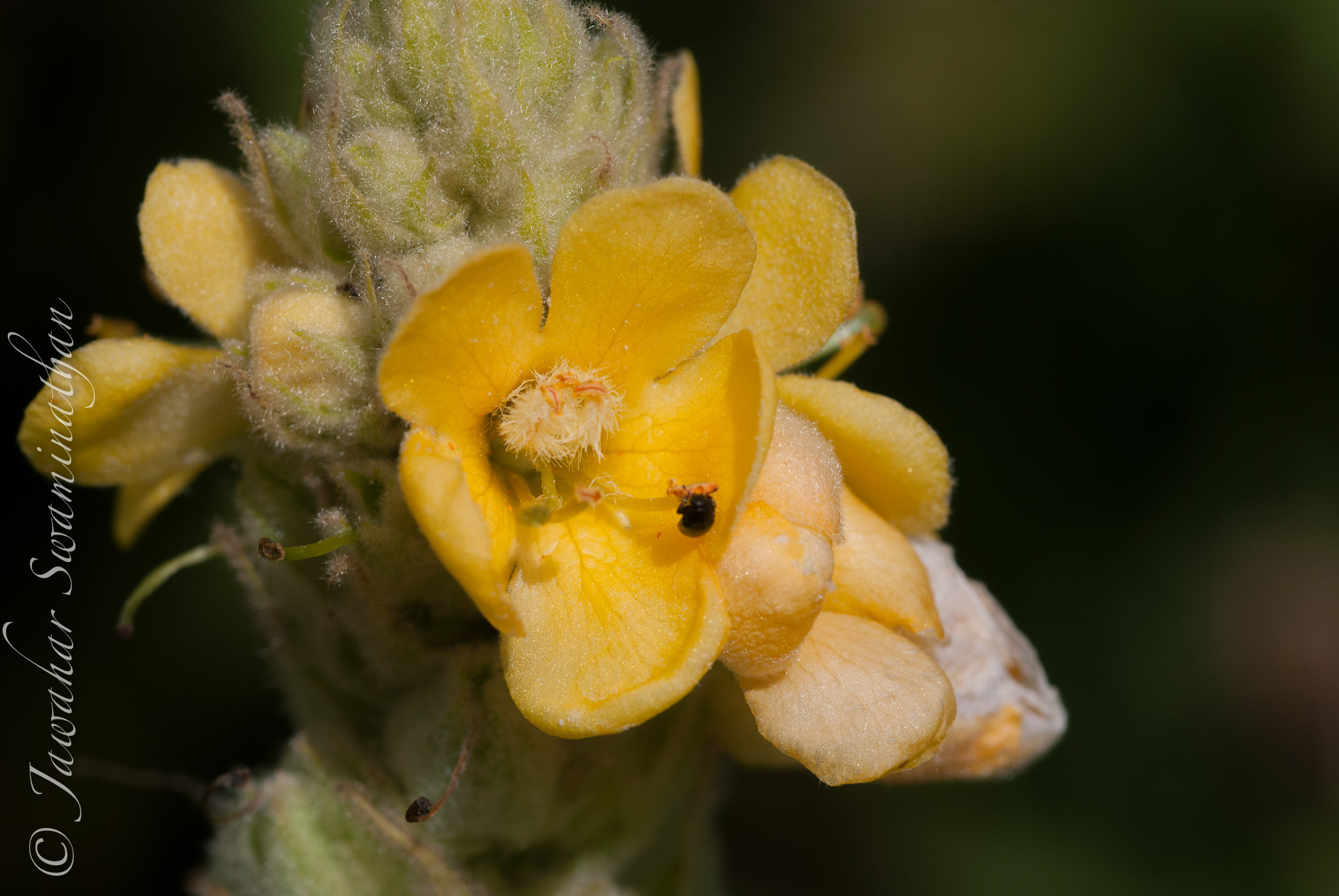
Great mullein (Verbascum thapsus) is a robust, upright plant that is covered with thick white woolly hairs. It is commonly found in grassland, and verges. The flowers are produced on an upright stalk and are usually bright yellow in colour.

Great mullein (Verbascum thapsus) – a member of the figwort family of plants.

Related Posts:


British Wildflowers – Birds-Foot Trefoil

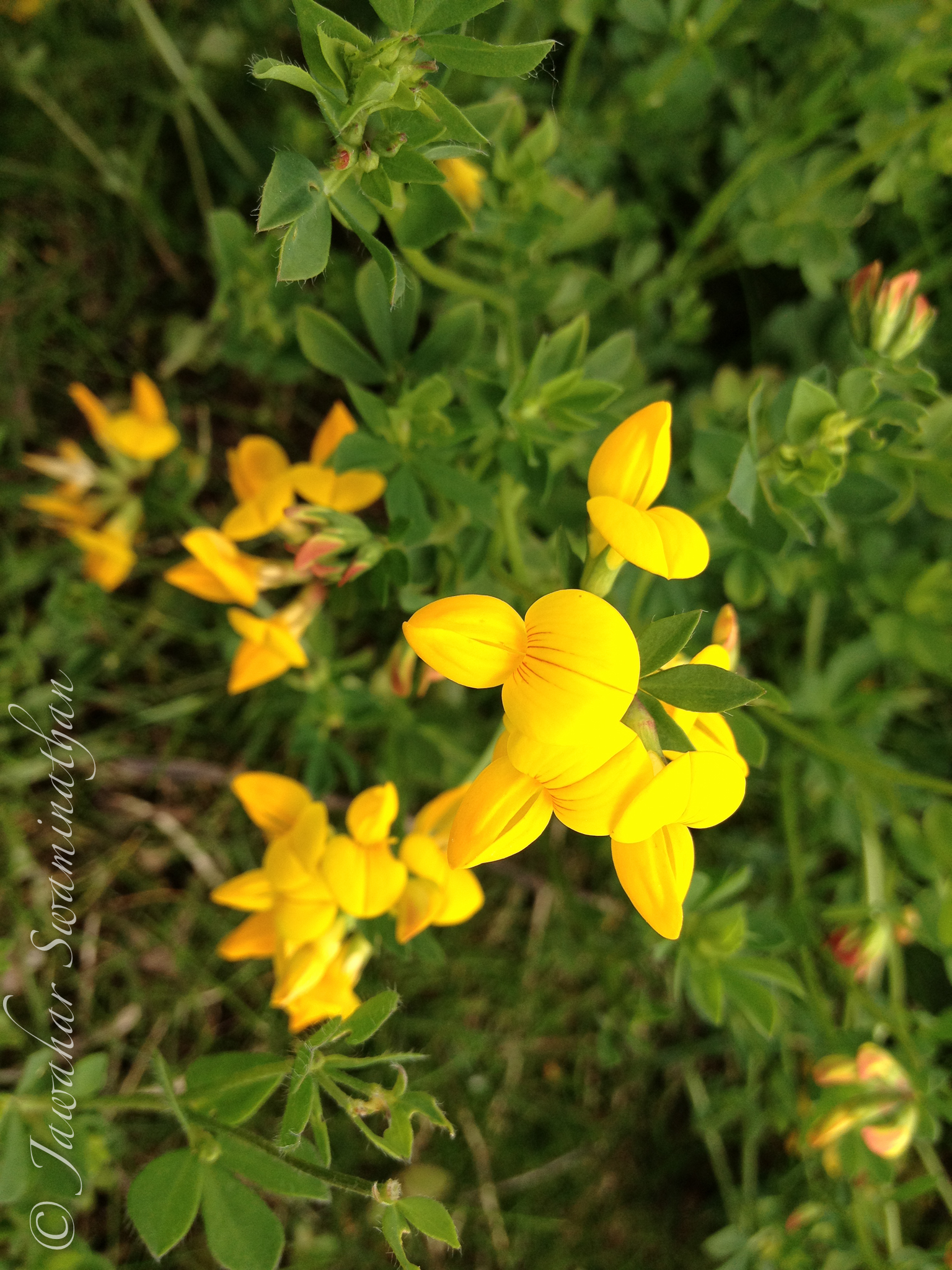
A common sight in British grasslands and meadows. In high season, whole fields seem coated in yellow.  These plants, also called Lotus corniculatus, belong to the same family as the pea.

Common Bird’s-foot trefoil
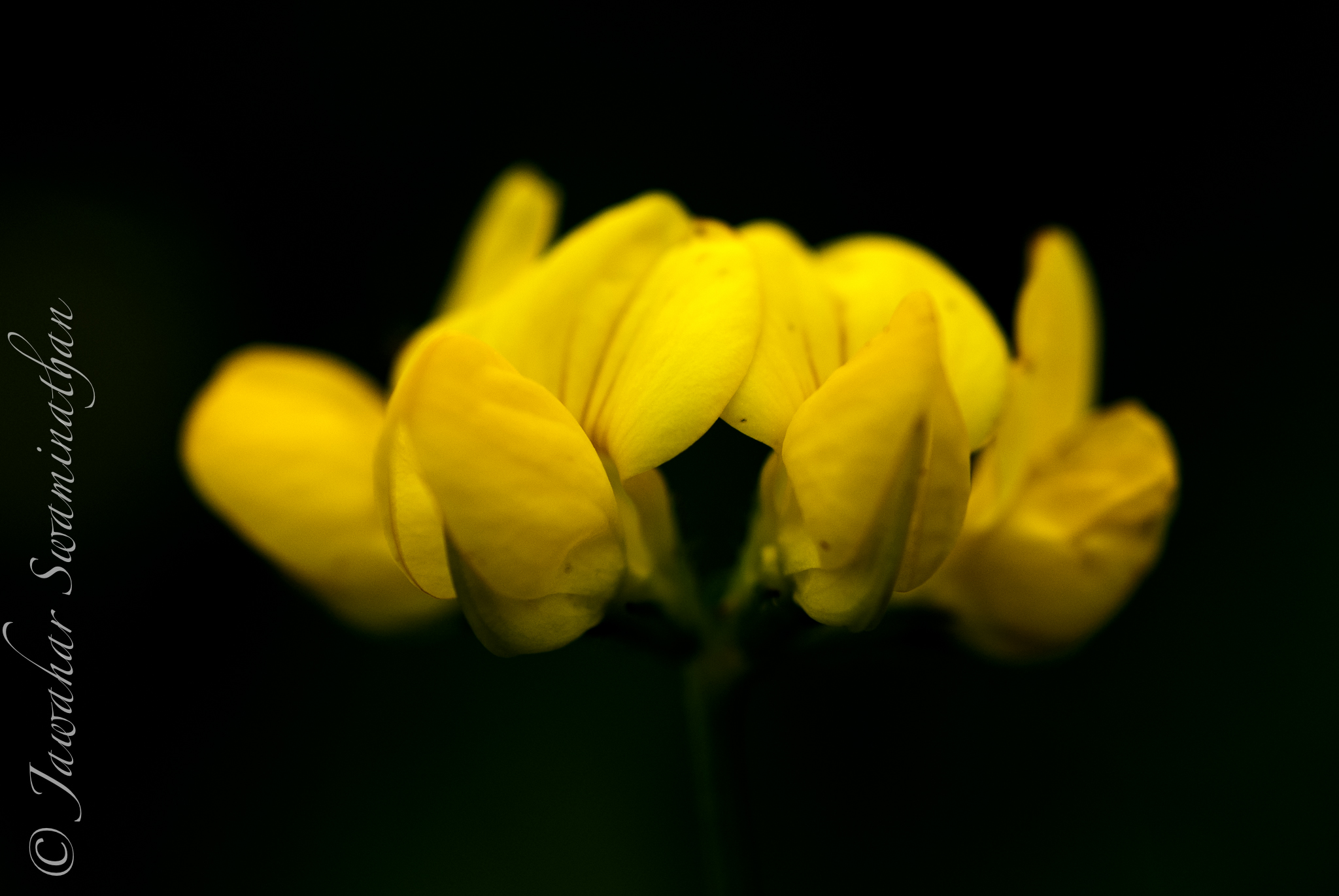
Macro-view of Common Bird’s-foot trefoil flowers.

Related Posts:

British Wild Flowers – Thistles

Following on from my earlier post on wildflowers in the United Kingdom, here are the thistles.

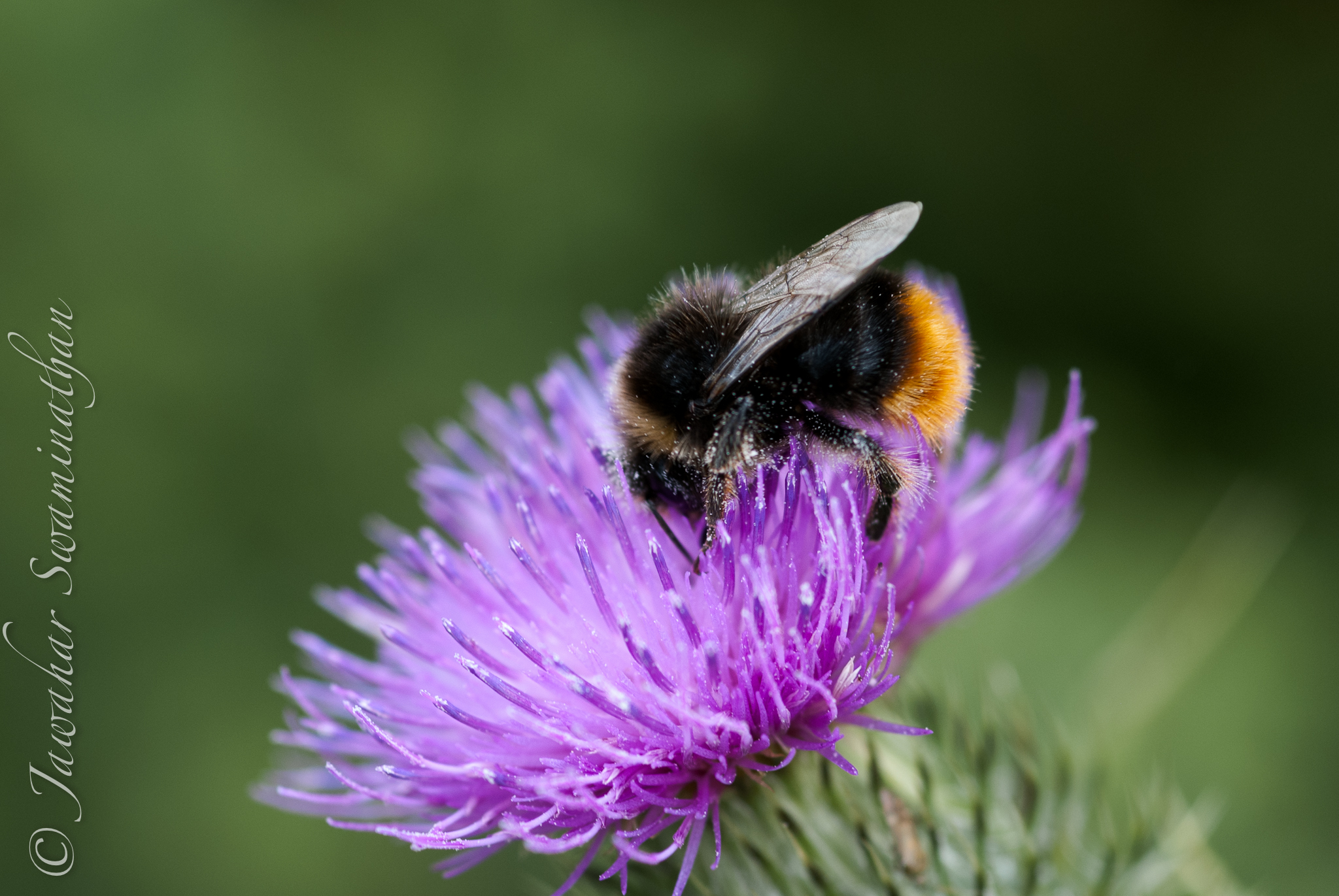
Spear Thistle (Cirsium vulgare) – a common variety of thistle in the UK, being visited by a bumblebee
Greater Knapweed (Centaurea scabiosa) – invaluable to bees and butterflies. South and East England
Creeping Thistle (Cirsium arvense) – common throughout Europe.

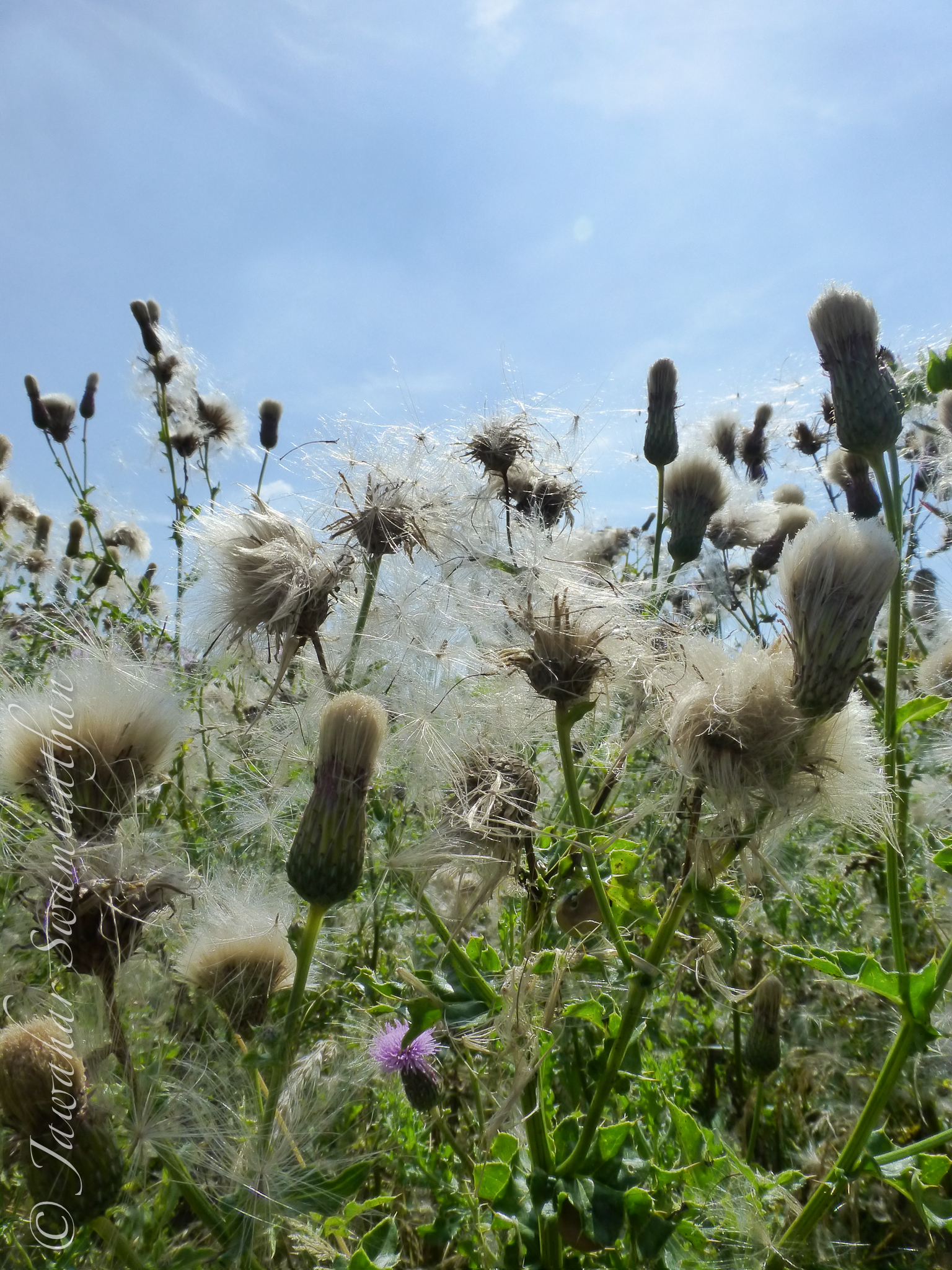
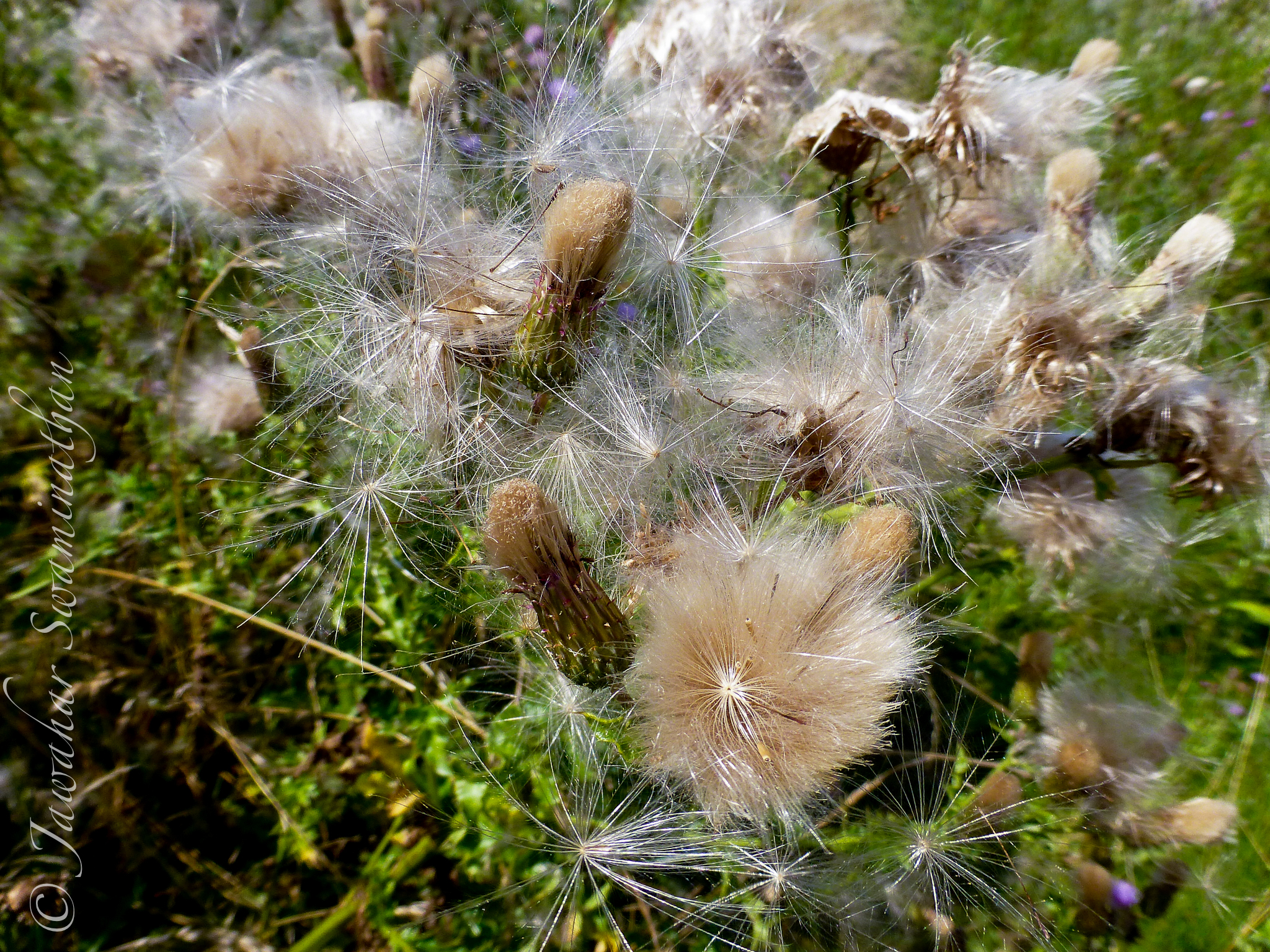
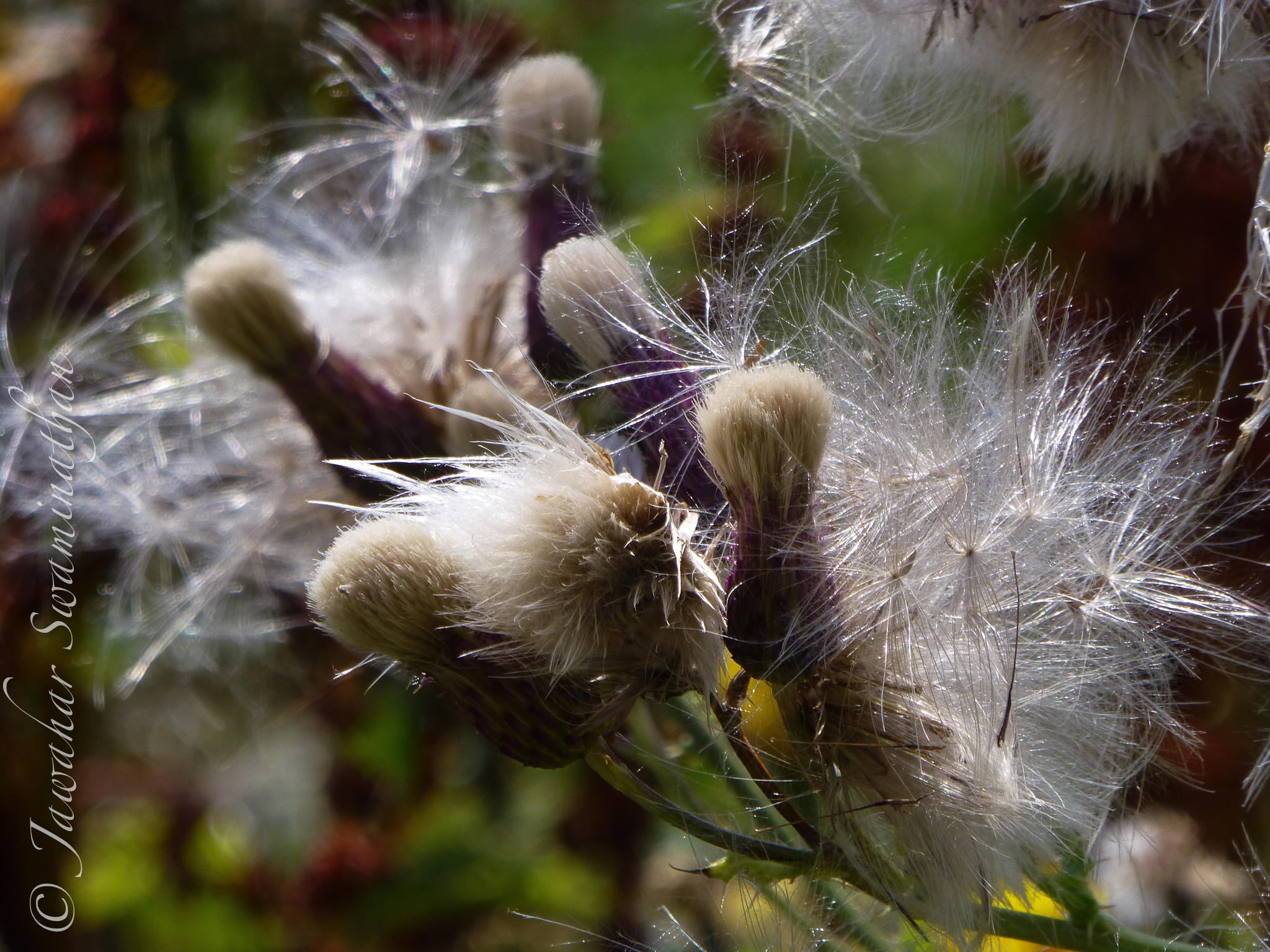
Creeping thistle seeds – silky feathers that carry the seeds long distances in the wind.

Click on any of the pictures above to see a full-size image. I hope you like the post and the pictures. I welcome your comments.

Related Post: http://juridicious.com/2012/08/08/british-wild-flowers/trackback/