Vilnius by night

Taking photographs after sunset using only natural (or artificial light) brings out features that are seldom seen during the day time. The photograph below is from Vilnius at the Gediminas castle tower.
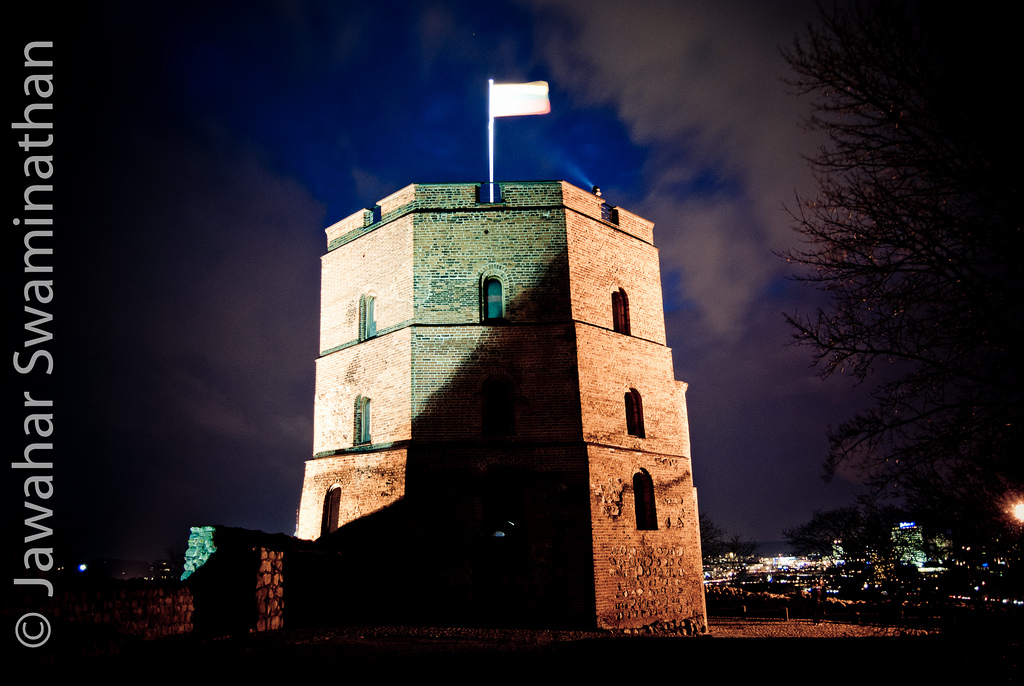
Gediminas Castle Tower - Vilnius, Lithuania

Dating to the 13th century, the Gediminas castle was rebuilt in 1419 by Grand Duke Vytautas after the great fire of Vilnius. During the 1655 – 1661 Russian occupation the castle towers and defensive walls were completely ruined and only in 1930 was any attempt made to restore the castle. The castle towers over central Vilnius and is accessible by a short climb or by a funicular (which, when I was there, was out-of-order).

Exposure: 3 seconds, f/3.5 ISO200, Nikon D80.
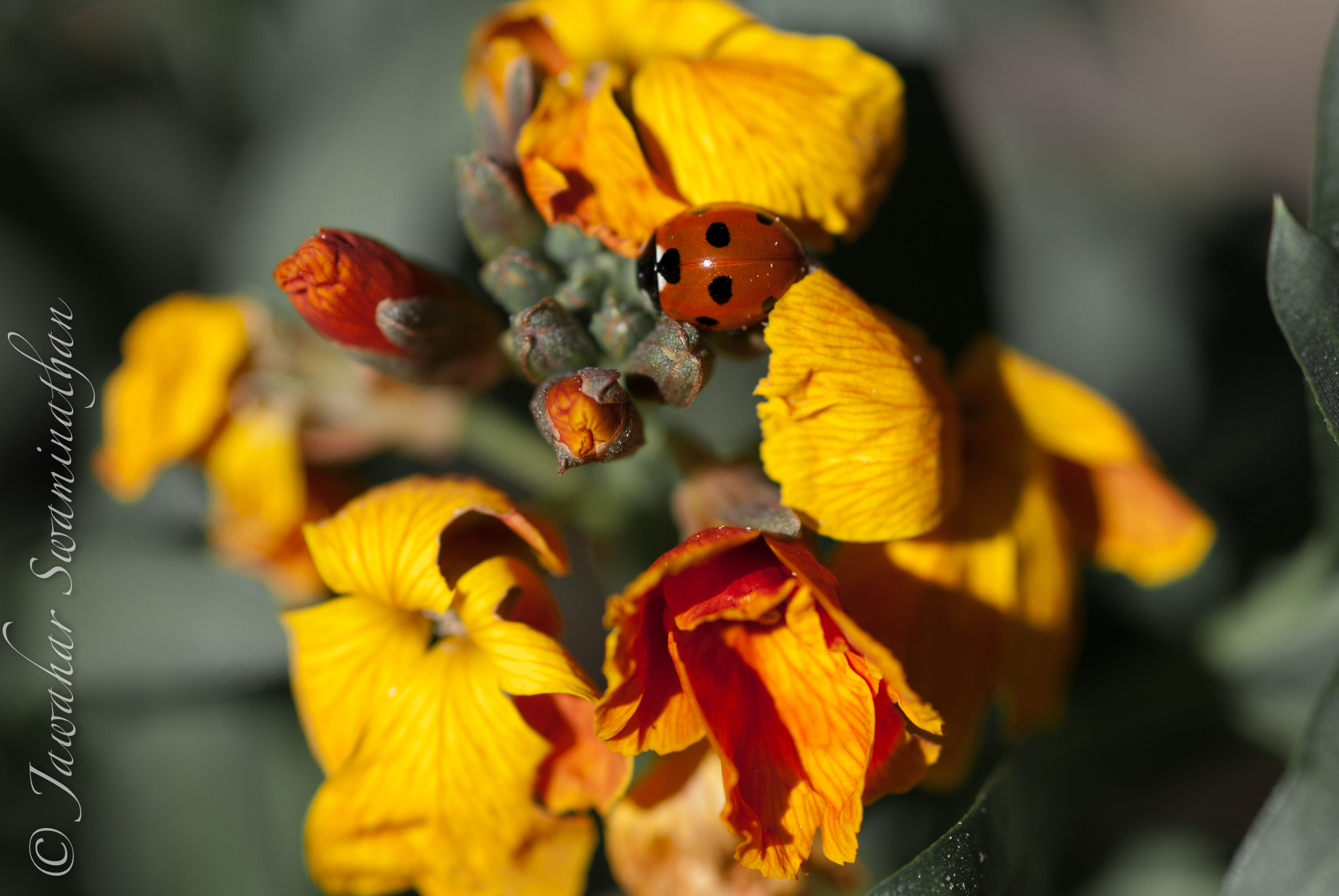
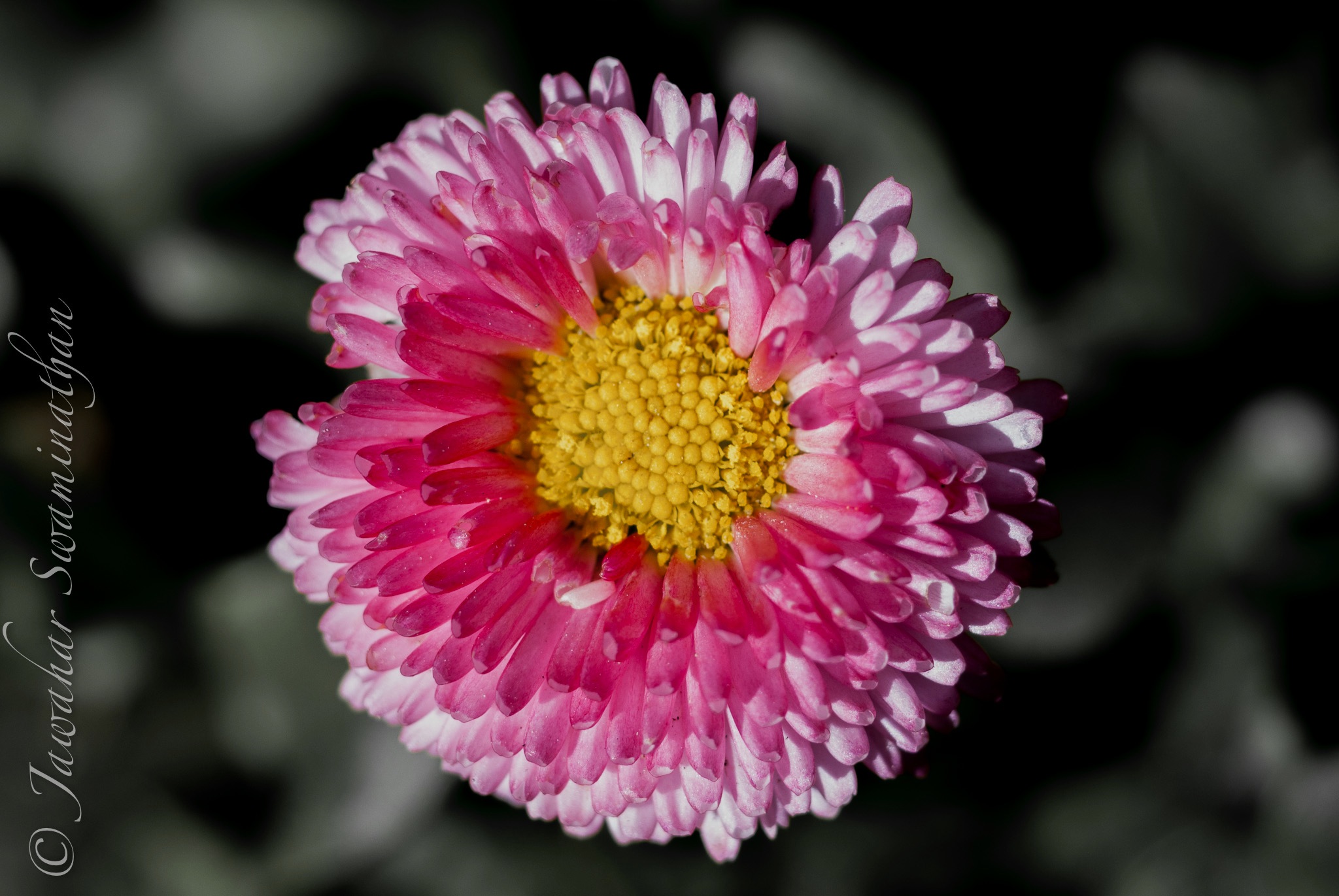
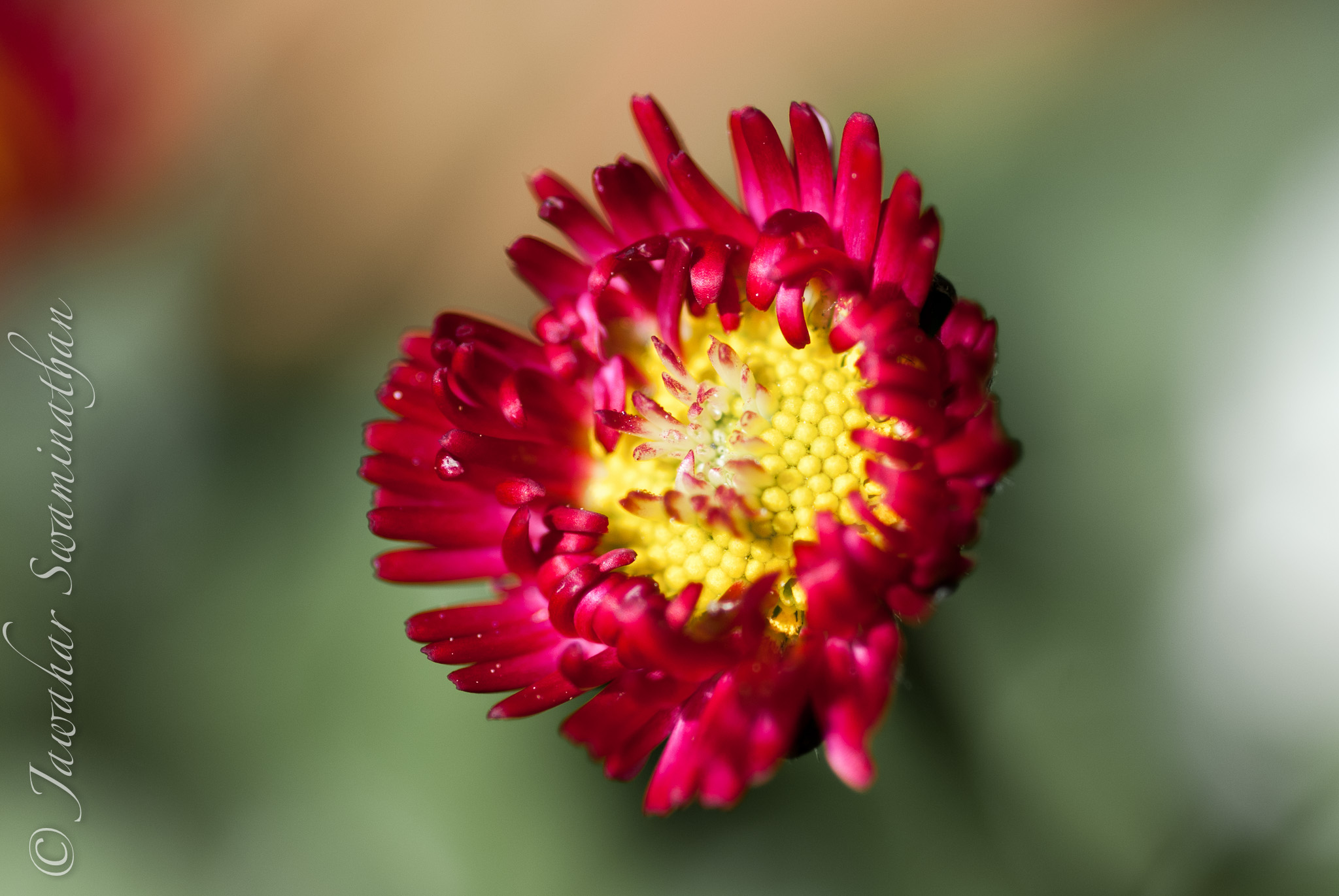
Bellis – A short etymology

Bellis is the scientific name for a family of plants that include the common daisy. The latter derives its name from the saxon word “days eye” which describes the opening of the petals to show the bright yellow centre (eye) in the mornings, to closing them at dusk. The expression “fresh as a daisy” derives from the fact that the flower appears fresh and rested every morning.

One legend has it that the Bellis is named after a nymph or dryad called Belides. According to legend, Belides was dancing in the woods with her lover Ephigeus, and attracted the unwanted attention of Vertumnus, the god of seasons, gardens, fruits and orchards. In order to avoid Vertumnus and protect her lover Ephigeus, she turned herself into the flower we know as the daisy.

Bellis

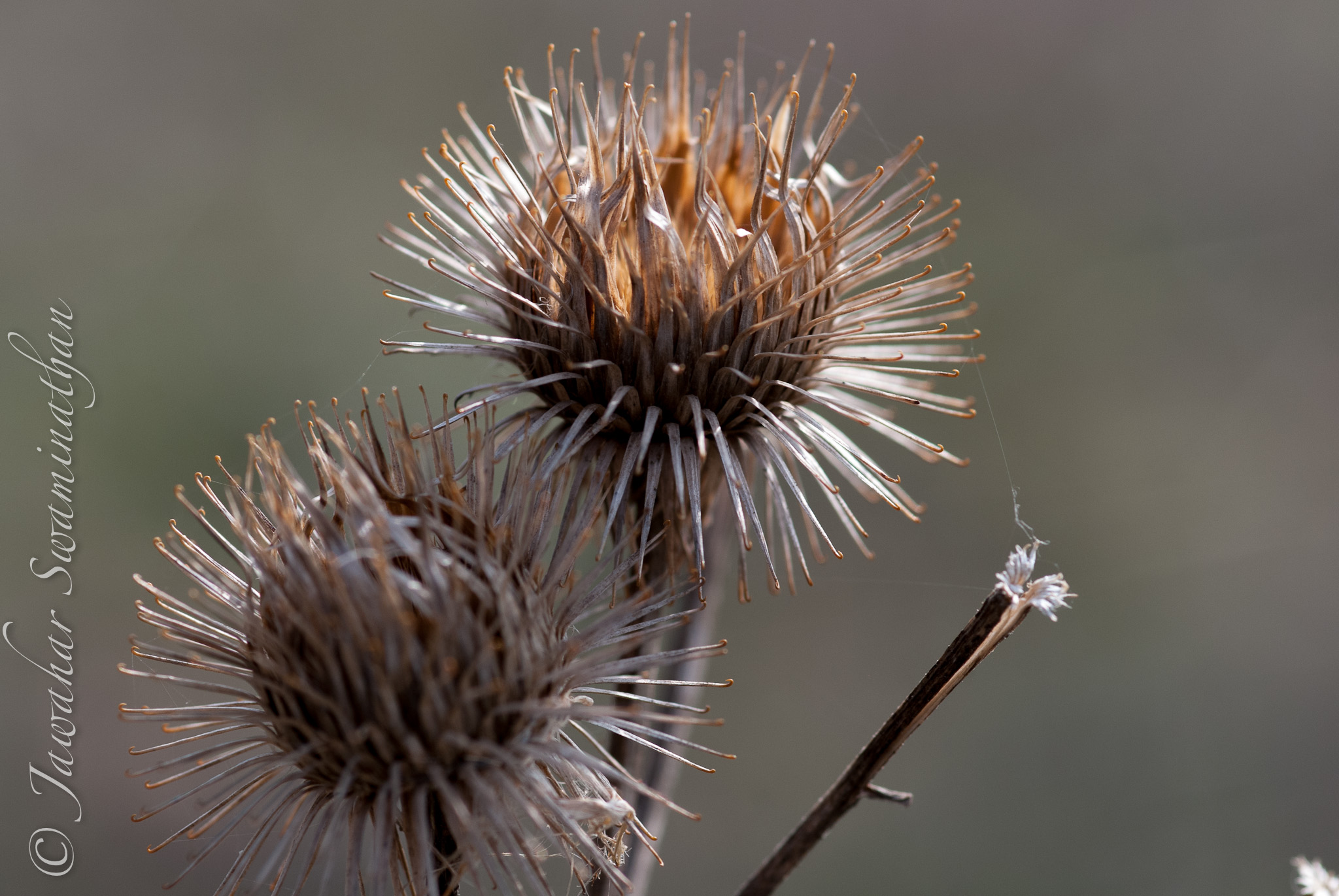
Here’s hooking at you!

Here's hooking at you!
Articum sp. fruiting body.

Burdock (Genus Arctium) seeds with tenacious hooks that latch on to clothes and skin (I’m still getting some off my fleece jacket!). Traditionally dispersed by cattle. Apparently the roots of this thistle family are edible. Lots of medicinal properties according to Wikipedia.

Camera: Nikon D80 on full manual setting
Exposure: 1/400
Aperture: f6.3
ISO: 200
Lens: Sigma 105mm Macro.
Magnification Ratio: 1:2