Dandelion – A gardeners nightmare or cooks delight?

Mention Dandelion to any gardener who loves their lawns and they will tell you a few stories about how difficult these plants are to get rid of, and how pernicious these weeds can be. Dandelions belong to the Taraxacum genus of the family Asteraceae and found in most of Europe and North America. They tend to have leaves that are flat and close to the ground and produce bright yellow flowers throughout late spring and summer. Whilst the flowers tend to brighten up any wasteland, they also grow happily between grass in lawns. Due to their low habit, they avoid being cut down by standard lawn mowers. Every plant produces a beautiful spherical head of winged seeds that easily disperse in the wind (see below).
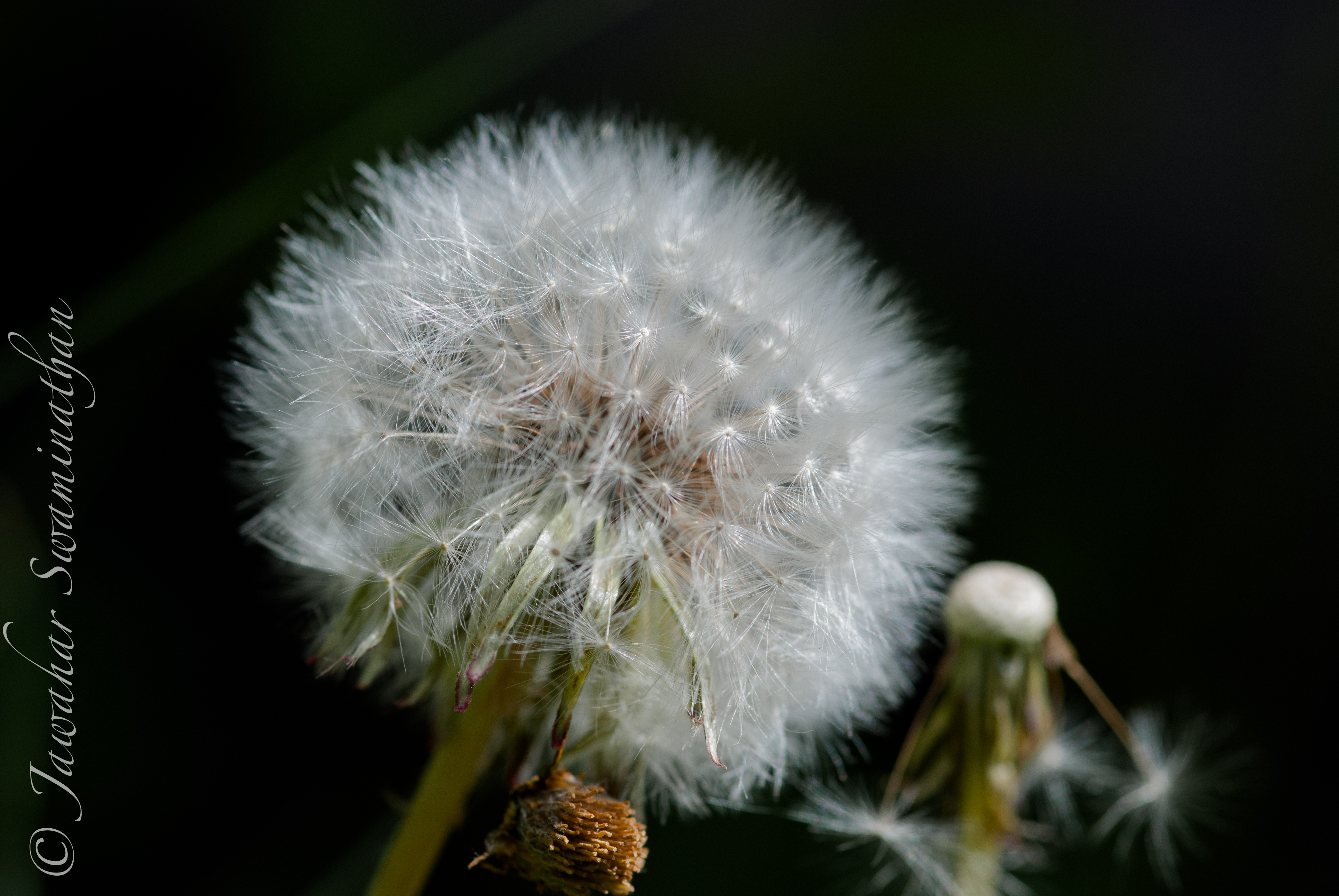
araxacum officinale
Taraxacum officinale

The recent series of television (Masterchef: The Professionals) had a cook James Burton using Dandelion roots in cooking! Till that time I’d no idea that these plants were edible, so used as I was to zap them with weed killer on first sight. Reading up a little more on these plants, it turns out that the dandelion leaves are an excellent source of iron and calcium (more than spinach)!

So the next time I see these growing in my garden (which I’m sure I will), I’ll be reaching out for a recipe book and not my glyphosate containing weed killer!

Aquilegea

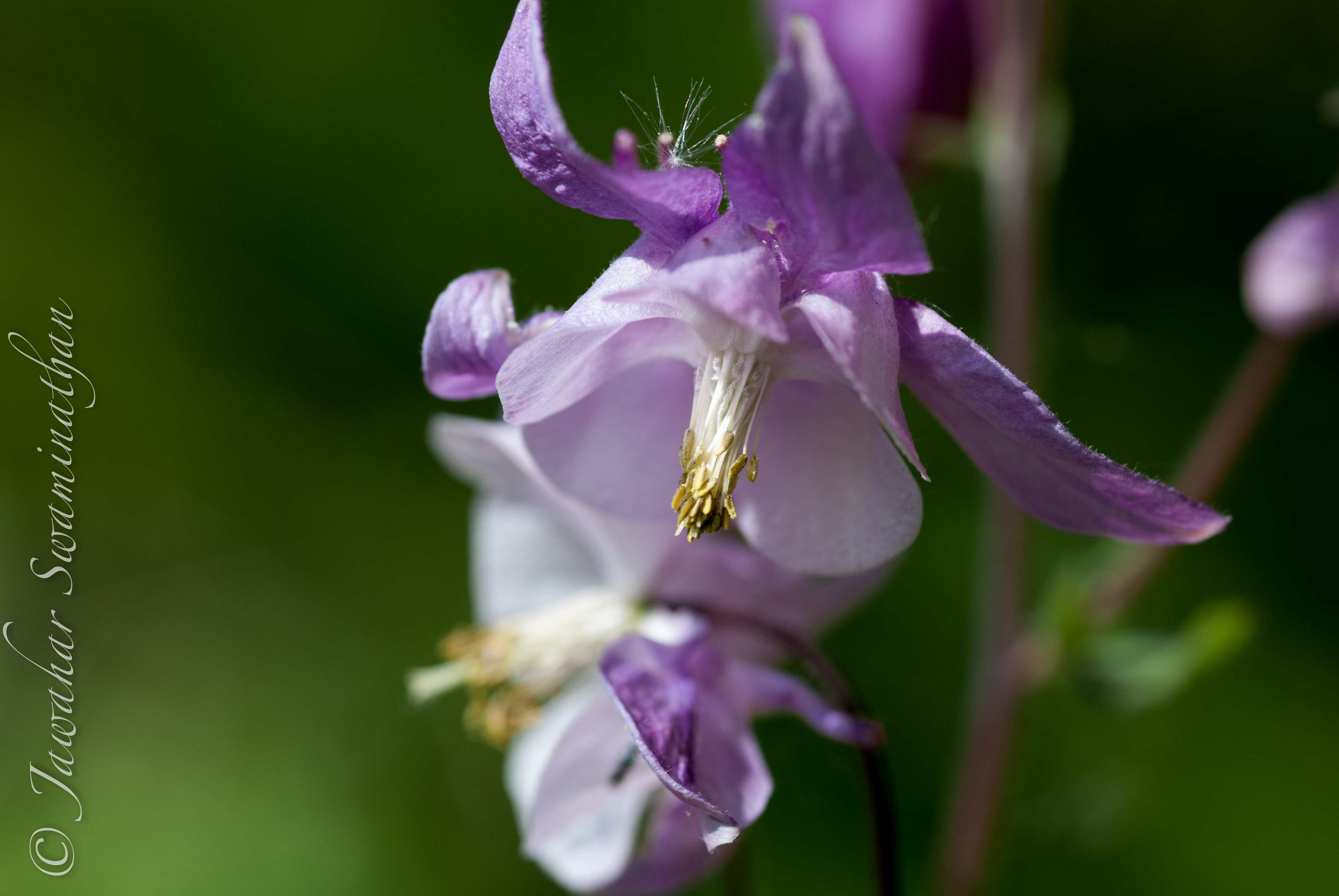
From earlier this summer (or whatever that passed for that term this year!). A few years ago I wouldn’t have known what Aquiligea was, but my knowledge of these plants has increased after the purchase of a few plants.

DSC_0296-2

Apparently the name Aquilegia comes from the latin aquila, or eagles claw based on the shape of the petals.

Selective Colouring

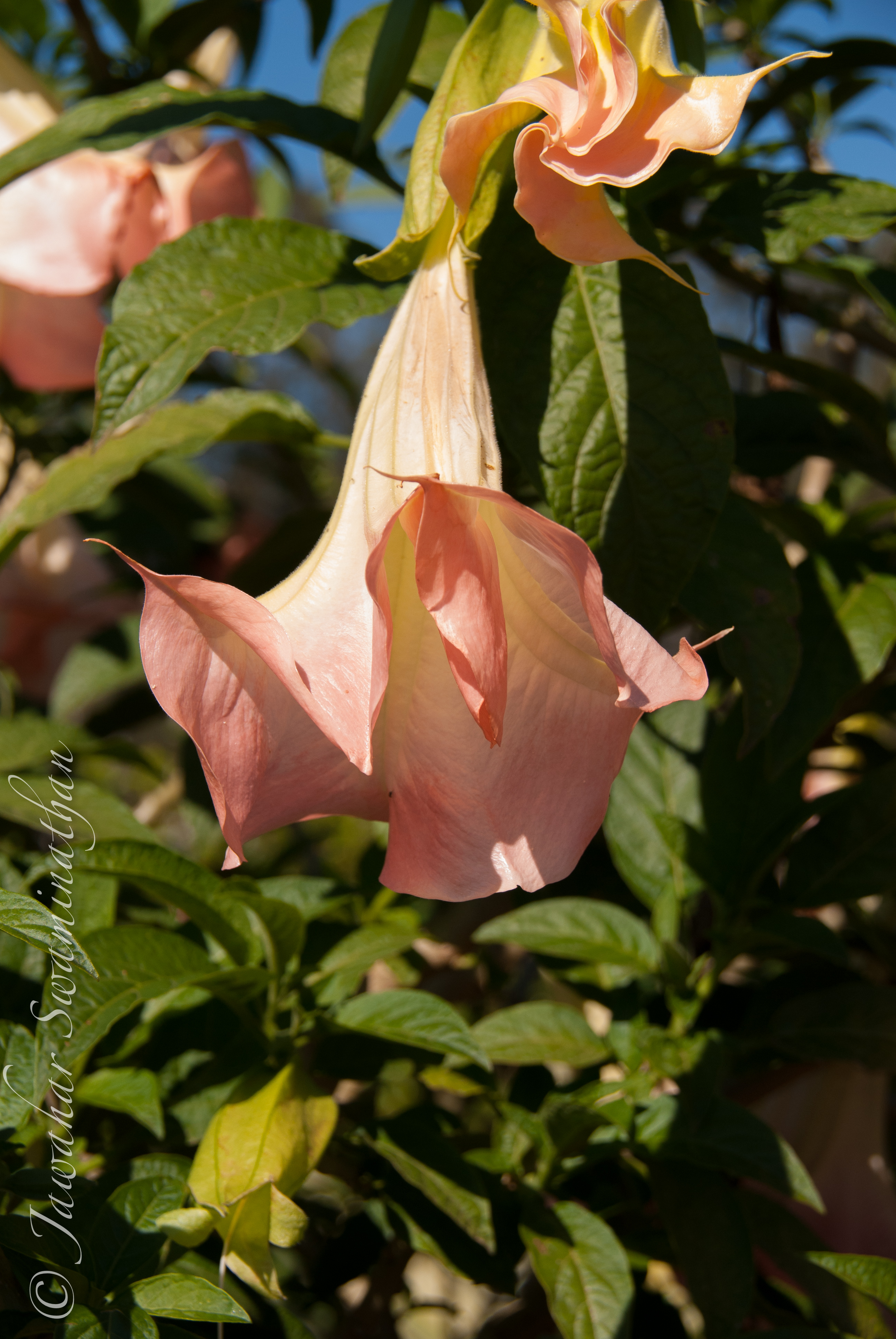
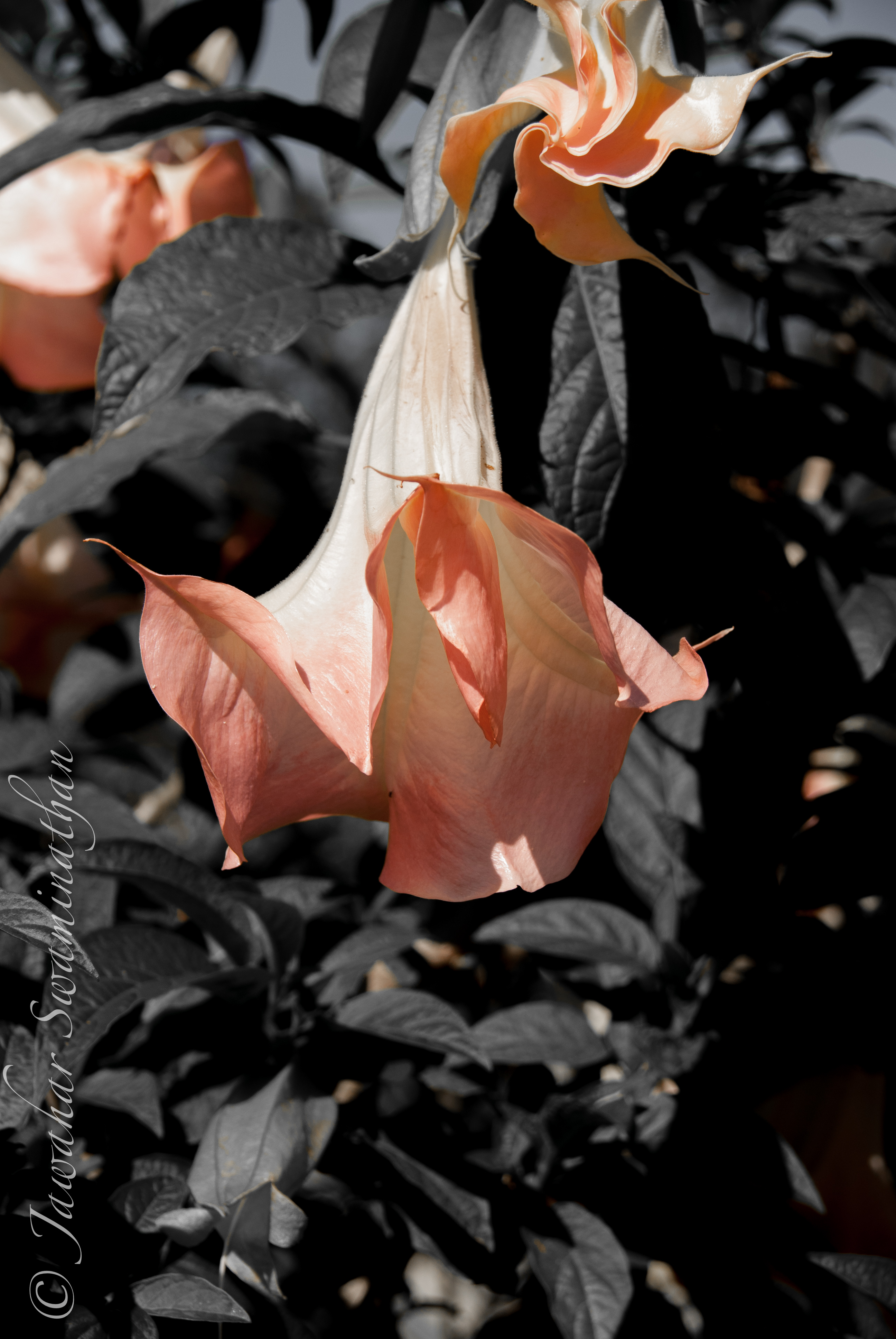
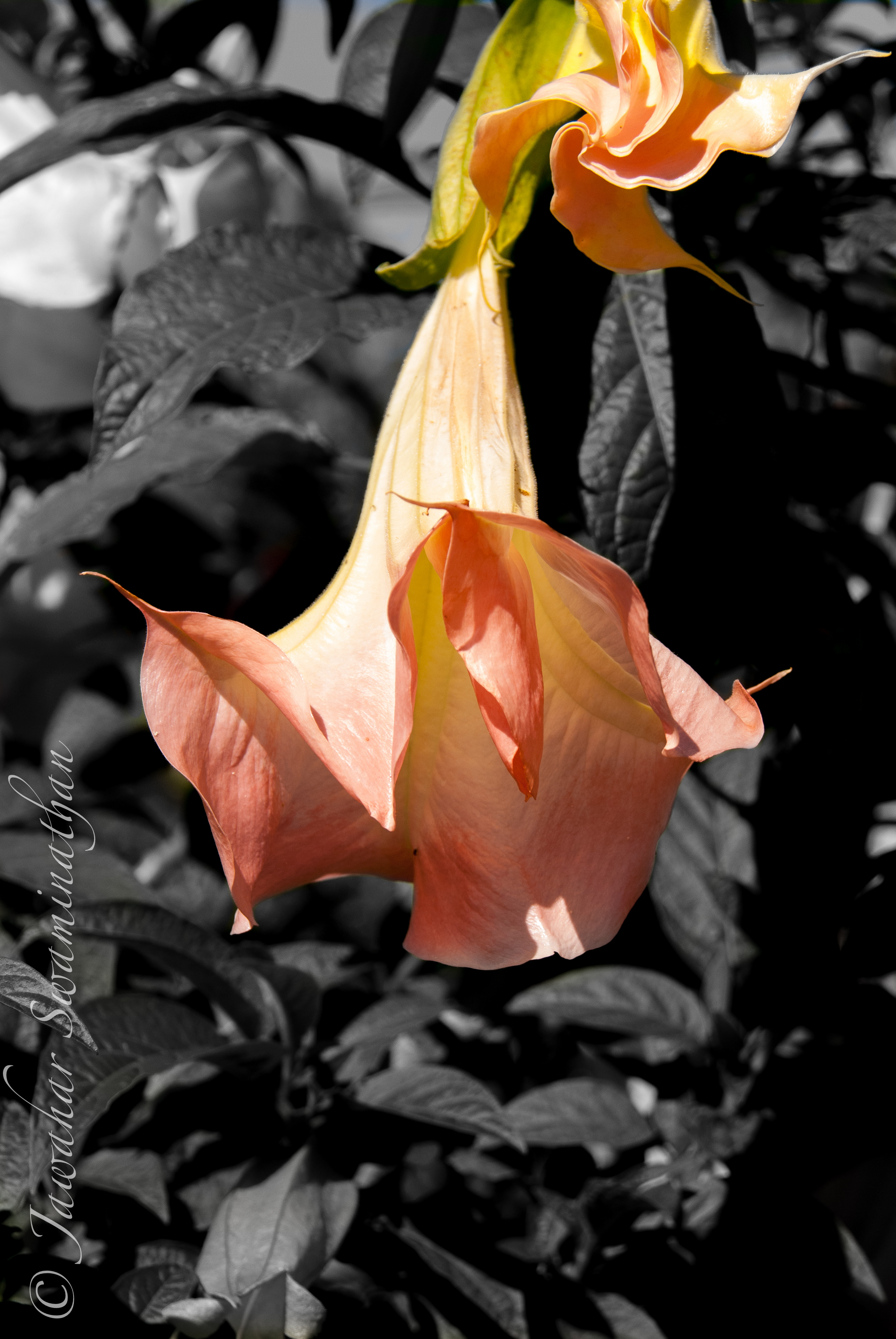
Do photographs look better when selectively colored? Selective coloring involves painfully desaturating a picture to leave only the portions that need highlighting. There are many ways to desaturate a photograph, and I use Adobe Lightroom adjustment brush to remove colour from portions of a picture. The pictures below show both the original picture and my selectively colored version. Which one do you prefer?

Original Image
Original Image

One method of removing colors from a picture is by desaturating color groups. In the picture below, I removed all the greens, blues and yellow. This has the desired effect of making all the leaves and sky become monochrome while leaving just the flowers with color.

Removed greens, blues and yellow

The above makes the picture look a little artificial due to removal of the yellow-green components from the petals too, as well as with other flowers in the background showing through the foliage. I then attempted to use the adjustment brush to remove all color from the picture except for the two flowers in the foreground (as below).

Selectively colored
Selectively colored

Personally I’m pleased with my selective desaturation as this brought out the vibrant colors of the flower, which were otherwise lost in the bright greens of the leaves and the blue of the sky.

Technical Details:
Nikon D80 with Tamron 18-250mm f3.5/6.3 Lens
1/640 f/8.0 55mm
Location: Araku Valley, Visakhapatnam
Processed with Adobe Lightroom 4.1


A tangled web!

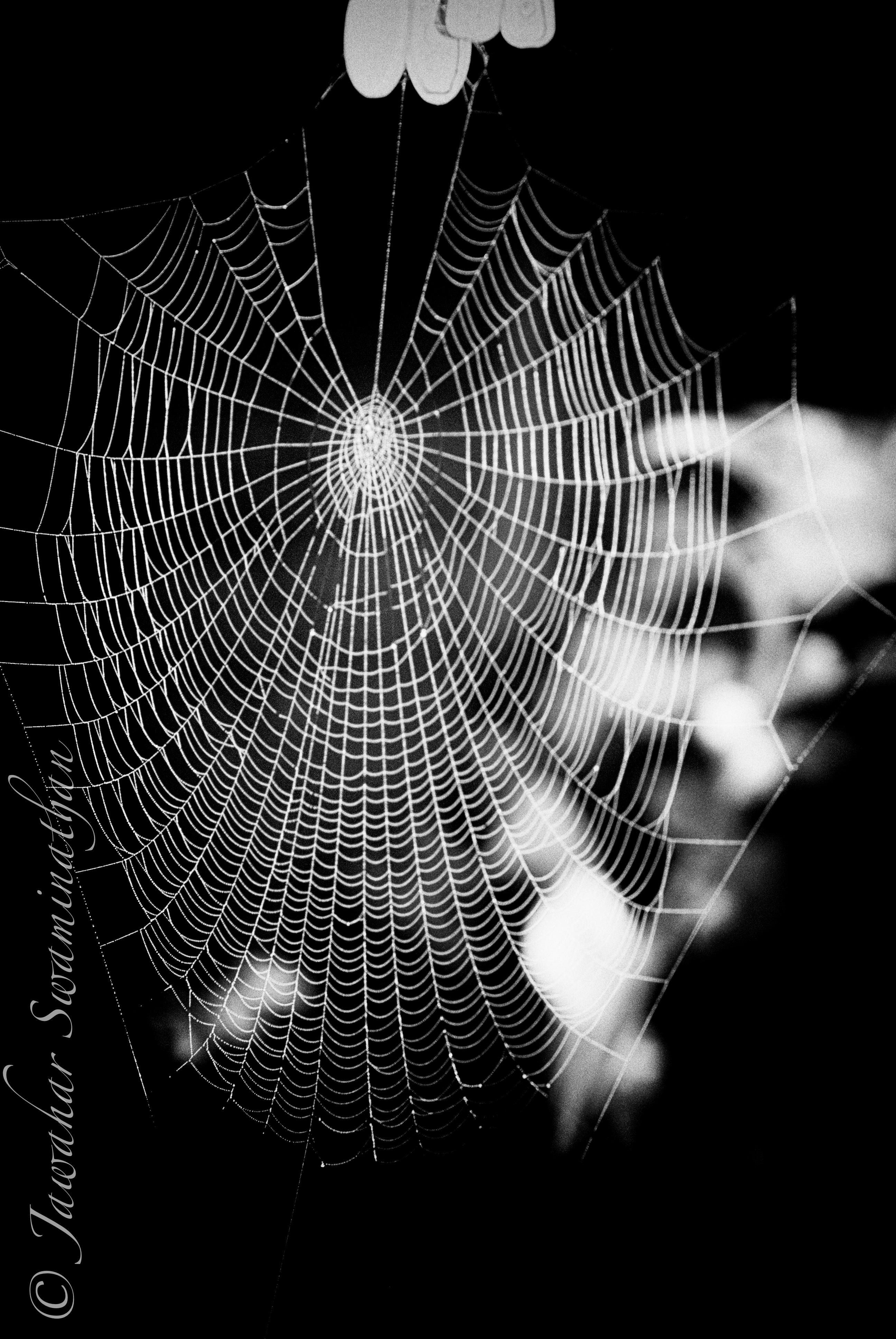
Autumn mornings offer a great chance to see myriad spider webs drenched in the early morning dew making a million natural necklaces of tiny pearly dew drops. I took these pictures on just one such day. The industrious spider had built this web on the clothesline overnight.

1/60 f/5.0 ISO200 with flash

I am constantly amazed at the persistence of the spider to continually attempt to make a web in the most unlikely of places, day after day. Maybe there is a lesson in it for us all….
Technical details

Nikon D80
Sigma 105mm f/2.8 macro lens
Nikon Speedlight SB-600 flash
Processed in Adobe Lightroom 4.1

Photographing Roses

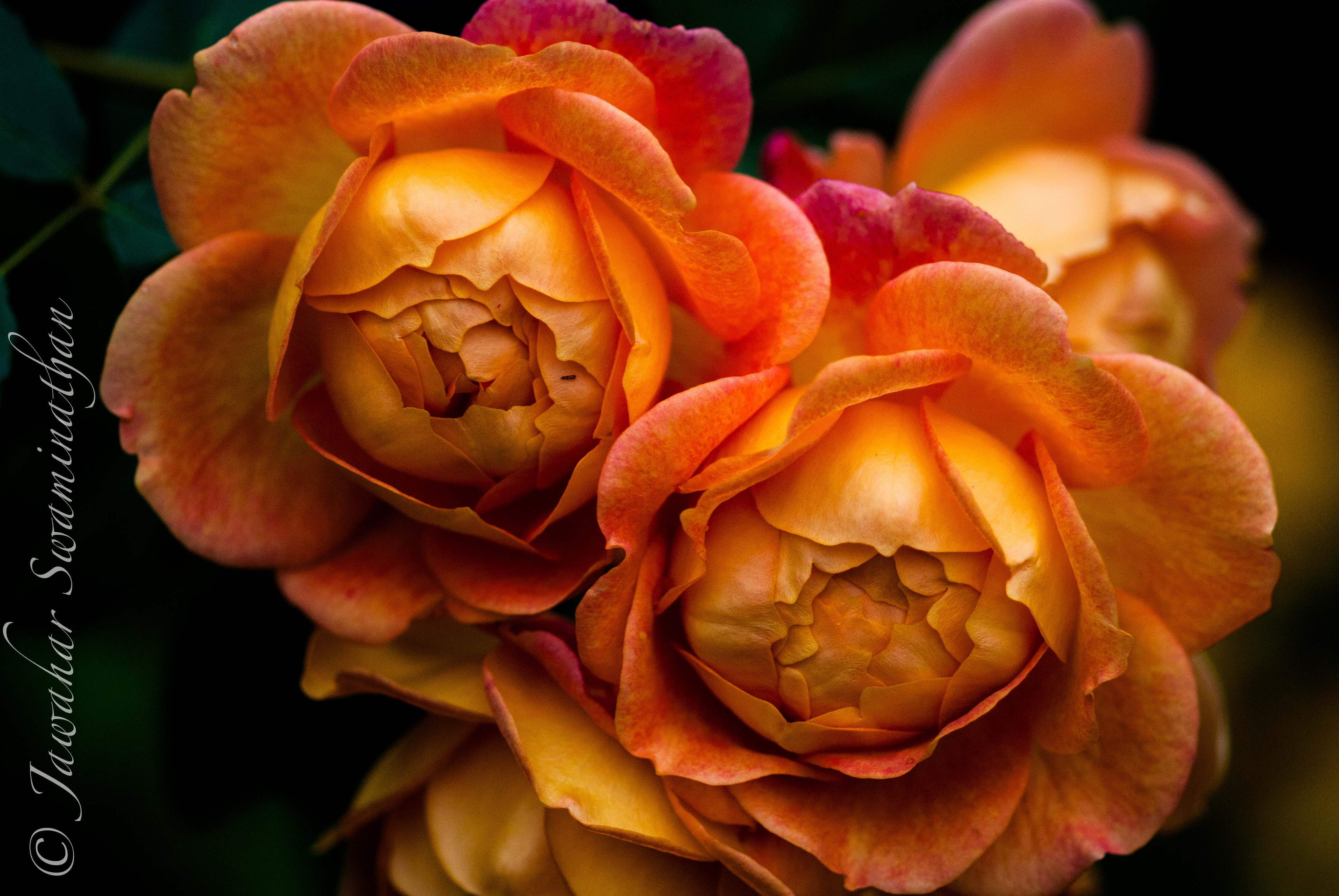
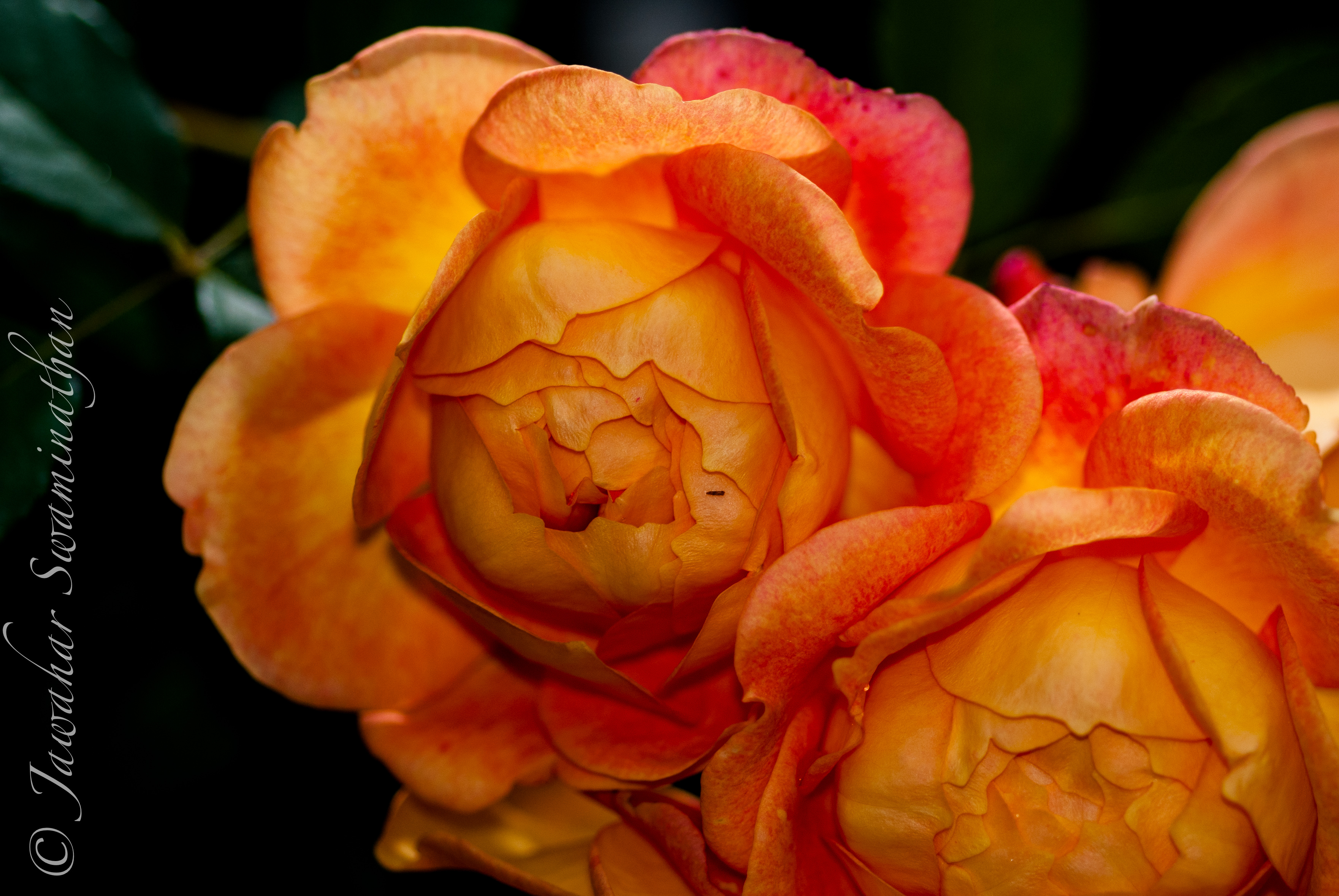
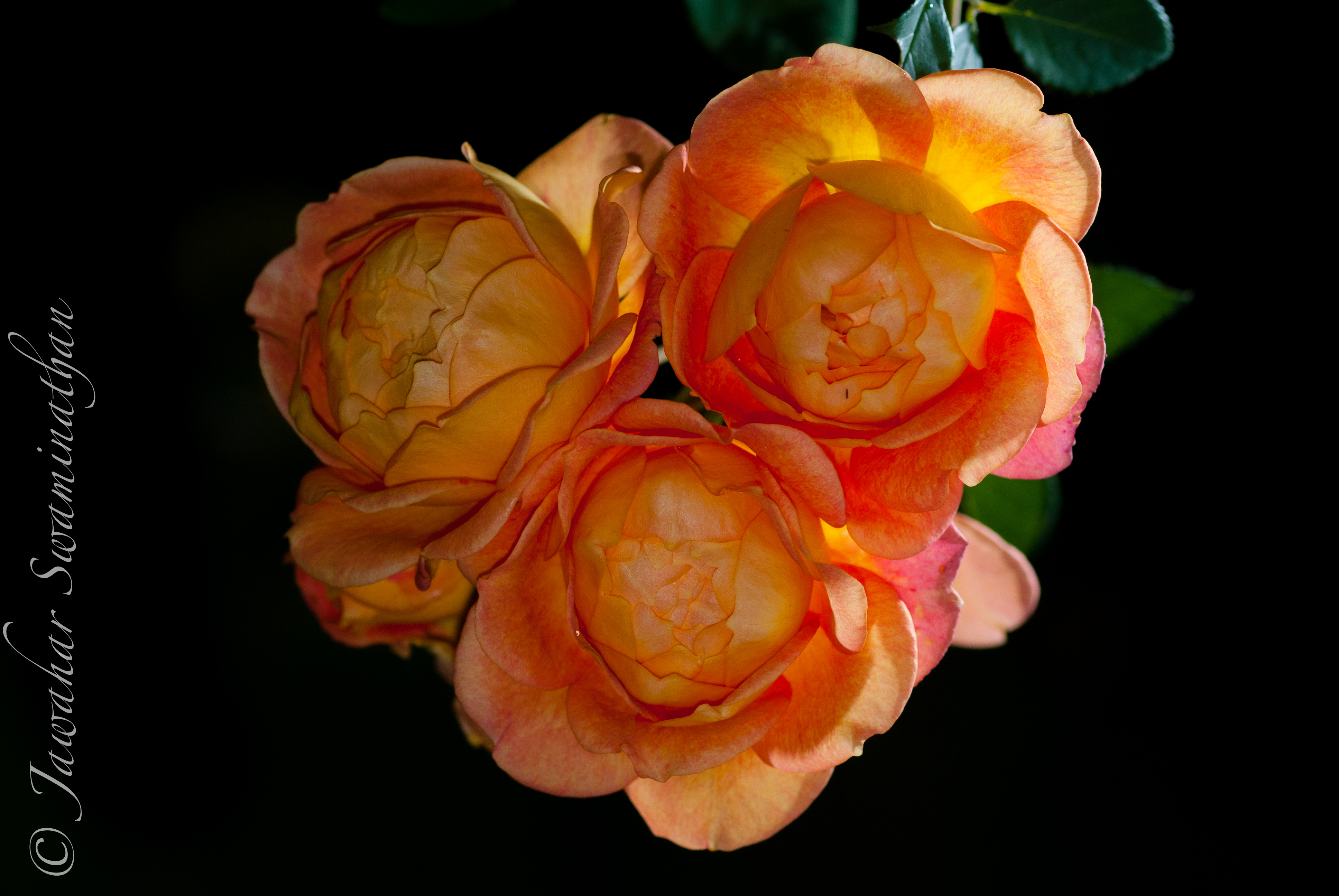
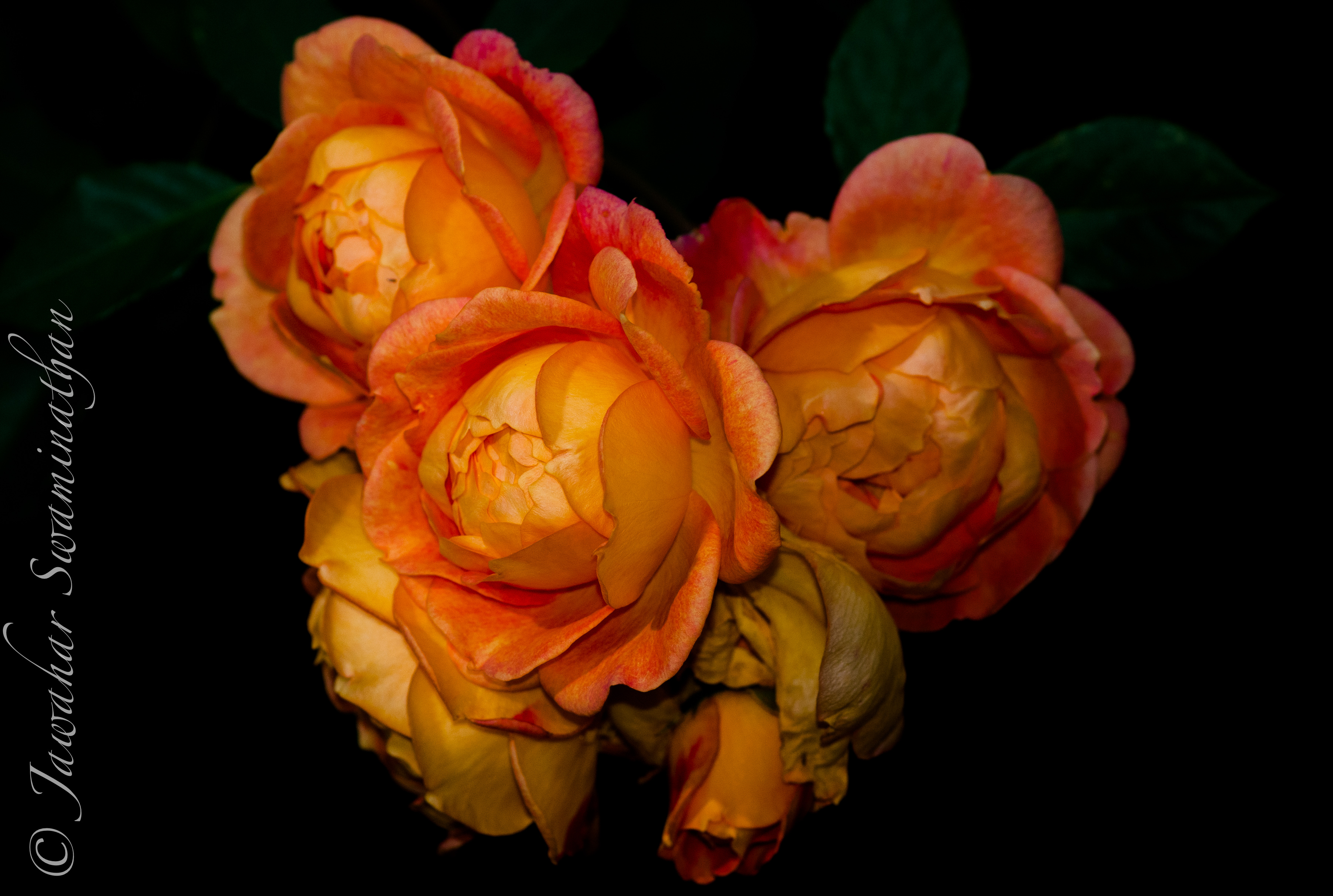
Last week I had this really nice bunch of gold-coloured roses and I wanted to try out my photography skills using a remote flash on commander mode. I placed the flash on the tripod and right angles to the photograph with some interesting results. One of two of these are with the flash on the camera, but can  you tell the difference?

head-on flash
external flash behind roses
external flash behind rose to the right
external flash at right angles to the camera. Light coming from the left.
External flash right angles to camera from left. Longer exposure.
external flash about 45 degrees to camera in a V arrangement

The main advantage I found to having an external remote flash was to be able to play with the colours and backgrounds. No post-processing carried out for any of these pictures. The roses too look different depending on the light source.

What do you think? Click on any image to see a full-size view.

Technical Details:

Nikon D-80 with remote SB-600 speedlight flash in commander mode
105mm f/2.8 Sigma macro lens


Visakhapatnam – Part 2

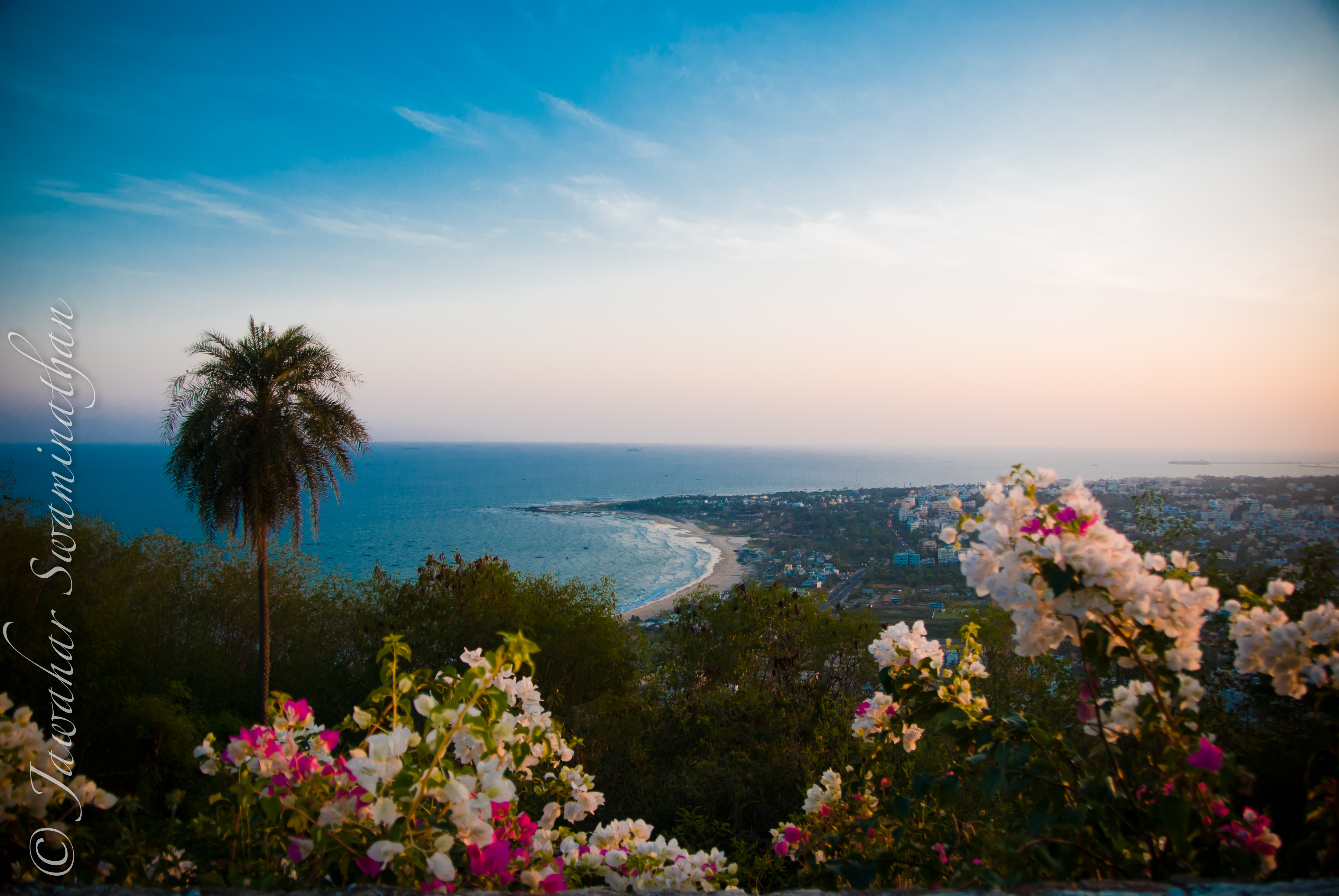
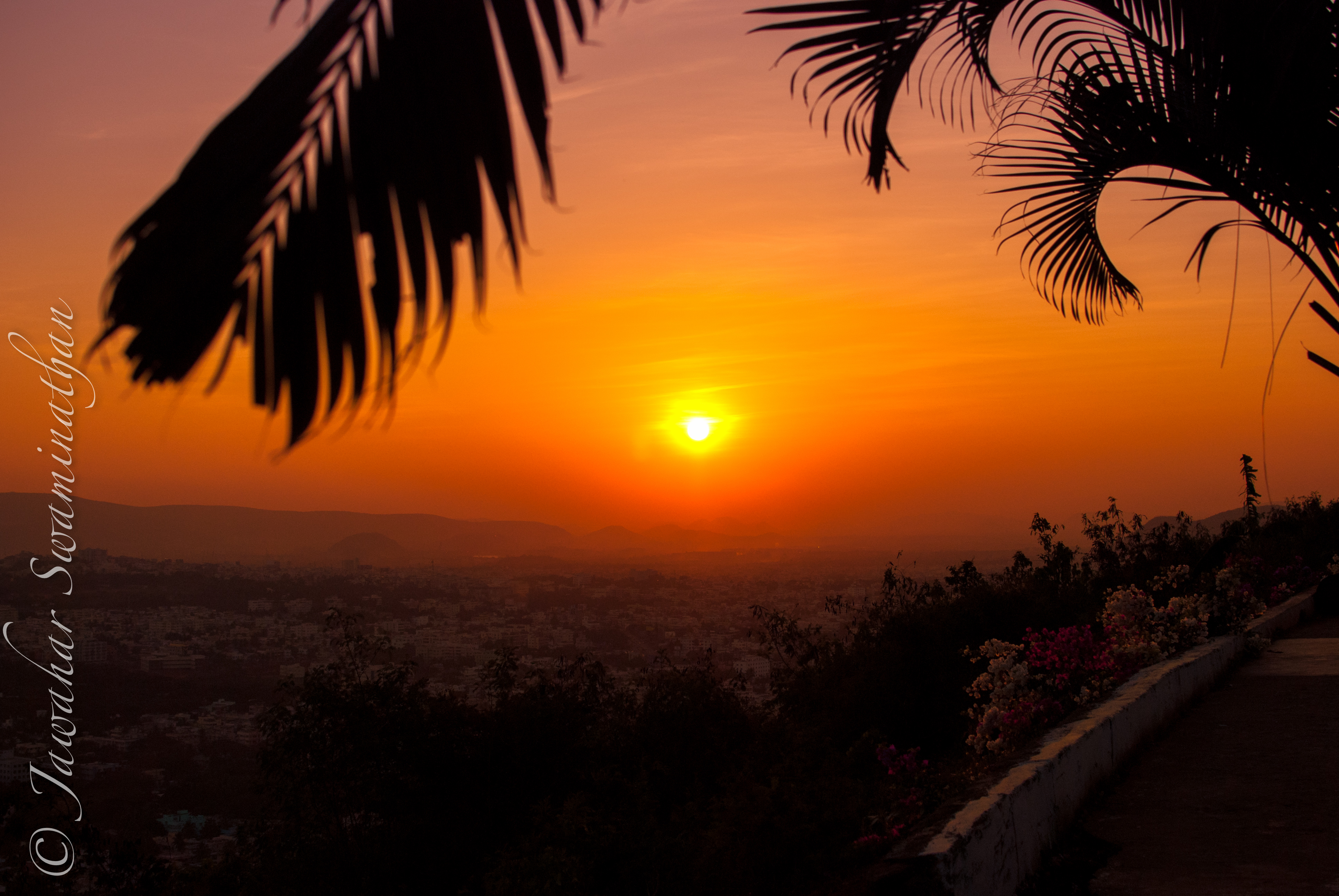
I think sunsets are beautiful. They mark the end of a day, promises of rest and a new beginning with dawn the next morning. The geographical location of Visakhapatnam means that sunsets are always on the side away from the sea, and I’ve never been an early riser to capture sunrise on the sea in the morning.

Sunset over Visakhapatnam as seen from Kailasagiri Hill.

The sunset seen from the Kailasagiri Hill in Visakhapatnam was particularly stunning.

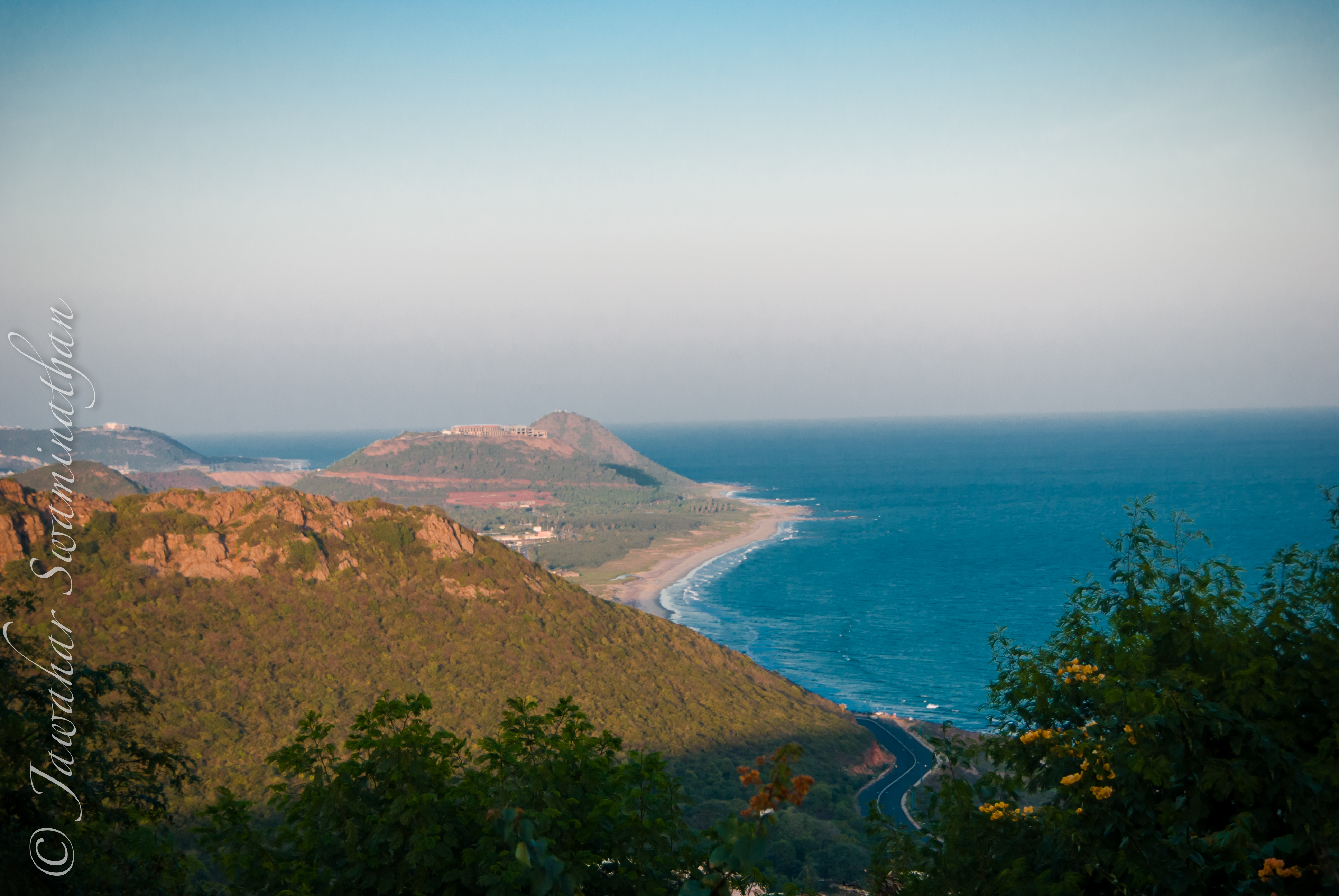
Eastern ghats looking north of Visakhapatnam along the Bay of Bengal.

A beach road runs along the coast from Visakhapatnam to Bheemunipatnam for 46km, a stretch of which can be seen in the photograph above. Bheemunipatham has evidence of early Buddhist culture dating back to the 3rd century AD (photographs of Bheemunipatnam in a future post).

Sunset over Visakhapatnam
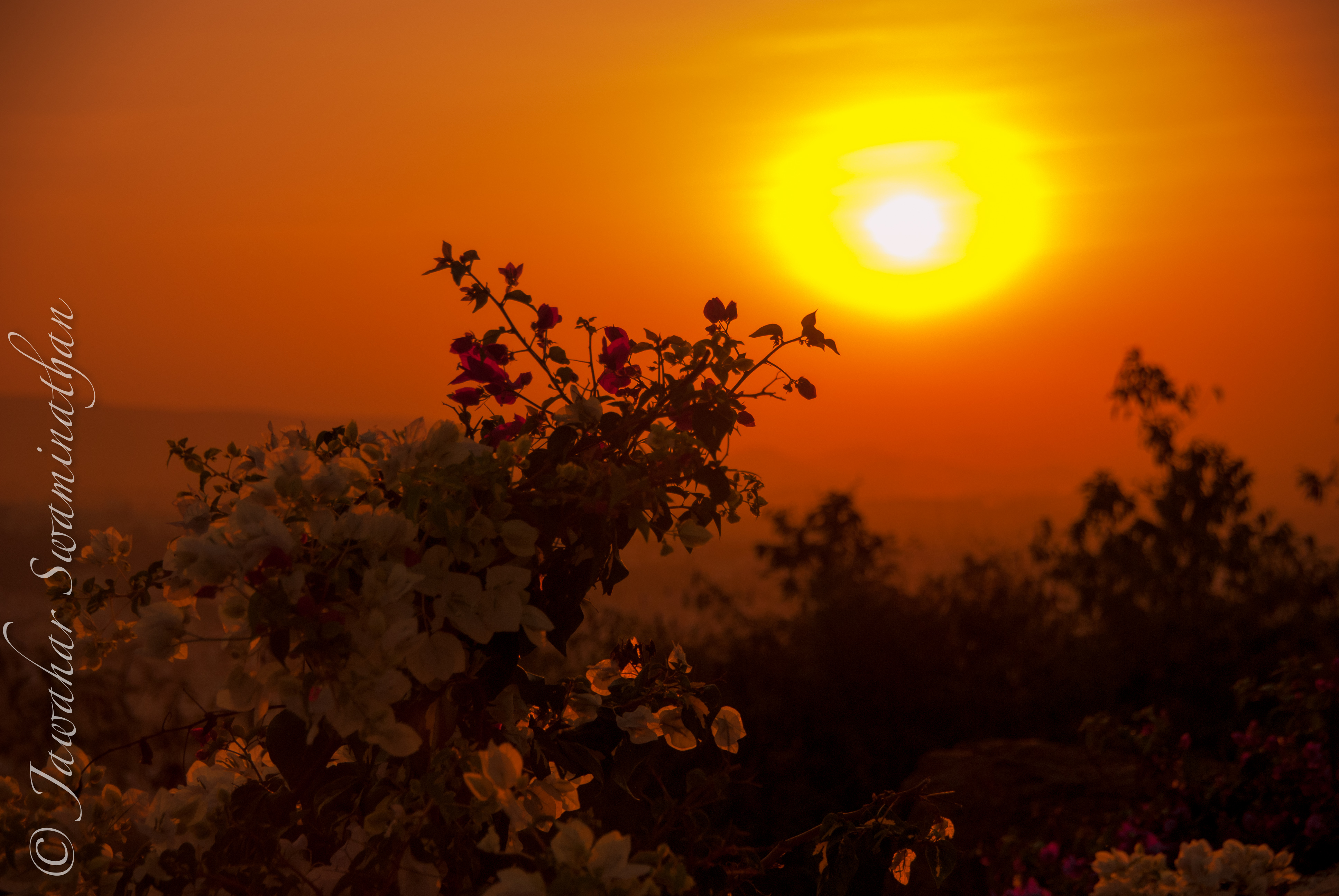
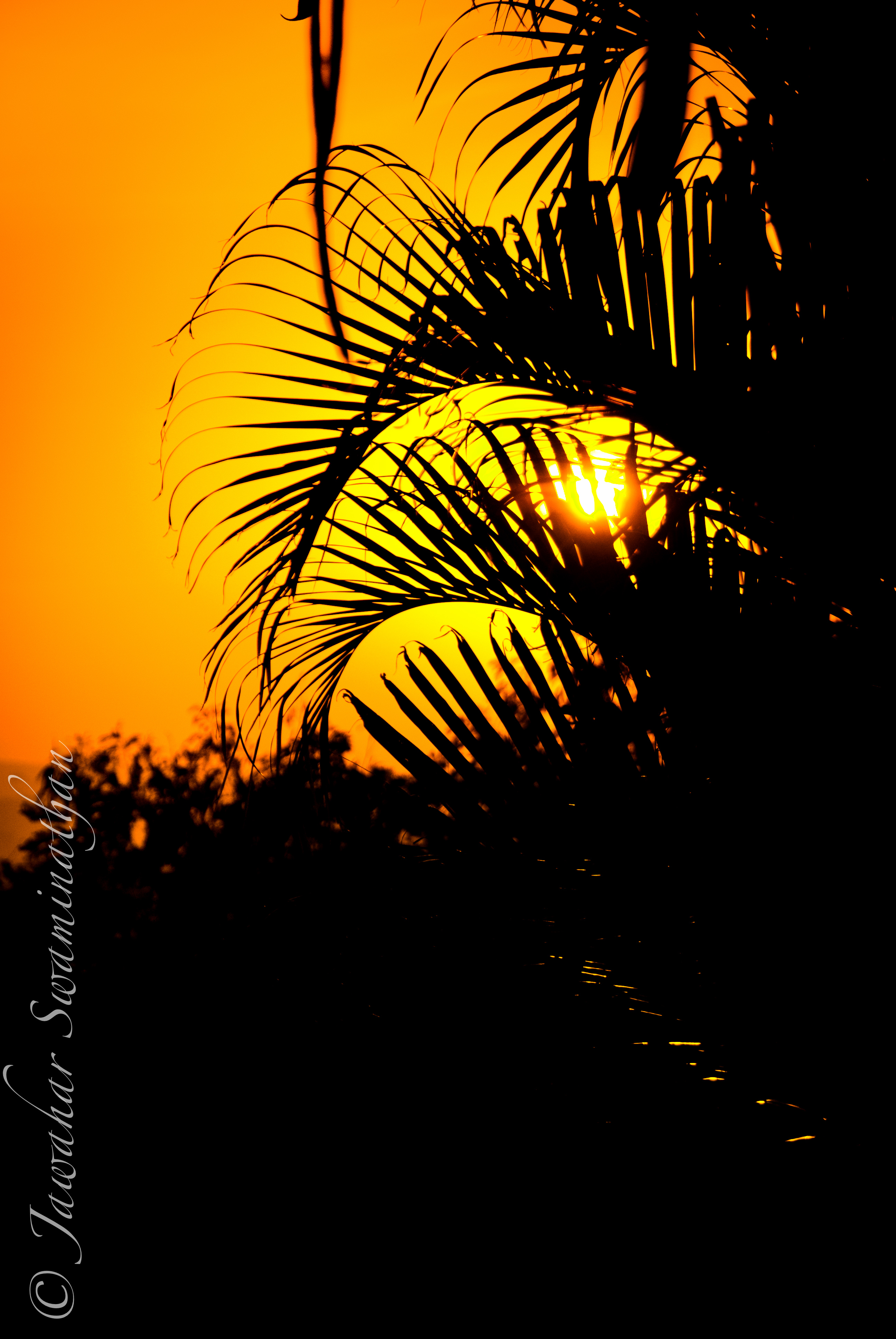
Palm fronds, sunset and Visakhapatnam

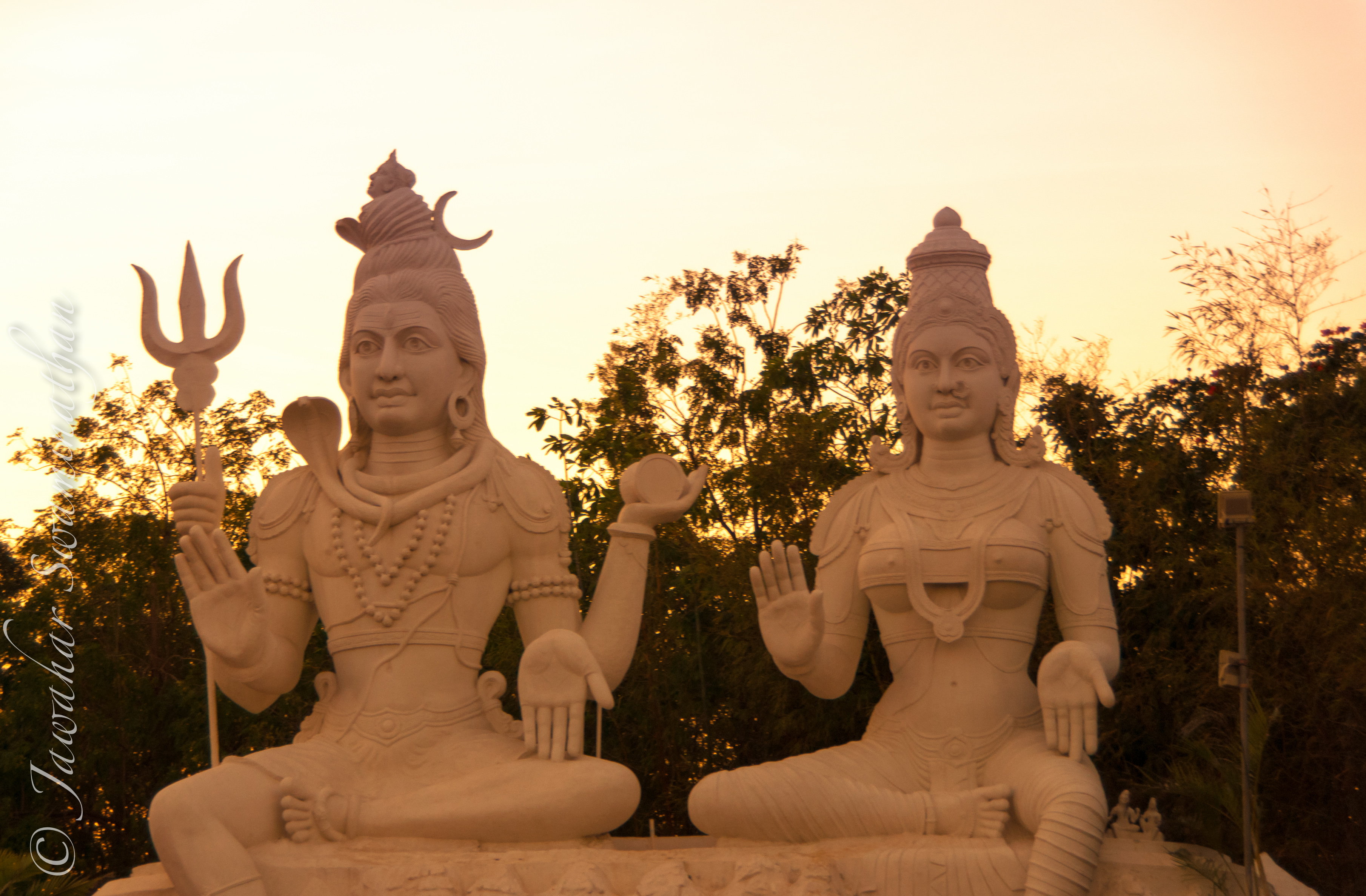
Kailasagiri has huge statues of the hindu god Shiva and his consort Parvati and a small mountain railway that offers scenic vistas of Visakhapatnam and the coast north towards Bheemunipatnam. Kailasa or mount Kailash is the abode of Shiva and Parvati according to hindu mythology. One of the mountains in the Himalayan range is the mountain called Kailash (6638 msl).

Shiva and Parvati statues at Kailasagiri, Visakhapatnam

But all good things must come to an end, and it was with a heavy heart that I left this beautiful place. I could not, however, resist taking one last shot of a glorious golden sunset.


PS: As always you can click on any of the pictures above to see a full size view.

Begonias – on black


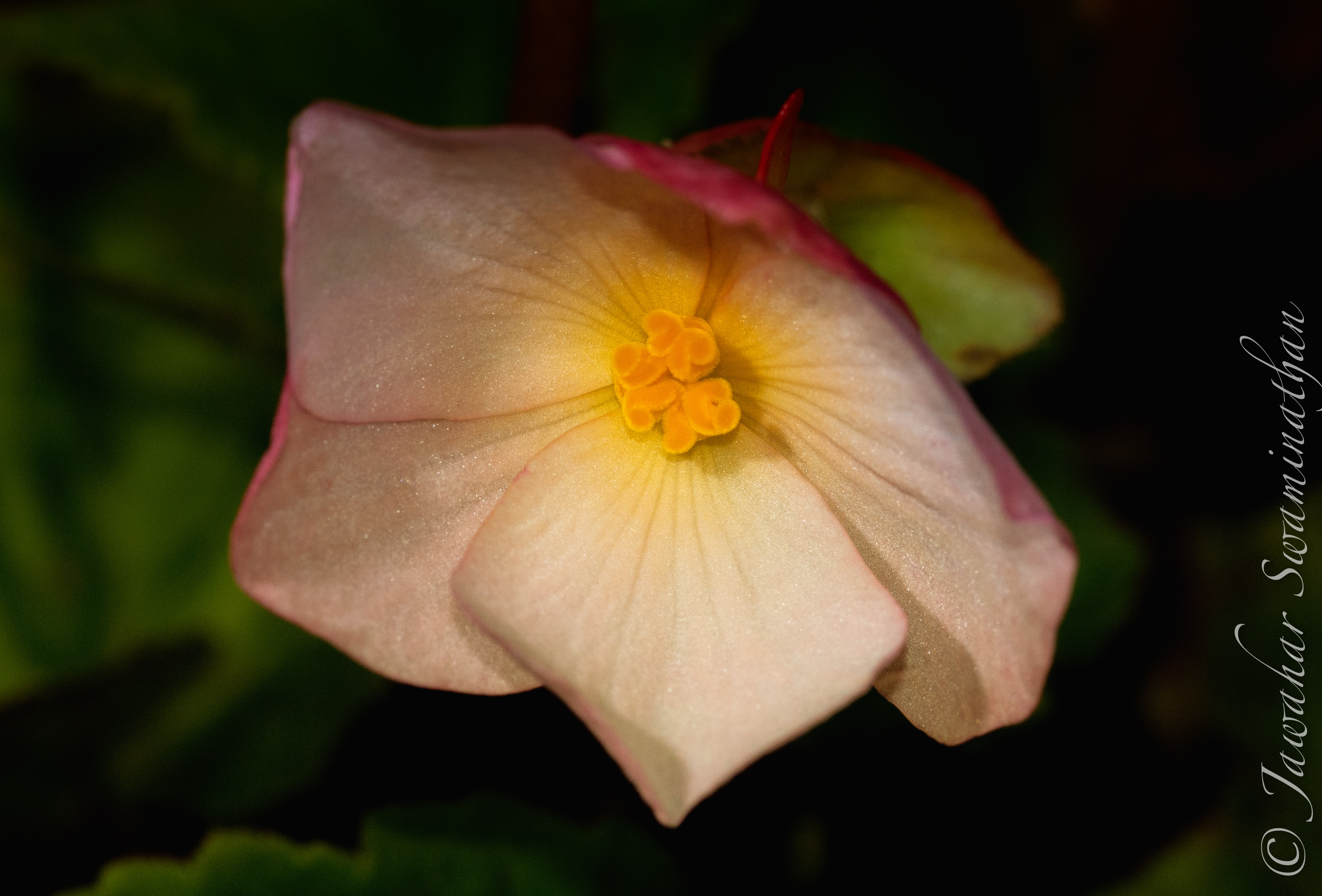
A begonia flower. My begonia’s grow from these funny looking corms that I have to dig up every winter after the first frosts and then replant them the next year. These have been going on strong for 3 years now.

The first image was processed in Colour Effex Pro. The bottom image is unprocessed.


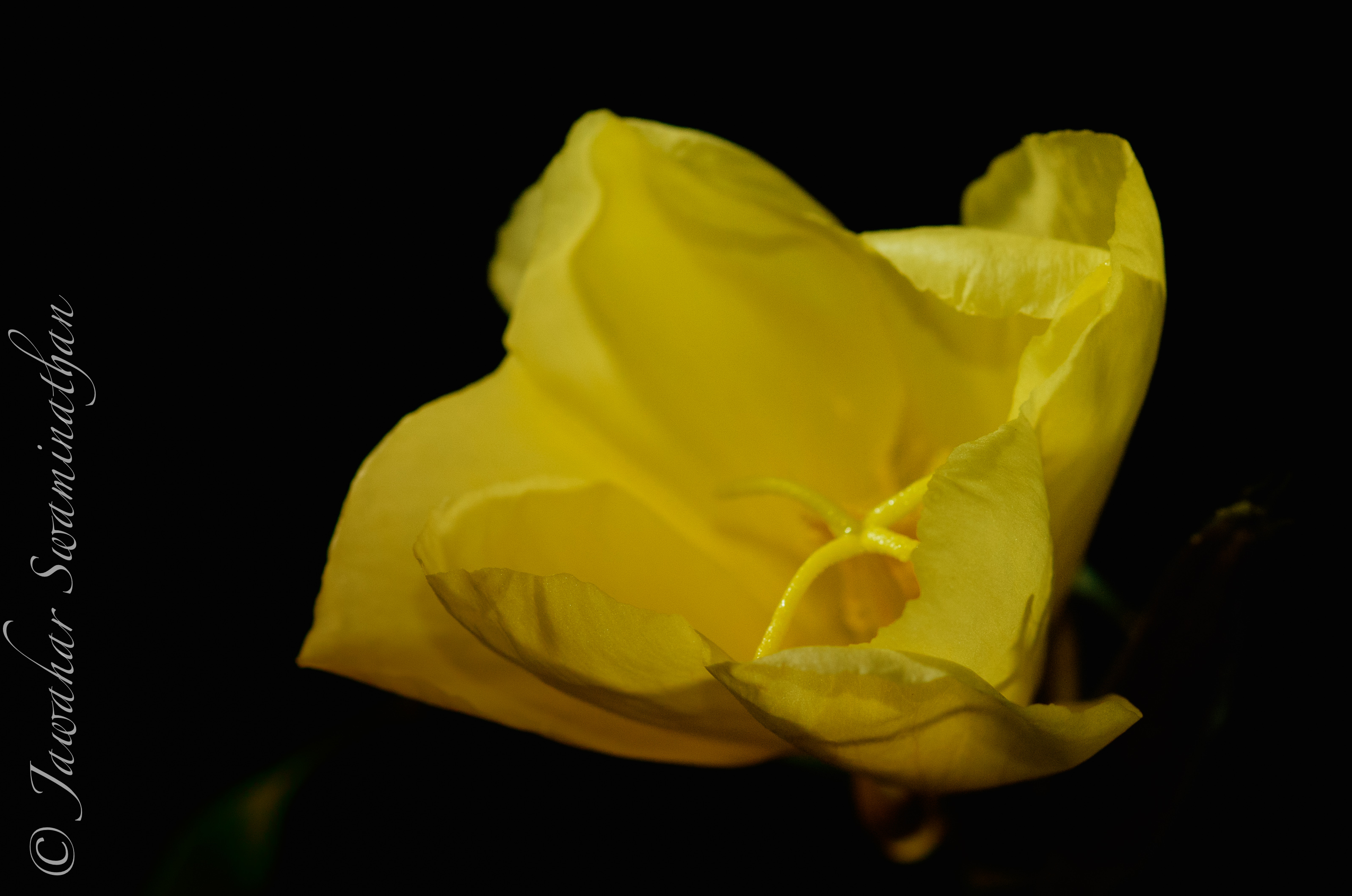
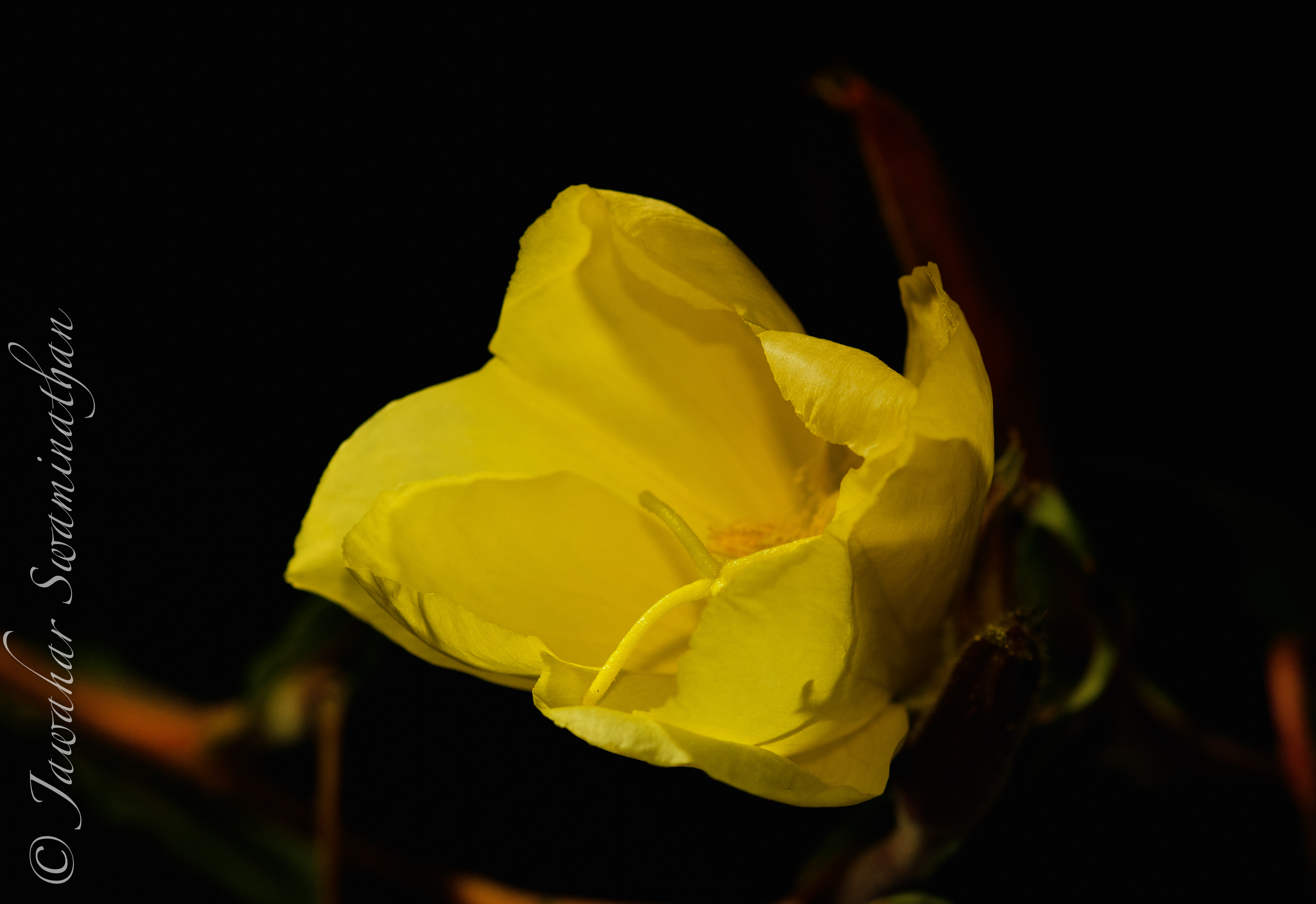
Evening Primrose II – On Black

I went back to my Oenothera plant over the weekend and experimented with my SB600 speedlight in slave mode. These pictures were shot with the external flash roughly at right angles to the camera. The results are interesting!!

I didn’t have to work too hard to get a black background in either of these pictures due to the positioning of the external flash. I also notice that the colours are less harsh now that the light is not parallel to the lens. Compare with the earlier post on the same flowers.
Technical Data

1/160 f/9.0 (Top)
1/200 f/9.0
Nikon D80
105mm f/2.8 Sigma macro lens
SB-600 Speedlight Flash
Post-Processed in Adobe Lightroom 4.1

Daffodil on black

I know it is strange to talk about spring blooms in the dreary days of autumn! I came across this picture in my collection taken earlier this year and thought it would offer a chance for us facing shorter days, cold and rain to cheer up with thoughts of spring!

Daffodil against a dark background. Click to see a larger image.

Technical details:

Nikon D80
Sigma 105mm f/2.8 macro lens
1/3200 f/7.1
External SB-600 speedlight flash used.
post-processed in Adobe LightRoom 4.1