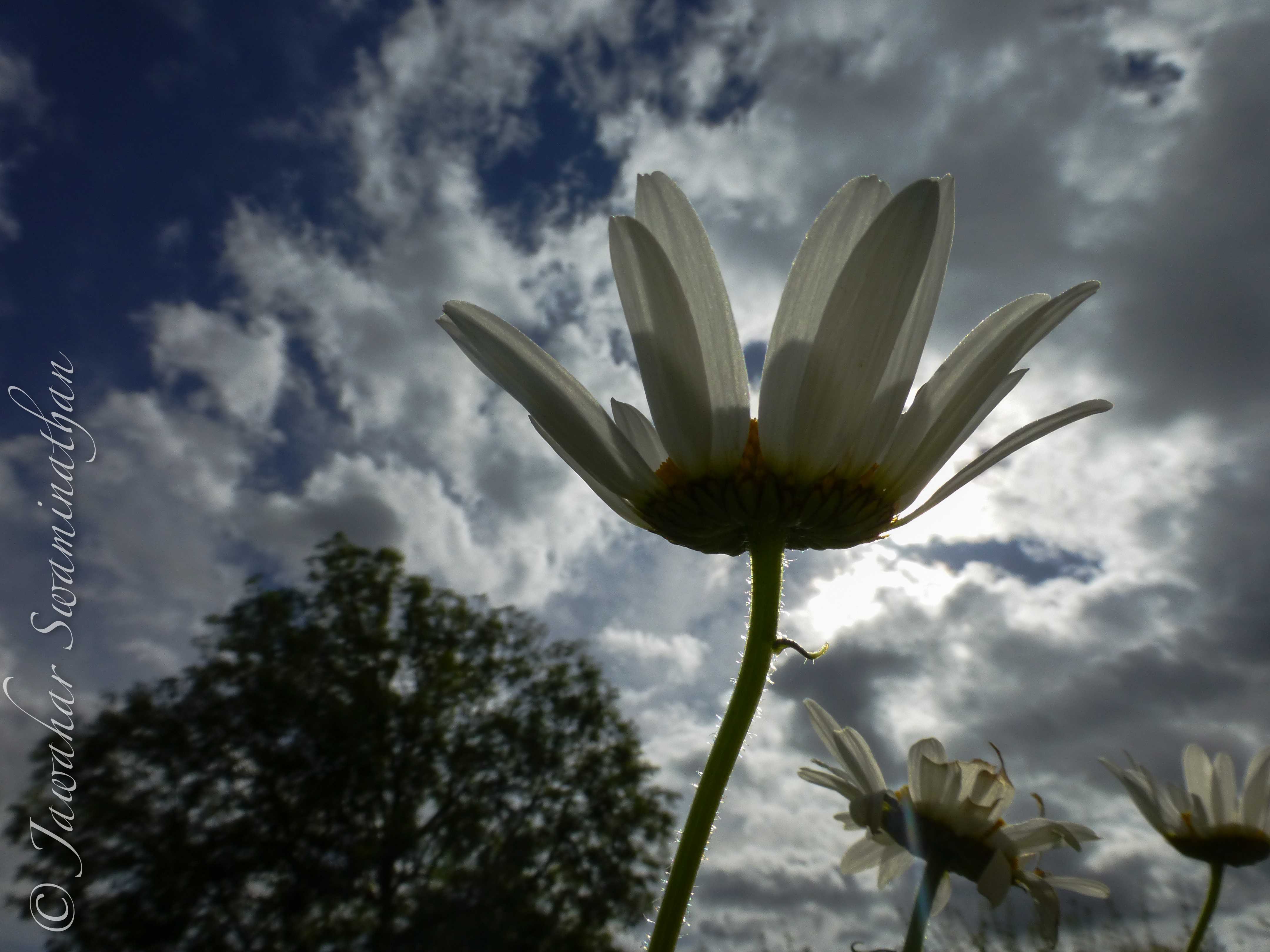
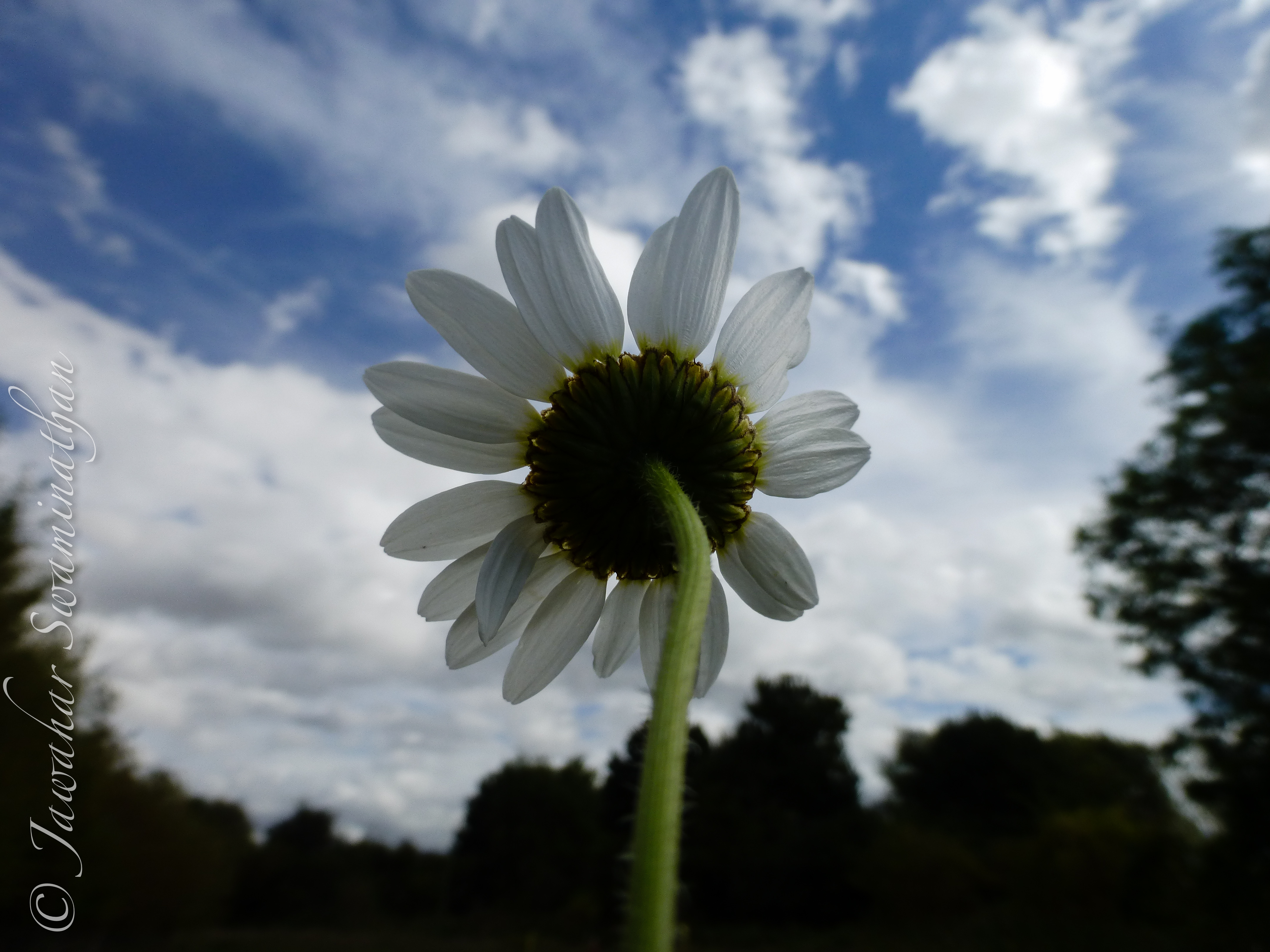
Like the Doors song “Waiting for the Sun“, these solitary field daisies wait for the sun that is increasingly rare as autumn approaches.
Technical
Panasonic Lumix DMC-TZ30
Processed using Adobe Lightroom 4.1
Like the Doors song “Waiting for the Sun“, these solitary field daisies wait for the sun that is increasingly rare as autumn approaches.
Technical
Panasonic Lumix DMC-TZ30 Processed using Adobe Lightroom 4.1
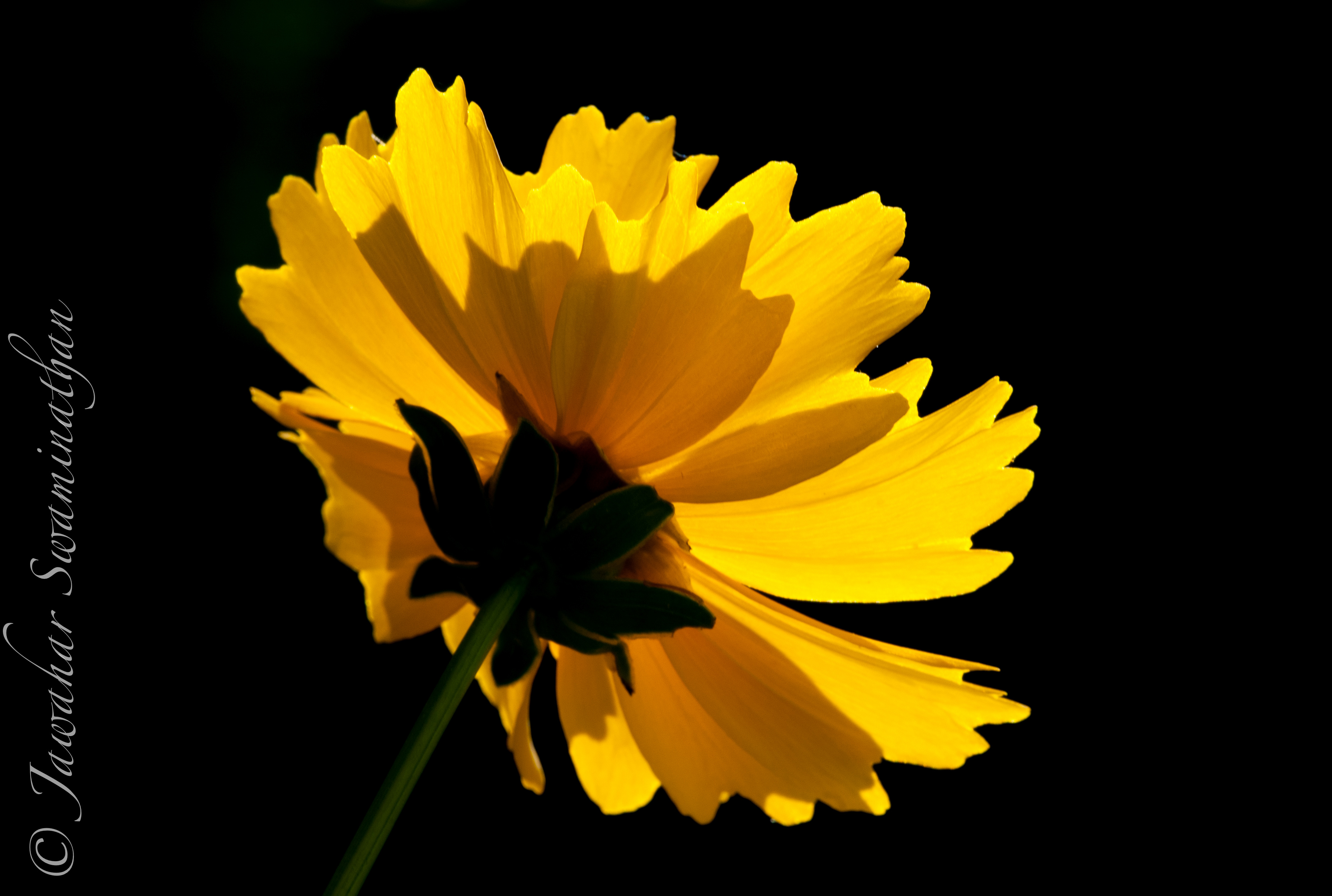
A yellow daisy shot from underneath the flower against sunlight. Click on the picture for a larger view.
Technical Details
Nikon D80
Sigma 105mm f/2.8 macro lens
f/4.5
1/3200
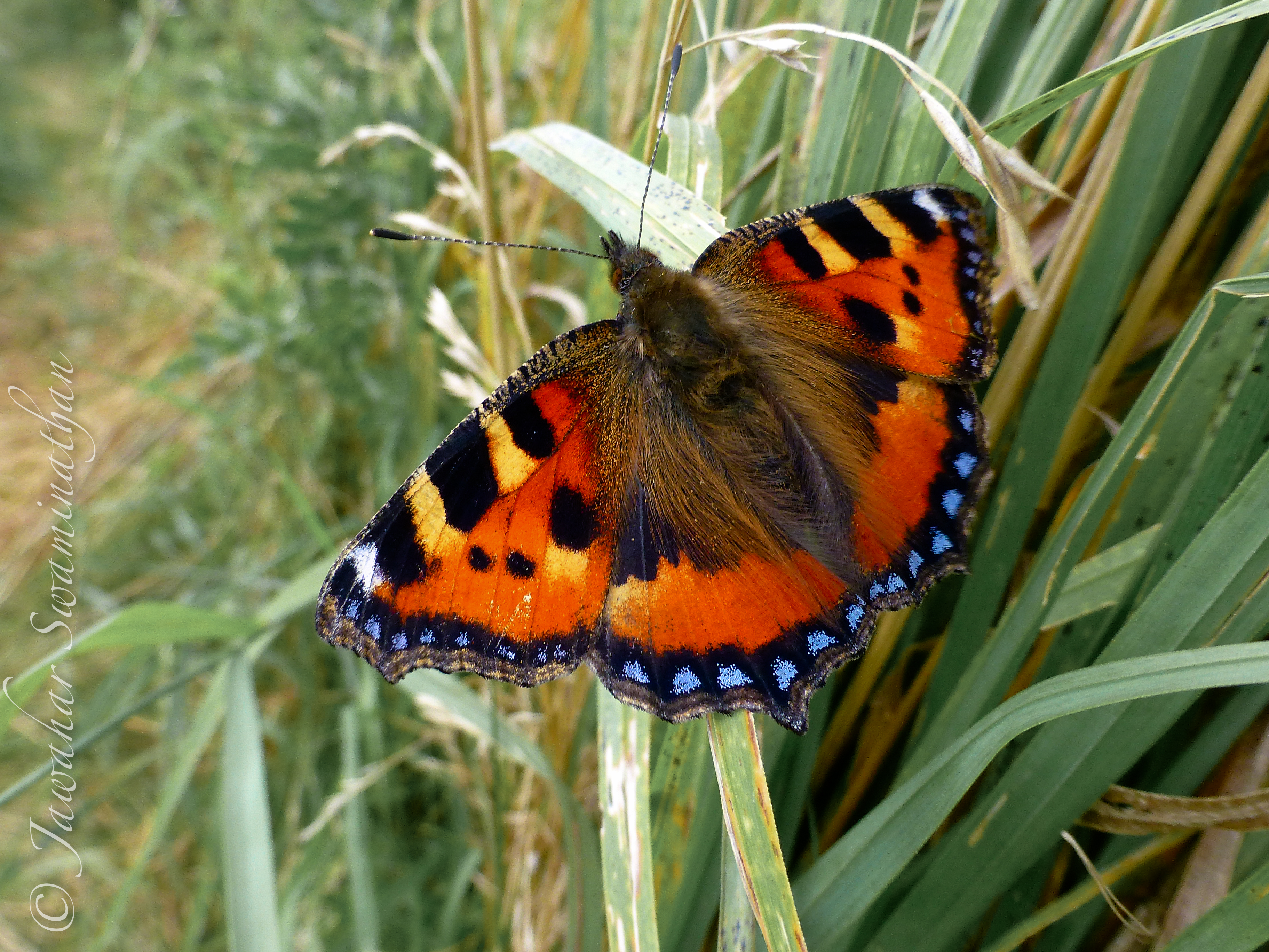
A small tortoiseshell butterfly in South Cambridgeshire. The most common of British butterflies (so nothing special there), except for the thrill of being able to get so close to this beautiful insect. Click on picture to view large size.

I saw this spider on my walk this afternoon. It allowed me to get my camera to within a few inches. Just looking at this gives me the jitters, given that it is so alien to what we are used to!
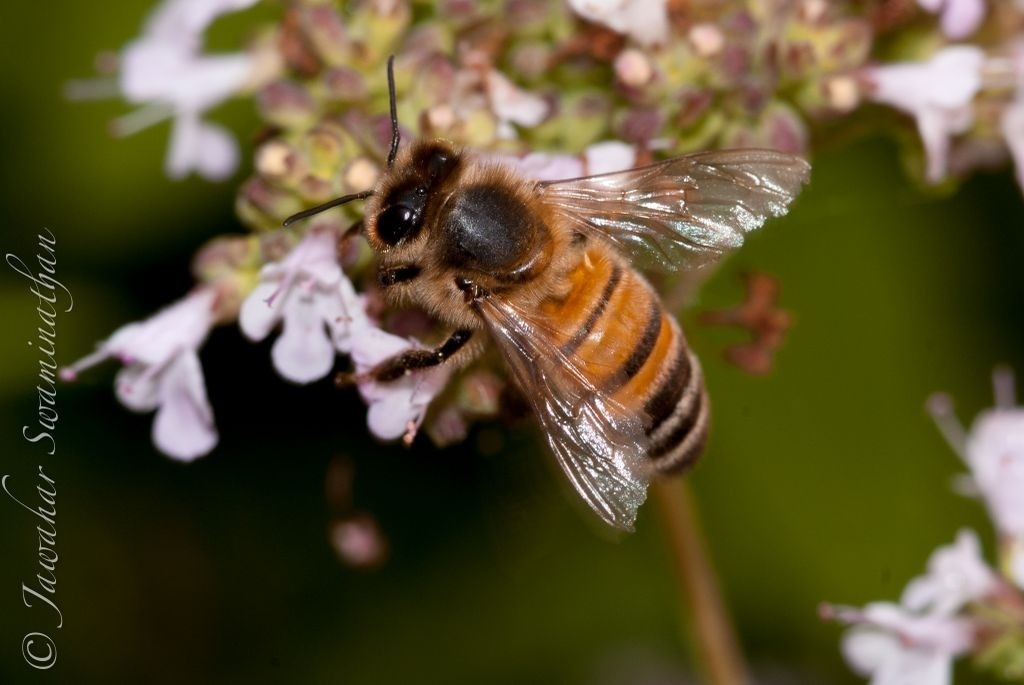
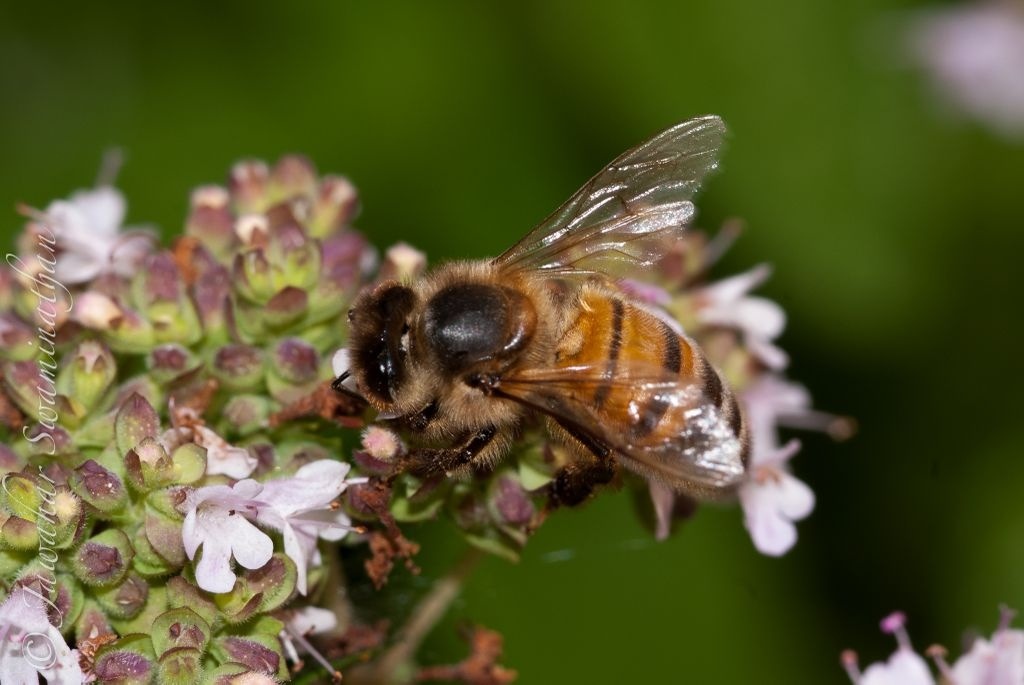
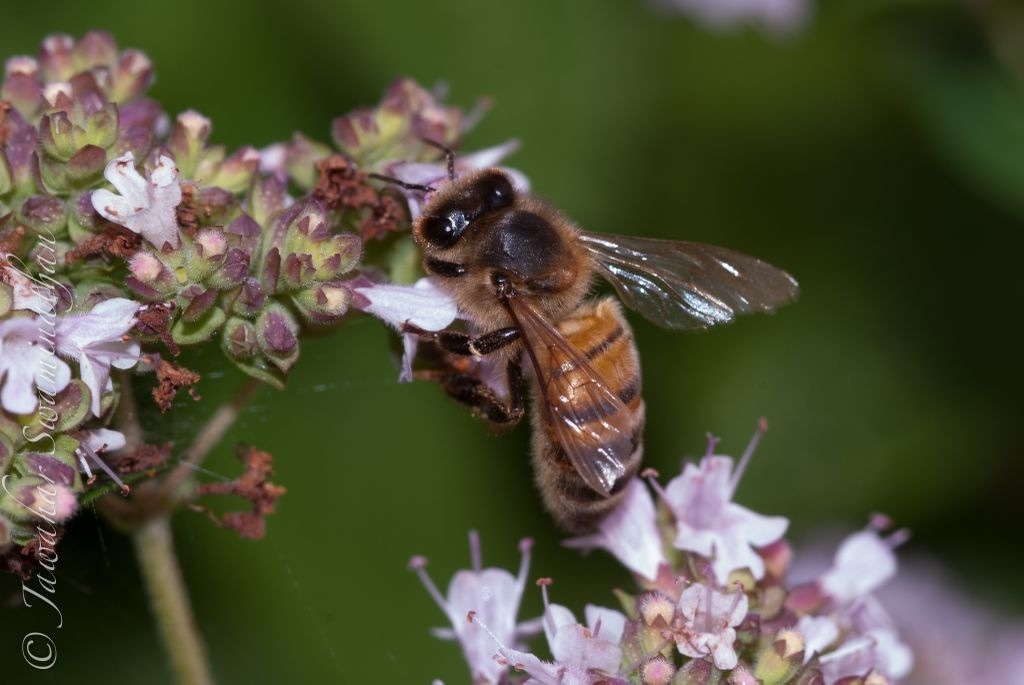
After that poor attempt at a pun, here are some pictures of honeybees photographed on oregano blooms, using a 105mm f/2.8 sigma macro lens with 32mm extension tube. Flash used with high f-setting to keep image sharp, in focus throughout and avoid blur.

Scarlet pimpernel – a small flower with a big and famous name. A low sprawling plant with bright red flowers about 10mm across. All parts of the plant are poisonous and contain glucopyranoside cucurbitacins (Arvenins I to IV). Consumption can cause stomach upsets, trembling and kidney damage. (Source: Wildflowerfinder.org.uk).
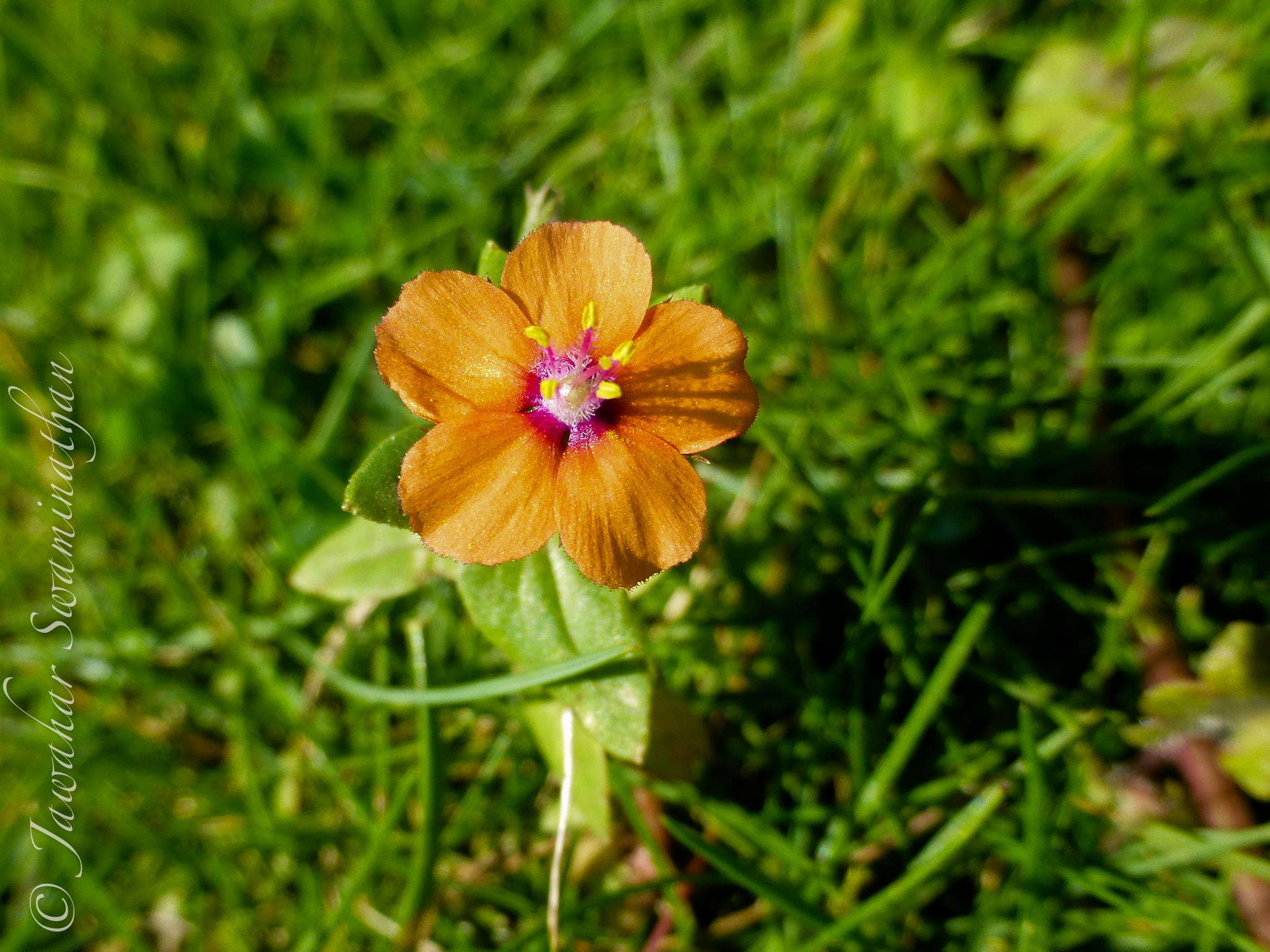
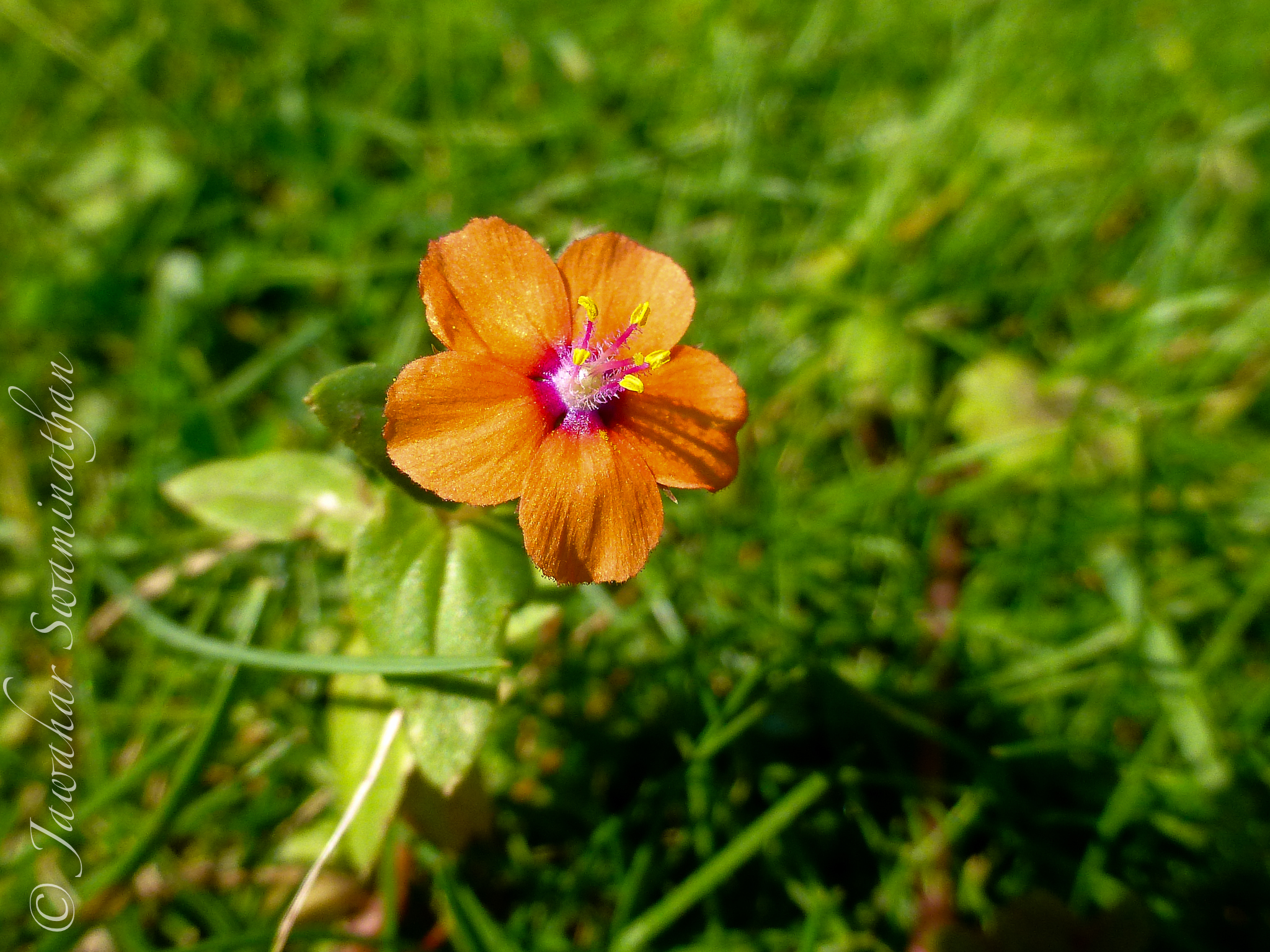
For more information, please see: http://wildflowerfinder.org.uk/Flowers/P/Pimpernel(Scarlet)/Pimpernel(Scarlet).htm
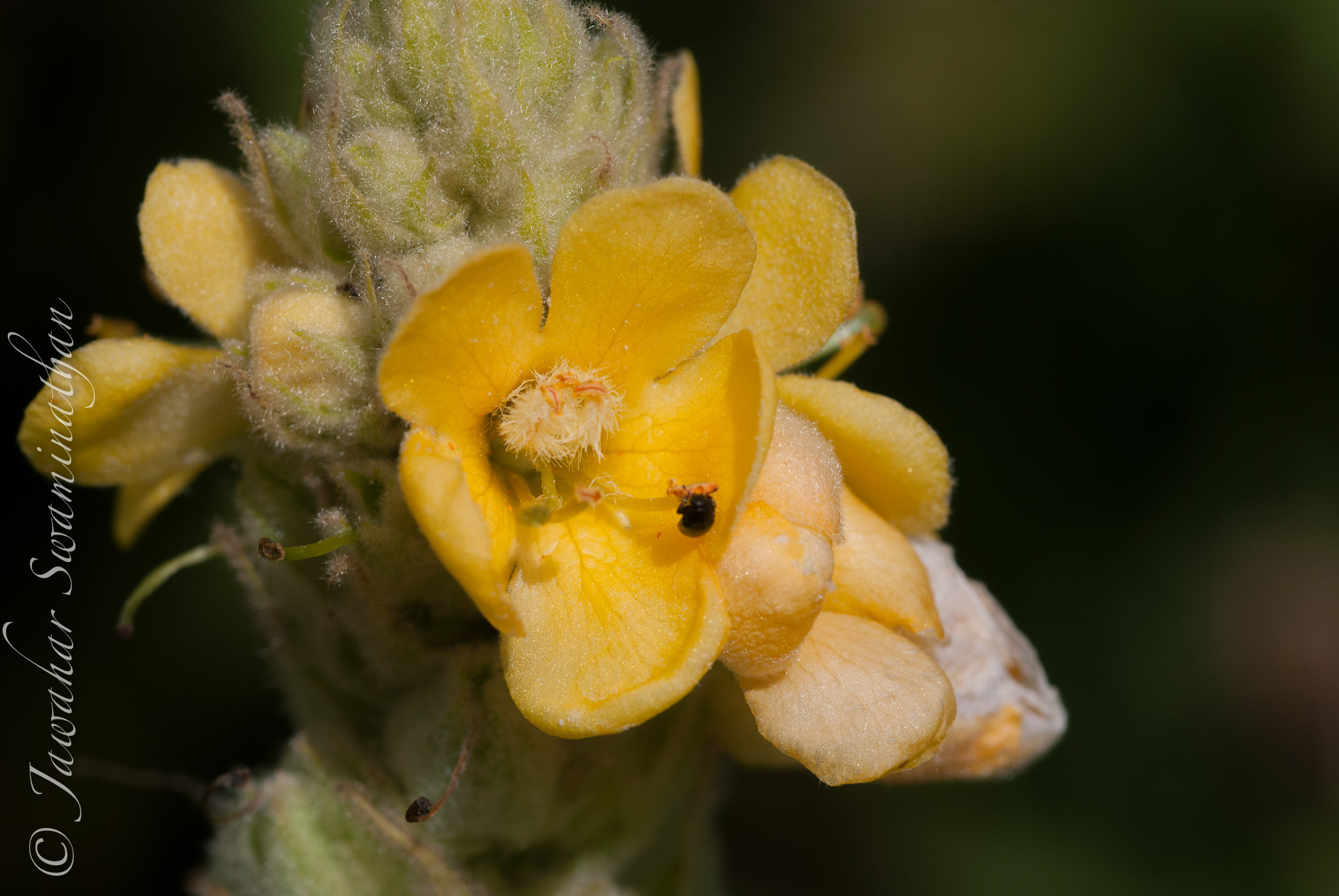
Great mullein (Verbascum thapsus) is a robust, upright plant that is covered with thick white woolly hairs. It is commonly found in grassland, and verges. The flowers are produced on an upright stalk and are usually bright yellow in colour.
Related Posts:
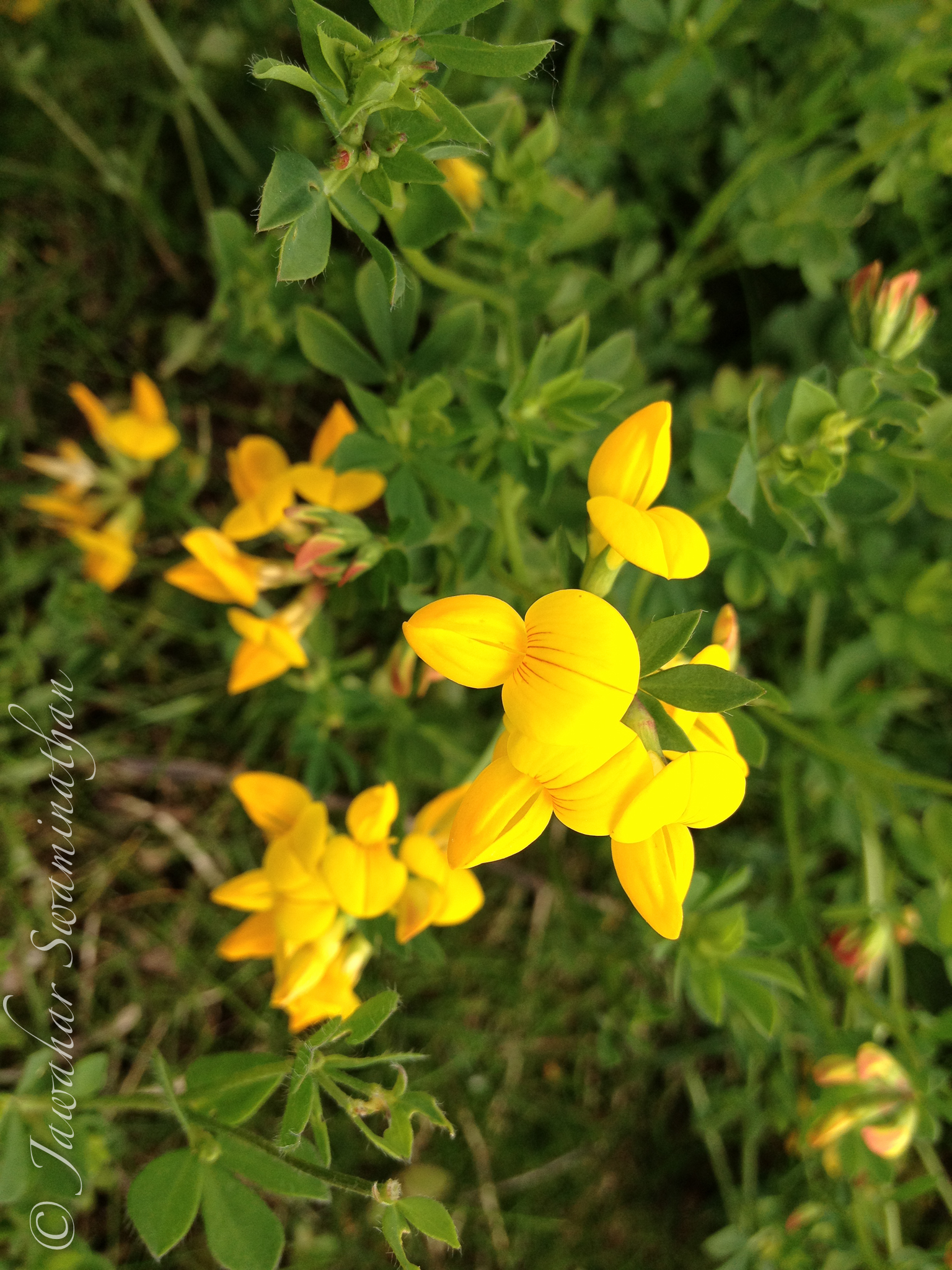
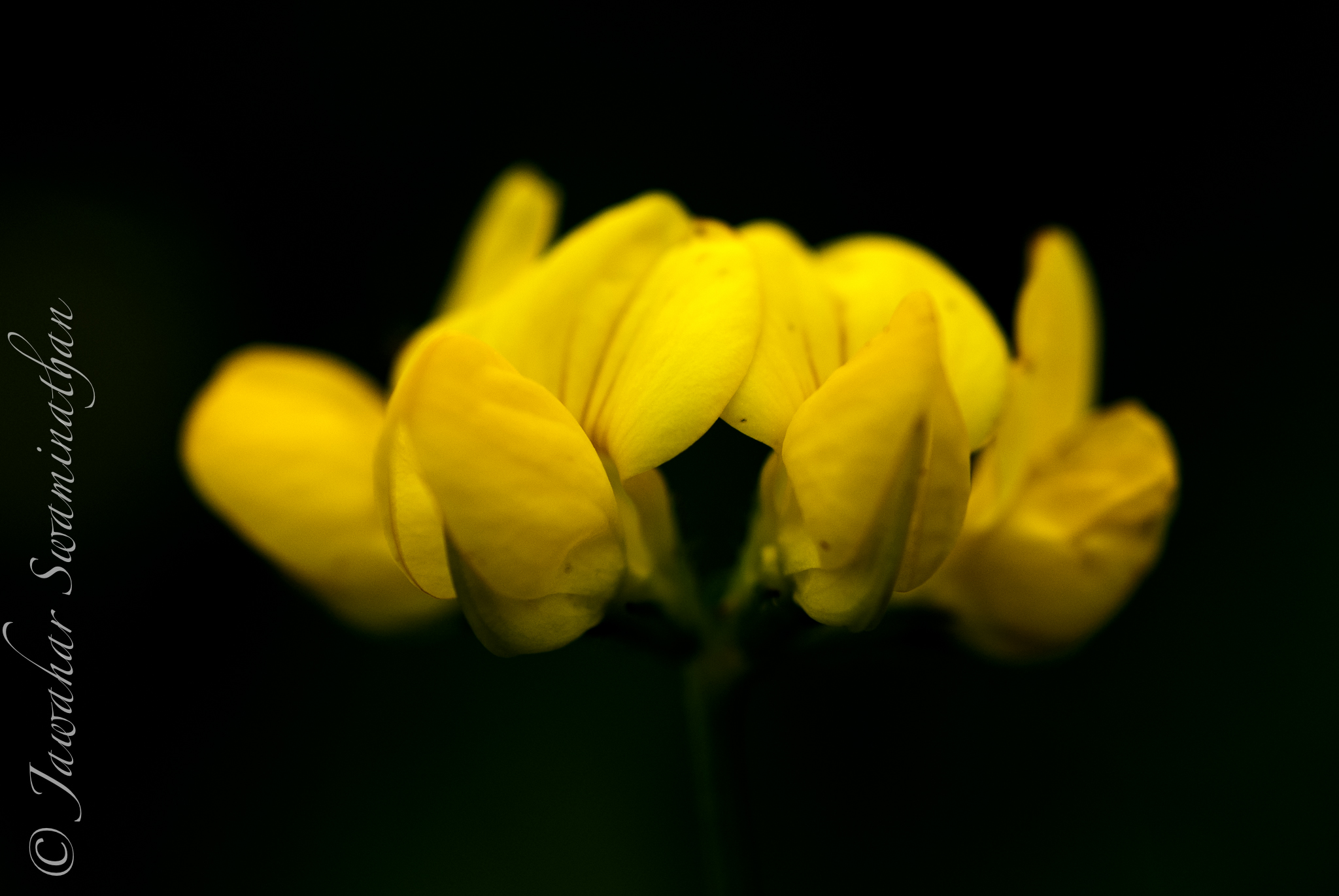
A common sight in British grasslands and meadows. In high season, whole fields seem coated in yellow. These plants, also called Lotus corniculatus, belong to the same family as the pea.
Related Posts:
Following on from my earlier post on wildflowers in the United Kingdom, here are the thistles.
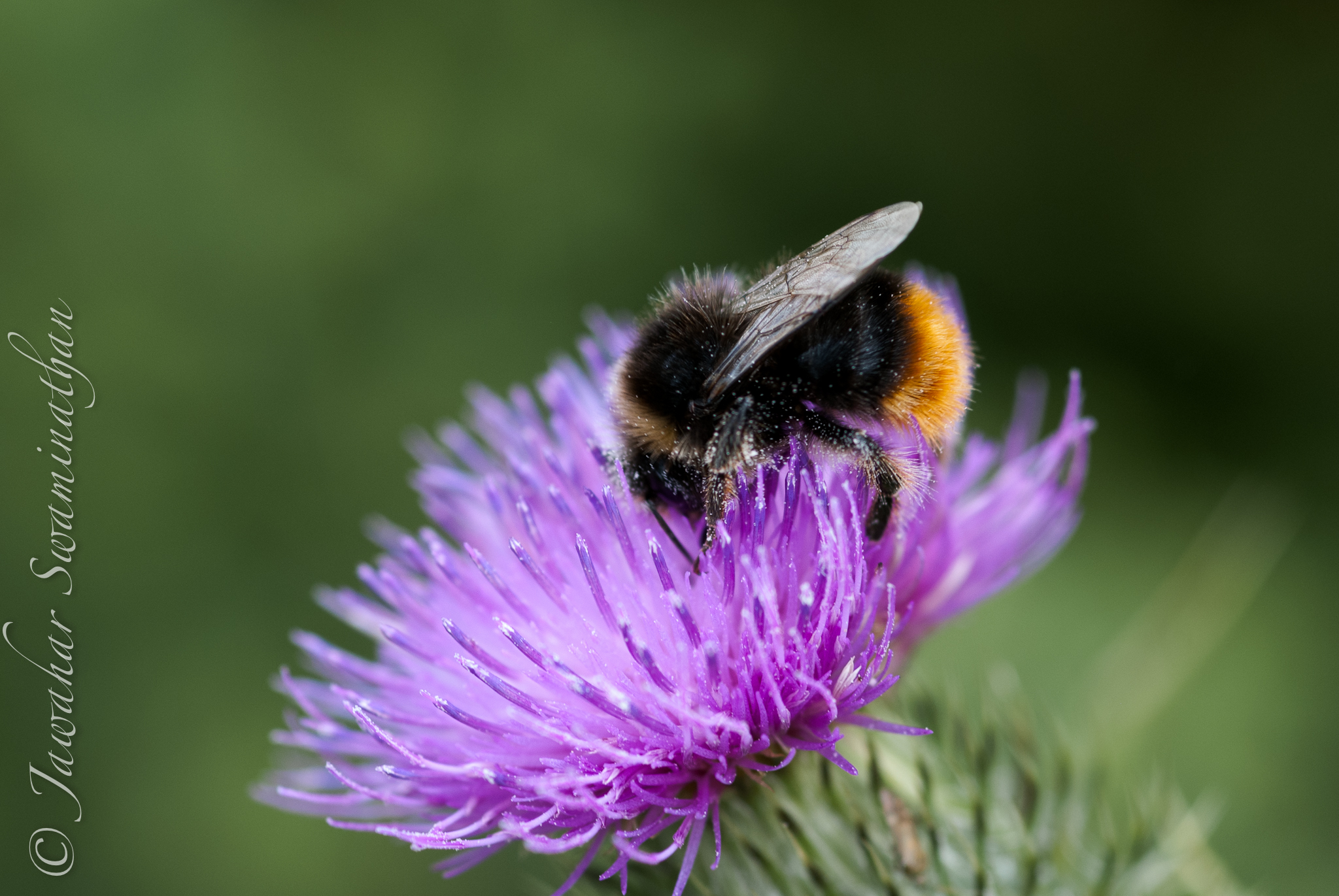

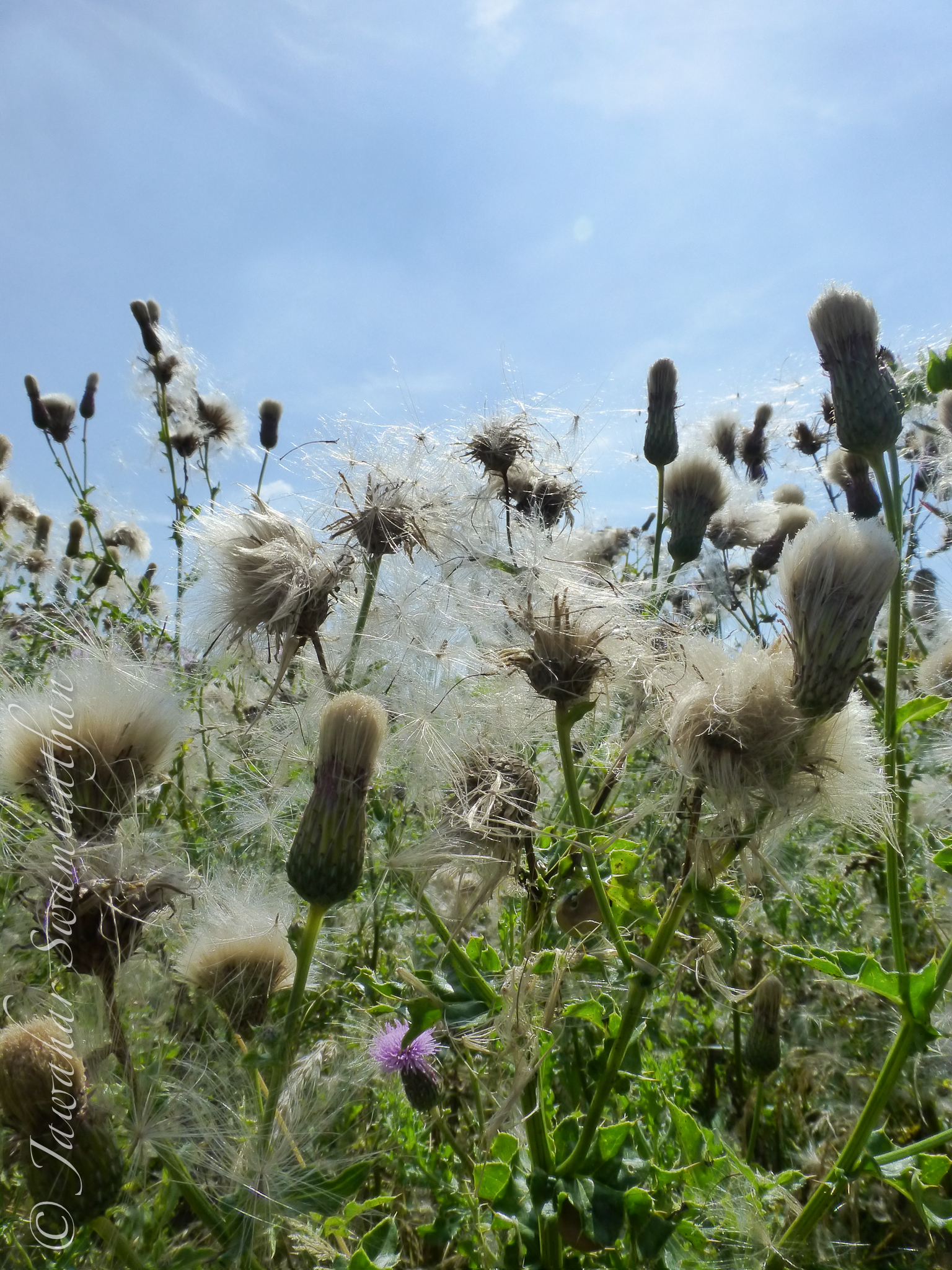

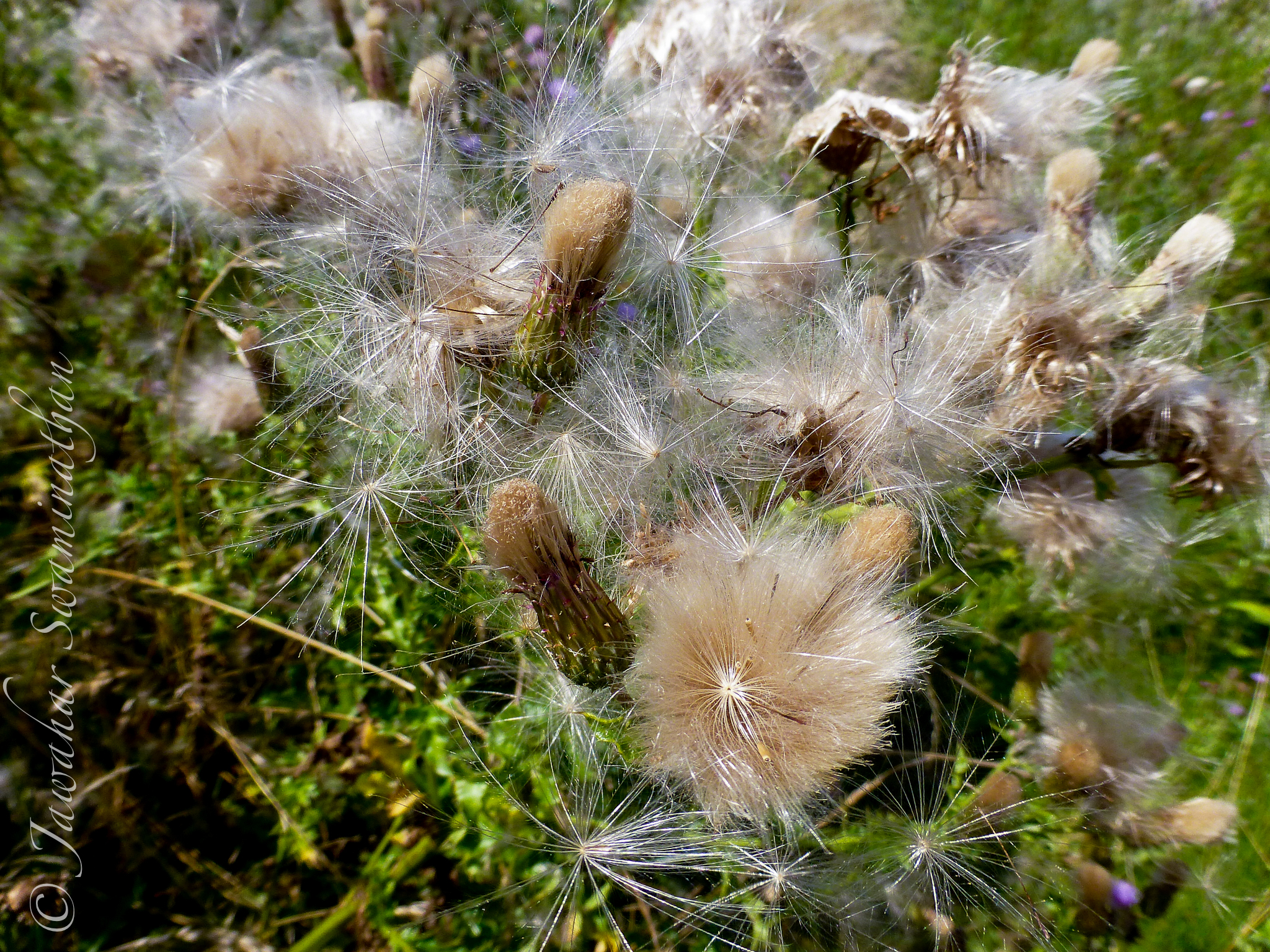
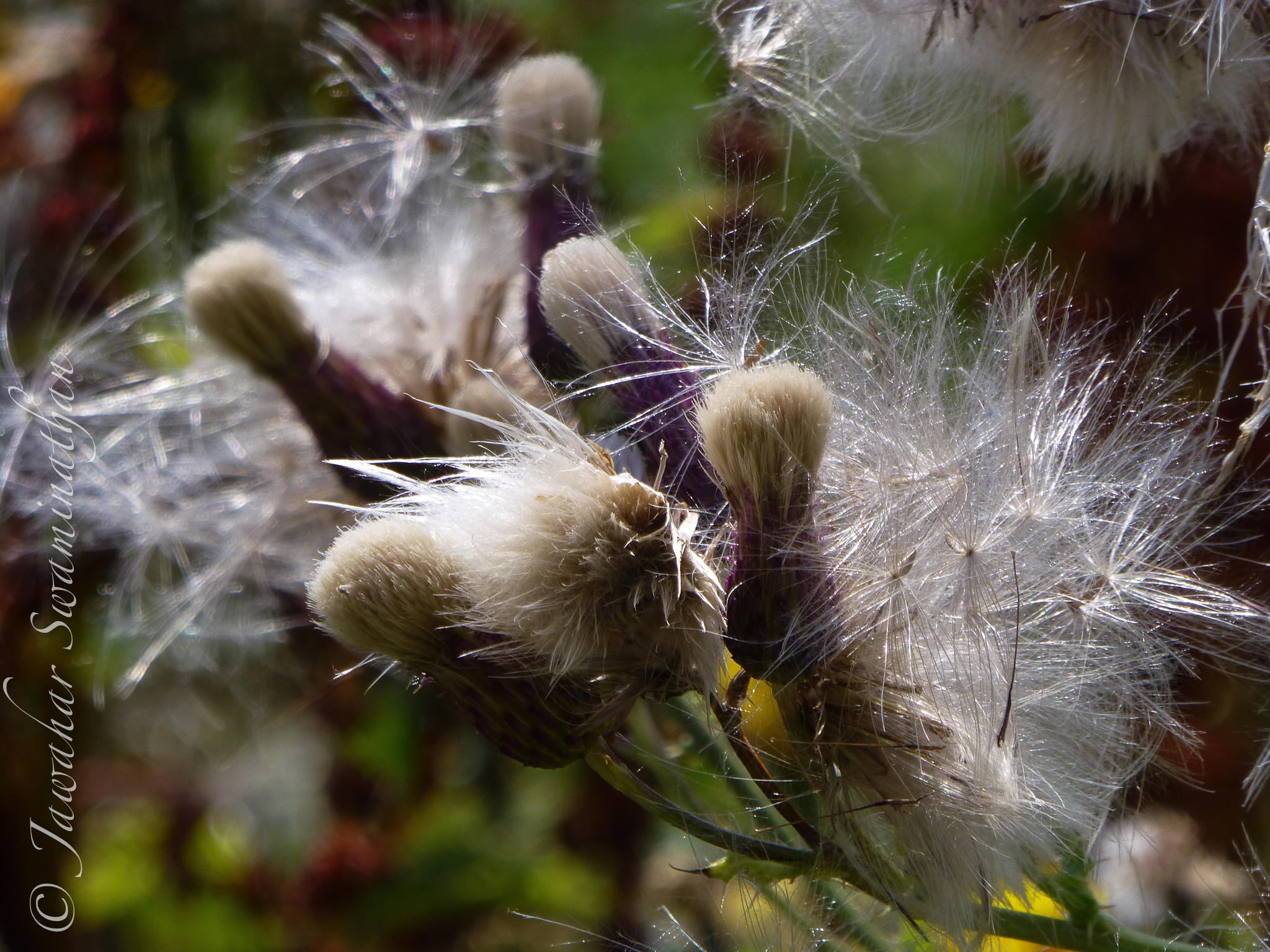

Creeping thistle seeds – silky feathers that carry the seeds long distances in the wind.
Click on any of the pictures above to see a full-size image. I hope you like the post and the pictures. I welcome your comments.
Related Post: http://juridicious.com/2012/08/08/british-wild-flowers/trackback/
Have you ever wished you knew the name of that plant with those bright flowers that you encounter in the countryside, or even your backyard? Even if the plant were a weed you wanted desperately be rid of, wouldn’t it be nice to kill it after you knew what its name? Some people tell me there’s no fun in classification as it spoils the enjoyment that can be had by just admiring what nature gives to us. Isn’t that a bit like saying “I love this beautiful town, but I don’t really want to know where I am!“. Giving names to things we see is, to me at least, a means by which we make sense of the world around us, communicate with others, and have a common platform for exchange of information and knowledge.
My lunchtime walks in South Cambridgeshire often take me across hedgerows, fallow fields, meadows and suchlike. In the summer, these abound with myriad flowers and plants of various sizes, hues and colours. Barring the most coarse of classifications – “that looks a bit like a daisy” or “probably related to the pea family” – I didn’t have a clue on what these were called. As someone who regularly carries a camera, it was most dispiriting not to know what flower one was taking a picture of. I recently bought an excellent guide of British Wild Flowers by Paul Sterry and used it to identify the flowers that follow. There is also this brilliant website – http://wildflowerfinder.org.uk/ that is very useful in identifying wild flowers.


Another flower that I see everywhere these days is the Great Willowherb (Epilobium hirsutum). The plants are between 1-2m tall and have lots of purple flowers with white insides and a 4-lobed stigma.


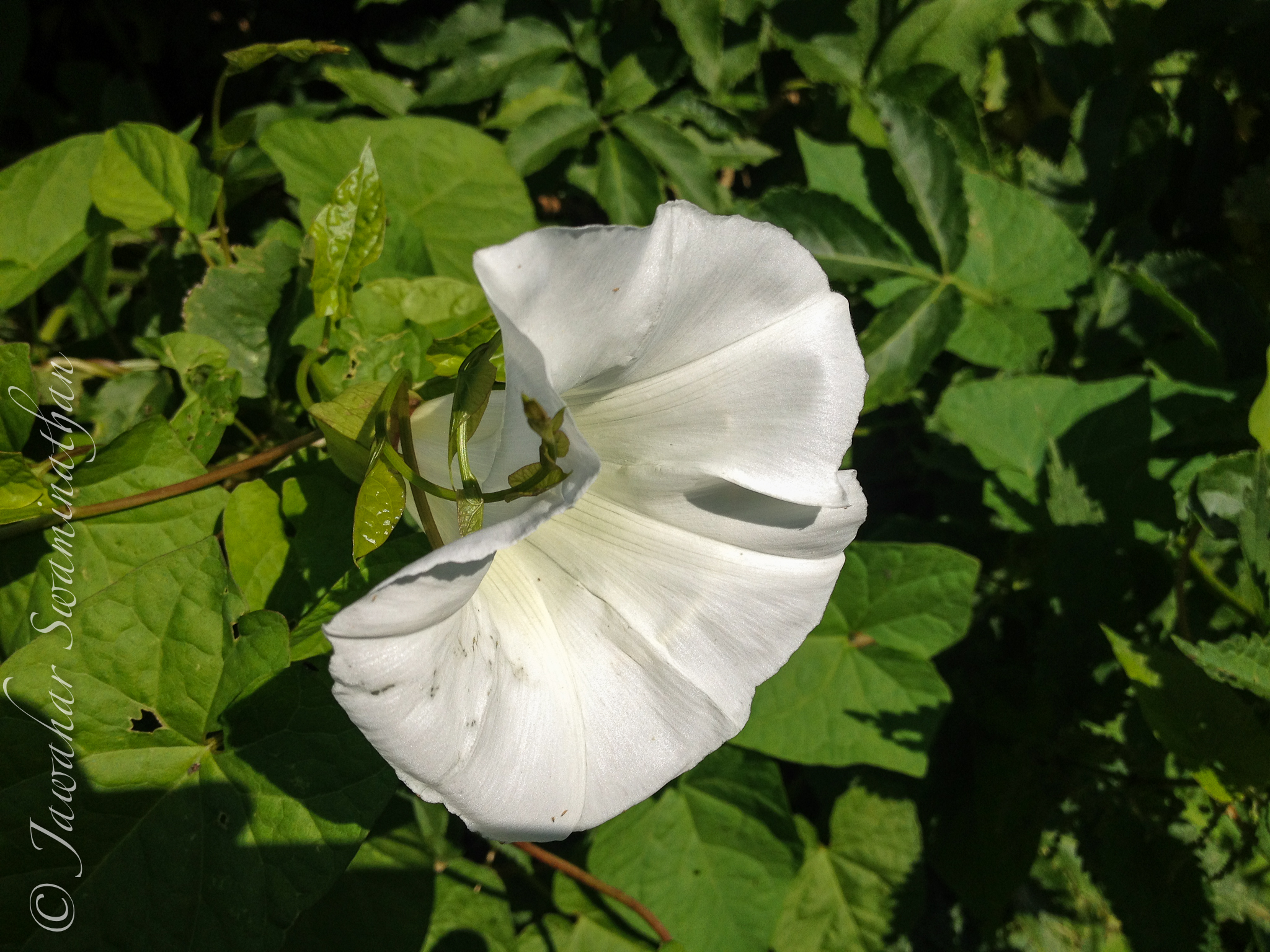
Bindweed – Convolvulaceae
The scourge of the english garden, I didn’t realise that there are different sorts of this member of the morning-glory family of mostly creeping plants. Easily identified by their funnel-shaped flowers. The convolvulaceae also include food bearing plants like sweet-potato (Ipomoea batatas). Here are two of the bindweed family (one of these is slowly killing my hedge as well!).

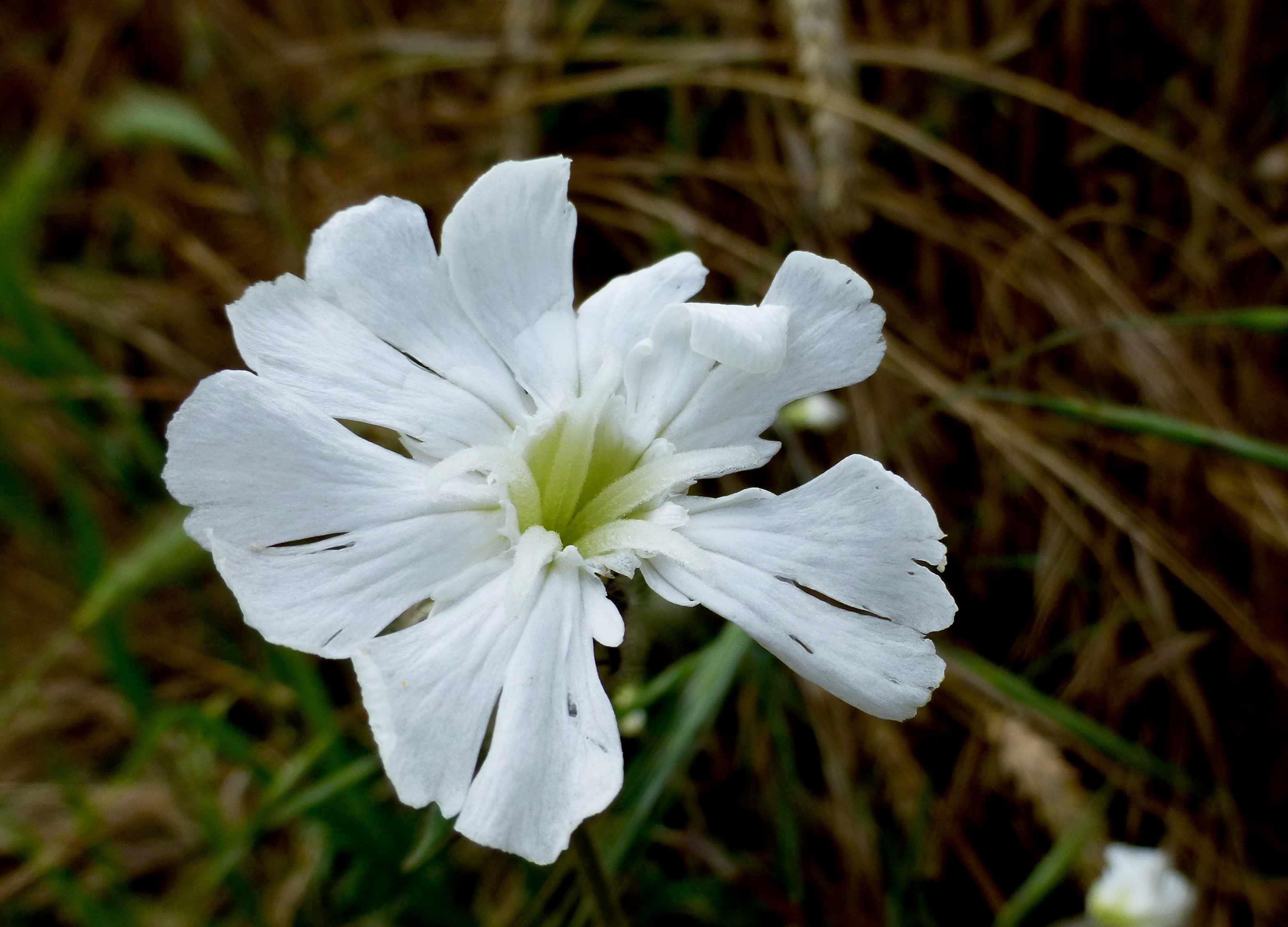
Campion: I see this plant with its funny flowers almost everywhere (they have this rather bulbous base which makes it look like the flower squeezing out), only I didn’t know what its name.

That concludes my first foray into wild flowers in Britain. As I seem to have many more unidentified flowers in my collection, it looks like I have some more reading to do! If, like me, you’ve been ignorant of the sheer variety of wild plants in your neighbourhood, I hope I’ve provided some initiative for you to get out and find out what they are.
And I welcome your comments!
 Juridicious