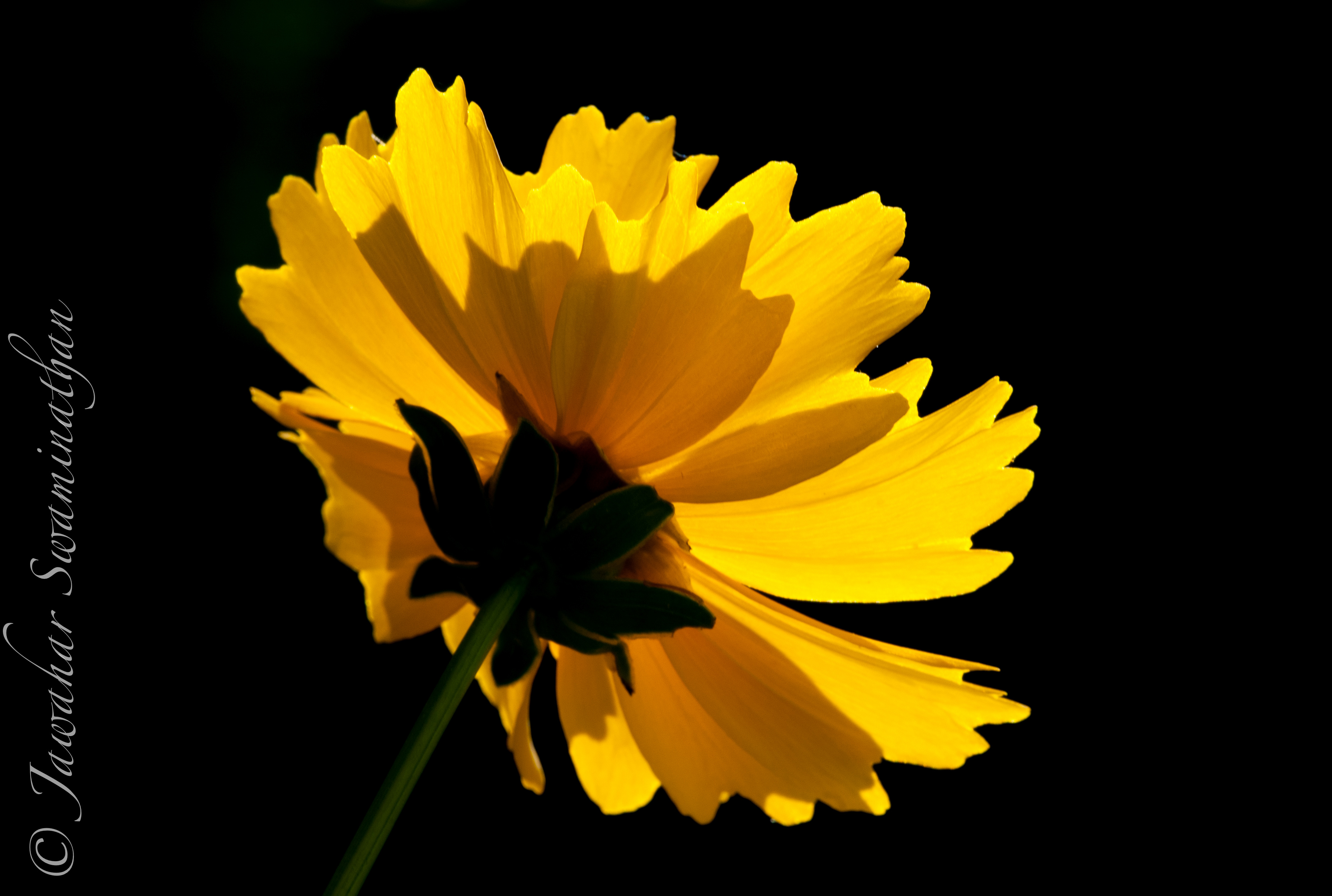
A yellow daisy shot from underneath the flower against sunlight. Click on the picture for a larger view.
Technical Details
Nikon D80
Sigma 105mm f/2.8 macro lens
f/4.5
1/3200
A yellow daisy shot from underneath the flower against sunlight. Click on the picture for a larger view.
Technical Details
Nikon D80 Sigma 105mm f/2.8 macro lens f/4.5 1/3200
Scarlet pimpernel – a small flower with a big and famous name. A low sprawling plant with bright red flowers about 10mm across. All parts of the plant are poisonous and contain glucopyranoside cucurbitacins (Arvenins I to IV). Consumption can cause stomach upsets, trembling and kidney damage. (Source: Wildflowerfinder.org.uk).
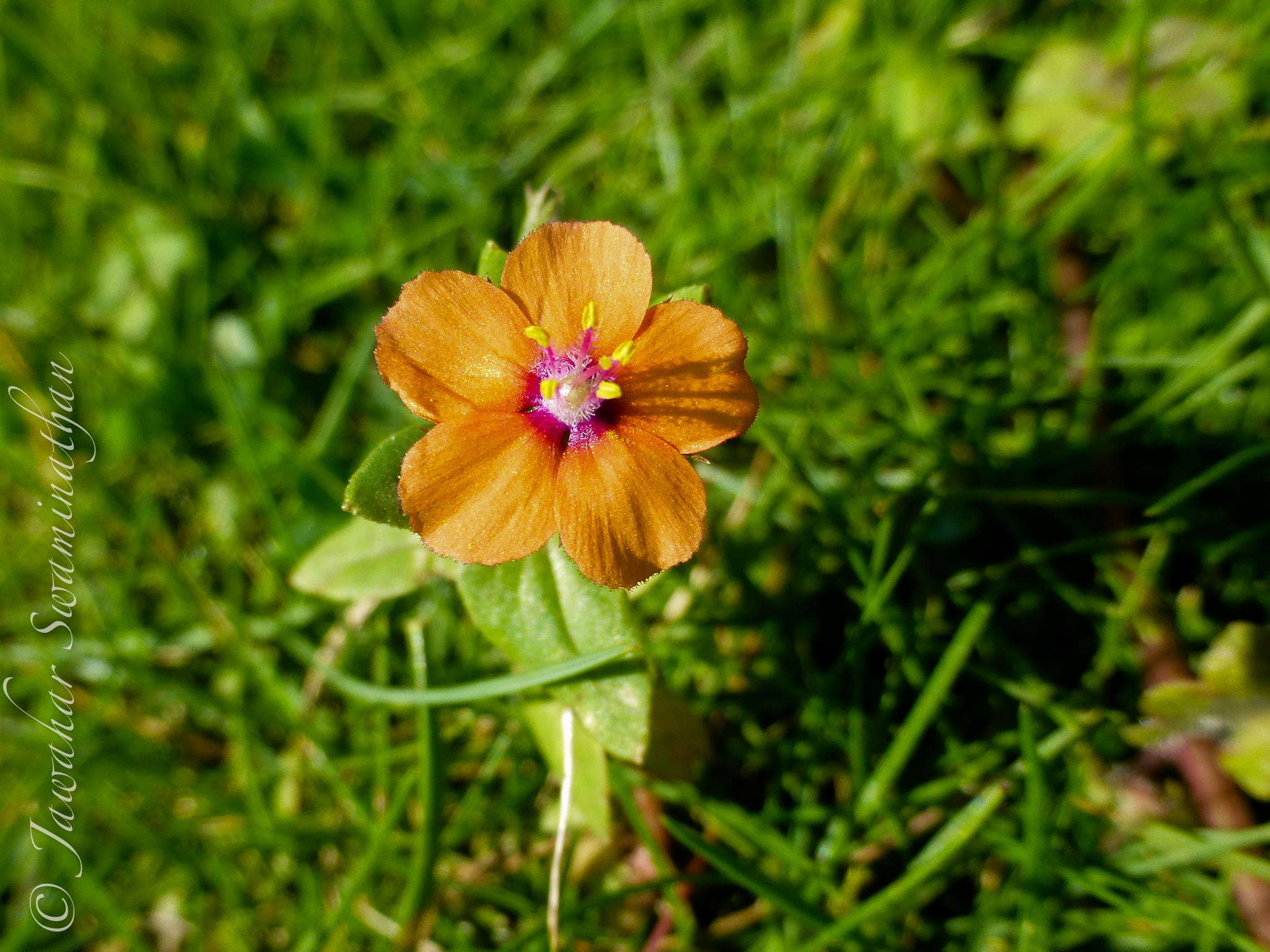
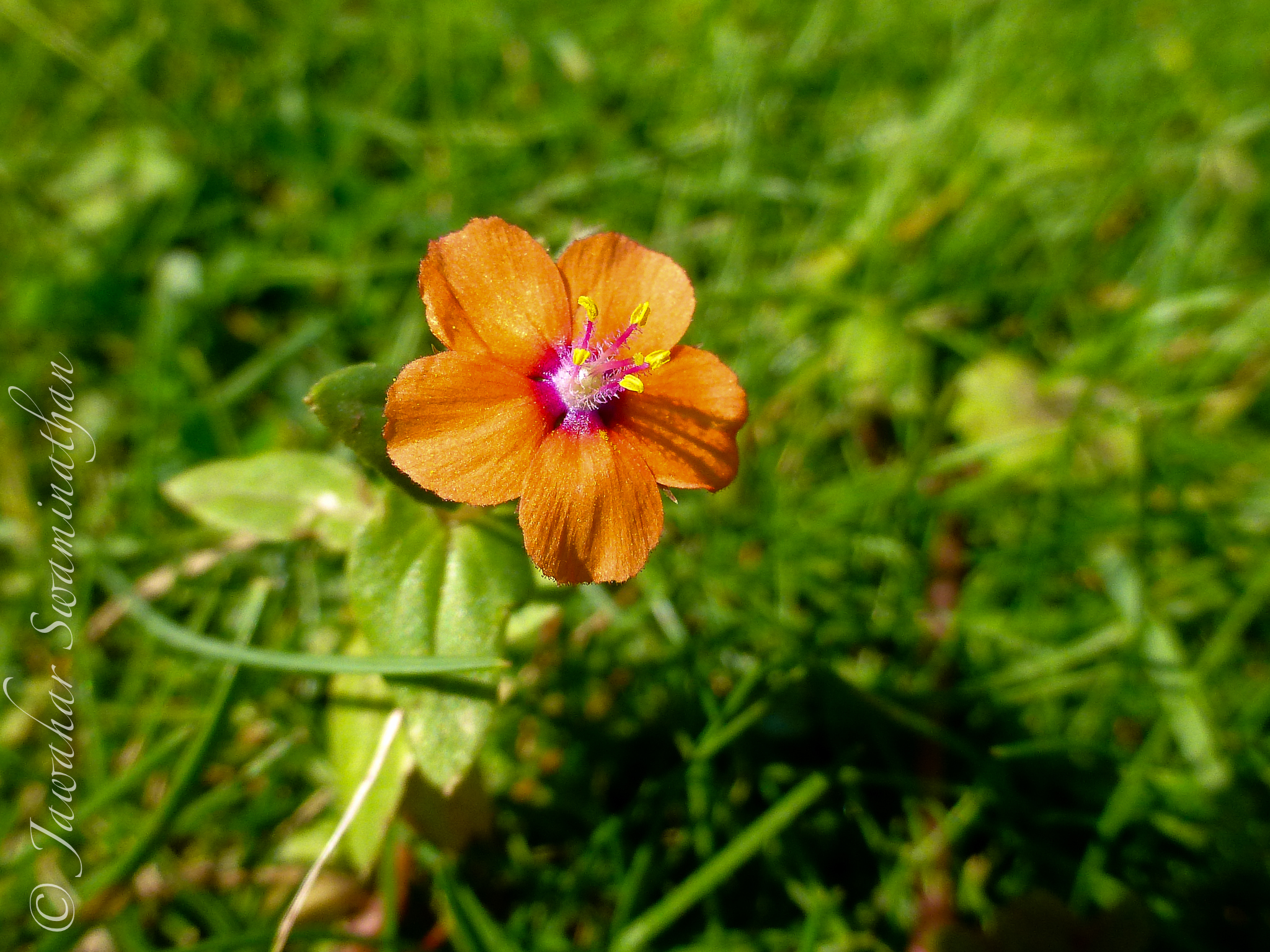
For more information, please see: http://wildflowerfinder.org.uk/Flowers/P/Pimpernel(Scarlet)/Pimpernel(Scarlet).htm
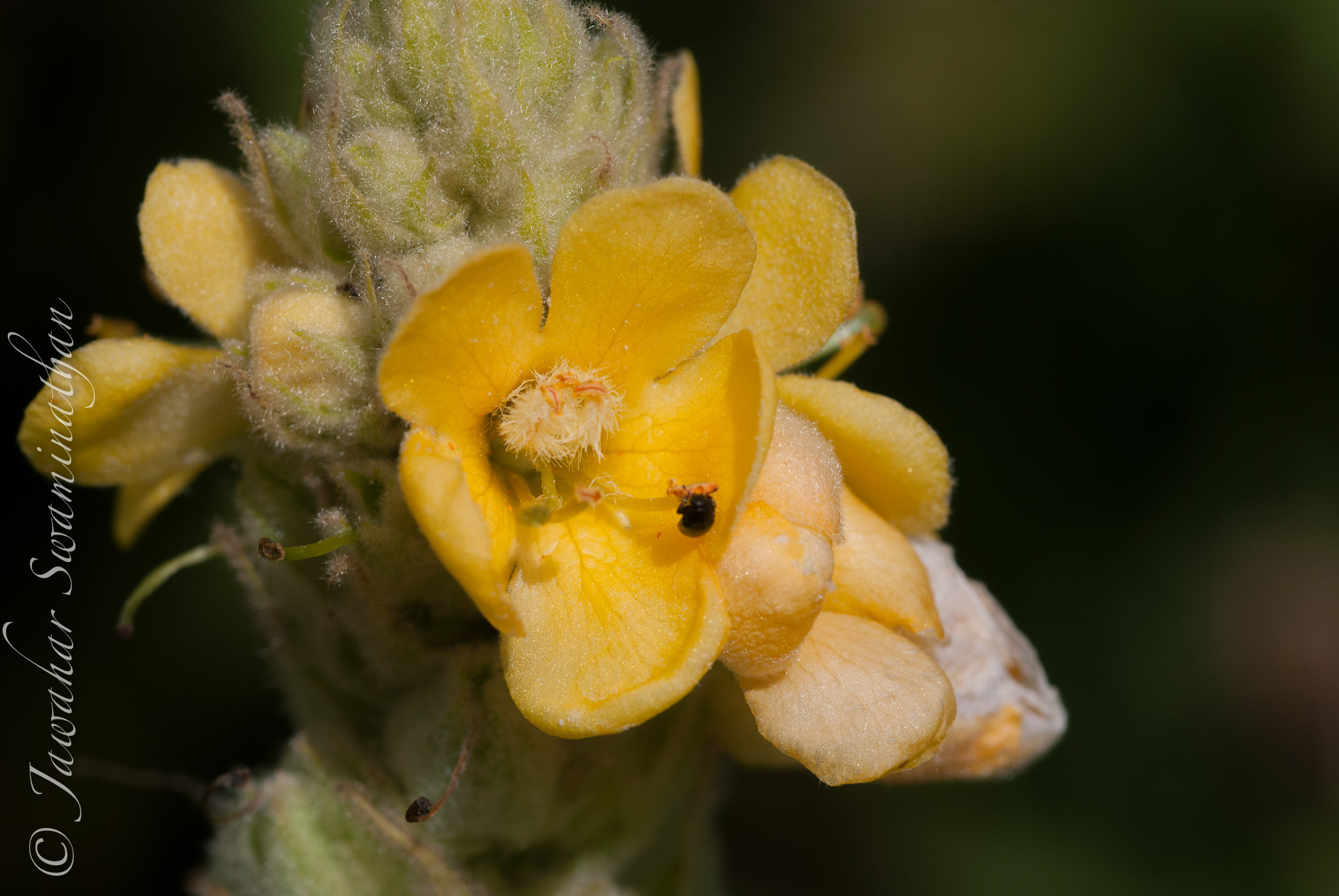
Great mullein (Verbascum thapsus) is a robust, upright plant that is covered with thick white woolly hairs. It is commonly found in grassland, and verges. The flowers are produced on an upright stalk and are usually bright yellow in colour.
Related Posts:
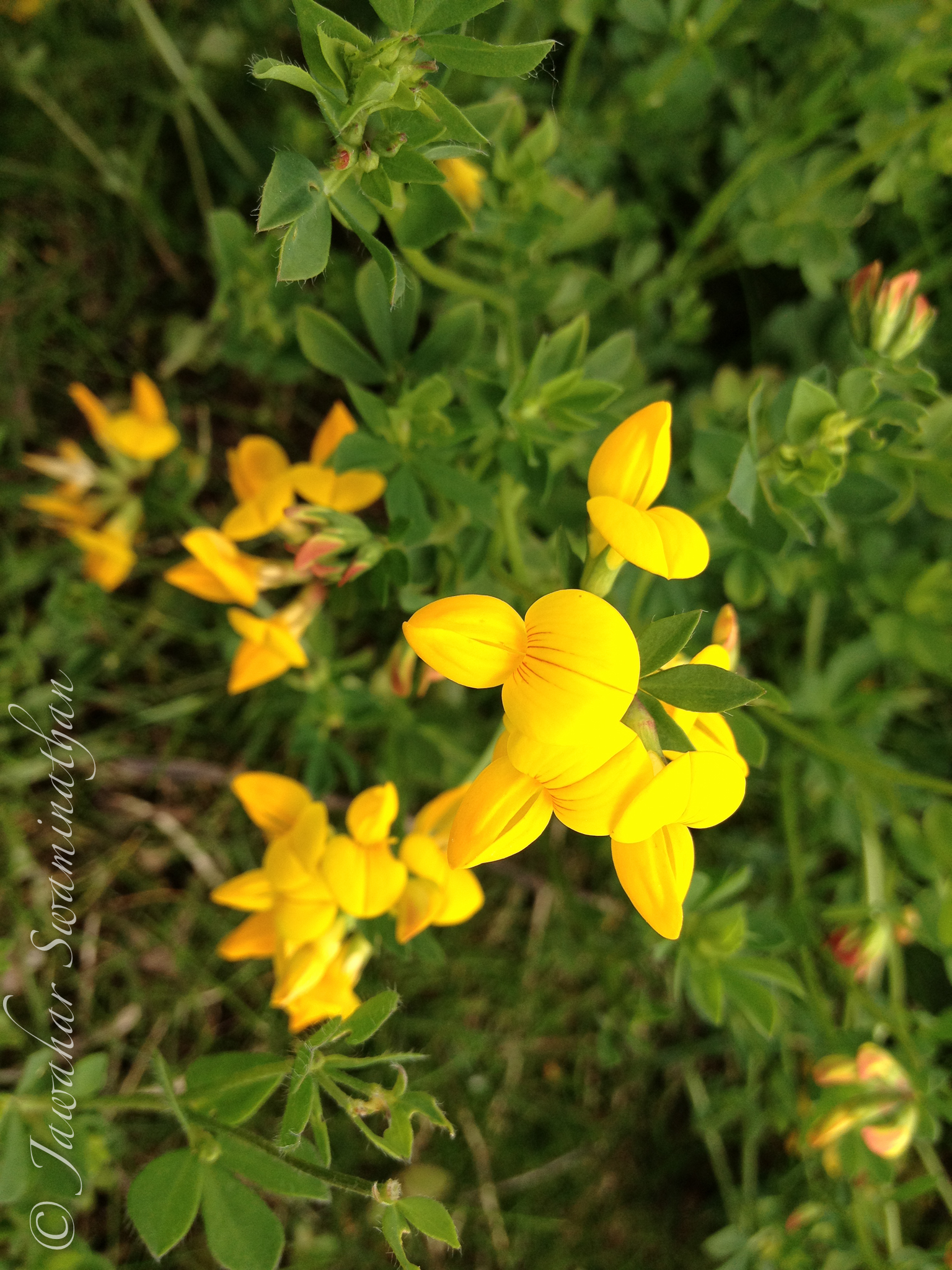
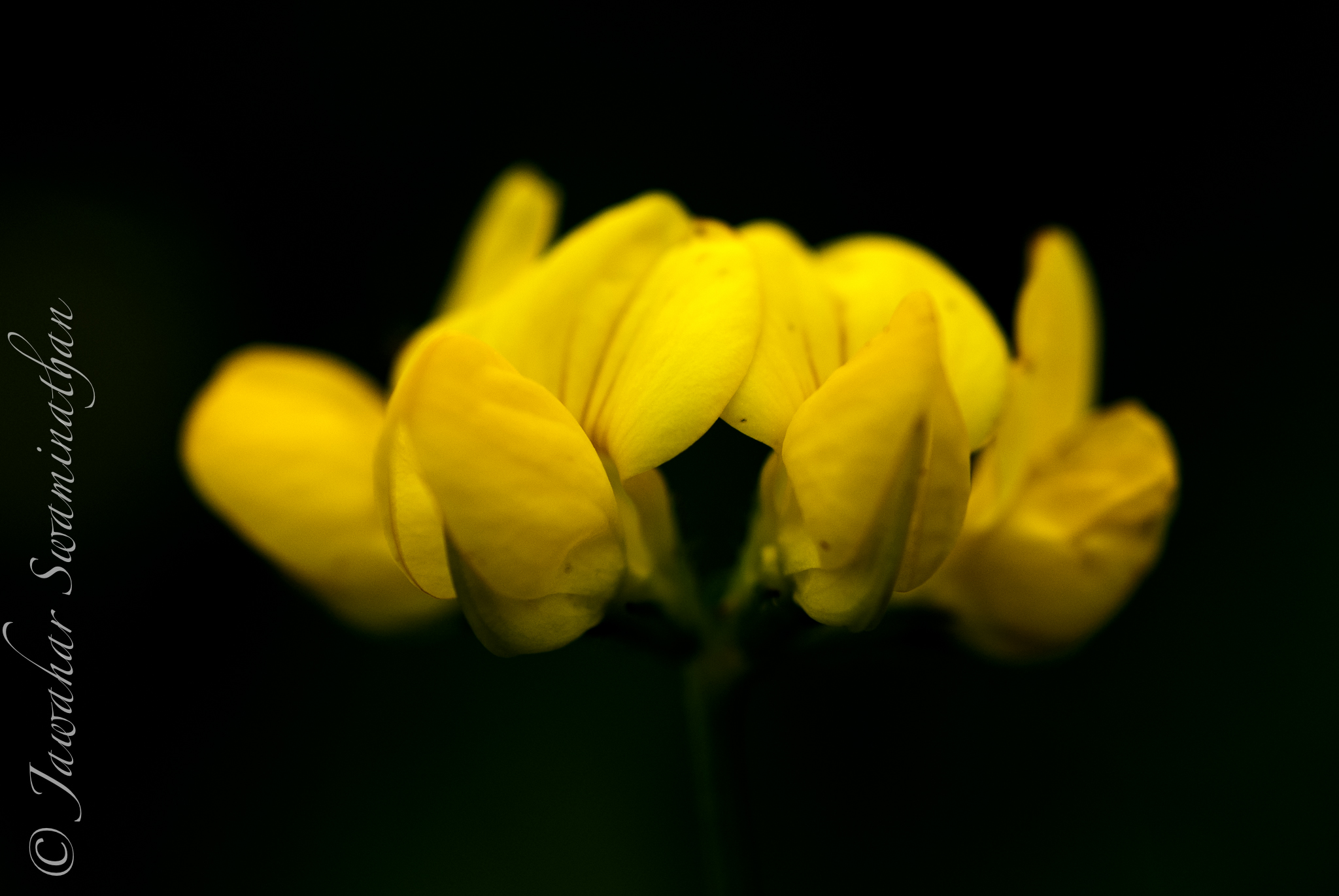
A common sight in British grasslands and meadows. In high season, whole fields seem coated in yellow. These plants, also called Lotus corniculatus, belong to the same family as the pea.
Related Posts:
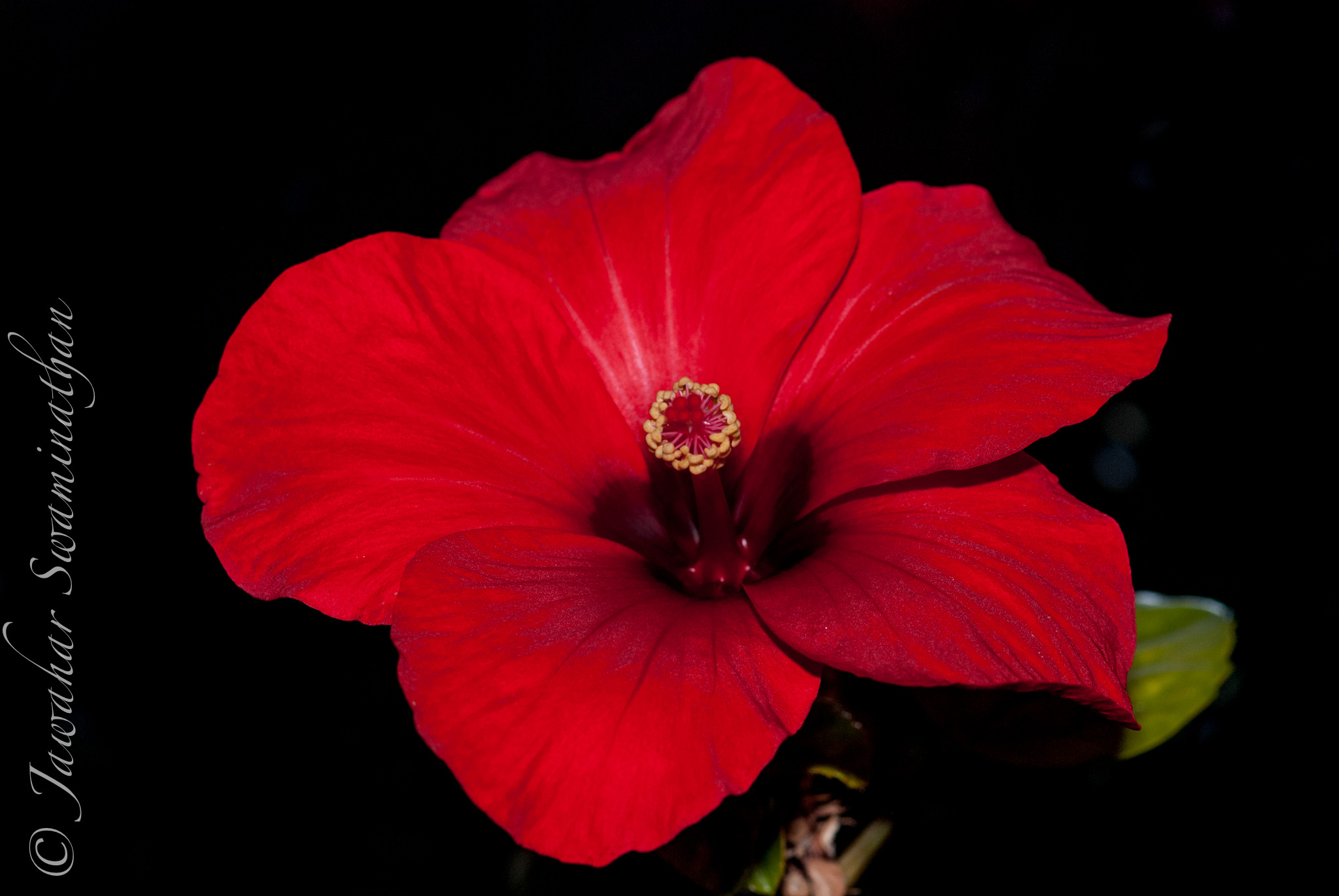
Growing Hibiscus indoors in a country like Britain poses challenges. For one, these plants need to be grown inside the house all year round, and need good warmth and sunlight. But the troubles fade when the flowers begin to appear. Big red (or orange/white depending on the variety) short-lived flowers add much-needed splash of colour indoors and offer a hint of the orient!!
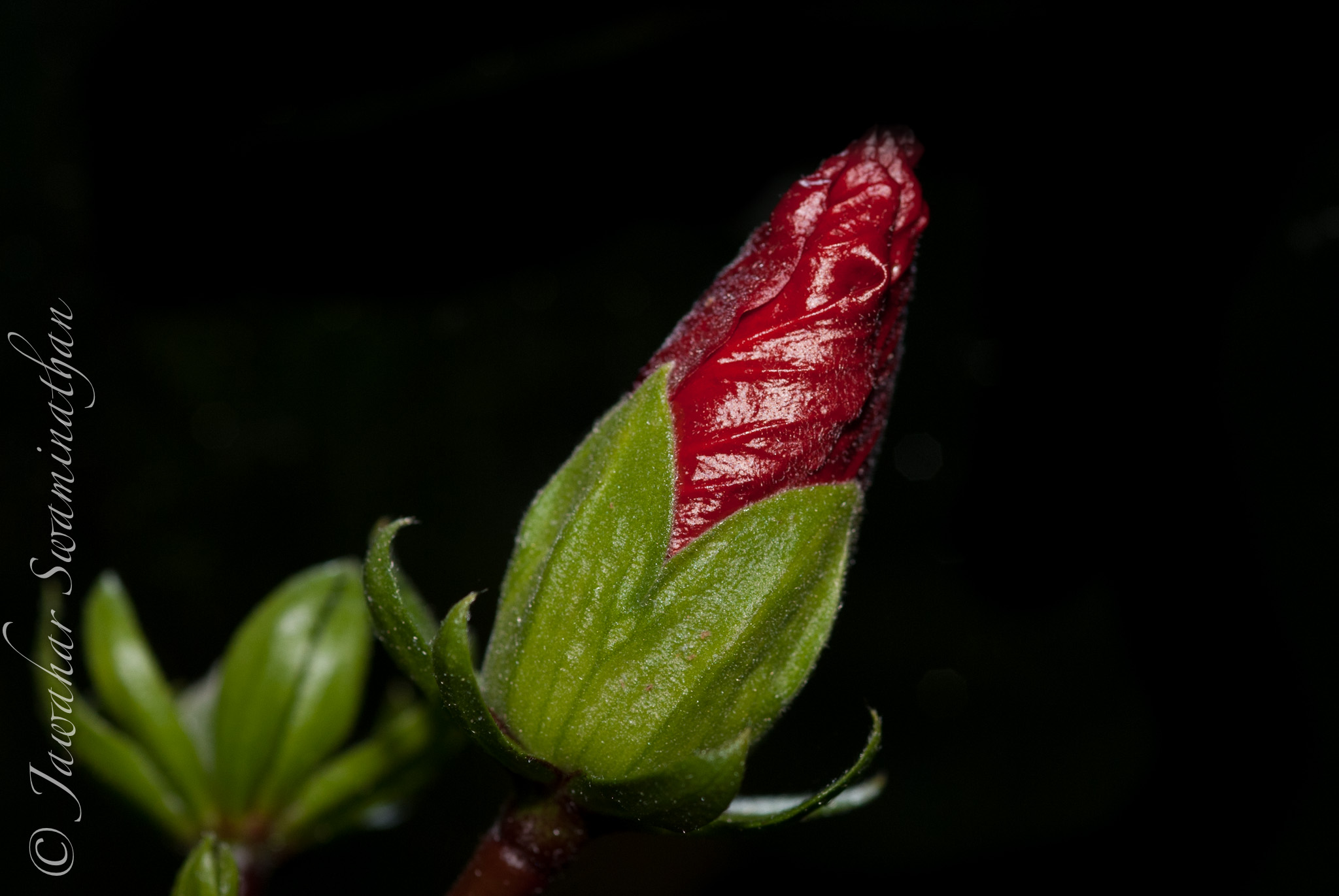
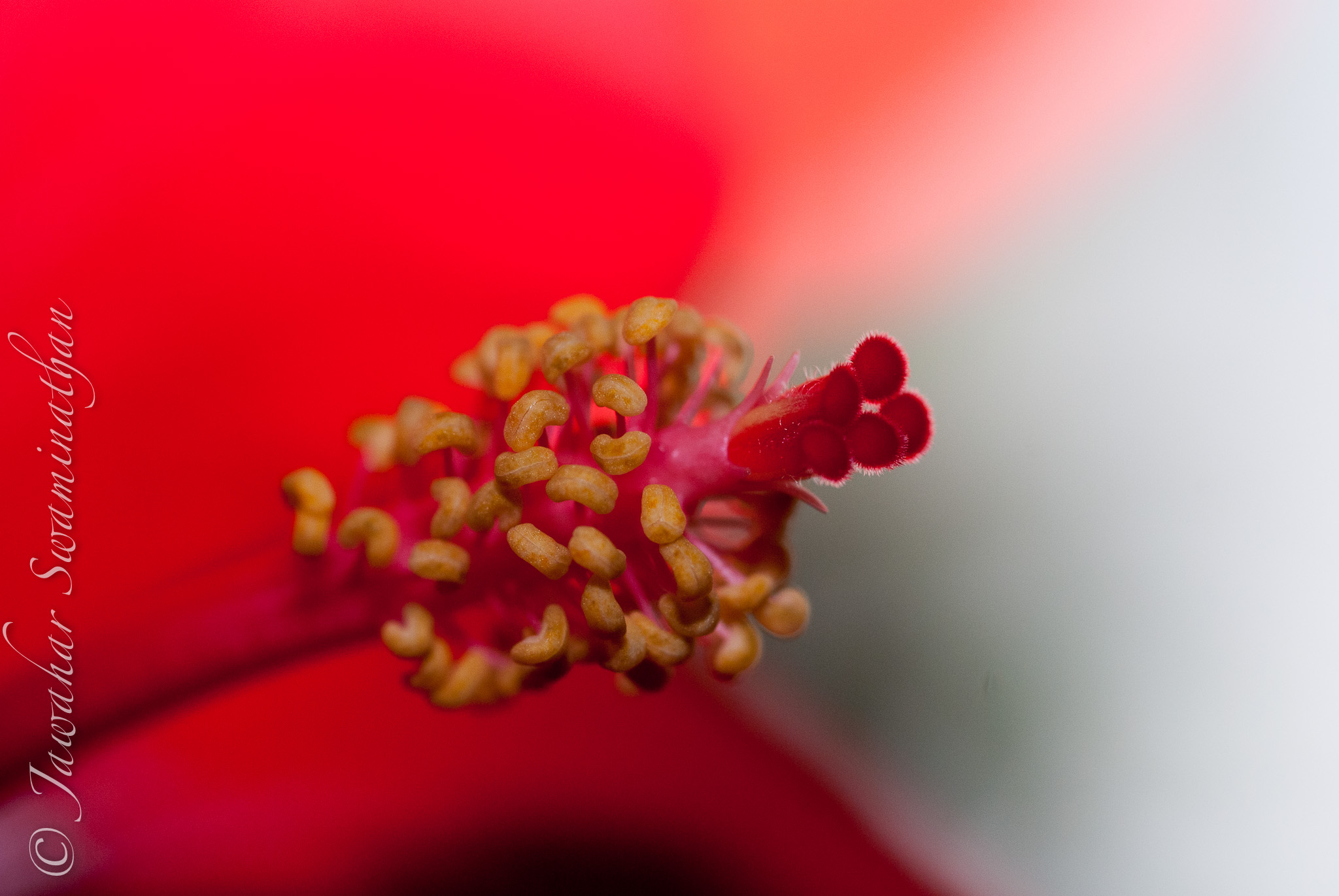
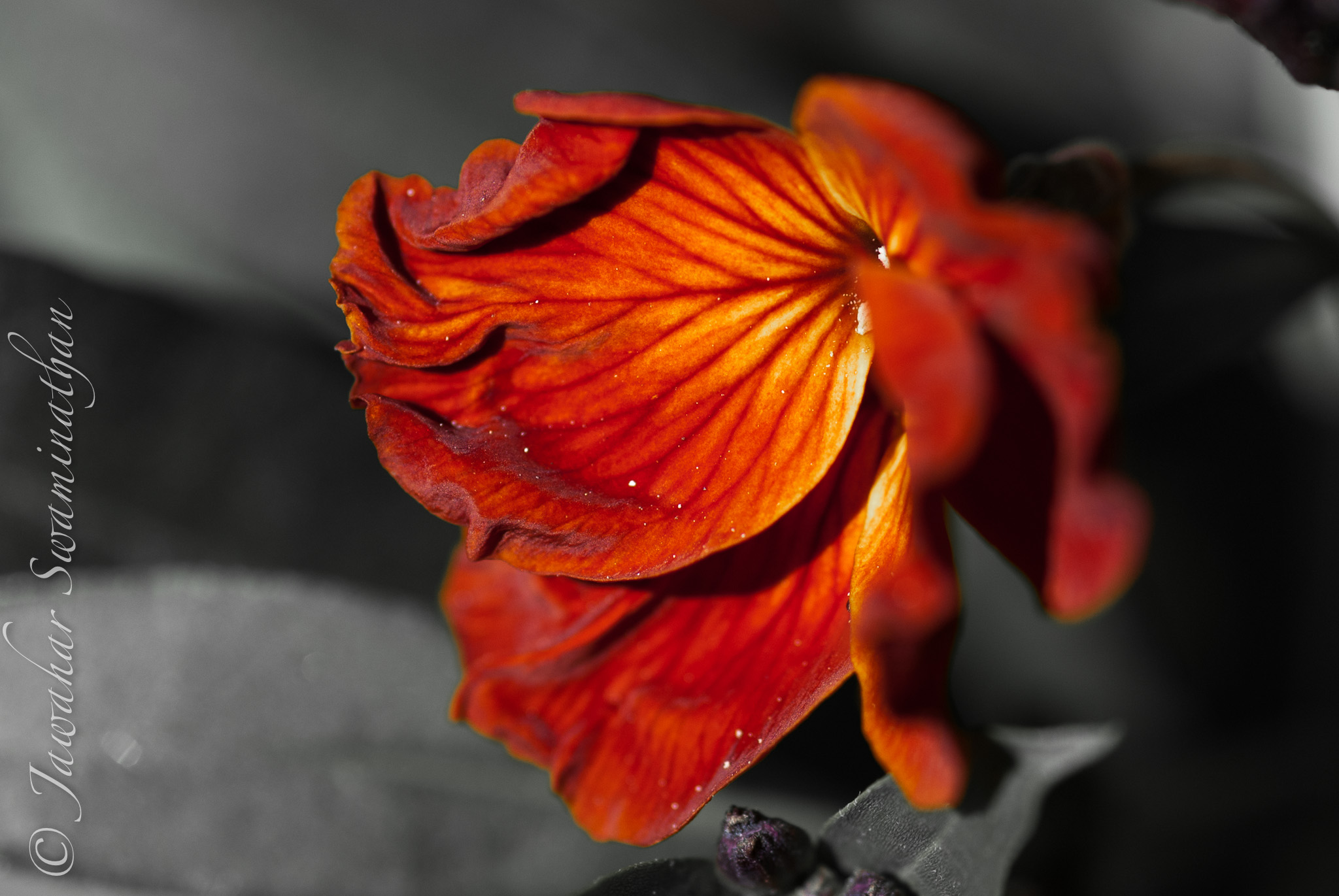
Wallflowers (Erysimum) are small perennial shrubs that produce flowers in the yellow-red range. This one is an early bloomer in my garden.
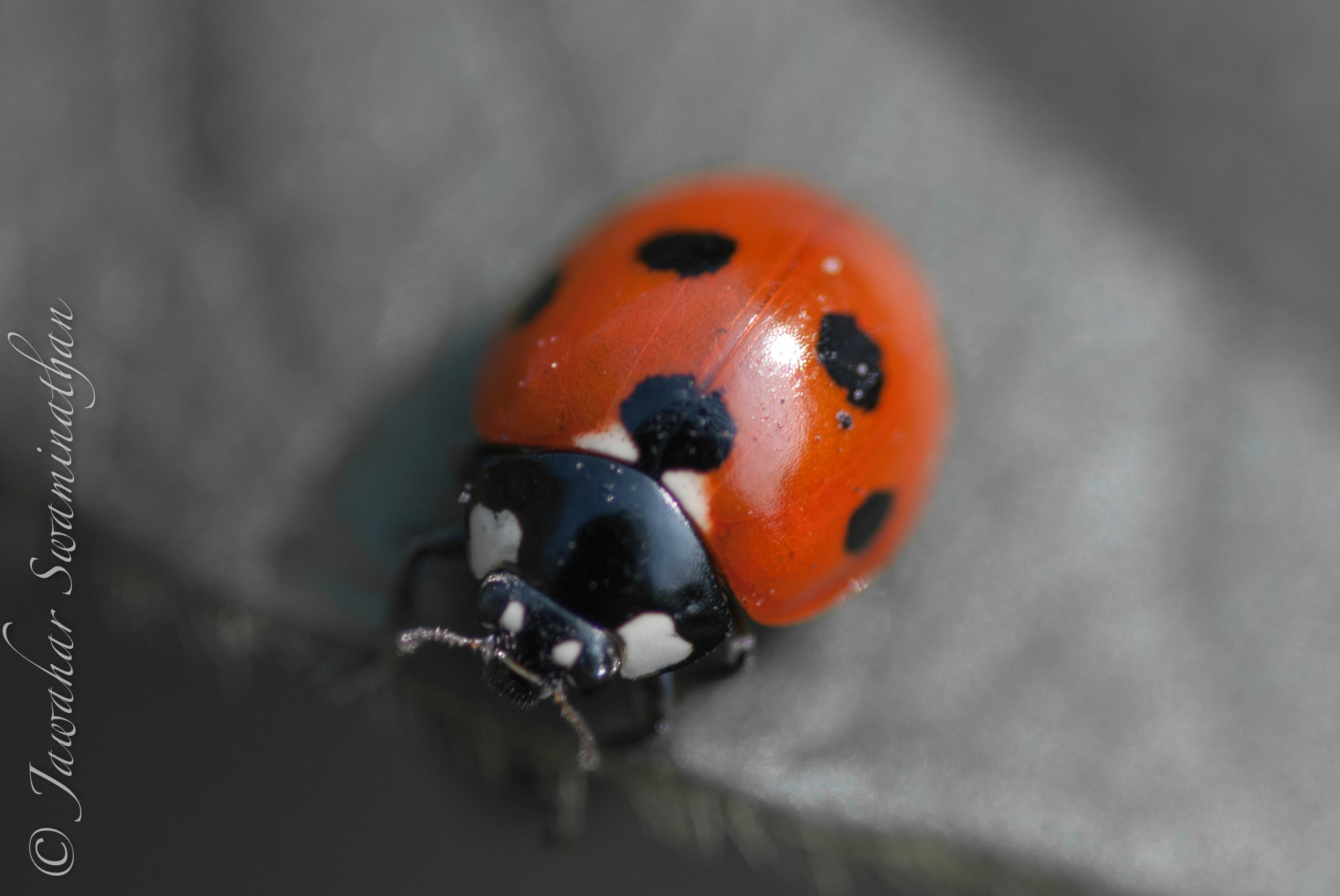
I spotted this ladybird on a concrete brick last week, and couldn’t resist another opportunity to a take a picture using my macro lens. The background was dark and provided good contrast to the colour of the beetle.
Dare I say spring might finally be on its way? After a long and bitterly cold winter here in the United Kingdom, and not to mention a few false starts along the way, it looks like spring might finally be here to stay.
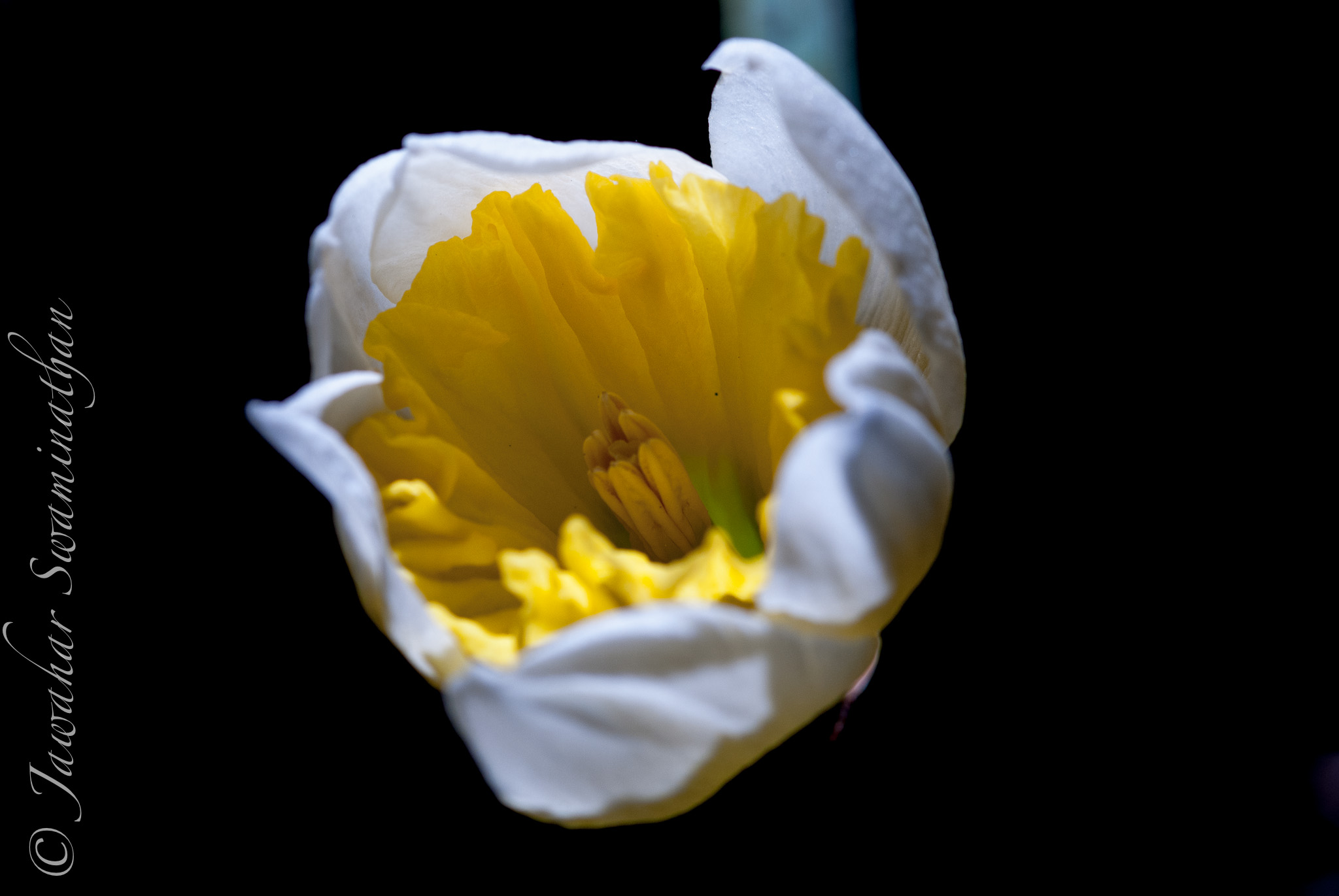
Glorious sunshine, blue skies and the signs of growth and rejuvenation. Daffodils colour the landscape in hues of yellows, oranges and white. This narcissus typifies the beauty of spring and belies activity that is obvious in nature. I shot this picture at a high shutter speed with the aperture stopped at f8.0 to keep the background dark. As it was the flower was conveniently highlighted by a lone ray of sunlight through the hedge.
Ladybird beetles show signs of renewed activity. The browns, greys give way to reds, greens and other colours resplendent of spring. And I’ve been out in the spring sunshine, in trying to capture the feeling of joy (and relief) that the days of shivering are a memory of times past and yet to come in the distant future.
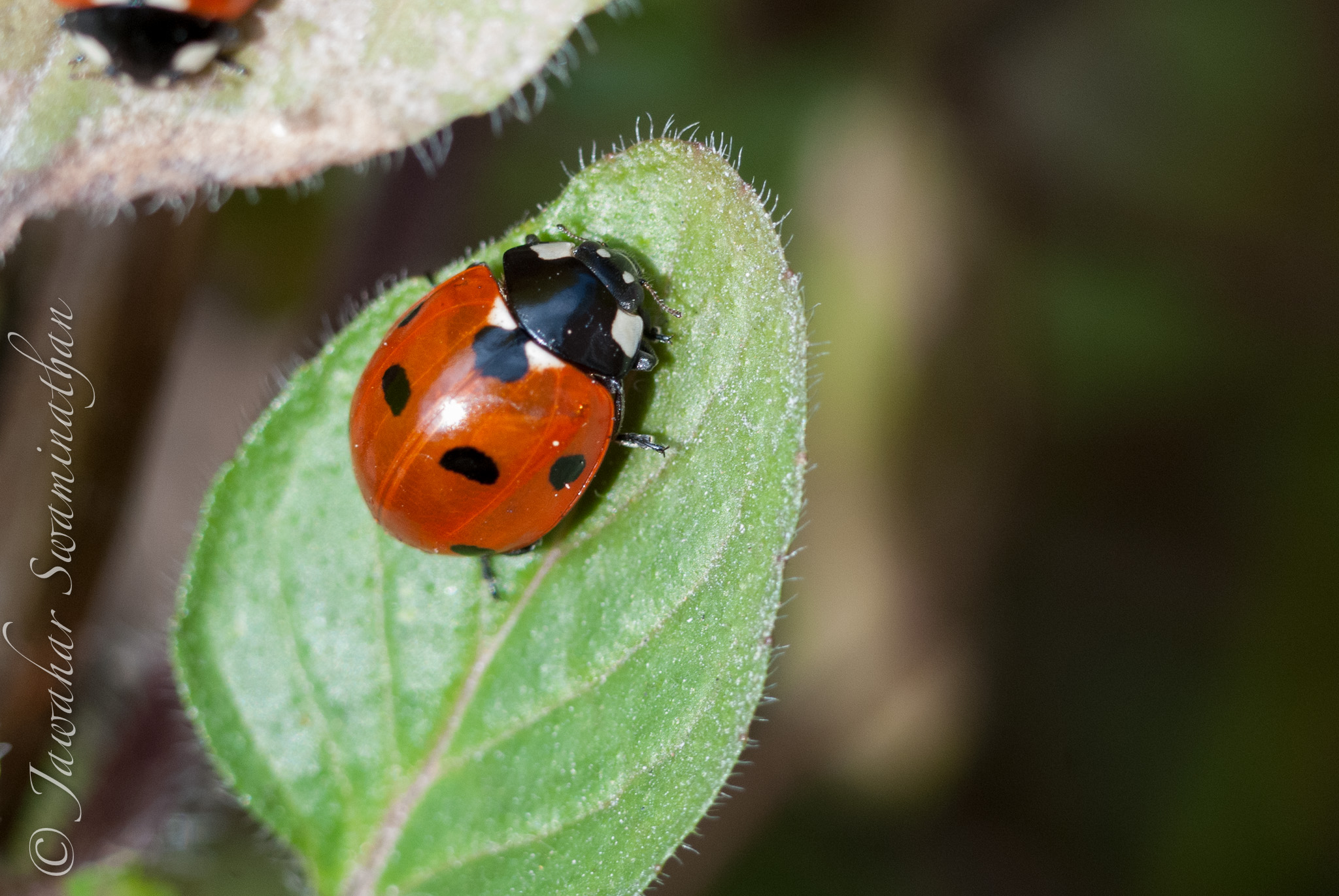
This picture was shot with the use of a 10mm extension tube with a Sigma 105mm f2.8 macro lens. The image has been cropped very slightly to remove extraneous distractions.
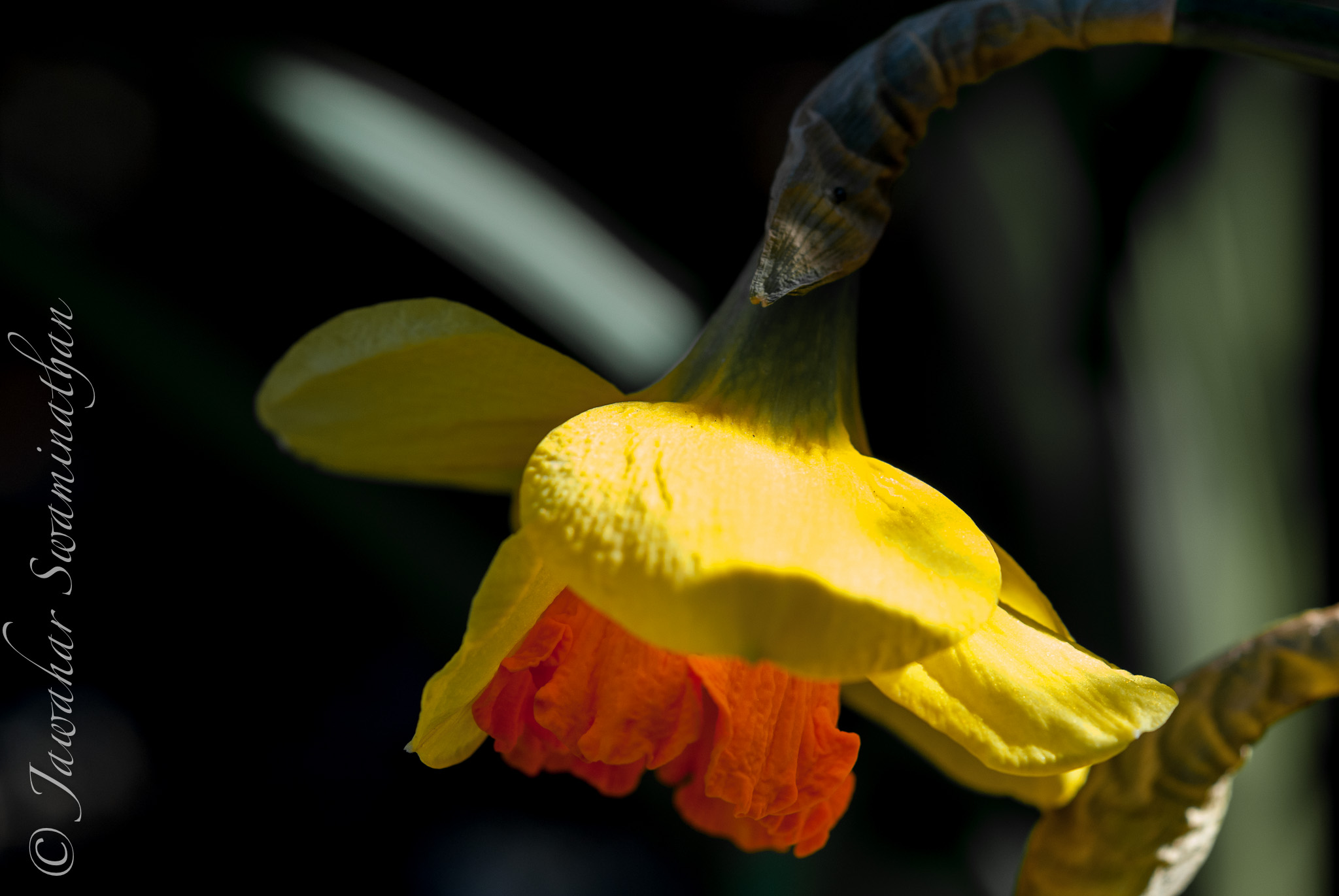
Surely, with so much happening around, spring is surely here to stay? This yellow-orange daffodil was shot in my garden. In order to get this angle, I had to sprawl on the ground (my muddy jeans bear witness!). 1/200 f6.3, 105mm f2.8 Sigma Macro lens.
 Juridicious