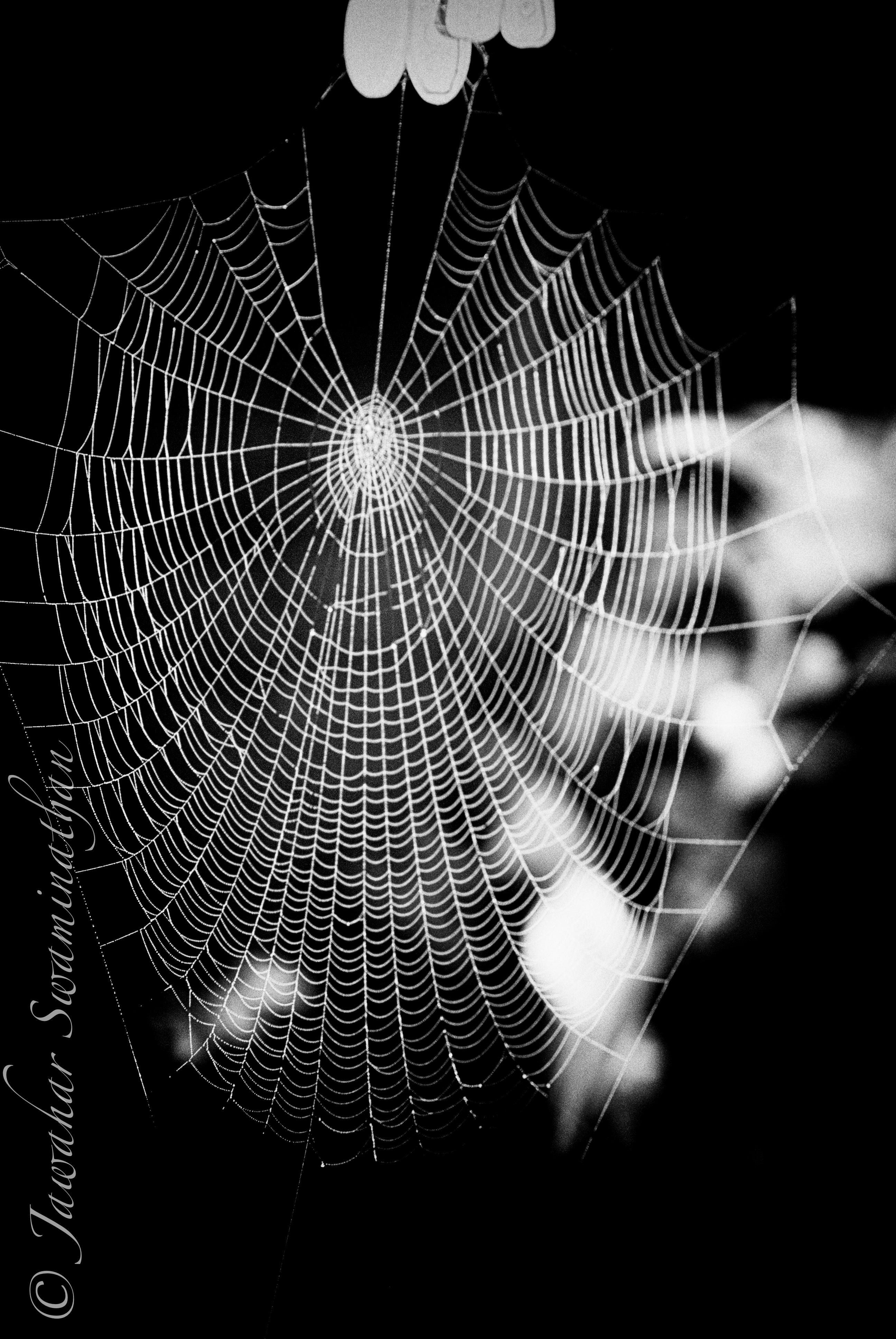
Autumn mornings offer a great chance to see myriad spider webs drenched in the early morning dew making a million natural necklaces of tiny pearly dew drops. I took these pictures on just one such day. The industrious spider had built this web on the clothesline overnight.
1/60 f/5.0 ISO200 with flash1/60 f/5.0 ISO200 with flash1/60 f/5.0 ISO200 with flash
I am constantly amazed at the persistence of the spider to continually attempt to make a web in the most unlikely of places, day after day. Maybe there is a lesson in it for us all…. Technical details
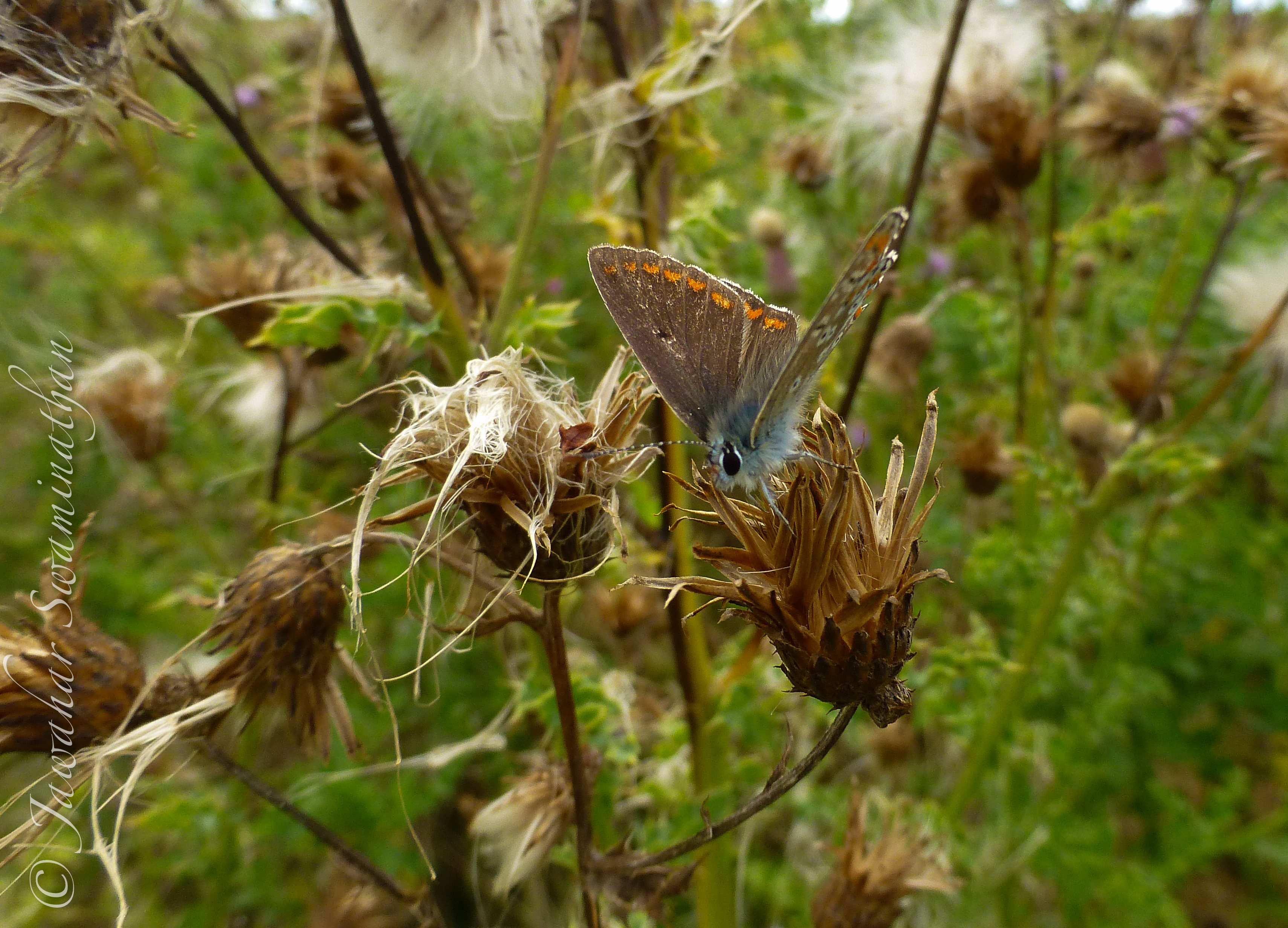
I seem to have forgotten to post this photograph of a British butterfly to go with the other two I have posted before. The picture is that of a common blue butterfly. The males are bluish in colour but the females have varying amounts of blue.
Common blue – female
Seems like a good way to remember the summer gone by and the dreary winters yet to come!
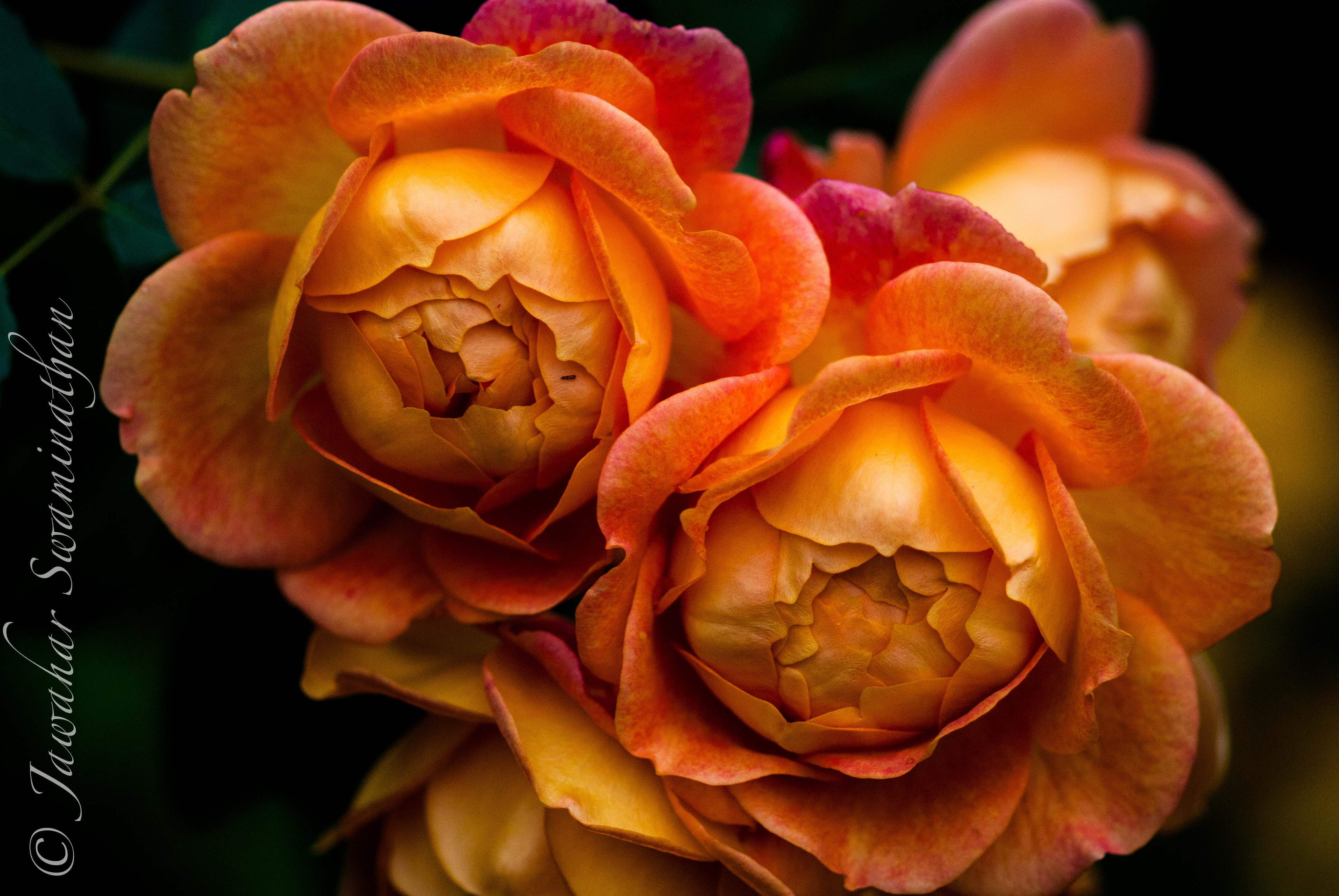
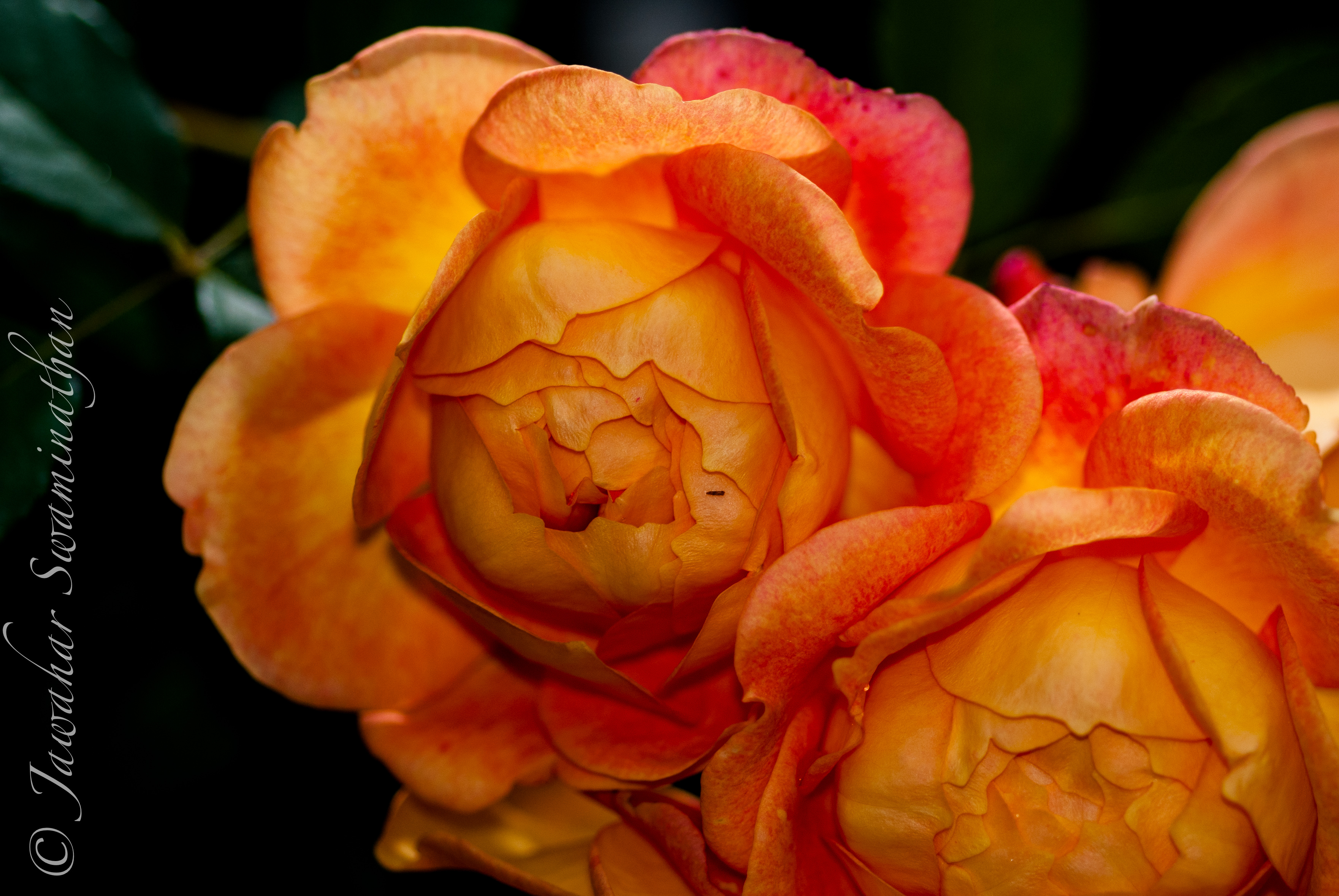
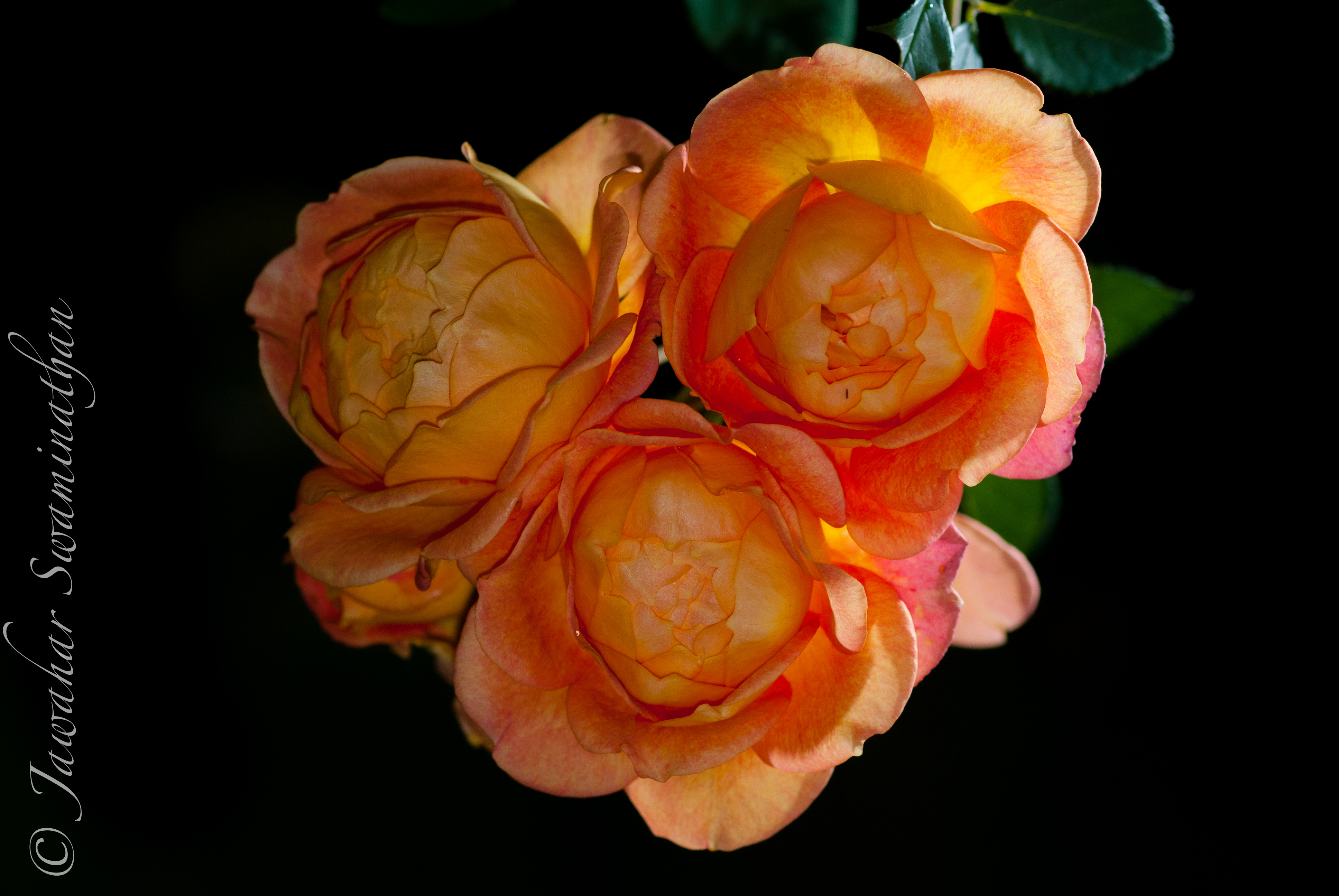
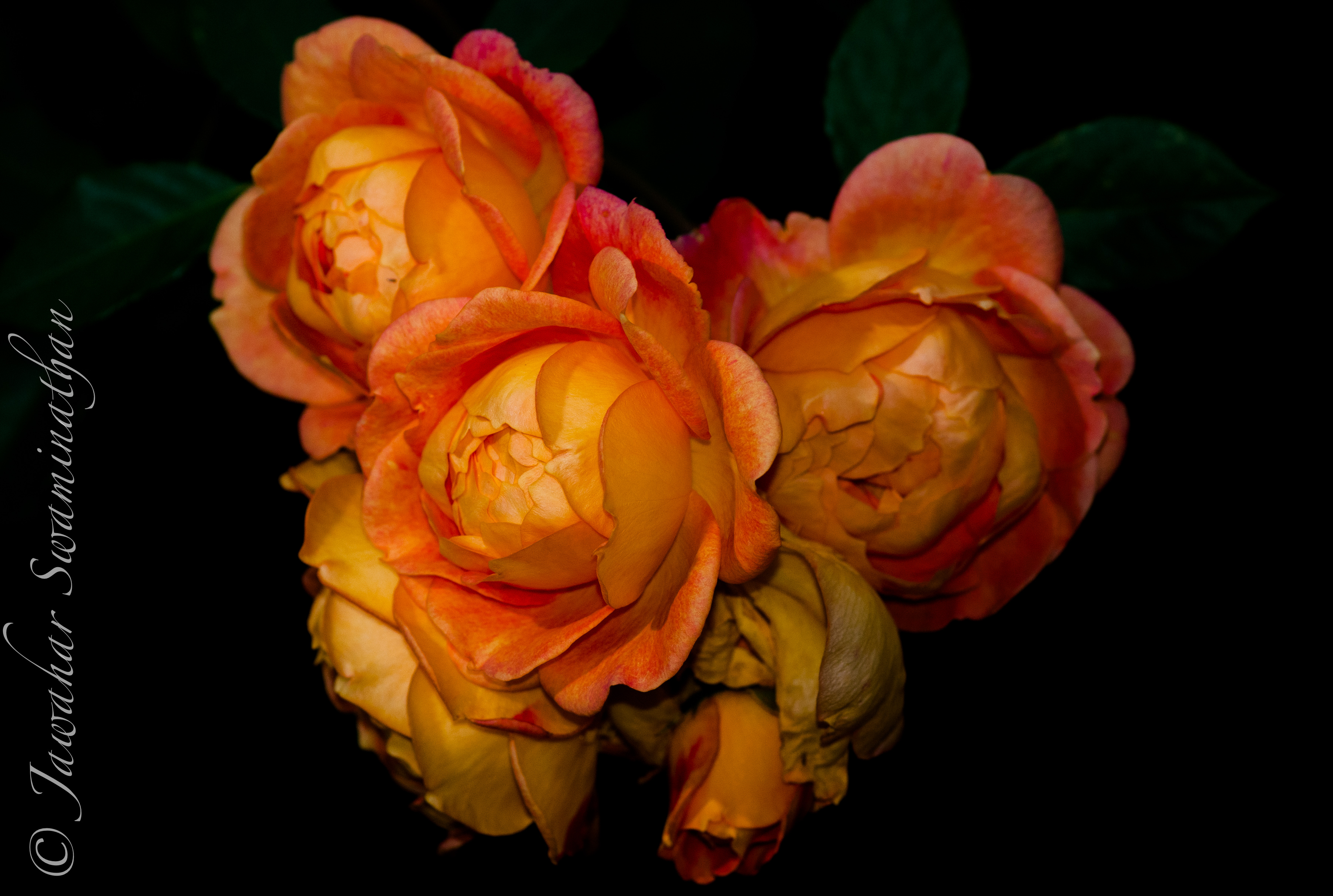
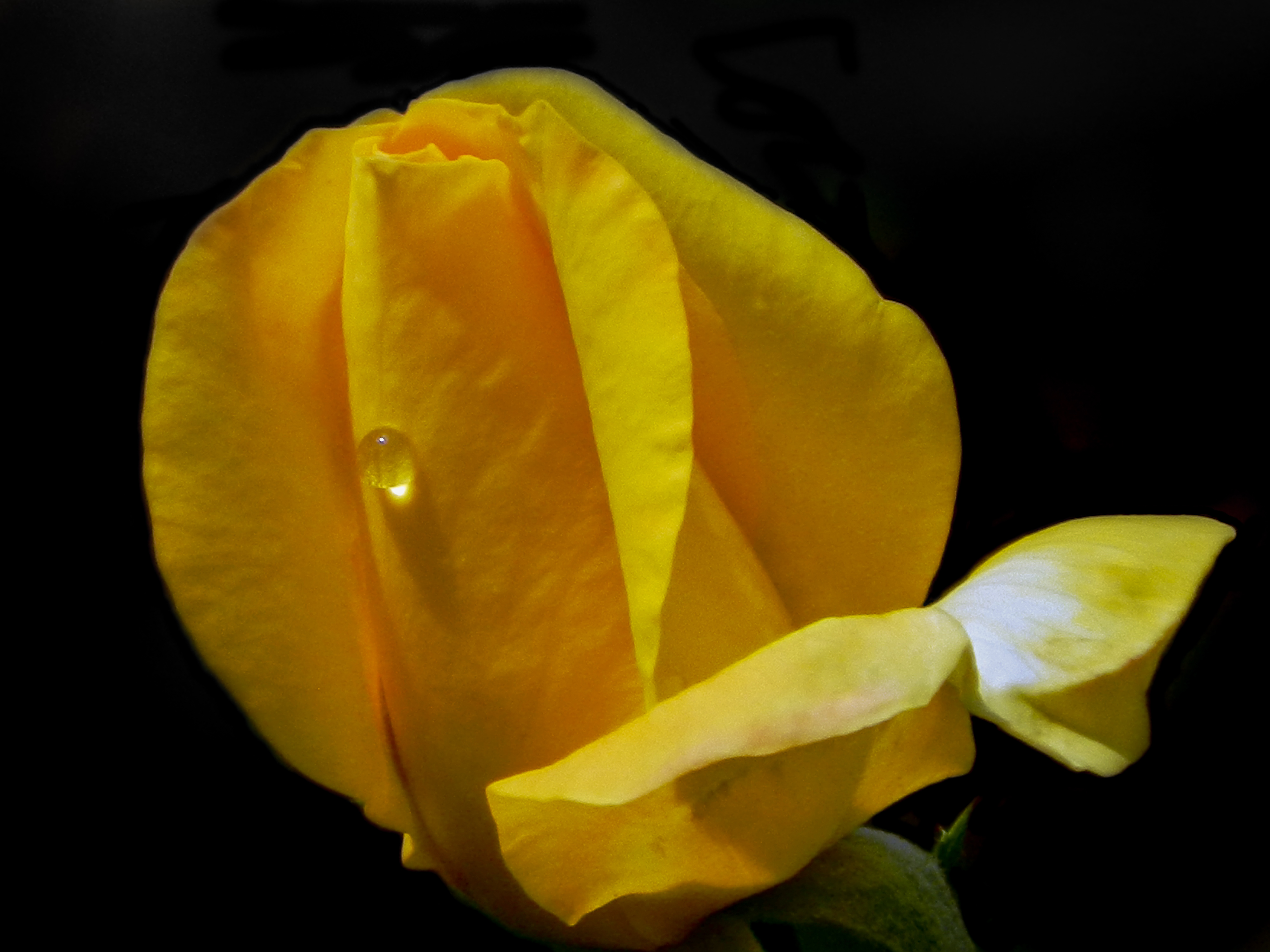
Last week I had this really nice bunch of gold-coloured roses and I wanted to try out my photography skills using a remote flash on commander mode. I placed the flash on the tripod and right angles to the photograph with some interesting results. One of two of these are with the flash on the camera, but can you tell the difference?
head-on flashexternal flash behind rosesexternal flash behind rose to the rightexternal flash at right angles to the camera. Light coming from the left.External flash right angles to camera from left. Longer exposure.external flash about 45 degrees to camera in a V arrangement
The main advantage I found to having an external remote flash was to be able to play with the colours and backgrounds. No post-processing carried out for any of these pictures. The roses too look different depending on the light source.
What do you think? Click on any image to see a full-size view.
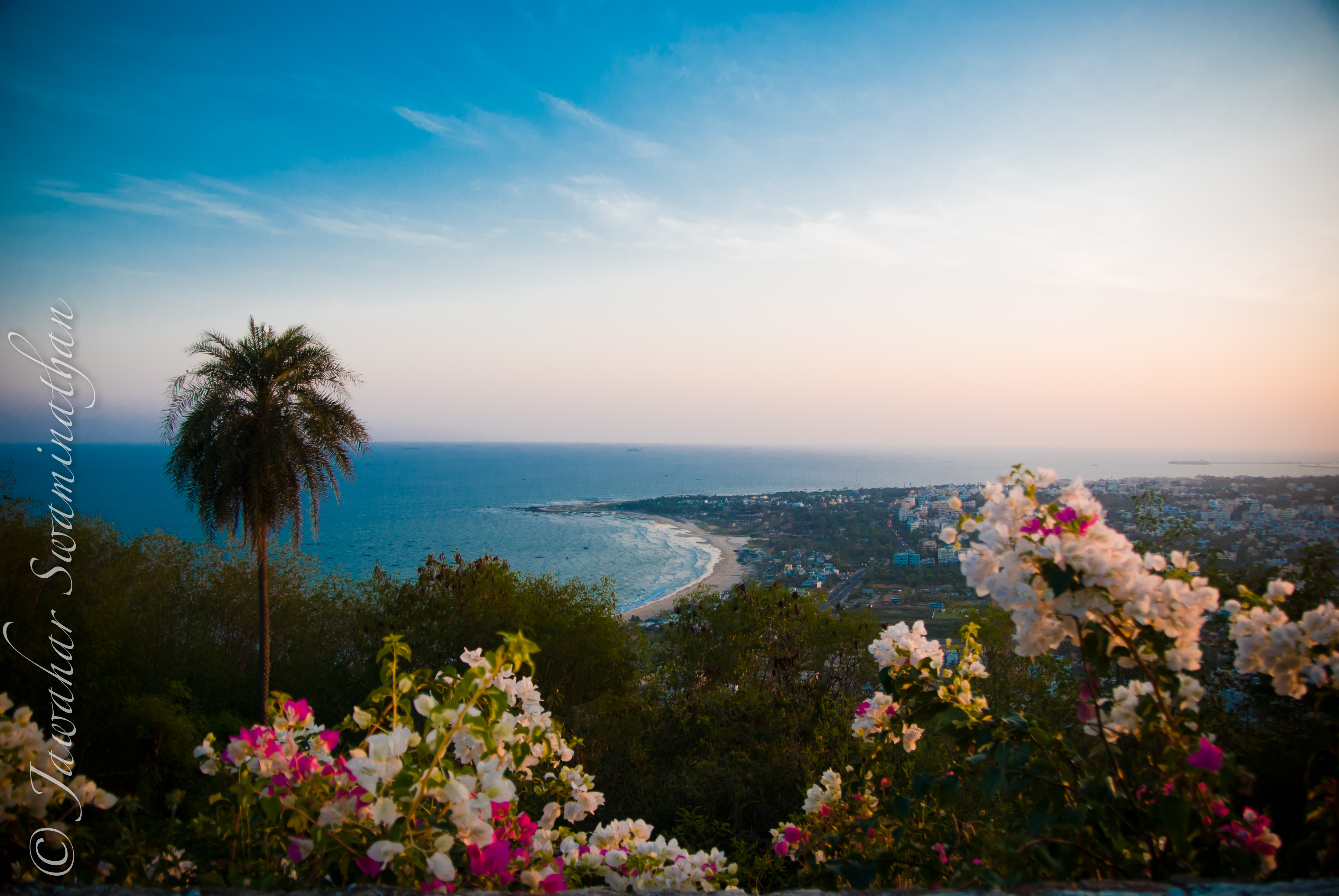
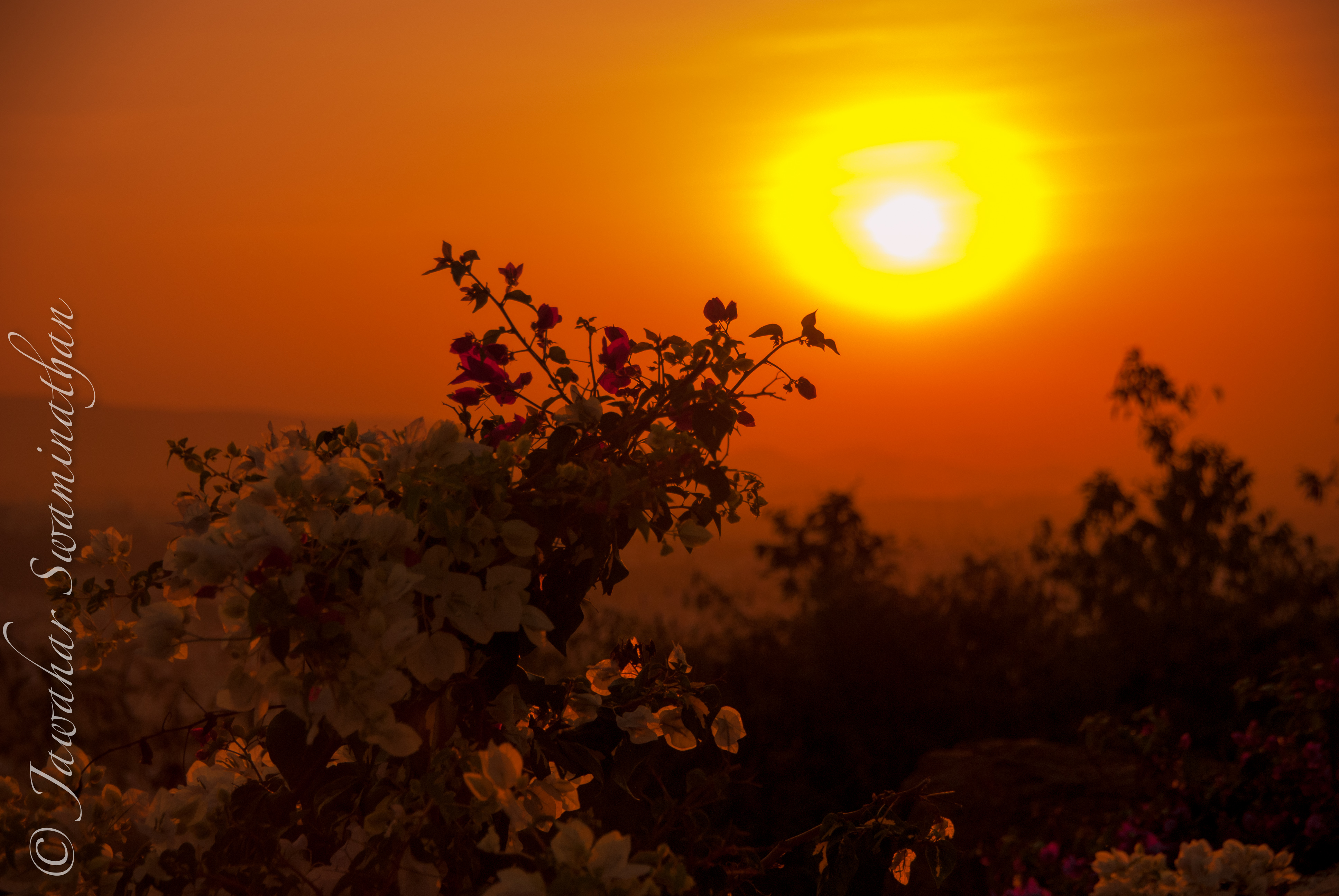
I think sunsets are beautiful. They mark the end of a day, promises of rest and a new beginning with dawn the next morning. The geographical location of Visakhapatnam means that sunsets are always on the side away from the sea, and I’ve never been an early riser to capture sunrise on the sea in the morning.
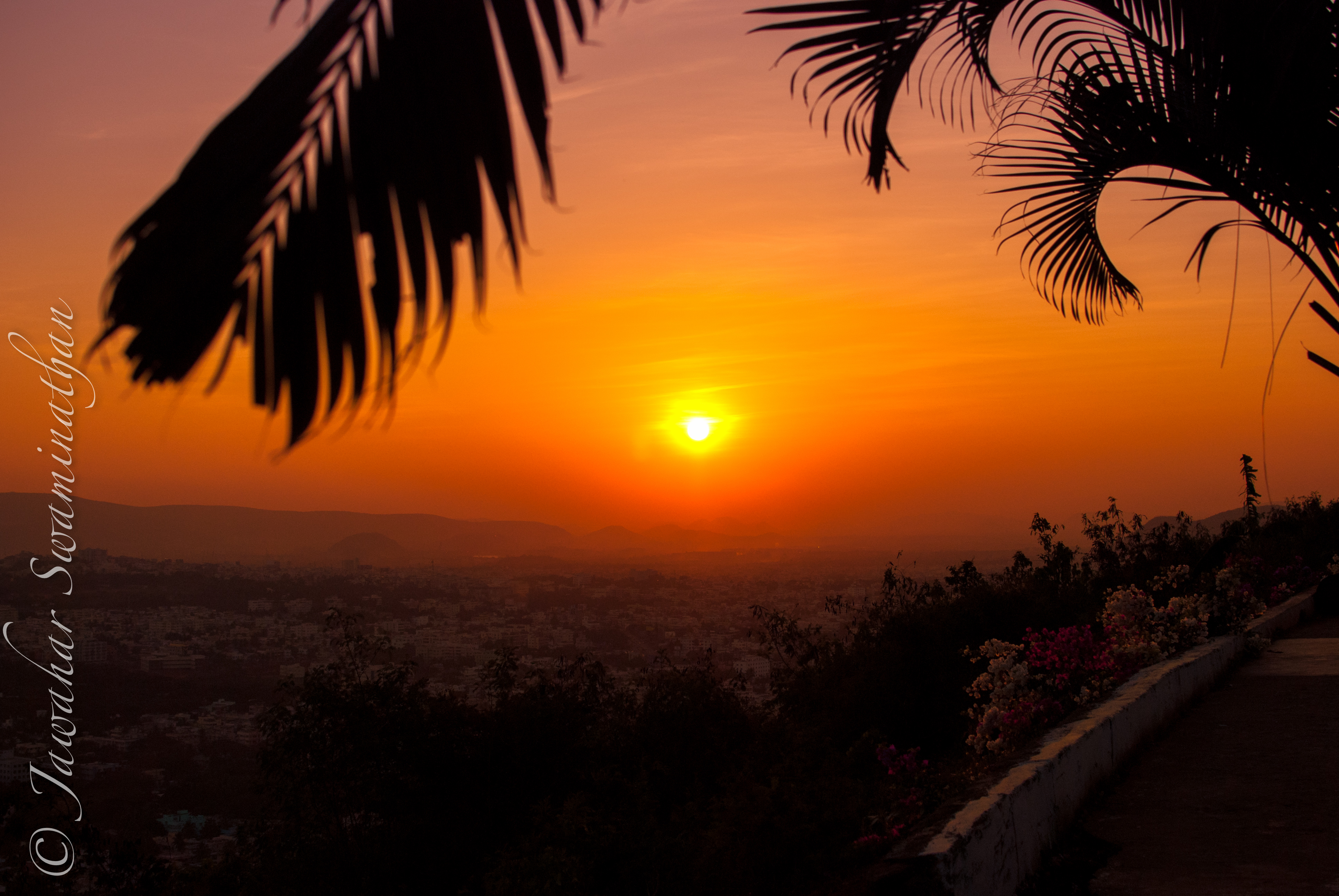
Sunset over Visakhapatnam as seen from Kailasagiri Hill.
The sunset seen from the Kailasagiri Hill in Visakhapatnam was particularly stunning.
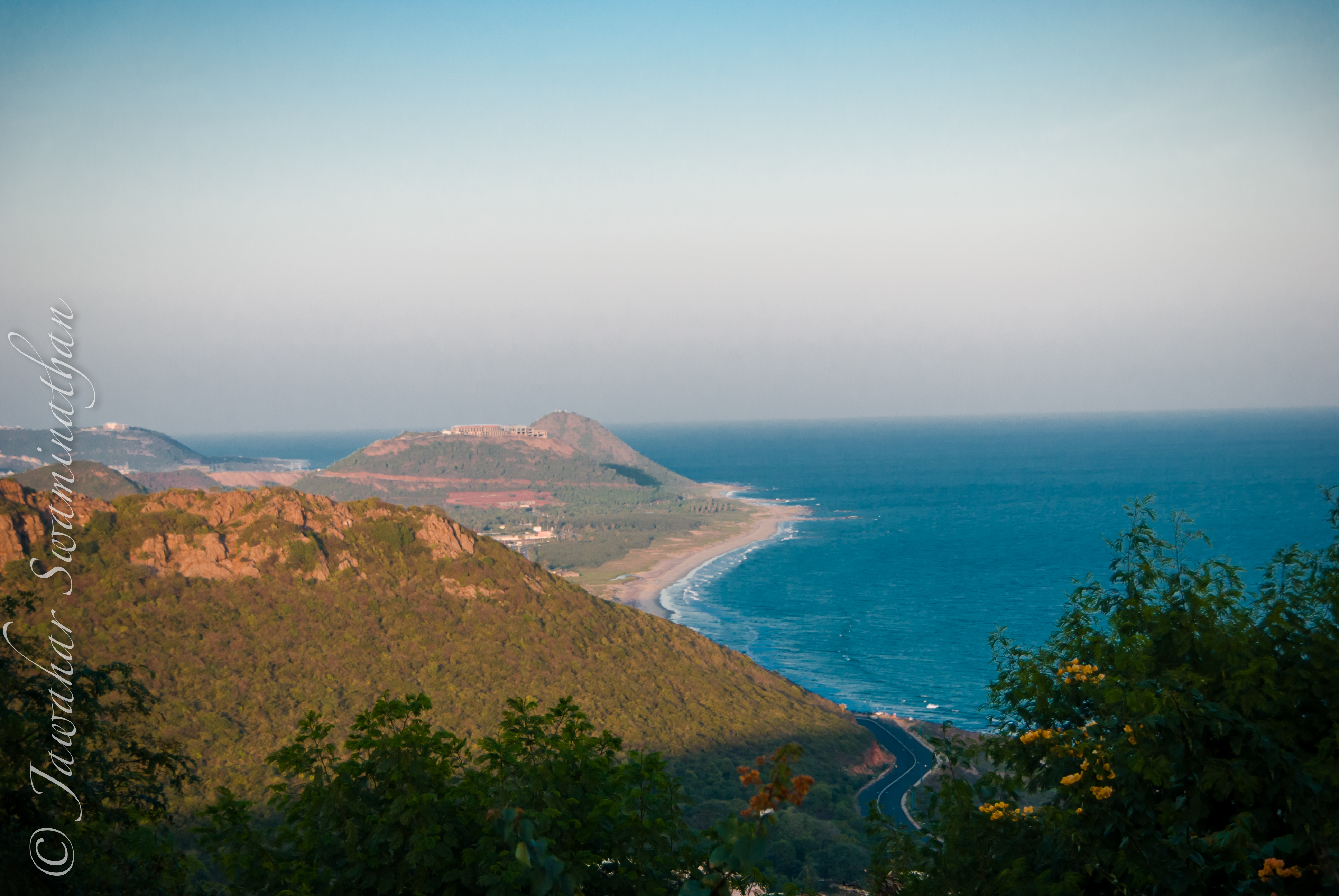
Eastern ghats looking north of Visakhapatnam along the Bay of Bengal.
A beach road runs along the coast from Visakhapatnam to Bheemunipatnam for 46km, a stretch of which can be seen in the photograph above. Bheemunipatham has evidence of early Buddhist culture dating back to the 3rd century AD (photographs of Bheemunipatnam in a future post).
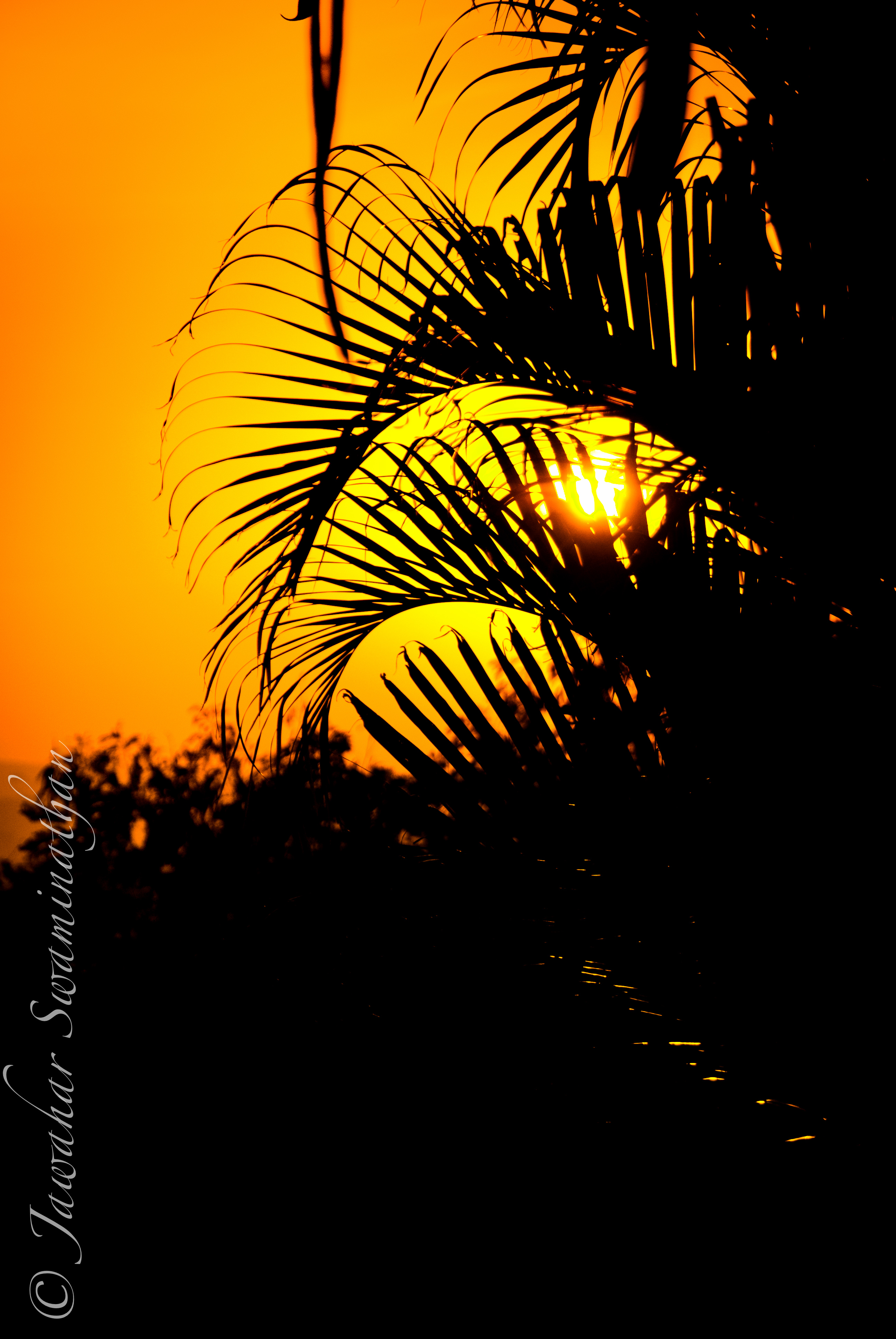
Sunset over VisakhapatnamPalm fronds, sunset and Visakhapatnam
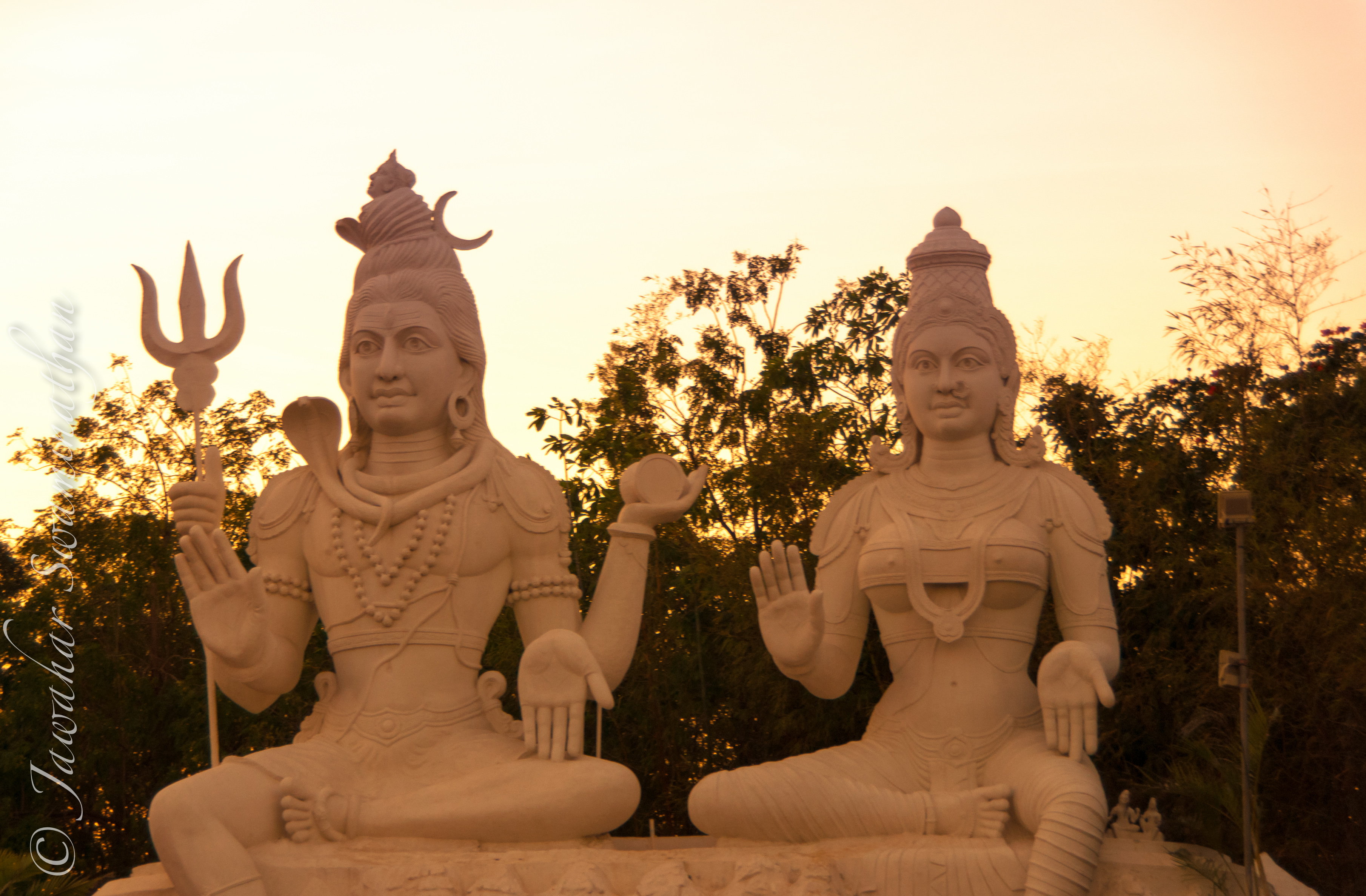
Kailasagiri has huge statues of the hindu god Shiva and his consort Parvati and a small mountain railway that offers scenic vistas of Visakhapatnam and the coast north towards Bheemunipatnam. Kailasa or mount Kailash is the abode of Shiva and Parvati according to hindu mythology. One of the mountains in the Himalayan range is the mountain called Kailash (6638 msl).
Shiva and Parvati statues at Kailasagiri, Visakhapatnam
But all good things must come to an end, and it was with a heavy heart that I left this beautiful place. I could not, however, resist taking one last shot of a glorious golden sunset.
PS: As always you can click on any of the pictures above to see a full size view.
This lovely photograph is from a close friend of mine who sent it to me a couple of weeks ago. I think this picture covers everything that is beautiful about a rose. I share it here with you with her permission. I have post-processed the picture to get a perfect dark background and remove noise from the photograph.
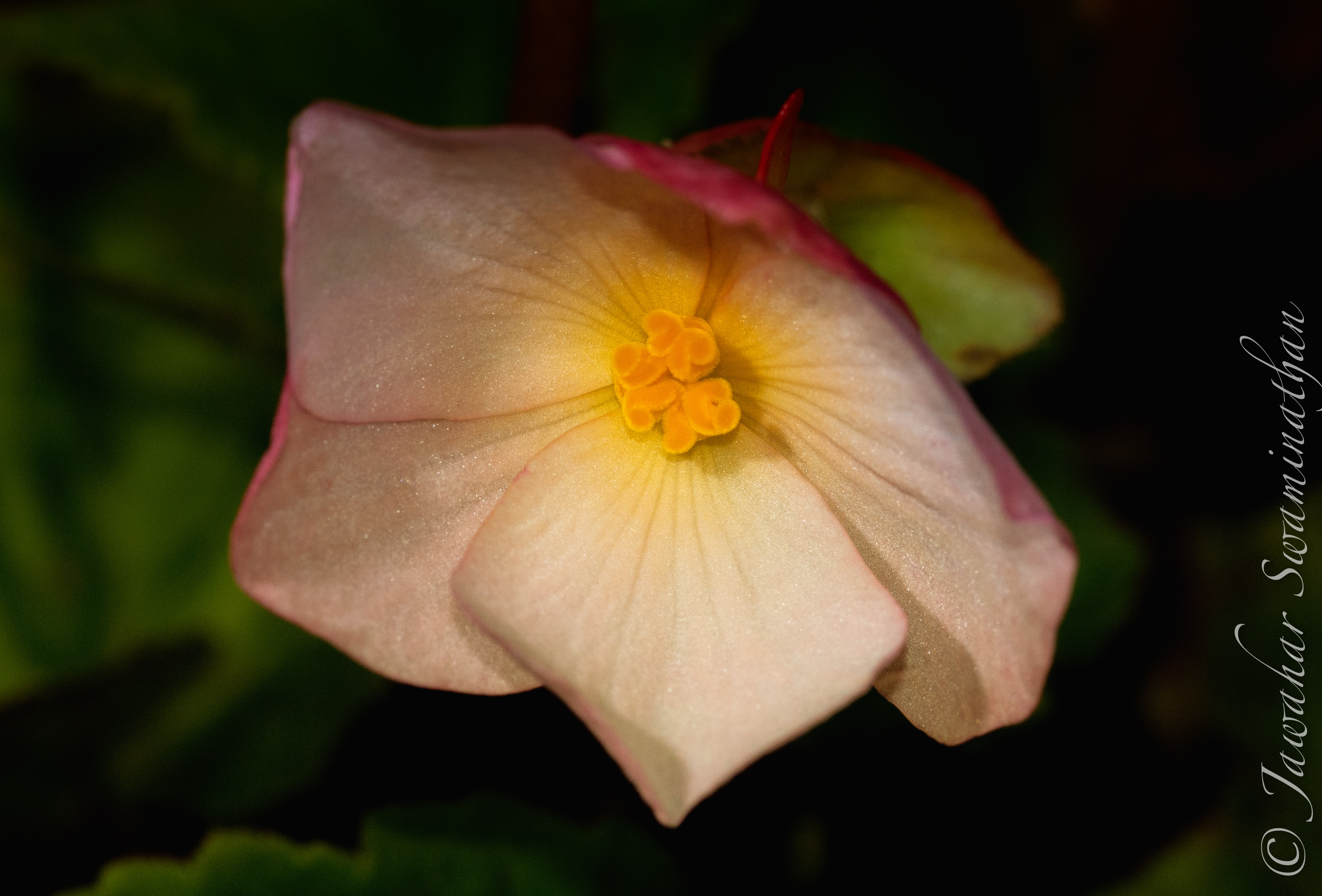
A begonia flower. My begonia’s grow from these funny looking corms that I have to dig up every winter after the first frosts and then replant them the next year. These have been going on strong for 3 years now.
The first image was processed in Colour Effex Pro. The bottom image is unprocessed.
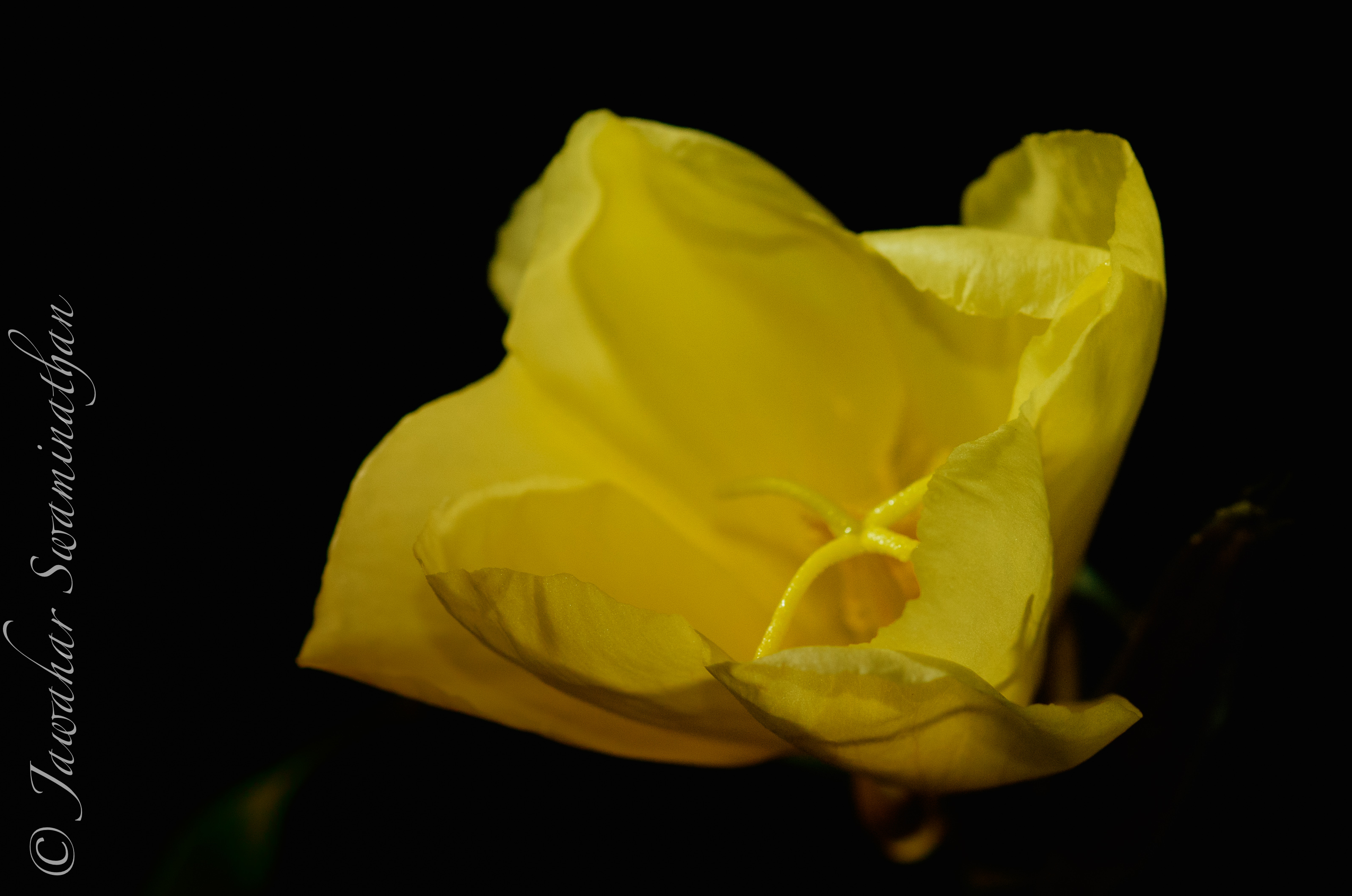
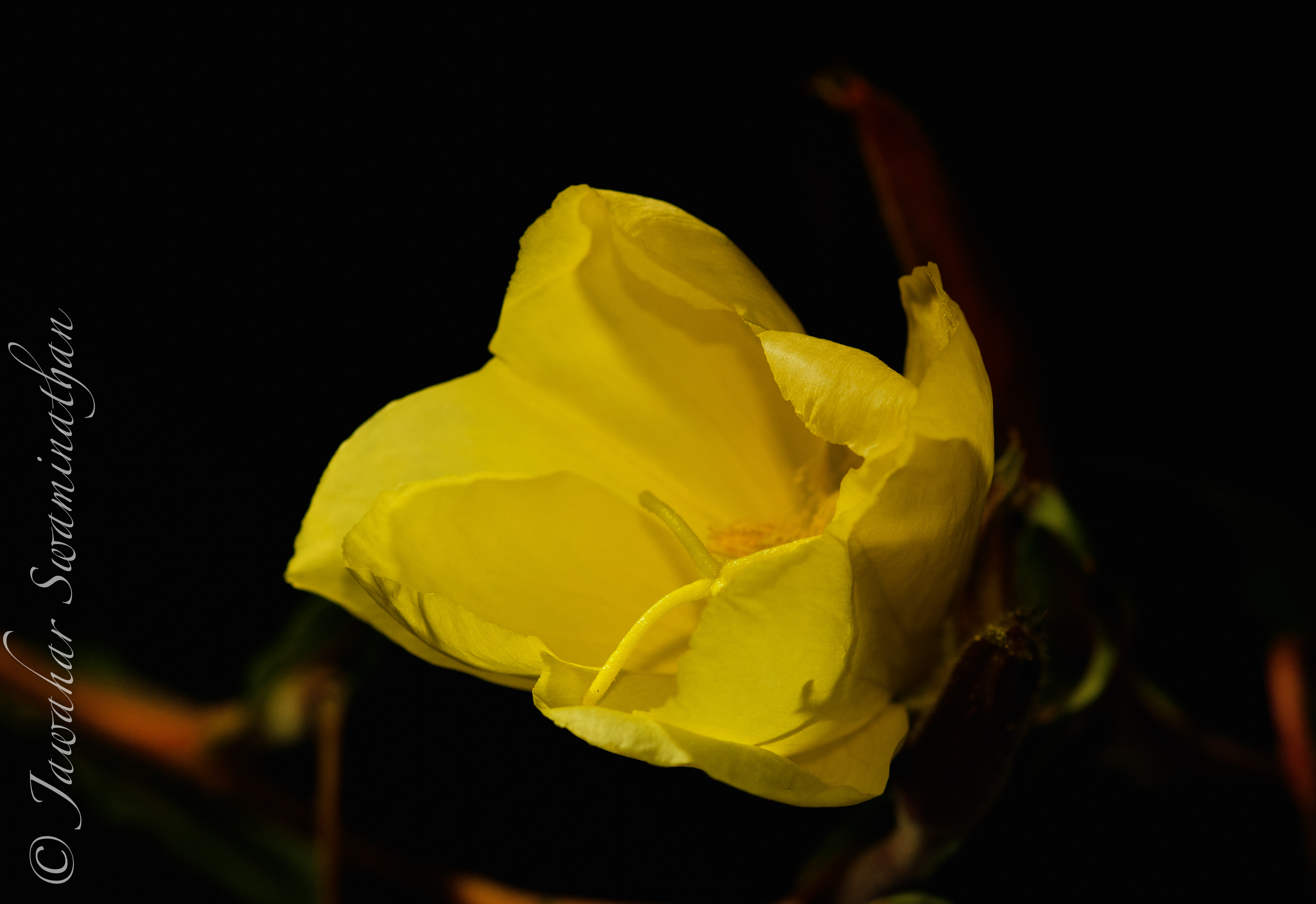
I went back to my Oenothera plant over the weekend and experimented with my SB600 speedlight in slave mode. These pictures were shot with the external flash roughly at right angles to the camera. The results are interesting!!
I didn’t have to work too hard to get a black background in either of these pictures due to the positioning of the external flash. I also notice that the colours are less harsh now that the light is not parallel to the lens. Compare with the earlier post on the same flowers. Technical Data
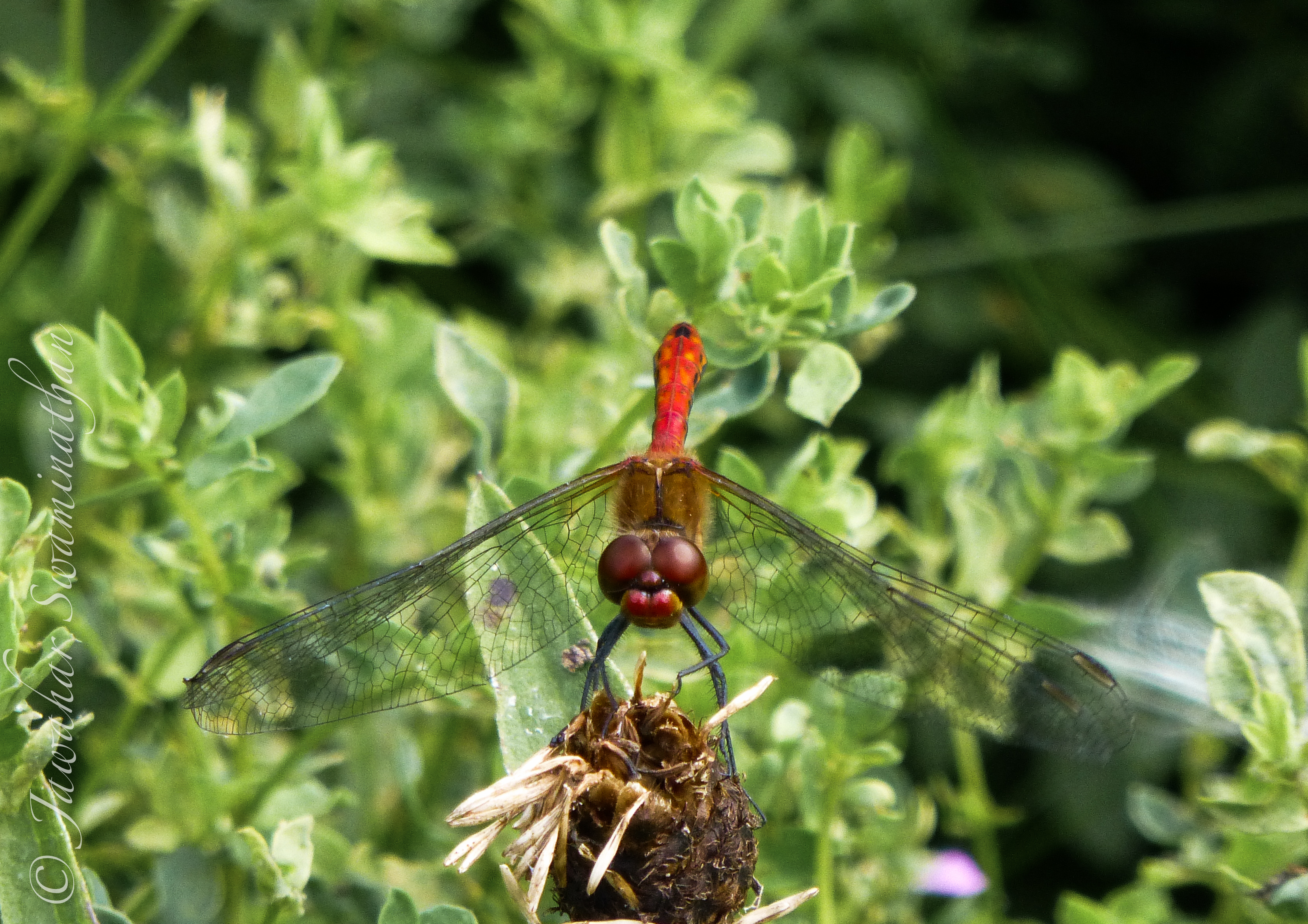
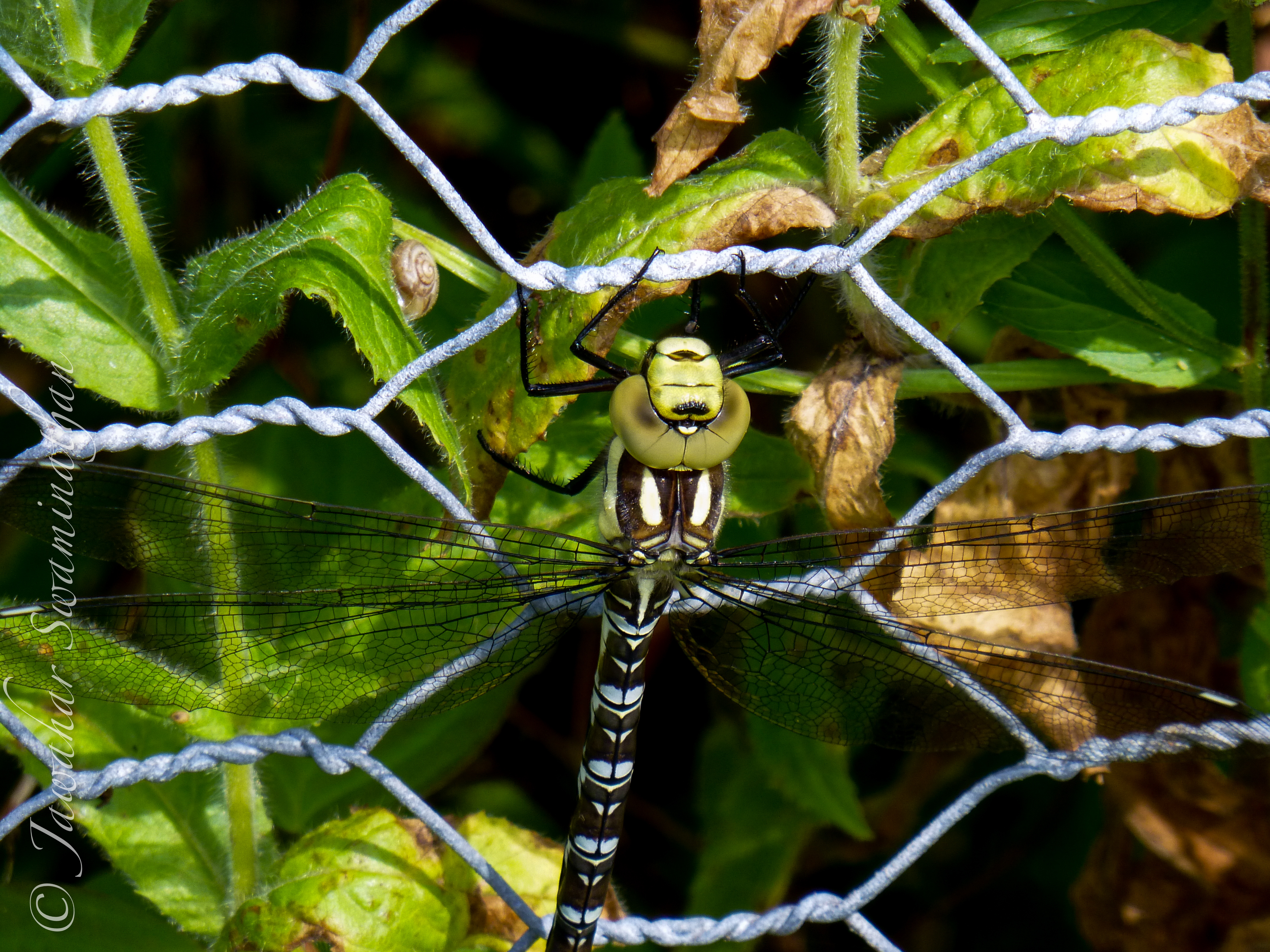
I suppose I was hoping to have identified relatively rare species of these, but as their names suggest, they are both ‘common’! Nevertheless it was great to have had that extra moment to focus on these before they flew away.






 Juridicious