The world hasn’t ended so far today and it seems unlikely to do so in the next 8 hours left (or maybe the Mayan Calendar was just crap to begin with)!! But if it does in the next 8 hours and 22 minutes, I wanted to leave you with a couple of pictures in what could be my last blog posting!!
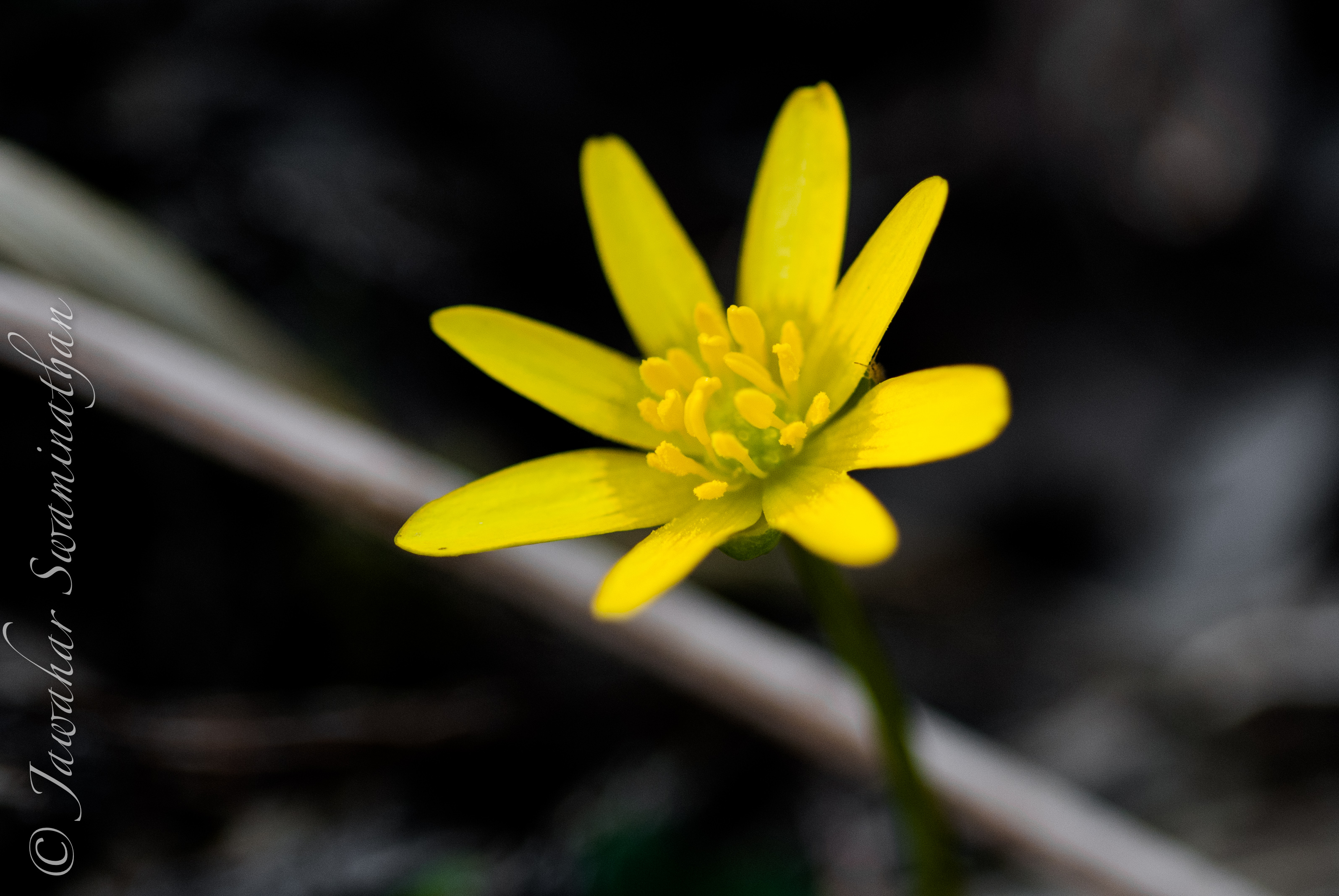
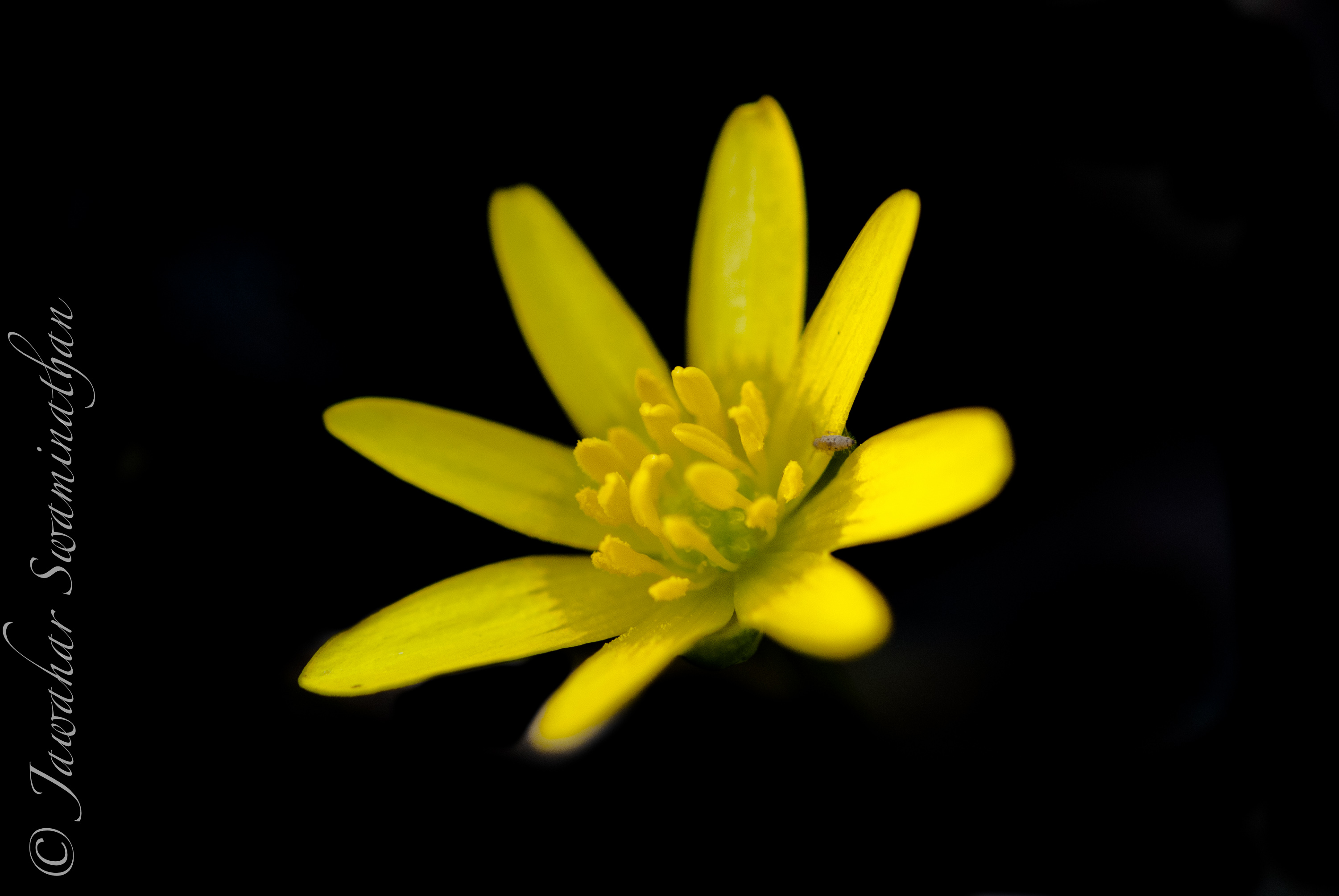
Did you spot the tiny spider in both the pictures on the middle-right of the picture? These flowers are those of the Lesser Celandine. Also known as pilewort since the plant was believed to be useful for the treatment of piles. Impressive knowledge to have if the world comes to an end.
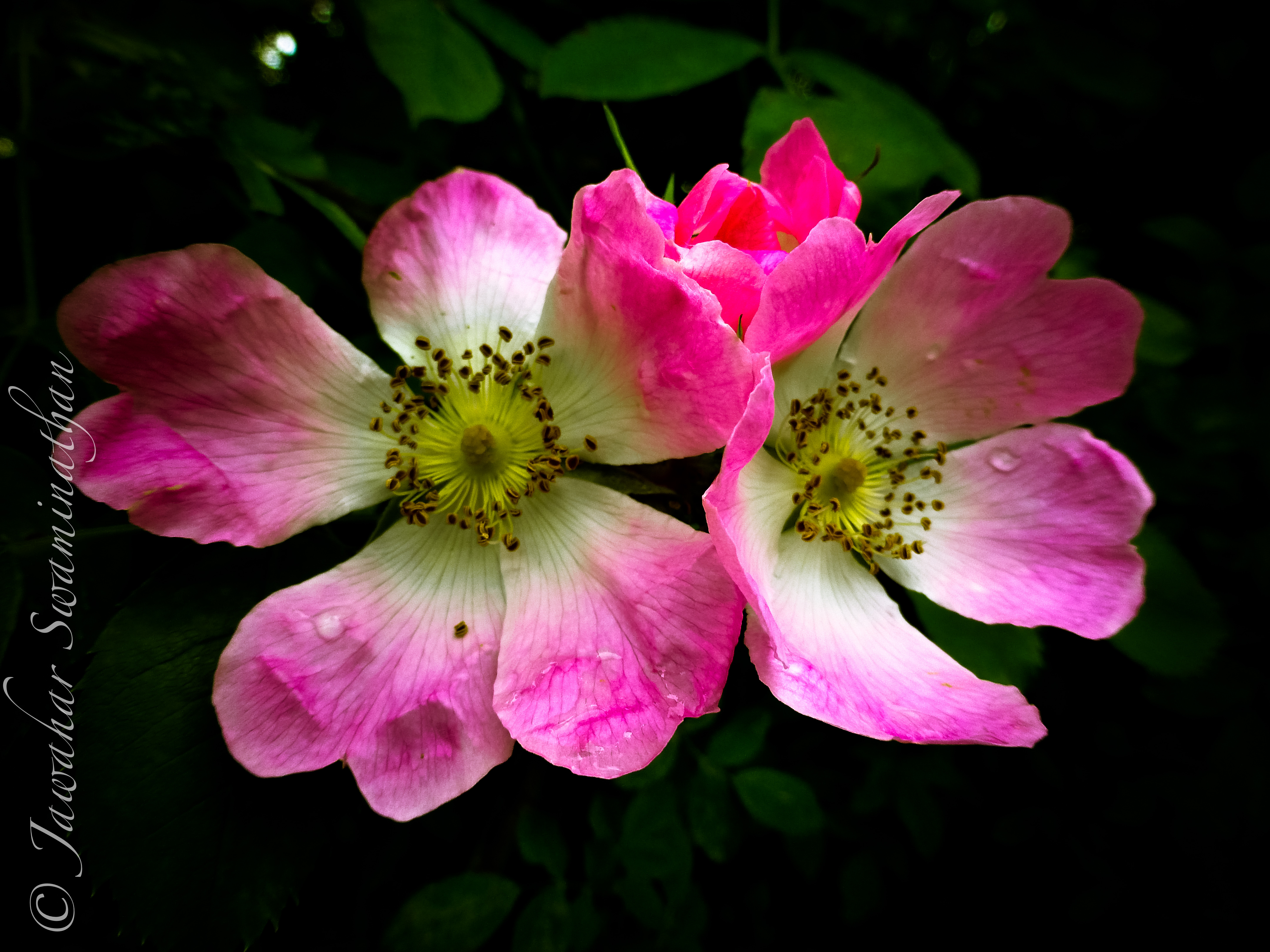
The name dog rose conjures up images either roses for dogs, or rose in the shape of dogs. This is neither! Dog rose or Rosa canina is a common species of climbing wild rose native to Europe.
The seeds (hips) of this rose are very rich in vitamin C and used in the preparation of rose-hip tea (see my post Hip Hip Rose). As for the name of this rose, Wikipedia lists two possibilities – common or worthless or as a treatment for the bite from rabid dogs. I think the former is more likely etymology for this plant as it is genuinely common along hedgerows in England. The flowers are pink, have little or no fragrance.
Photographed on one of my summer walks using a Panasonic TZ30 compact camera.
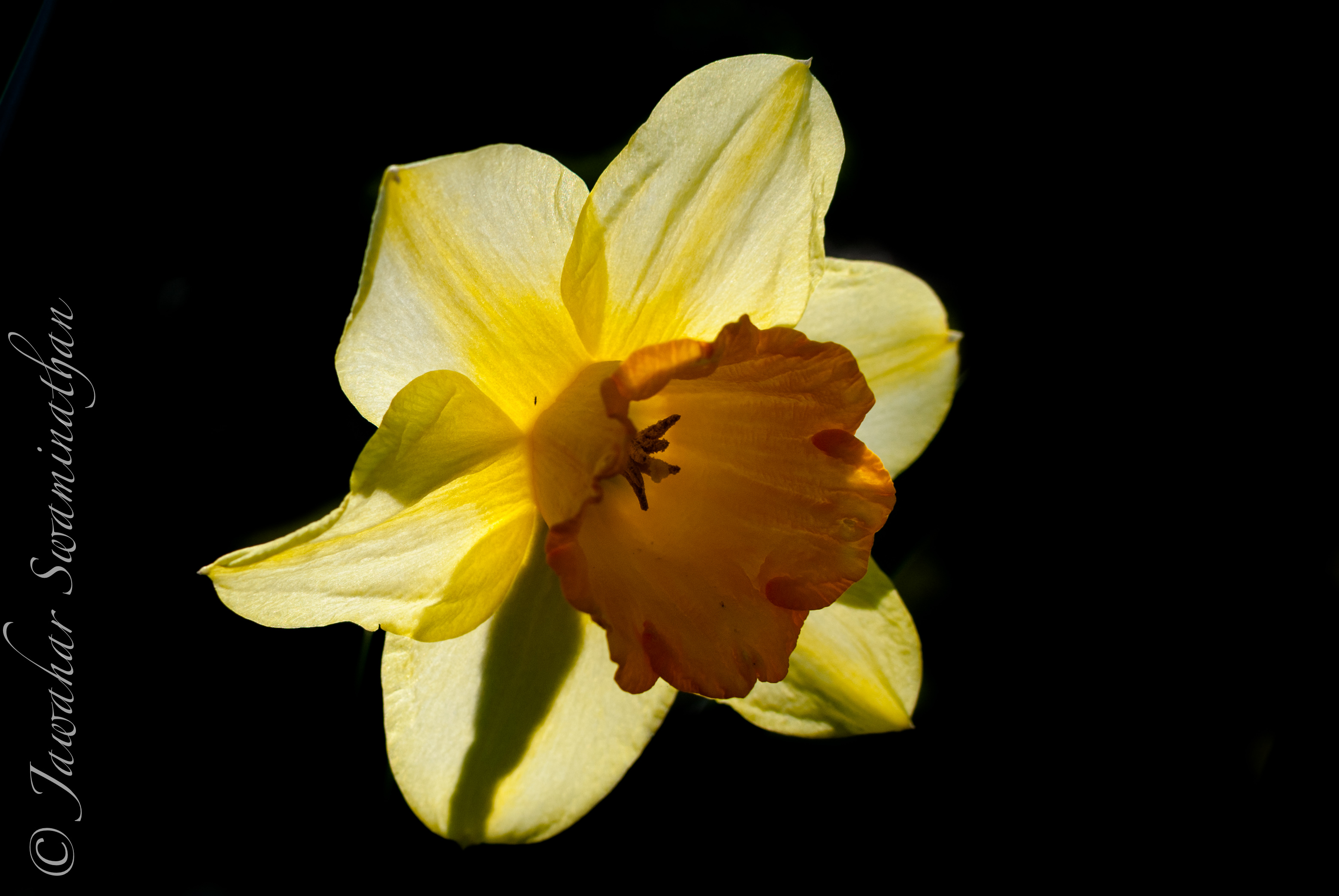
I know this is the middle of winter!! Just to cheer us up and to look forward to the lazy days of spring and summer, here’s a lovely daffodil on a black background.
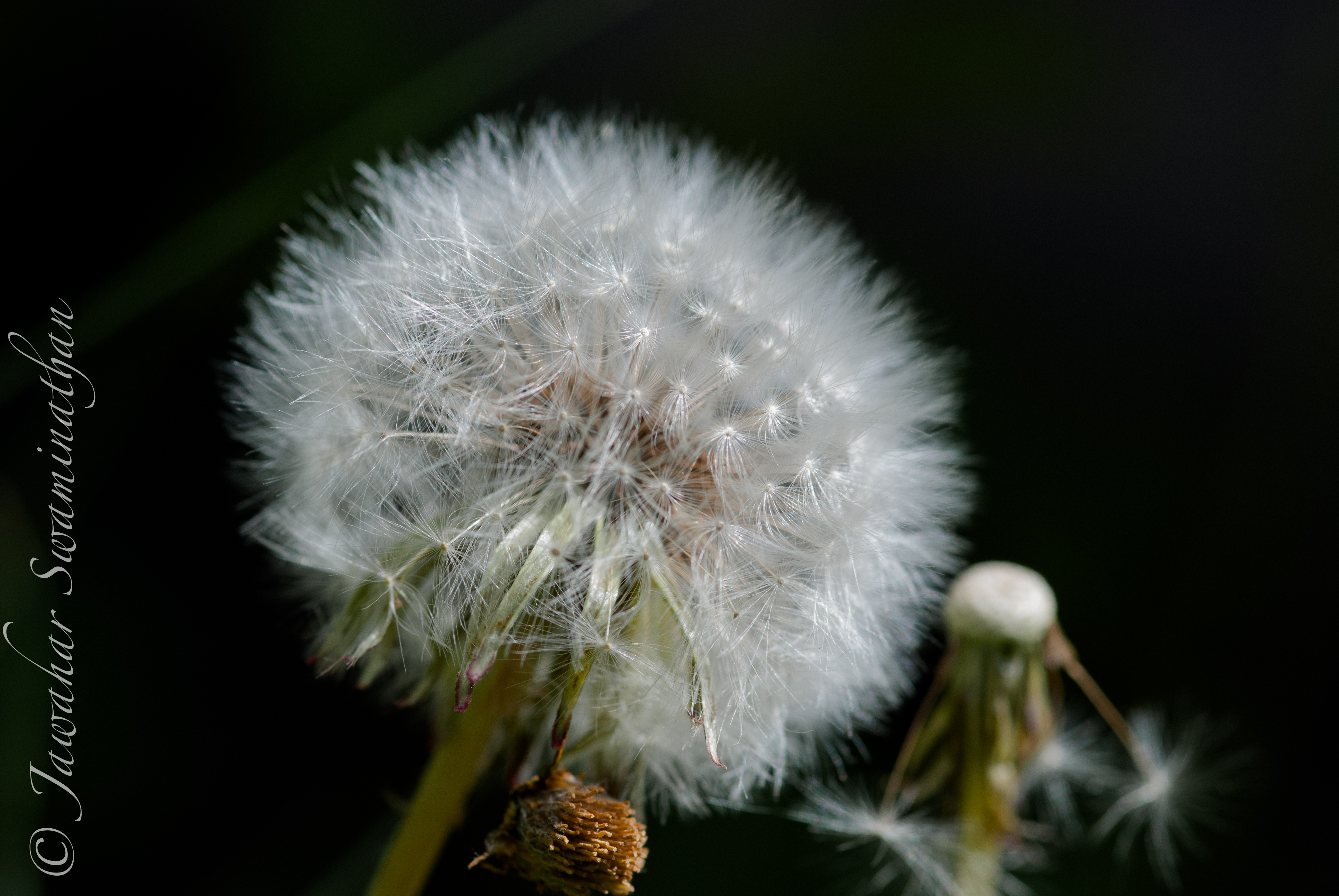
Mention Dandelion to any gardener who loves their lawns and they will tell you a few stories about how difficult these plants are to get rid of, and how pernicious these weeds can be. Dandelions belong to the Taraxacum genus of the family Asteraceae and found in most of Europe and North America. They tend to have leaves that are flat and close to the ground and produce bright yellow flowers throughout late spring and summer. Whilst the flowers tend to brighten up any wasteland, they also grow happily between grass in lawns. Due to their low habit, they avoid being cut down by standard lawn mowers. Every plant produces a beautiful spherical head of winged seeds that easily disperse in the wind (see below).
So the next time I see these growing in my garden (which I’m sure I will), I’ll be reaching out for a recipe book and not my glyphosate containing weed killer!
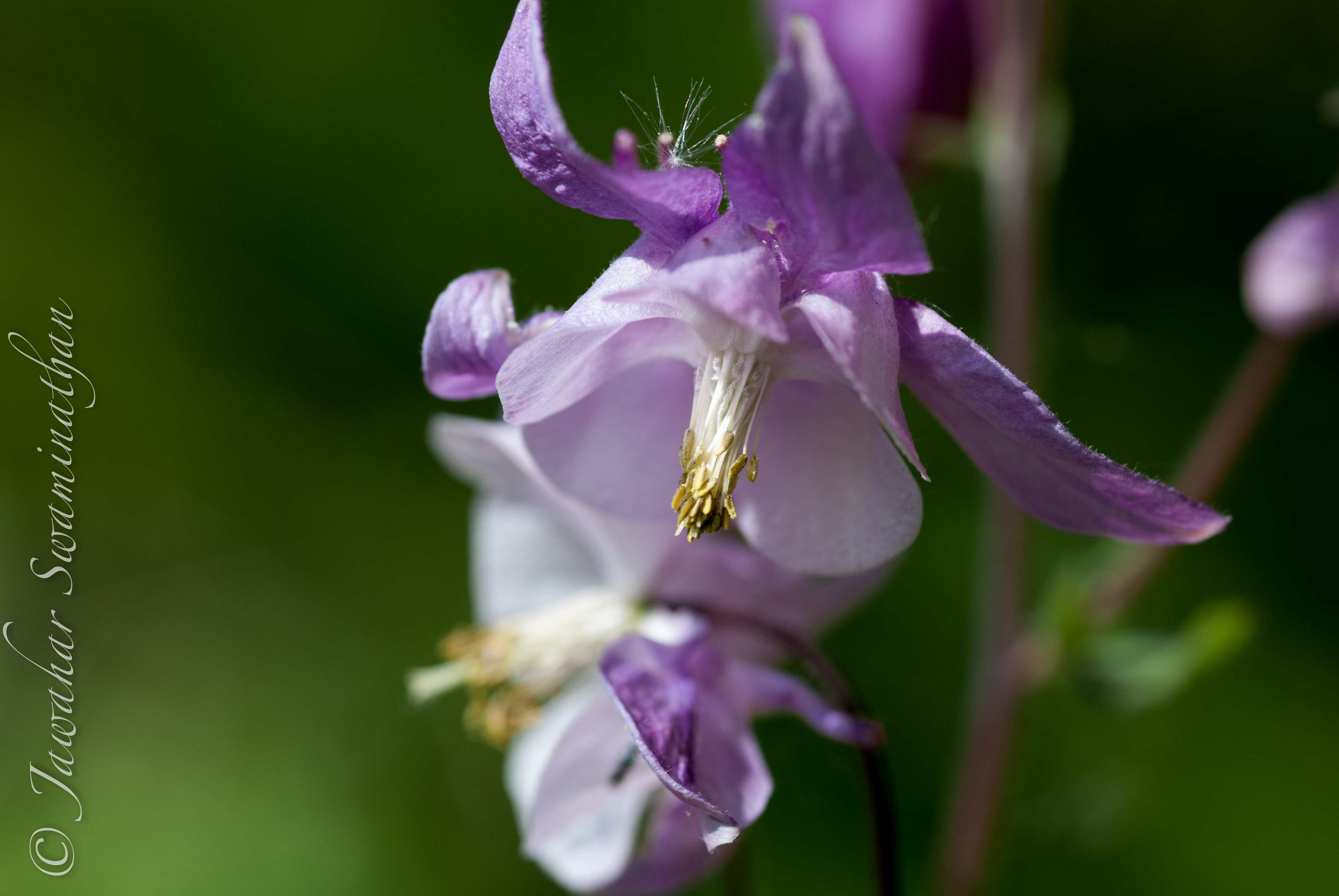
From earlier this summer (or whatever that passed for that term this year!). A few years ago I wouldn’t have known what Aquiligea was, but my knowledge of these plants has increased after the purchase of a few plants.
Apparently the name Aquilegia comes from the latin aquila, or eagles claw based on the shape of the petals.
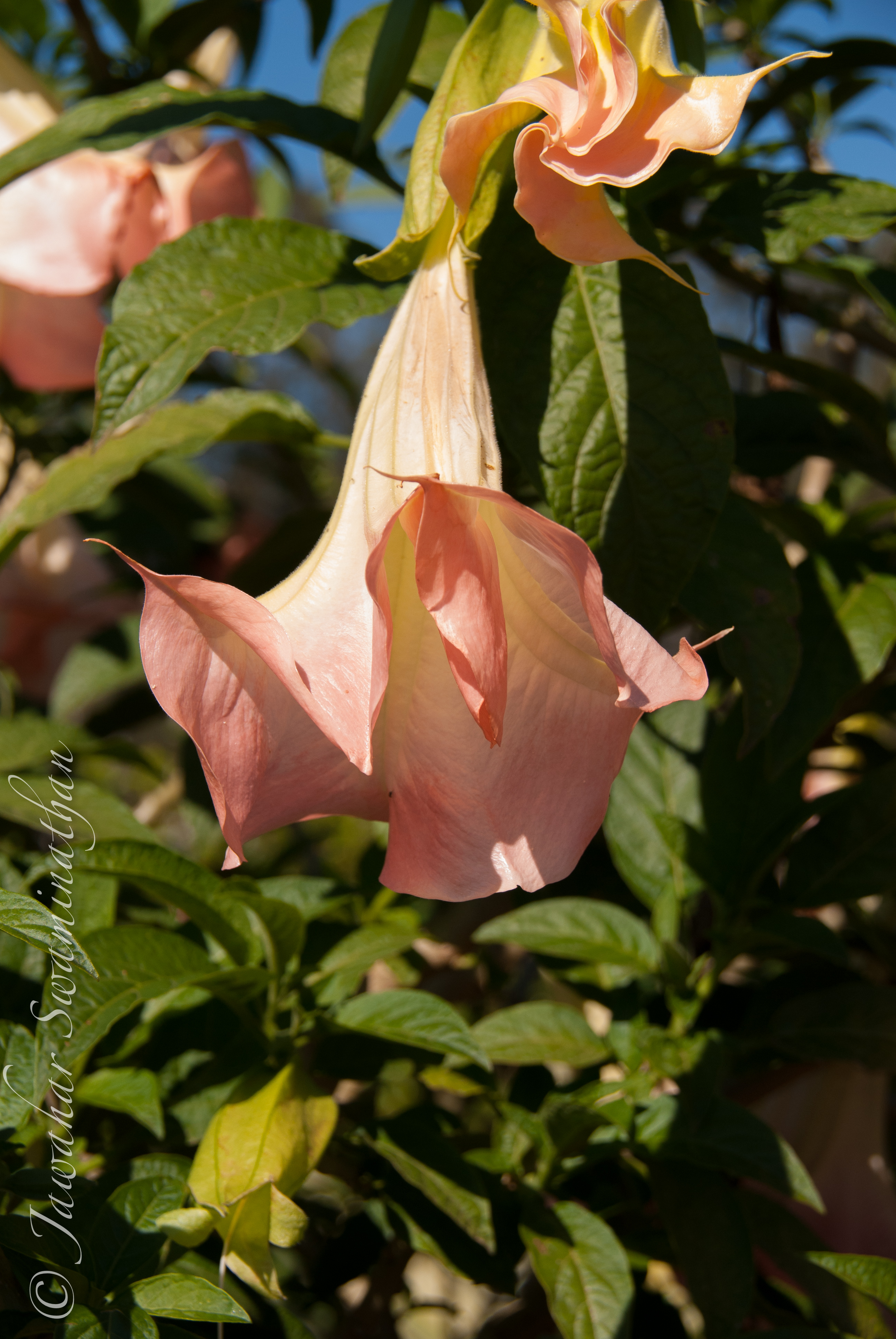
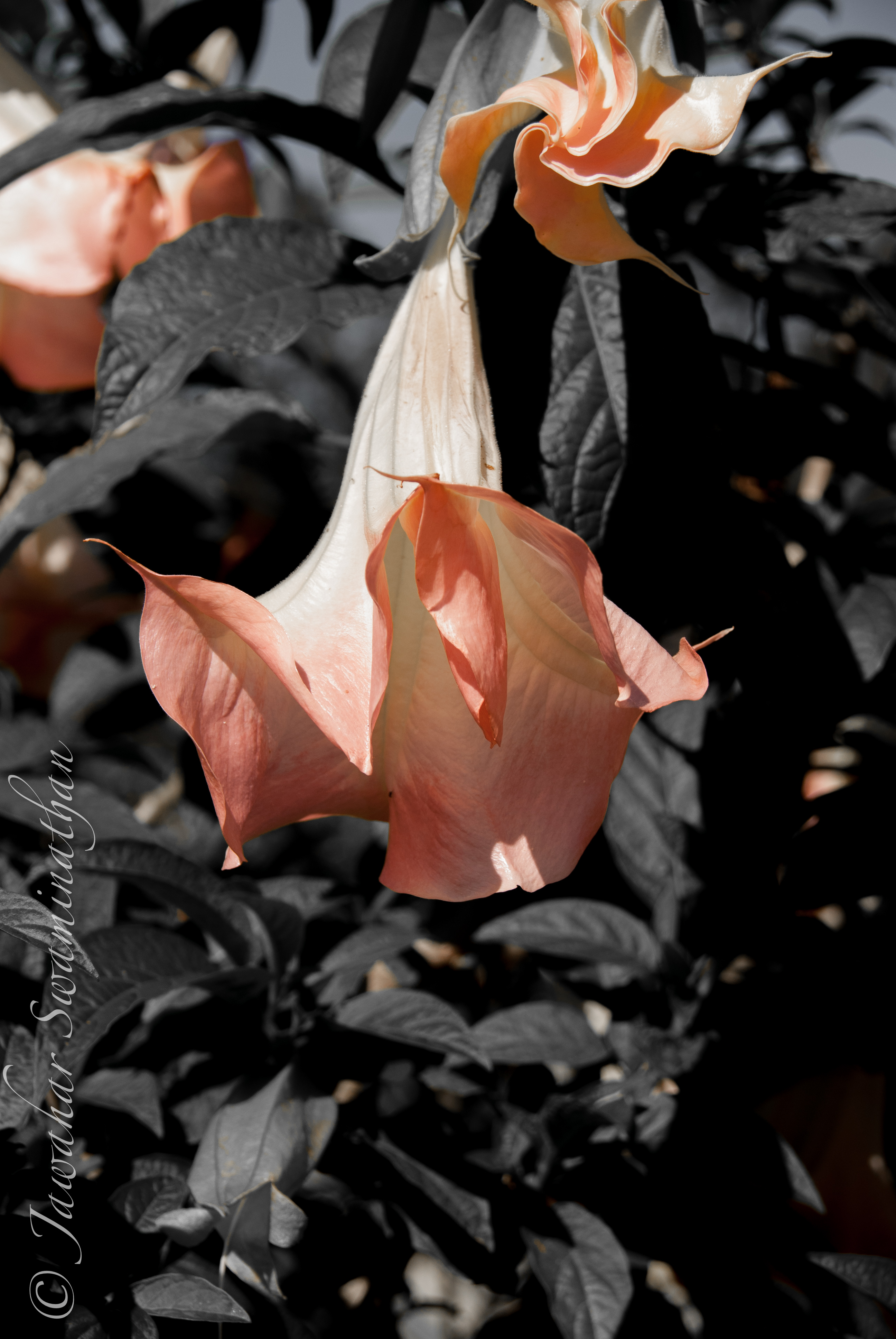
Do photographs look better when selectively colored? Selective coloring involves painfully desaturating a picture to leave only the portions that need highlighting. There are many ways to desaturate a photograph, and I use Adobe Lightroom adjustment brush to remove colour from portions of a picture. The pictures below show both the original picture and my selectively colored version. Which one do you prefer?
Original Image
One method of removing colors from a picture is by desaturating color groups. In the picture below, I removed all the greens, blues and yellow. This has the desired effect of making all the leaves and sky become monochrome while leaving just the flowers with color.
Removed greens, blues and yellow
The above makes the picture look a little artificial due to removal of the yellow-green components from the petals too, as well as with other flowers in the background showing through the foliage. I then attempted to use the adjustment brush to remove all color from the picture except for the two flowers in the foreground (as below).
Selectively colored
Personally I’m pleased with my selective desaturation as this brought out the vibrant colors of the flower, which were otherwise lost in the bright greens of the leaves and the blue of the sky.
Technical Details:Nikon D80 with Tamron 18-250mm f3.5/6.3 Lens
1/640 f/8.0 55mm
Location: Araku Valley, Visakhapatnam
Processed with Adobe Lightroom 4.1
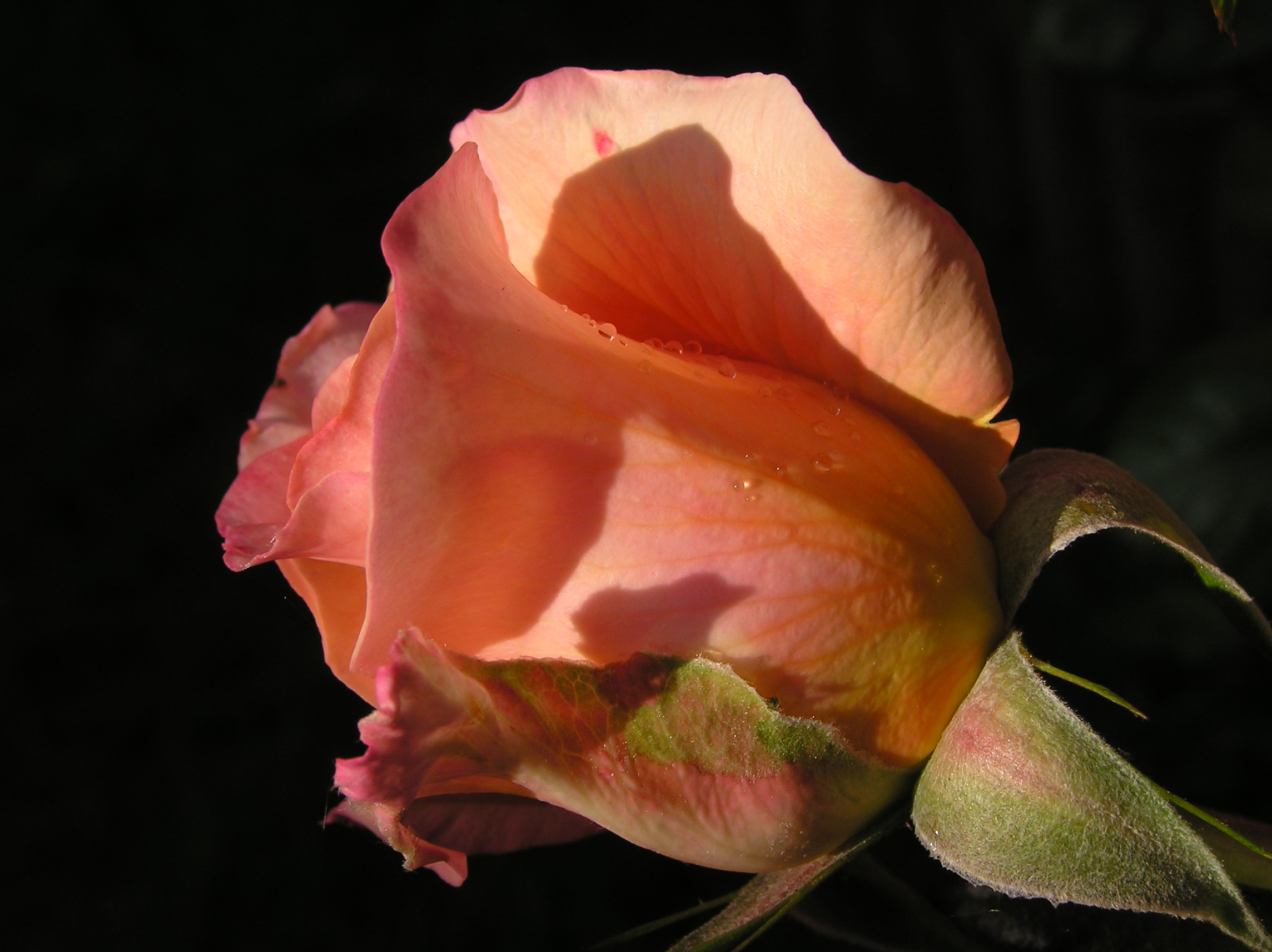
From many years ago that I found looking at my pictures on Flickr. And on dull and depressing days like these, nothing like bright roses to bring back the feeling of summer!
These pictures were shot using a Olympus C750UZ camera 7 years ago!!
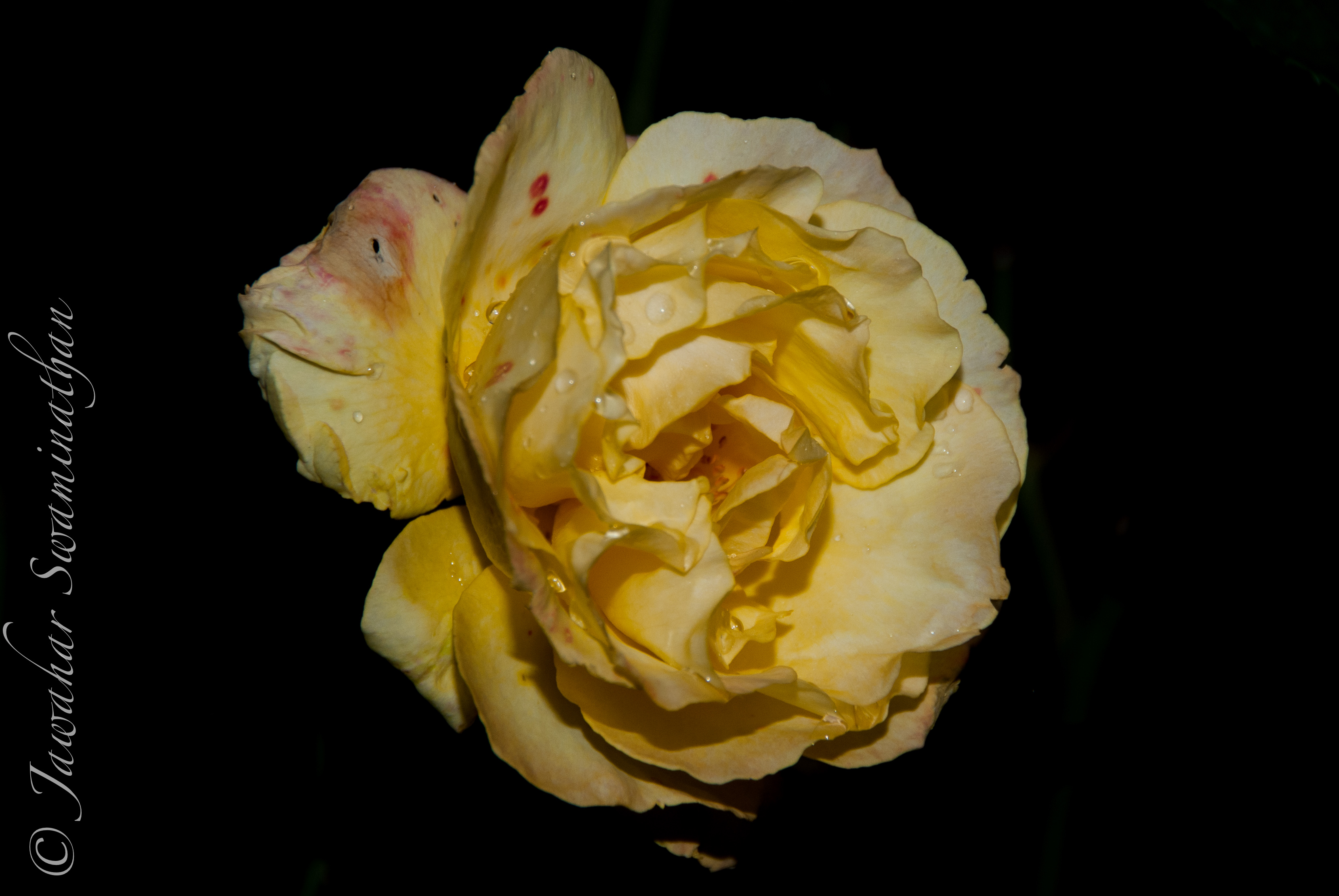
October gets over today, and cold rain and winds lash Cambridge. The nights come early. In the midst of all this, a single rose valiantly blooms for the last time in 2012.
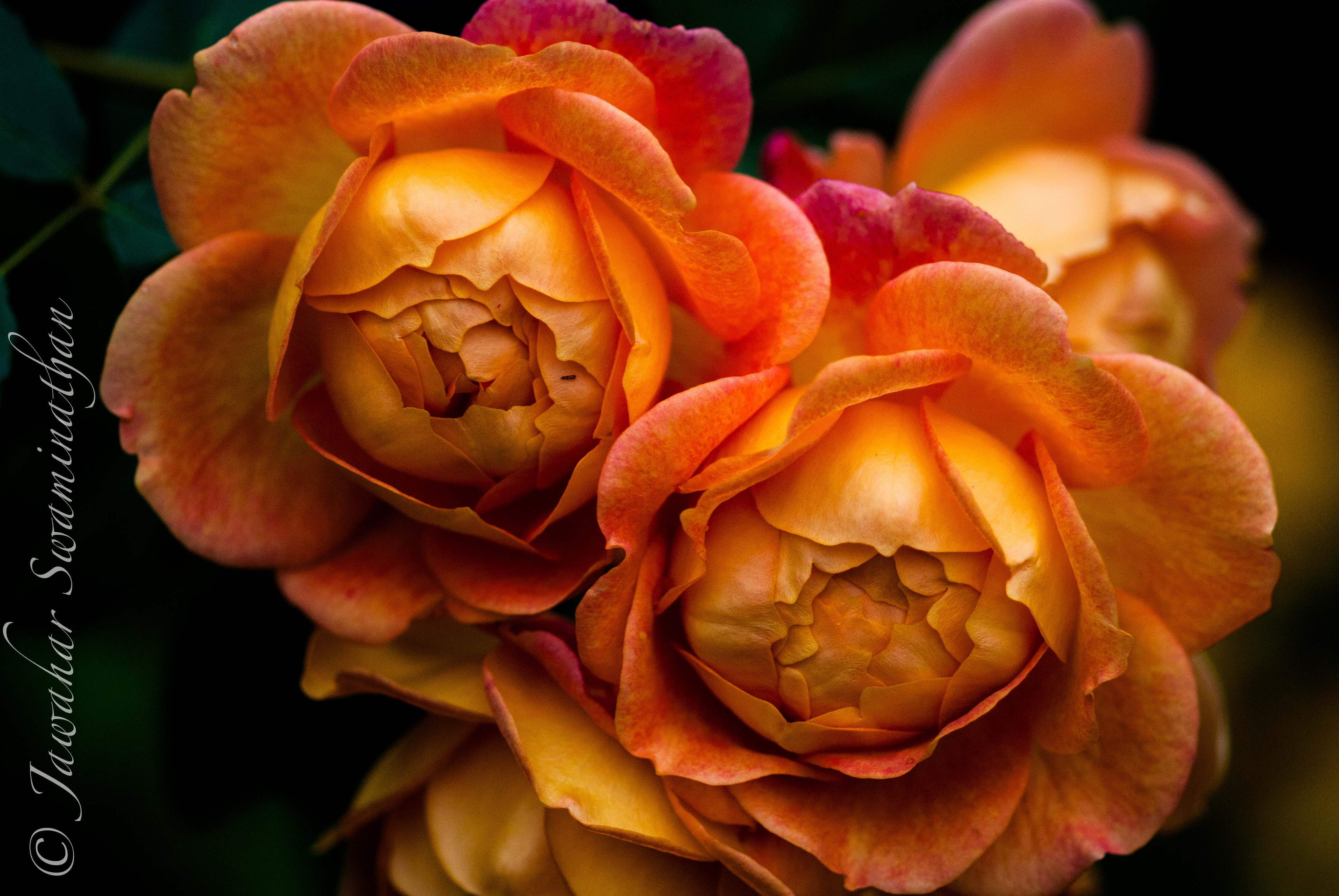
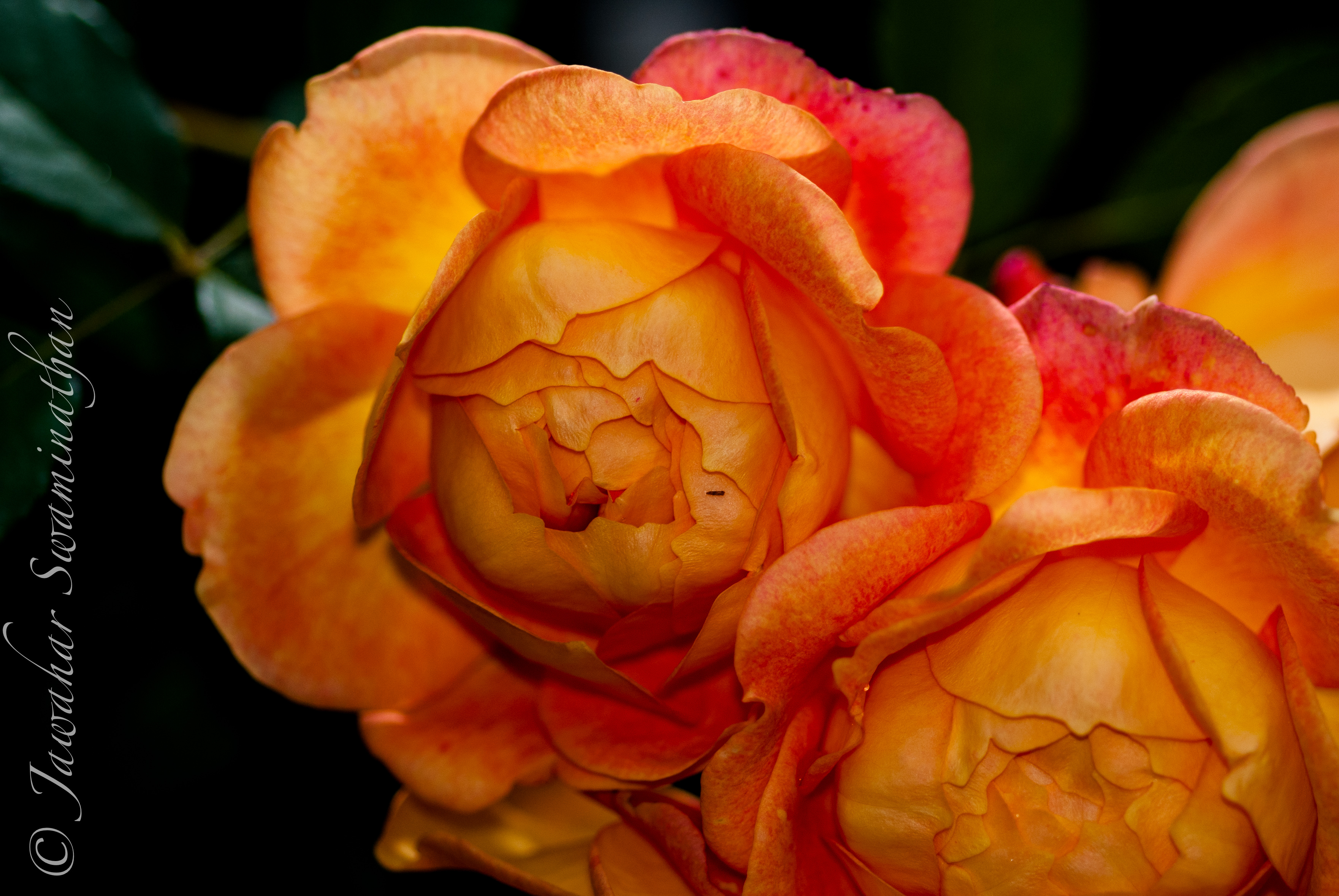
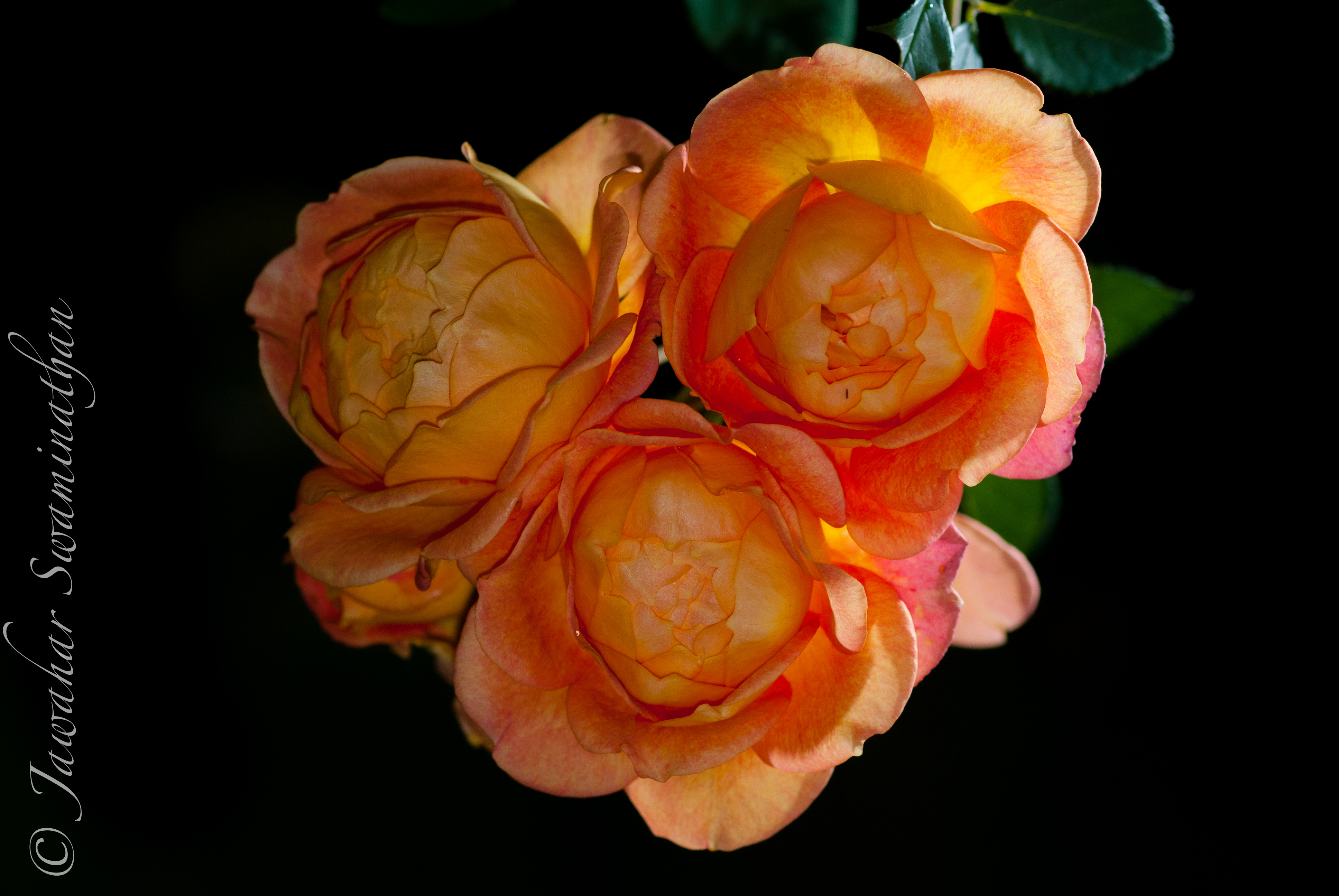
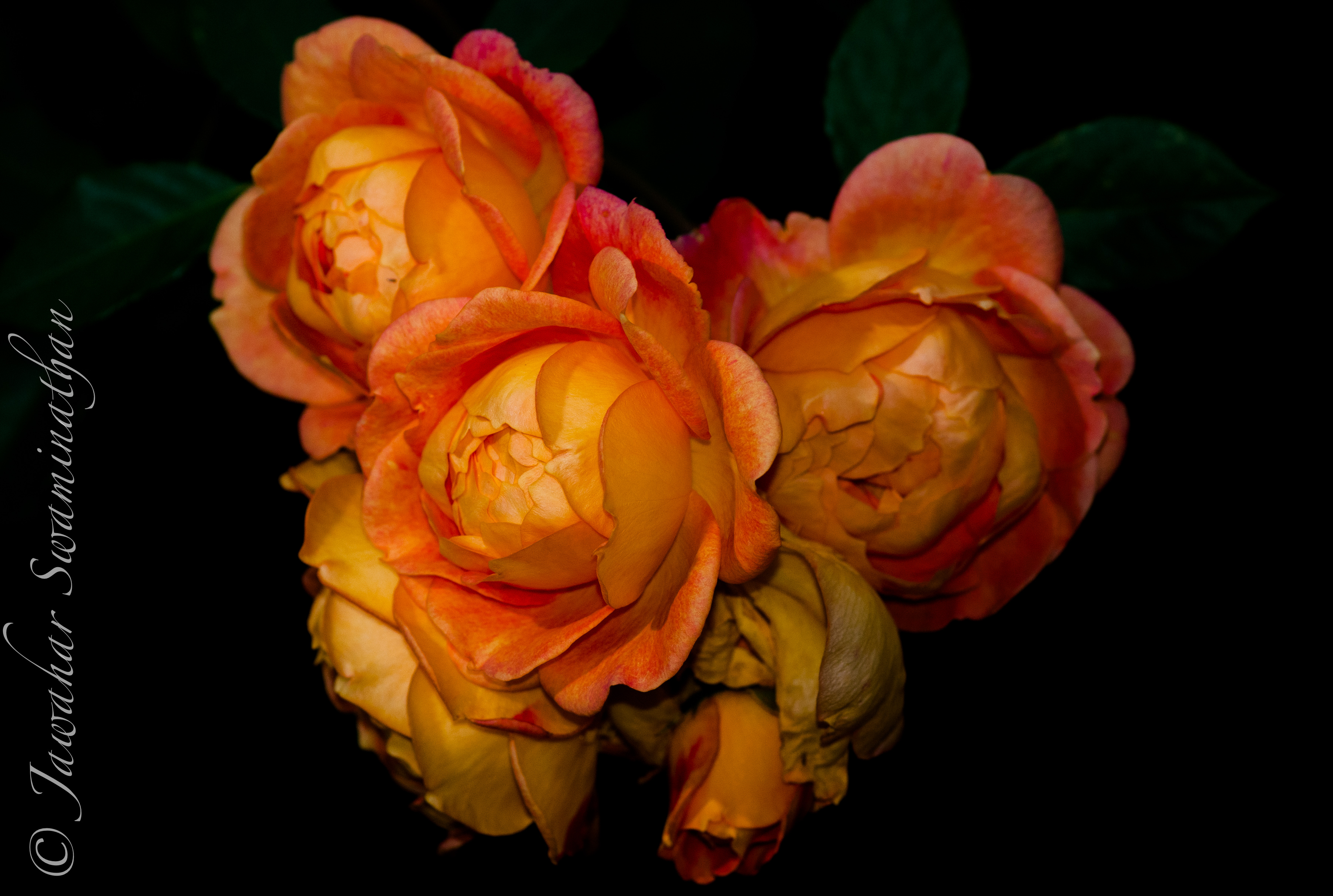
Last week I had this really nice bunch of gold-coloured roses and I wanted to try out my photography skills using a remote flash on commander mode. I placed the flash on the tripod and right angles to the photograph with some interesting results. One of two of these are with the flash on the camera, but can you tell the difference?
head-on flashexternal flash behind rosesexternal flash behind rose to the rightexternal flash at right angles to the camera. Light coming from the left.External flash right angles to camera from left. Longer exposure.external flash about 45 degrees to camera in a V arrangement
The main advantage I found to having an external remote flash was to be able to play with the colours and backgrounds. No post-processing carried out for any of these pictures. The roses too look different depending on the light source.
What do you think? Click on any image to see a full-size view.
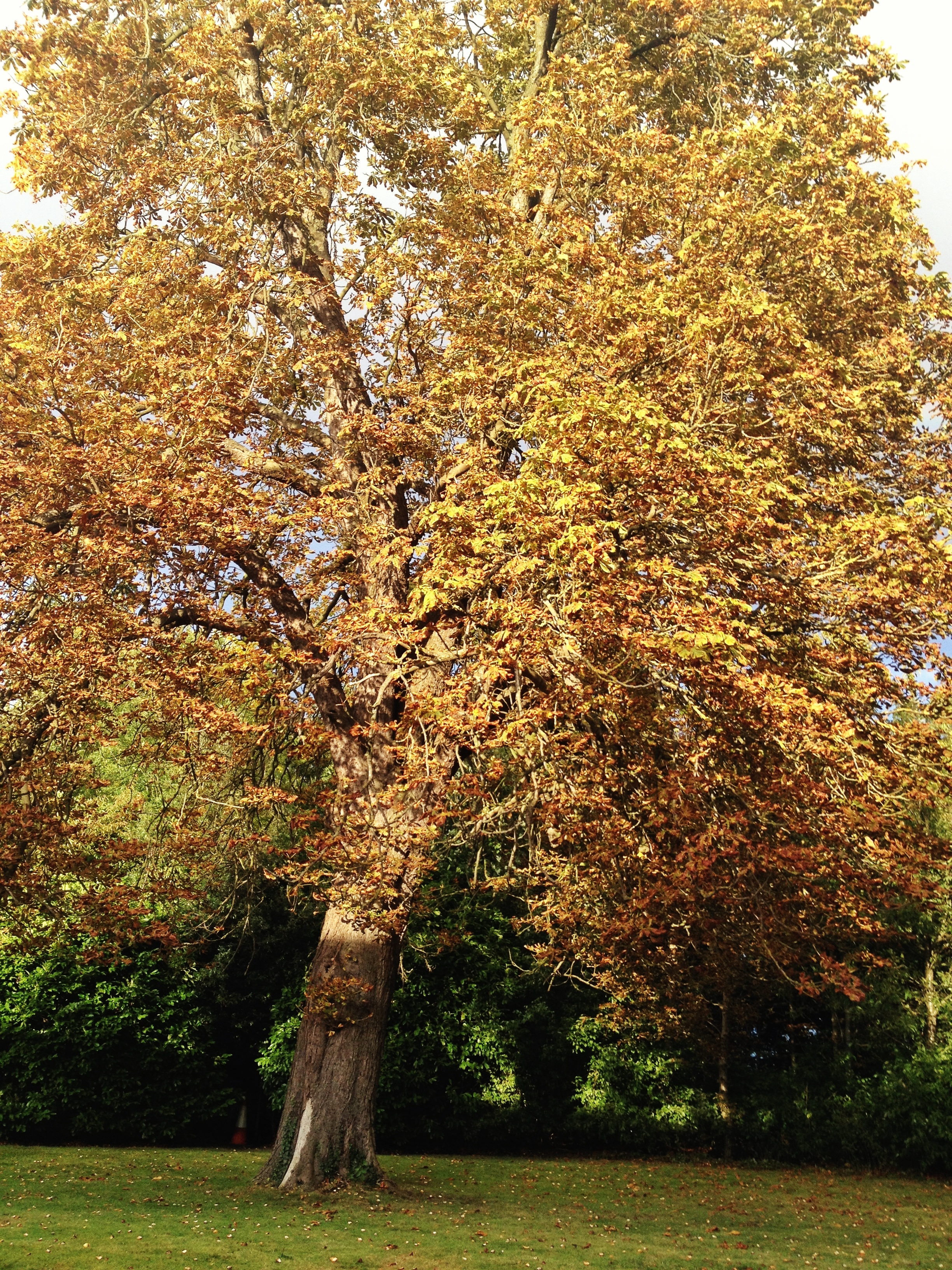
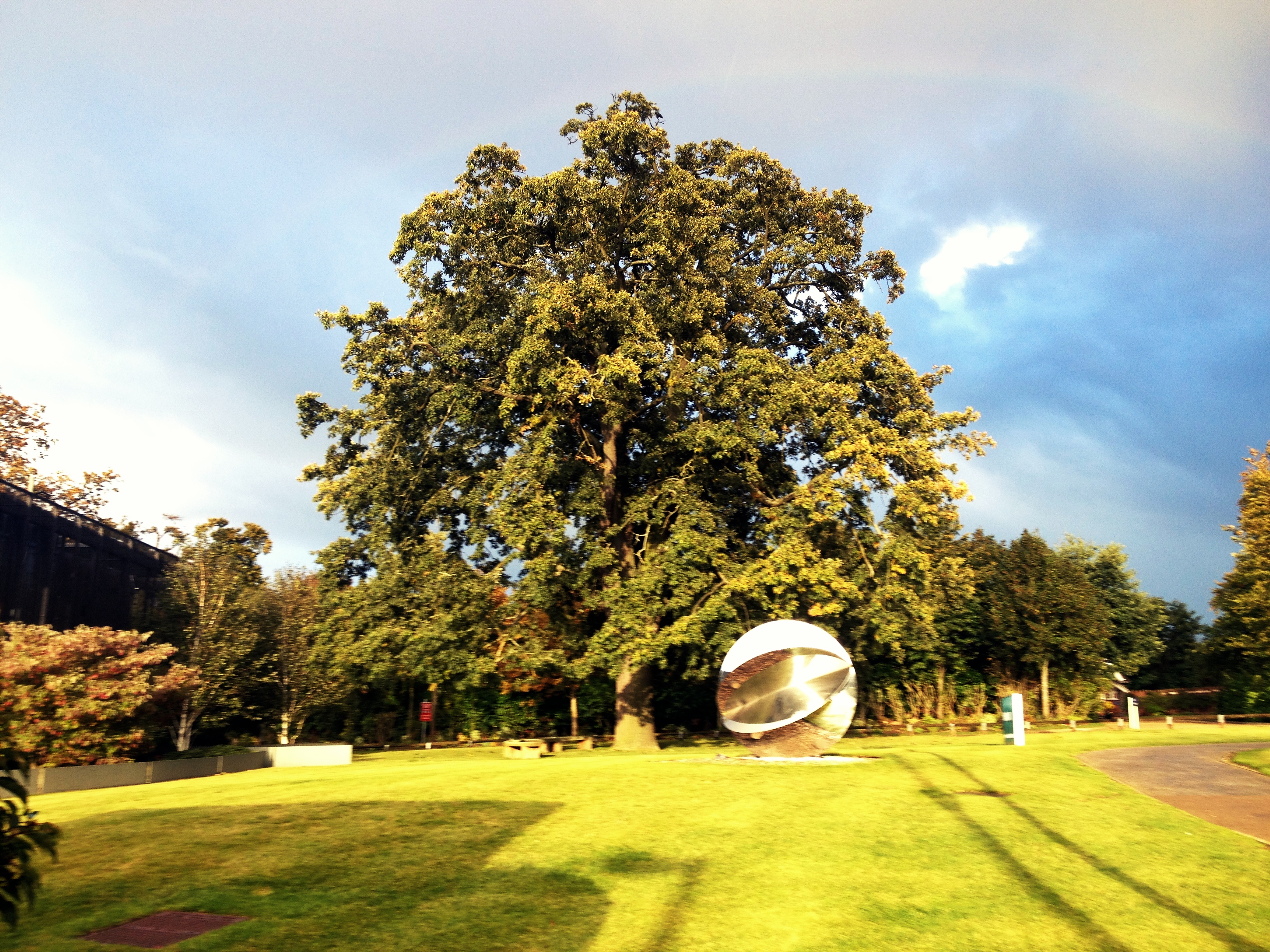
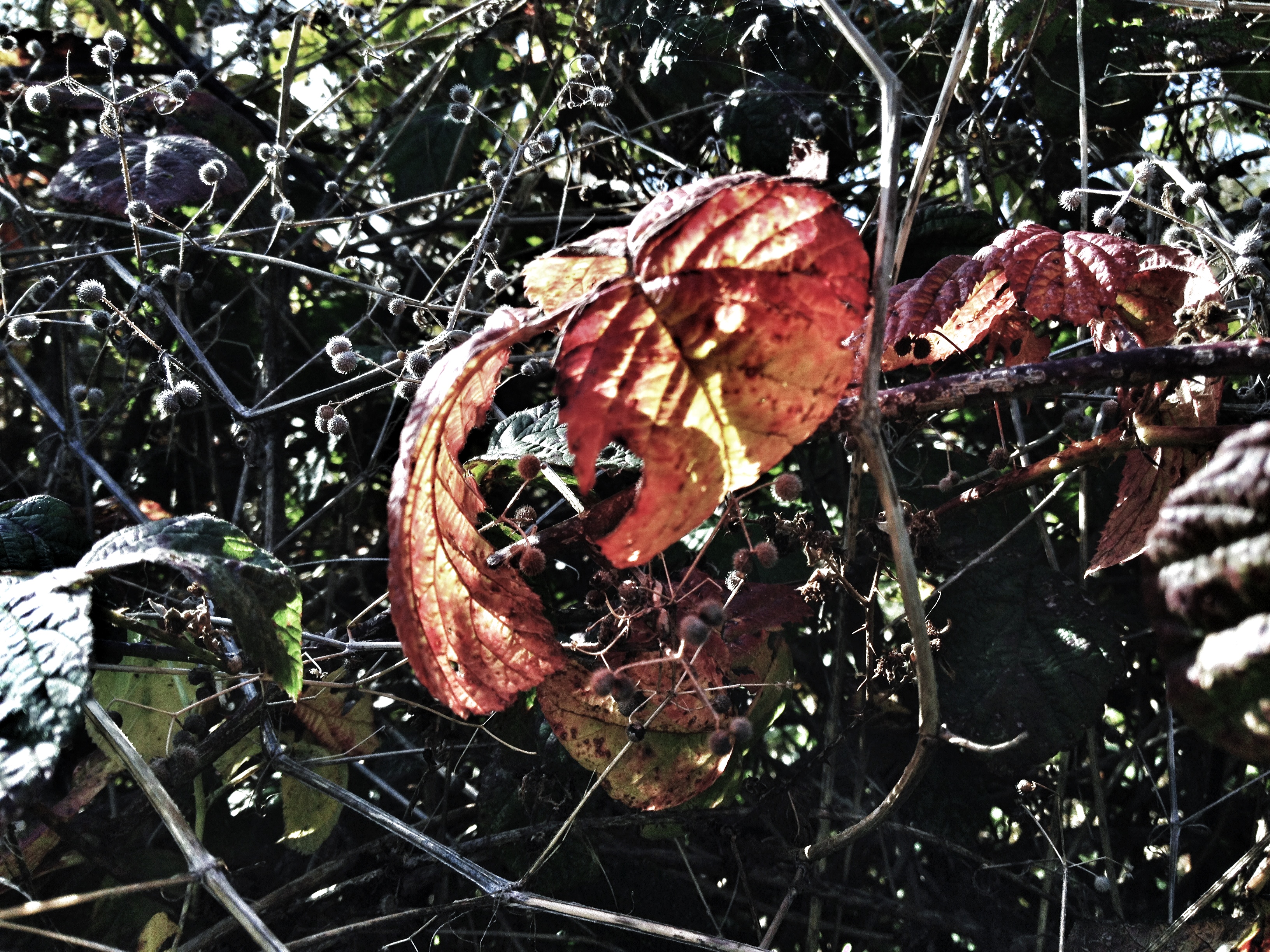
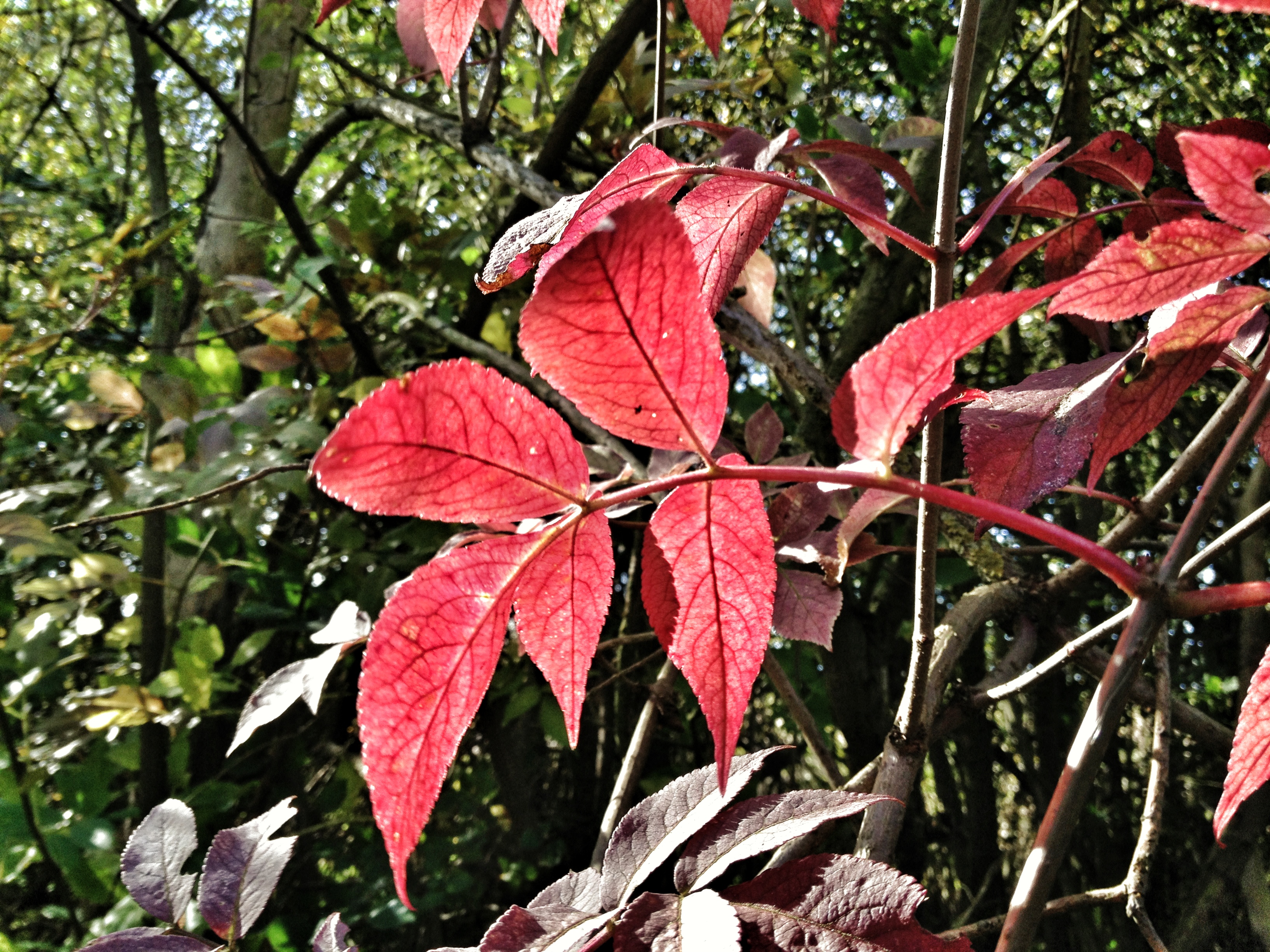
The last two days I’ve strolled out at lunch time with just my iPhone. This, of course, is not the best camera in the world but it is handy. Here are a few pictures from the iPhone.
The skies in the picture below were dramatically darker than seen here. I did try to post-process this picture to enhance the black but not too successfully.
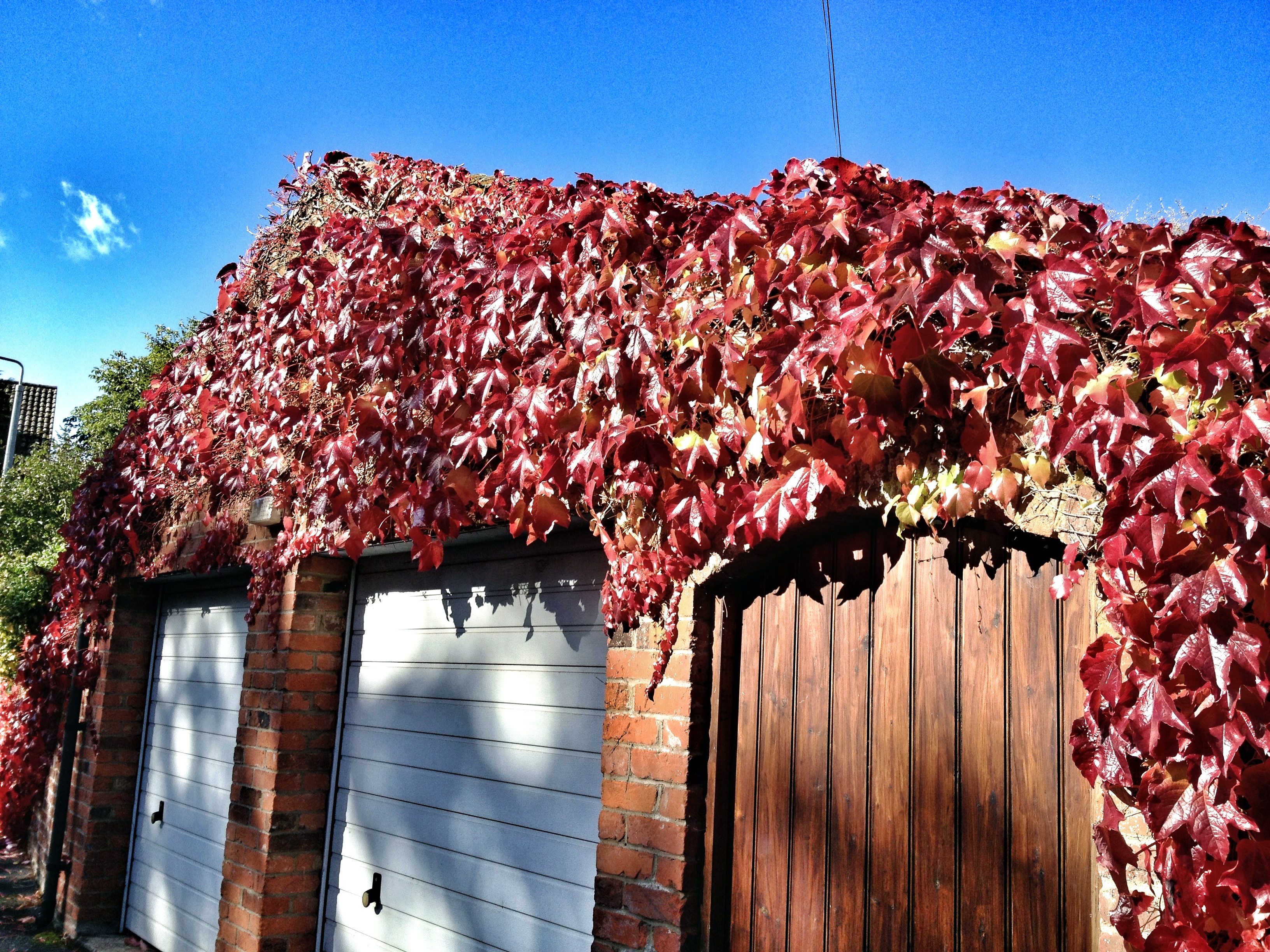
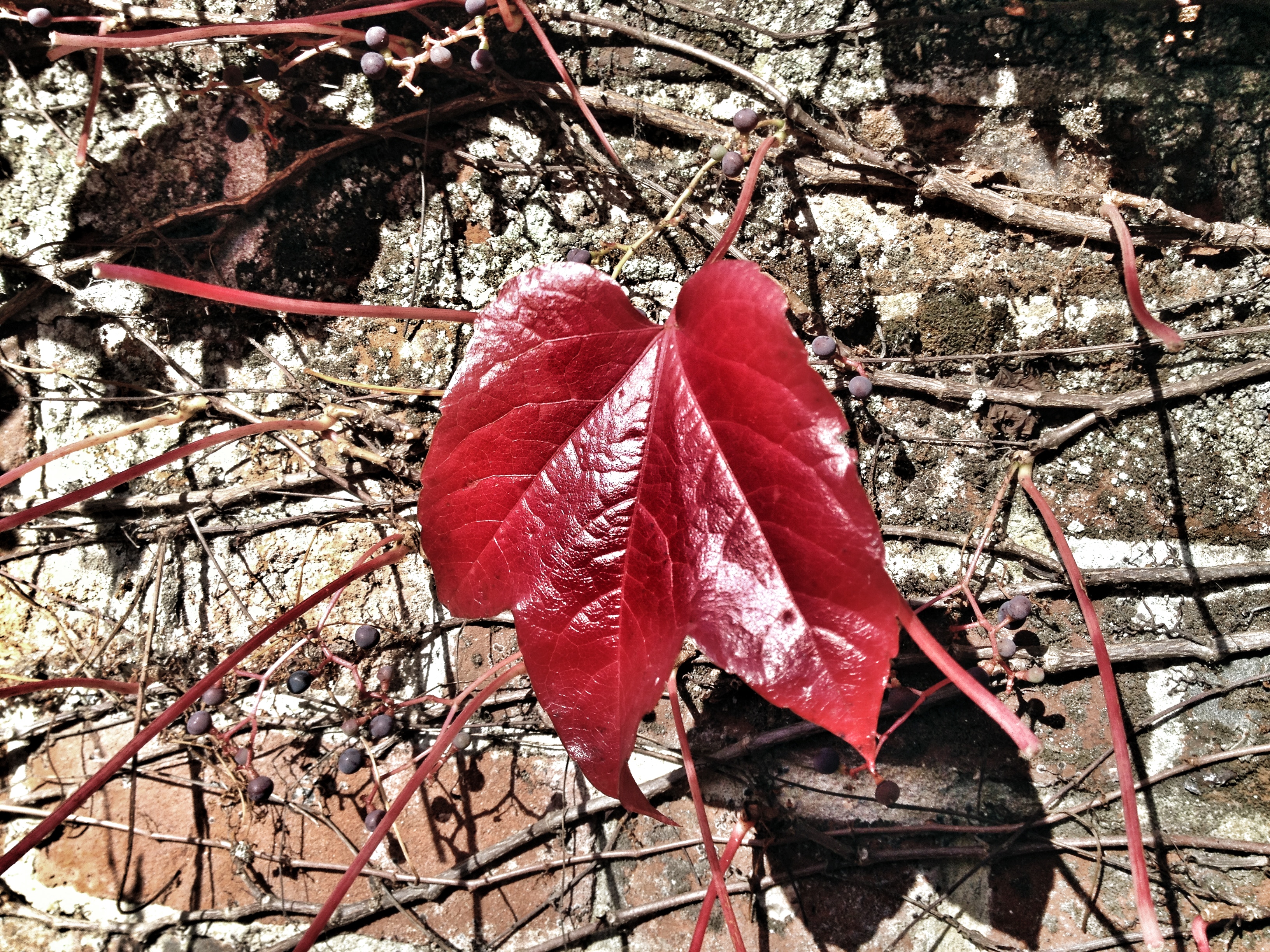
The common ivy – possibly the best signal that autumn has arrived. The vibrant reds and oranges highlight and make even the most drab of buildings come to life!!
Ivy adorns a brick garage in the village of Ickleton, CambridgeshireIvy leaf
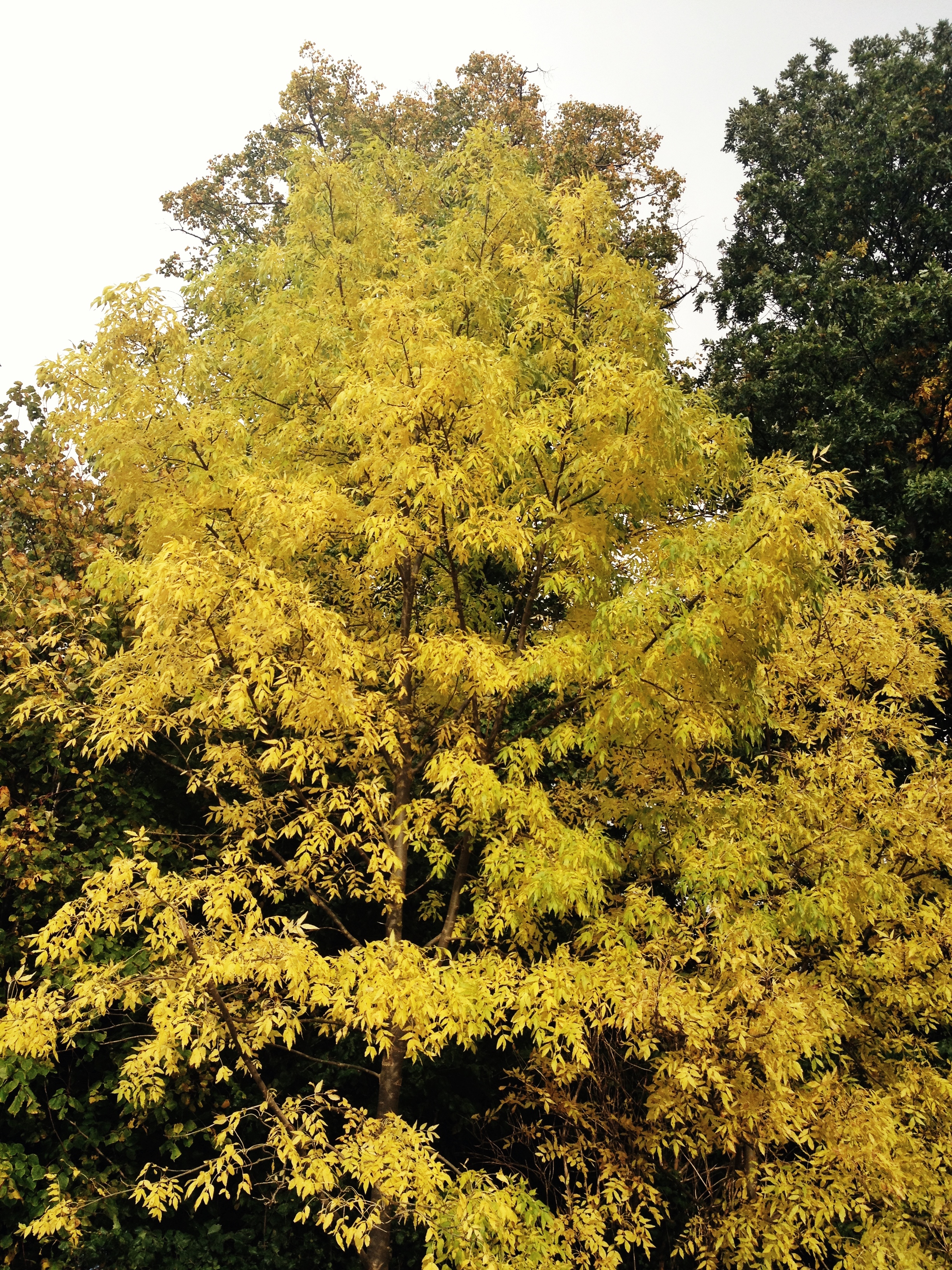
Other leaves are also changing colour at this time of the year. Soon everything will be barren.
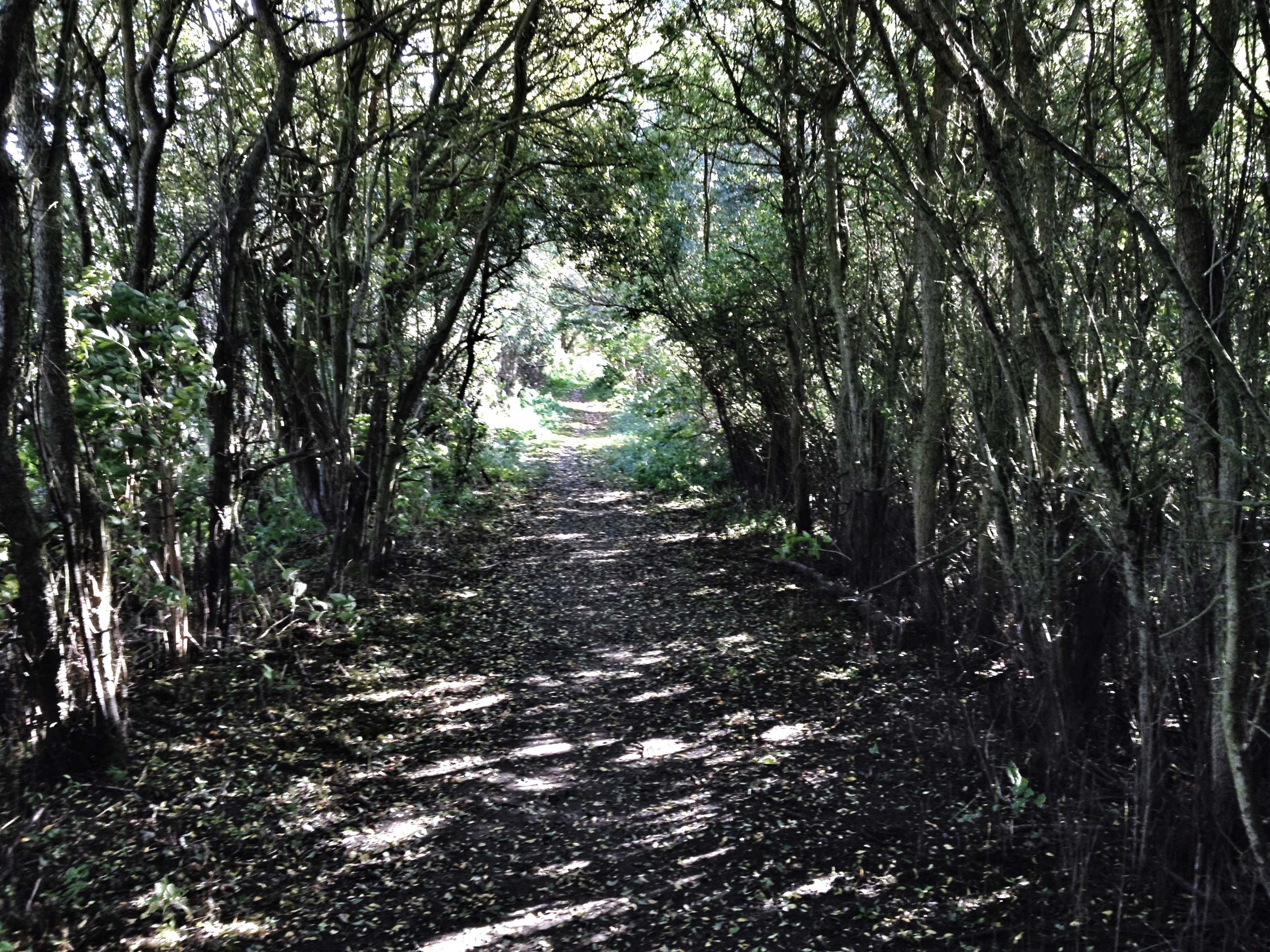
But there is always light at the end of the tunnel 🙂
Footpath between Ickleton and Hinxton villages in Cambridgeshire
All these images were touched-up in the iPhone Snapseed app.



 Juridicious